Should You Drain Gas From Lawn Mower For Winter

Should You Drain Gas From Lawn Mower For Winter: 2026 Guide

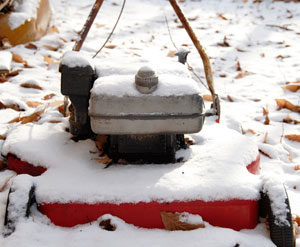
Every fall, the same question surfaces in garages across the country: should you drain gas from lawn mower for winter, or is it safe to leave it sitting? The short answer is yes—you need to either drain the fuel or treat it with a stabilizer before long-term storage. Skip this step, and you're rolling the dice on a frustrating spring.

I've spent years working on small engines, and the pattern never changes. Mowers that run flawlessly in October mysteriously refuse to start in April, and the culprit is almost always stale fuel left sitting in the tank and carburetor. The good news? Winterizing your mower's fuel system takes about ten minutes and costs almost nothing compared to a carburetor rebuild. You can also read our guide on how to start a leaf blower.

Why winter fuel care matters

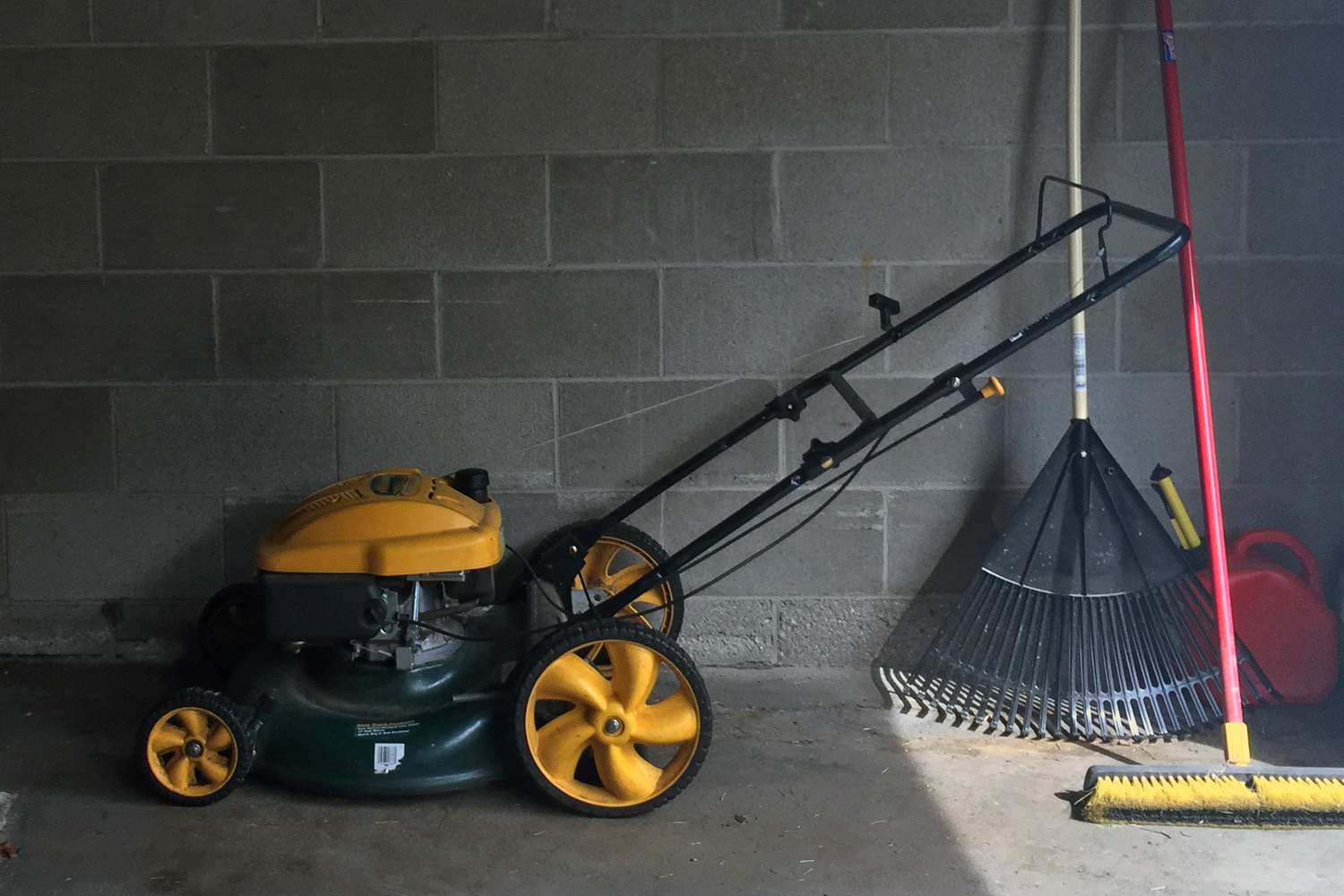
Source: marthastewart.com

Why Winter Fuel Care Matters More Than You Think

Gasoline begins degrading the moment it leaves the pump. Within 30 days, the volatile compounds that help your engine start easily start evaporating. Within 60 to 90 days, the fuel oxidizes and forms sticky gums and varnish that coat the inside of your carburetor. This isn't just theory—it's chemistry that plays out in every lawn mower that gets parked for the season.

Ethanol-blended fuels (E10) make the problem worse. Ethanol is hygroscopic, meaning it pulls moisture from the air. That water can separate from the gasoline, creating layers of water and ethanol that corrode metal parts and leave behind a white, crusty residue in the carburetor jets. These jets are tiny—often smaller than a pinhead—so even a thin layer of varnish can completely block fuel flow. For more on this, see our guide on what to put in lawn mower gas tank.

Cold storage slows evaporation but doesn't stop the chemical breakdown. The result is the same: clogged passages, stuck floats, and an engine that cranks but won't catch. Most engine manufacturers explicitly recommend either draining the fuel system or using a stabilizer before off-season storage. Following that advice is the single most reliable way to protect your mower.

Drain or Stabilize: How to Choose for Your Situation

Both methods work, but they suit different circumstances. Understanding the trade-offs helps you make the right call for your mower, your storage setup, and your fuel quality. For more on this, see our guide on best gas can for lawn mower.

When Draining Makes Sense

Draining is the more thorough approach and is the better choice when:

  • You're storing for more than 3 months. Extended storage gives fuel more time to degrade, and an empty system has nothing to break down.
  • You're using ethanol-blended fuel. E10 goes bad faster and attracts moisture, making complete removal the safer option.
  • Your mower lacks a fuel shutoff valve. Without one, you can't easily isolate the tank from the carburetor.
  • Your storage area has significant temperature swings. Condensation forms inside a partially full tank, introducing water into the fuel.
  • You're unsure how old the gas is. If it's been sitting since last season, draining is the only responsible choice.

When Stabilizing Works Better

Using a fuel stabilizer is faster, cleaner, and often the preferred method for many owners. Choose this route when:

  • You have fresh fuel—less than 30 days old.
  • Storage is 1 to 6 months. Most stabilizers are rated to protect fuel for up to 24 months, but shorter storage windows are where they shine.
  • You want to protect rubber seals and gaskets. A full fuel system keeps these components from drying out and cracking.
  • Your mower has a plastic fuel tank. Ethanol-free stabilized fuel won't attack the tank material, and keeping it full prevents condensation.

In practice, I recommend stabilized fresh fuel for most homeowners. It's fast, effective, and eliminates the need to dispose of old gas. But for long-term storage or questionable fuel, draining wins every time. If you're unsure which camp you fall into, err on the side of draining—it removes all doubt.

Drain or stabilize: which is best?

Source: goldeagle.com

Step-by-Step: How to Drain Gas From a Lawn Mower Safely

Draining your mower's fuel system isn't complicated, but it requires care. Gasoline is flammable, and its vapors can be hazardous in enclosed spaces. Work outdoors or in a well-ventilated area, away from open flames, pilot lights, and ignition sources.

What You'll Need

  • Siphon pump or a dedicated turkey baster for fuel
  • Catch pan and an approved gas container
  • Small cup for the carburetor bowl fuel
  • Nitrile gloves and safety glasses
  • Shop rags or paper towels

The Draining Process

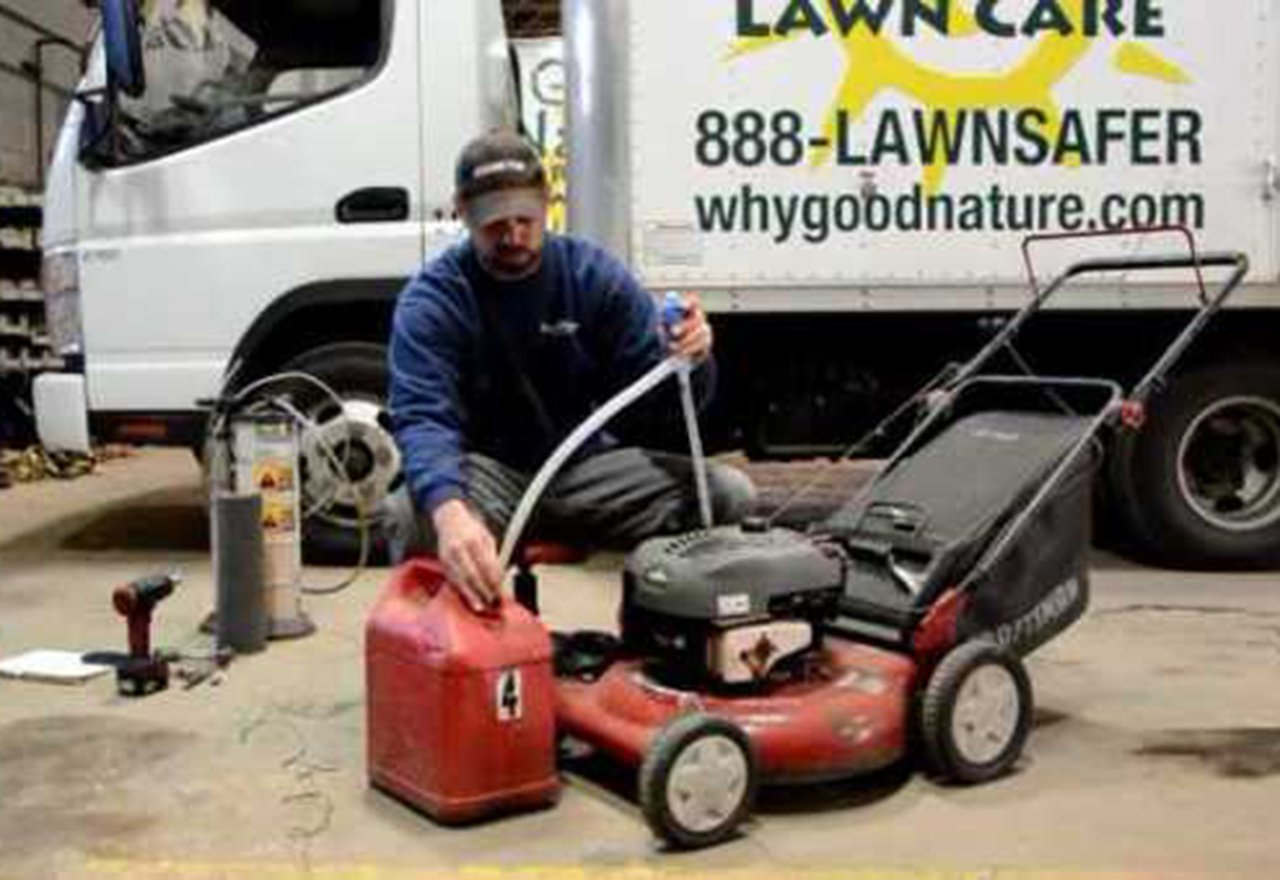
Step 1: Run the mower briefly. Start the engine and let it run for 3 to 5 minutes. This warms the fuel, making it thinner and helping suspend any deposits so they drain out with the gas.

Step 2: Disconnect the spark plug wire. Always remove the spark plug wire and ground it away from the plug. This prevents accidental starts while you're working near the fuel system.

Step 3: Siphon the fuel tank. Use your siphon pump to transfer the gas into an approved container. Work slowly to avoid splashing. If your mower has a fuel line clamp, close it before removing the line.

Step 4: Close the fuel shutoff valve (if equipped). Some mowers have a valve between the tank and carburetor. Close it now to prevent fuel from flowing while you work.

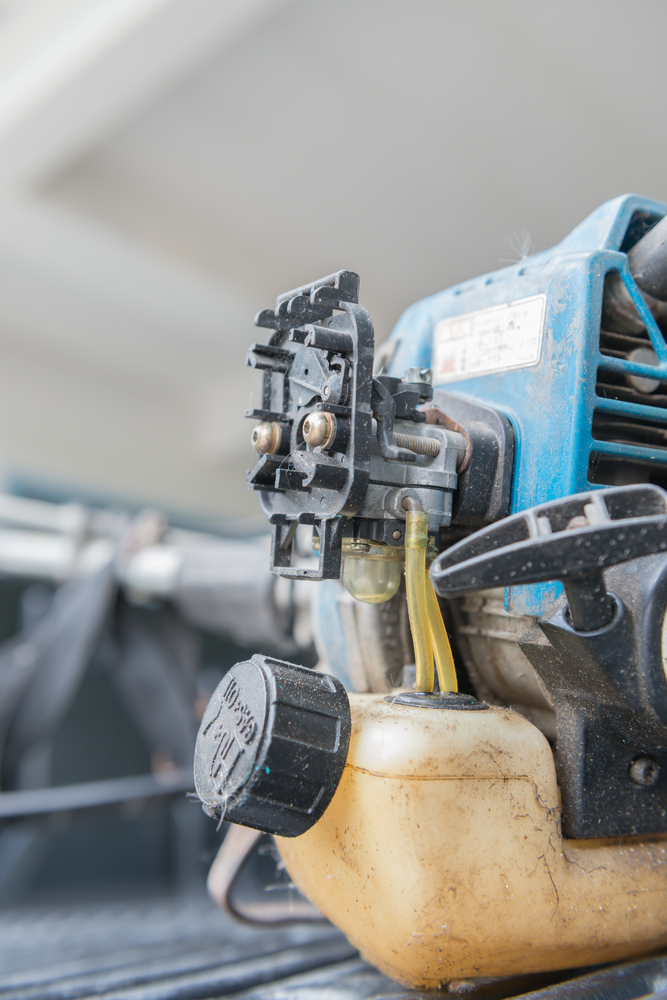
Step 5: Drain the carburetor bowl. Most walk-behind mowers have a small bowl on the bottom of the carburetor. Some have a drain screw—position a cup underneath and loosen it to release the fuel. If there's no screw, you'll need to loosen the bowl retaining bolt carefully and tip it to drain.

Step 6: Run the engine until it stalls. Reconnect the spark plug wire, then start the engine. Let it run until it uses up the remaining fuel and dies. Give the starter cord a few more pulls to clear any residual fuel from the carburetor passages.

Step 7: Protect the cylinder (optional but smart). For storage longer than 3 months, remove the spark plug and add a few drops of fogging oil into the cylinder. Pull the cord slowly a few times to distribute the oil, then reinstall the plug.

Step 8: Label and store the old fuel. Write "old gas" on the container and keep it away from heat sources until you can dispose of it properly.

If the gas in your mower is already 60 days old, don't try to save it. Drain it completely—the cost of fresh spring fuel is far less than a carburetor cleaning.

How to Store a Mower With Stabilized Fuel

For most owners, this is the faster and more convenient route. The key is treating fresh fuel properly and running it through the entire system so the carburetor is protected too.

The Stabilizing Process

Step 1: Start with fresh gas. Buy fuel from a busy station to ensure it's fresh. If you can find ethanol-free gas, it's worth the extra cost—it stores significantly better and eliminates most ethanol-related issues. For more on choosing the right fuel, see our guide on what gas is best for lawn mower.

Step 2: Add stabilizer to the can first. Pour the correct dose of stabilizer into your gas can before filling it. This ensures the stabilizer mixes thoroughly with the fuel.

Step 3: Fill the mower tank. Use the treated fuel to fill the tank. A full tank minimizes air space, reducing condensation inside the tank.

Step 4: Run the engine for 5 to 10 minutes. This is critical. Running the engine pulls treated fuel into the carburetor, fuel lines, and all the passages that need protection. Skipping this step leaves untreated fuel in the carb, defeating the purpose.

Step 5: Cycle the shutoff valve (if equipped). With the engine running, close the fuel valve and let the engine run until it almost stalls. Reopen the valve for 10 seconds, then close it again. Repeat this cycle a couple of times. This flushes untreated fuel out of the carburetor bowl and replaces it with stabilized fuel.

Step 6: Store on level ground. Park the mower on a flat surface in a cool, dry, ventilated area. Avoid storing near water heaters, furnaces, or other ignition sources.

This method is safe, effective, and takes about half the time of a full drain. If you're using brand-new fuel, stabilization is the smart play.

How to store a mower with stabilized fuel

Source: youtube.com

Understanding Ethanol, Engine Types, and Storage Duration

Not all fuel is created equal, and not all engines respond the same way to storage. Here's what you need to know about the variables that affect your winterization plan.

Ethanol and Fuel Quality

Ethanol-blended gasoline (E10) is the standard at most pumps, but it's the weakest link in your fuel system. Ethanol attracts water, and when it absorbs enough, the mixture separates into layers. This phase separation creates a corrosive, acidic layer that damages carburetor components.

Ethanol-free fuel is the premium choice for small engines. It resists moisture absorption, lasts significantly longer, and eliminates most ethanol-related issues. The trade-off is cost—it typically runs 50 cents to a dollar more per gallon. But when you compare that to the price of a carburetor rebuild, it's cheap insurance.

Some owners choose to use a high-quality premixed fuel like TruFuel for final storage. These fuels are ethanol-free and pre-stabilized, eliminating guesswork.

Engine Type Considerations

Almost all modern walk-behind mowers use four-cycle engines, which burn straight gasoline with oil in a separate sump. For these, the guidance above applies directly.

If you own a rare two-stroke mower, your approach differs slightly. Two-stroke engines burn a gas-oil mixture, and the oil in the mix can separate during storage. The safest approach is to run the engine dry, then drain the carburetor bowl. Alternatively, you can use fresh, stabilized premix and run it through the system before storage.

Storage Duration Guidelines

Your timeline determines your strategy:

Storage Duration Recommended Action
Up to 30 days No action needed if fuel is fresh
1 to 3 months Add stabilizer and run the engine
3 to 6 months Drain, or use ethanol-free fuel with stabilizer
Over 6 months Drain completely and consider fogging the cylinder

When in doubt, drain. An empty fuel system cannot develop fuel-related problems.

Spring Troubleshooting: When the Mower Won't Start

Even with perfect preparation, issues can arise. If your mower refuses to start in spring, work through these steps systematically.

Check the fuel first. Remove the gas cap and smell the fuel. If it smells sour or like paint thinner, it's gone bad. Drain it and refill with fresh gas.

Inspect the air filter. A dirty, oil-soaked filter restricts airflow and prevents starting. Clean foam filters with soapy water, replace paper filters, and let everything dry before reinstalling.

Examine the spark plug. Remove the plug and inspect the electrode. If it's black, wet, or covered in carbon, clean it with a wire brush or simply replace it. Check the gap against your owner's manual specifications.

Look inside the carburetor bowl. If fuel issues persisted through winter, you might find white crystals (from ethanol corrosion) or brown varnish. Clean the bowl and jets with carburetor cleaner and compressed air.

Prime and attempt to start. Follow your manual's starting procedure. If the engine fires briefly then dies, the carburetor likely needs more thorough cleaning.

If you skipped fuel care last fall, a carburetor cleaning kit is your most likely fix. It's a manageable DIY job for most owners, but it requires patience and attention to detail.

Spring troubleshooting if the mower will not start

Source: eastcoastlumber.net

Safe Disposal and Environmental Rules for Old Gas

Draining your fuel tank solves one problem but creates another: what do you do with the old gas? Improper disposal is both dangerous and illegal in most areas.

Never pour gasoline on the ground, into storm drains, or in the trash. It contaminates soil and groundwater, and it creates a fire hazard. Gasoline should always be treated as hazardous waste.

Store drained fuel properly. Use an approved, sealed gas container. Keep it away from heat sources, and never store it in your living space.

Check with your local waste facility. Many municipalities offer hazardous waste collection days or have designated drop-off locations. A quick phone call or website search will tell you what's available in your area.

Consider recycling the fuel. If the gas is clean, clear, and free of water, some regions allow blending it into a vehicle's fuel tank at a ratio of about 1 part old gas to 10 parts fresh fuel. This is only safe if the old gas hasn't degraded significantly, and you should check your vehicle owner's manual and local regulations first.

If you're draining specifically to avoid these disposal steps, that's a fair argument for using a stabilizer instead. The EPA provides guidance on proper fuel storage and handling that's worth reviewing before you start.

Safety, disposal, and environmental rules for old gas

Source: goldeagle.com

Time and Cost: What Winterizing Really Saves You

Fuel treatment takes about 10 minutes. Draining takes about 20. Neither is a significant time investment, but both protect you from expenses that are far more painful.

The cost of a fuel stabilizer: A bottle costs a few dollars and treats many gallons of fuel. Even the premium brands work out to pennies per treatment.

The cost of neglect: A carburetor cleaning runs anywhere from $50 to $150 if you pay a shop. Replacement carburetors for popular mower models often cost $30 to $80 in parts. A full tune-up with plug, filter, and oil change adds another $30 to $60.

The math is obvious. Ten minutes of prevention saves you hours of frustration and up to a few hundred dollars in repairs. Spend the small amount of time now, and save yourself the hassle later.

Time, cost, and savings

Source: autozone.com

Common Mistakes to Avoid When Winterizing

Even well-intentioned owners make these errors. Here's what to watch out for.

Storing with old, unstabilized fuel. This is the most common mistake, and it's the direct cause of most spring no-start problems.

Adding stabilizer to old gas. Stabilizers preserve fresh fuel; they don't revive stale fuel. If the gas is already degraded, stabilizer won't fix it. Drain instead.

Forgetting to run the engine after adding stabilizer. The stabilizer only protects the parts it reaches. If you don't run the engine, the carburetor still holds untreated fuel.

Draining the tank but leaving the carburetor full. The tank isn't the only place fuel hides. The carburetor bowl holds a few ounces of gas that will varnish just like the tank.

Reusing last year's fuel. Old gas in a gas can is just as bad as old gas in the mower. Always start the season with fresh fuel.

Avoid these pitfalls, and you'll eliminate the vast majority of fuel-related storage problems.

Common mistakes to avoid

Source: aol.com

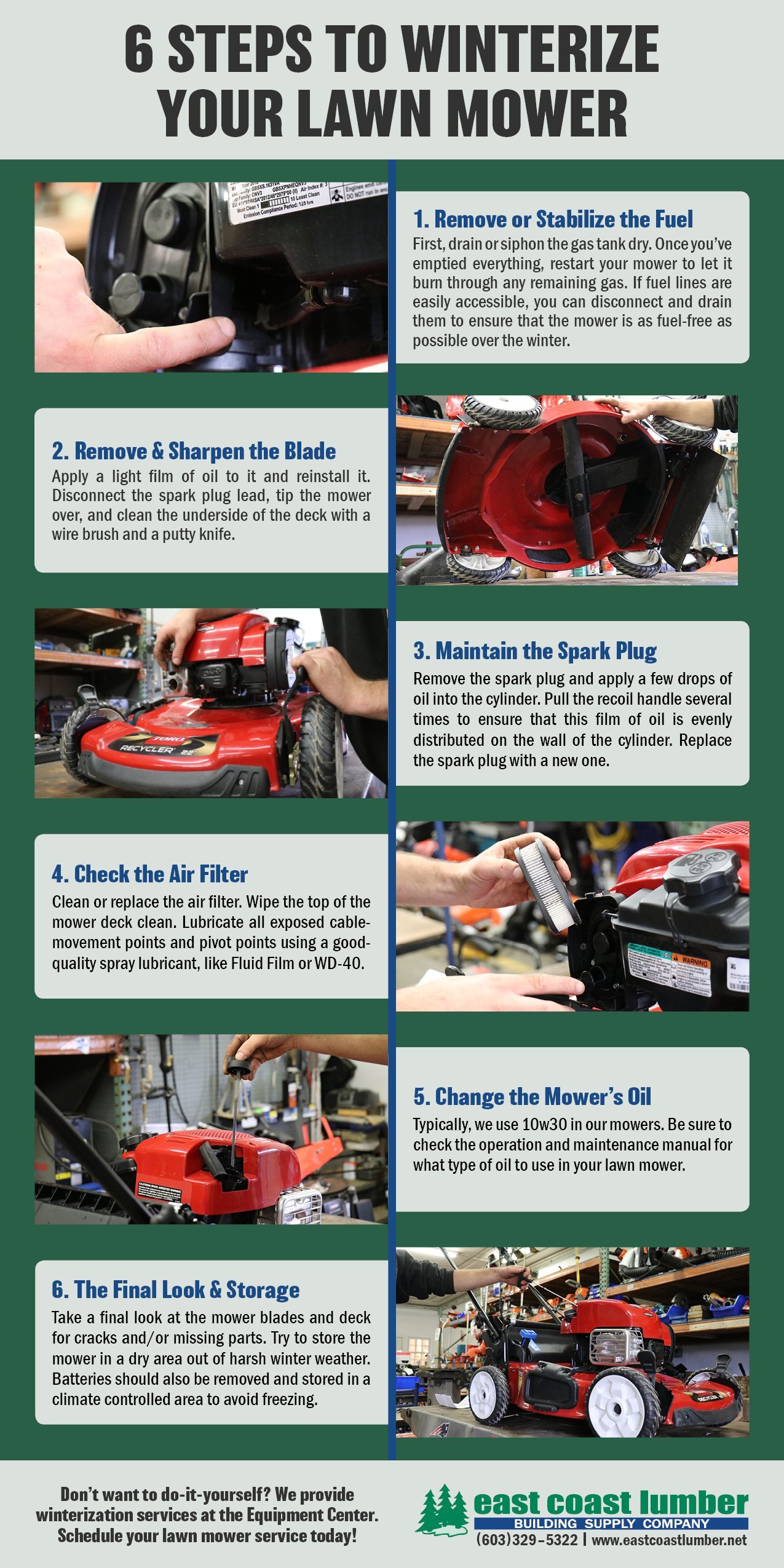
The Complete Winterizing Checklist

Fuel care is essential, but it's only part of proper winterization. Work through this full checklist before you roll the mower into storage.

Fuel System:

  • Drain the fuel tank or fill with stabilized fresh gas
  • Run the engine to distribute stabilized fuel (if using)
  • Drain the carburetor bowl or run the system dry

Engine Maintenance:

  • Change the oil while the engine is warm
  • Remove and inspect the spark plug; replace if worn
  • Add fogging oil to the cylinder for storage over 3 months

Deck and Blade:

  • Clean the deck thoroughly to remove caked grass
  • Sharpen and balance the blade
  • Disconnect the spark plug wire before blade work

Filters and Misc:

  • Replace a dirty air filter
  • For riding mowers, charge the battery and store on a maintainer
  • Cover the mower and store in a dry, ventilated space

Follow this list, and you'll know exactly how to handle your mower's fuel next fall, too.

Frequently Asked Questions

Should you drain gas from lawn mower for winter or use stabilizer?

Both are valid. Drain if the gas is old, storage is long, or you want an absolutely clean system. Use stabilizer with fresh fuel and run the engine to protect the carburetor for shorter storage periods.

How long does gas last in a mower before it goes bad?

Ethanol-blended fuel starts degrading in about 30 days and becomes problematic by 60 to 90 days. With a quality stabilizer and proper storage, you can stretch that to several months.

Is ethanol-free gas better for winter storage?

Yes. Ethanol-free fuel resists moisture absorption and degrades more slowly. It costs more per gallon but dramatically reduces the risk of carburetor issues.

Can I just run the mower until it stalls and call it done?

Running the engine dry helps, but it doesn't fully empty the carburetor bowl. Drain the bowl or use the shutoff cycling method to ensure the system is truly dry.

What happens if I ignore fuel care all winter?

Expect hard starting, surging, or no start at all in spring. You'll likely need to clean the carburetor, replace the spark plug, and use fresh fuel to recover.

Can I mix old gas with new gas to use it up?

Only if the old gas is clear and doesn't smell sour. Blend small amounts into a vehicle's tank with plenty of fresh fuel, and check local regulations first.

Conclusion

Should you drain gas from lawn mower for winter? The answer depends on your specific situation, but the principle is universal: do something about the fuel before storing your mower. Either drain the system completely or treat fresh fuel with stabilizer and run it through the engine. Both methods work; neglect doesn't.

Take ten minutes at the end of the season to protect your mower. Drain the gas or stabilize it, change the oil, clean the deck, and store it properly. When spring arrives, your mower will fire up on the first or second pull, and you'll wonder why you ever considered skipping this step. Your engine—and your spring self—will thank you.

Similar Posts

Leave a Reply

Your email address will not be published. Required fields are marked *