Digging Hand Tools: Expert Guide And Top Picks For 2026
Digging is the most fundamental act in gardening and landscaping, yet the right tool can mean the difference between a pleasant afternoon’s work and a back-breaking struggle. This guide cuts through the noise to help you build a practical, durable kit for 2026.
Why Your Digging Tools Matter More Than You Think
Every garden project starts with soil. Whether you are planting a single bulb, edging a border, or digging a trench for irrigation, the tool in your hand determines how much effort you expend and how clean the final result looks. A well-chosen digging tool reduces strain on your joints, protects your back, and leaves soil structure intact for healthier plant growth. For more on this, see our guide on digging tools for raised garden beds guide.
Cheap, poorly made tools fail at the worst moments—usually halfway through a job when the handle snaps or the blade bends. Conversely, a quality tool, maintained properly, can serve for decades. The investment is not in the tool itself but in the countless hours of efficient, comfortable work it enables.
The Anatomy of a Digging Tool
Before choosing any tool, understand what you are looking at. Every digging implement consists of three critical parts:
The blade is your cutting and moving surface. Its shape, steel quality, and edge geometry dictate how well it penetrates soil. Forged or heat-treated carbon steel offers the best balance of toughness and sharpenability. Stainless steel resists rust but can be slippery in sticky clay. For more on this, see our guide on ginseng digging tools.
The handle transfers your force into the blade. Wood—typically ash or hickory—provides natural flex and vibration dampening. Fiberglass resists moisture and rot, making it ideal for wet conditions. Steel handles are strongest but transmit shock to your hands.
The ferrule and joint connect blade to handle. Look for solid, tight connections without play. A loose joint is the first sign of impending failure and cannot be reliably repaired.
Hand Tools Every Gardener Needs
Shovels and Spades: The Workhorses
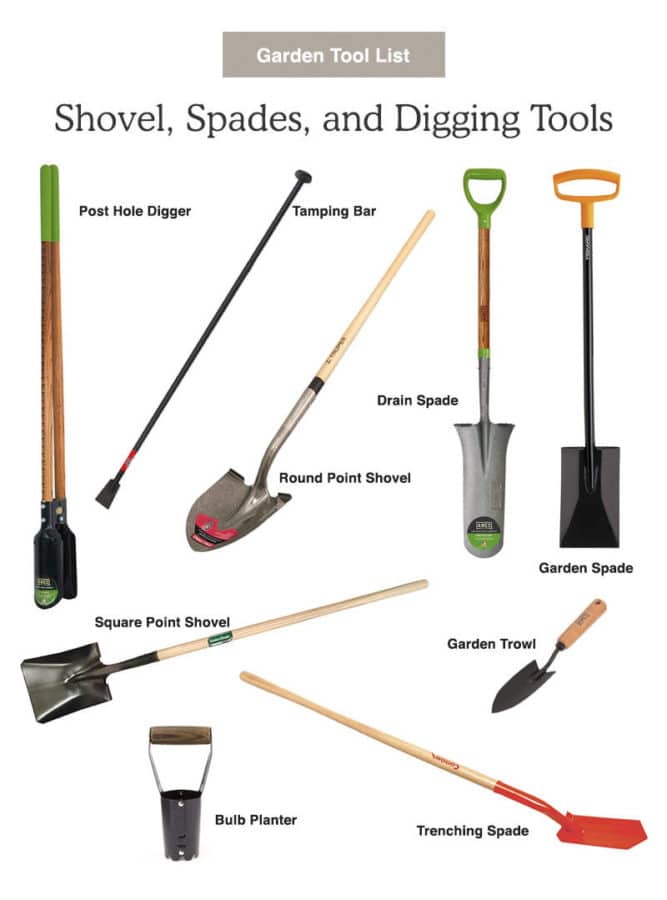
Shovels and spades are often confused, but they serve distinct purposes. A shovel features a curved, concave blade designed for scooping and moving loose soil. A spade has a flat, straight blade optimized for cutting clean edges, slicing sod, and digging precise holes.
For general digging, a round-point shovel is the most versatile choice. Its pointed tip penetrates hard ground, while the curved blade lifts and tosses soil efficiently. For edging beds or transplanting perennials with minimal root disturbance, a sharp spade is indispensable. Many gardeners find owning both covers 90 percent of their needs.
Trowels: Precision in the Palm
A trowel is your go-to for planting seedlings, bulbs, and small perennials. The blade shape matters more than most people realize. Narrow, pointed trowels slip easily into dense or established beds without disturbing neighboring roots. Wider blades move more soil per scoop, speeding up larger planting jobs.
Stainless steel trowels resist rust and clean easily. Look for a comfortable grip that fits your hand—you will be holding it for extended periods. Some models include depth markings, which are genuinely useful for consistent bulb planting.
Hand Forks and Cultivators: Soil Health Heroes
Hand forks loosen compacted topsoil, break up crusts, and work amendments into the soil surface. They are gentler on soil structure than aggressive power tillers, preserving the beneficial organisms that keep your garden productive.
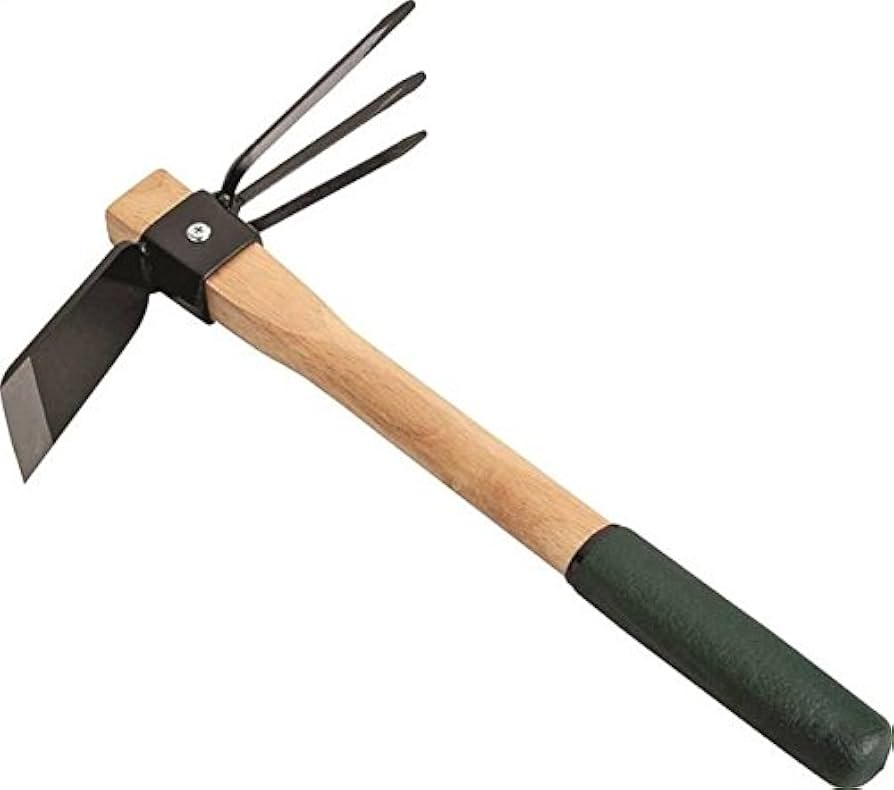
Three-tine cultivators excel at weeding between closely spaced plants. Their narrow profile reaches into tight spaces without damaging desirable plants. Use short, shallow strokes to avoid bringing weed seeds to the surface.
Hoes: Match the Tool to the Weed
Hoe selection depends on your primary task. A draw hoe pulls soil toward you, making it effective for hilling potatoes or shaping planting furrows. A stirrup hoe—also called an action hoe—slices weeds just below the soil surface with a back-and-forth motion, making it far more efficient for routine weeding.
A Dutch hoe pushes forward, gliding just beneath the surface to sever weed roots. For long runs of open ground, this is the least physically demanding option. Consider your dominant weed pressure and preferred working motion before choosing.
The Specialists: Bulb Planters, Soil Knives, and More
Beyond the basics, several specialized tools earn their place in a well-rounded kit. Bulb planters remove a core of soil, allowing you to plant at consistent depth and spacing without kneeling. Soil knives—also known as hori-hori—are multi-purpose wonders that cut roots, open bags, divide perennials, and weed cracks in paving.
Root saws handle situations where pruning shears are too bulky. Their narrow blades slip into tight spaces and cut through woody roots with minimal effort. For removing deep taproots, a dedicated weed puller grips the root at its crown and extracts the entire root system, preventing regrowth.
Choosing the Right Tool for Your Soil
Your soil type should drive your purchasing decisions. Sandy soils dig easily but collapse quickly, favoring wider blades that move more volume. Clay soils resist penetration, rewarding narrow, sharp blades that concentrate force. Rocky ground demands robust construction and blades that can withstand impact.
Test the tool’s weight and balance before buying. A tool that feels heavy in the store will feel unbearable after an hour of work. Conversely, a feather-light tool may lack the mass needed to drive deep into hard ground. The ideal weight depends on your strength and the tasks at hand.
Handle length also matters. Long handles provide maximum leverage for deep digging and trenching. Short handles offer control and maneuverability in tight beds or for close-up work. Many professionals keep both lengths on hand, switching as the task demands.
The right combination of digging tools covers nearly every job in the garden, from breaking ground to planting bulbs.
Image source: gilgharda.com
Proper Technique: Work Smarter, Not Harder
Good digging technique protects your body and improves efficiency. The most common mistake is bending at the waist and lifting with your back. Instead, keep your core engaged and let your legs do the heavy lifting. Hinge at the hips, grip the handle close to the blade for control, and use your body weight to drive the blade into the soil.
For clean, efficient holes, follow this sequence:
- Mark your outline with a spade tip or chalk.
- Score the perimeter with shallow cuts to define the edges.
- Step onto the shovel ledge with your full foot, using your weight to penetrate.
- Rock the handle backward to pry, never yank or twist violently.
- Lift small loads—big scoops cause fatigue and spills.
- Stack topsoil and subsoil separately if you plan to replant.
When encountering roots, expose them with your spade, then sever cleanly with a soil knife or root saw. Prying against an uncut root risks both the tool and your joints.
For hard, compacted ground, switch to a mattock or pickaxe. Take short, controlled swings and work in layers rather than trying to break through everything at once.
Maintenance: Extend Tool Life
Tools left dirty and damp rust quickly and harbor plant diseases. After each use, knock off loose soil with a stiff brush. Dry blades thoroughly, then wipe with a light coat of oil. Apply linseed oil to wooden handles twice a year to prevent drying and cracking.
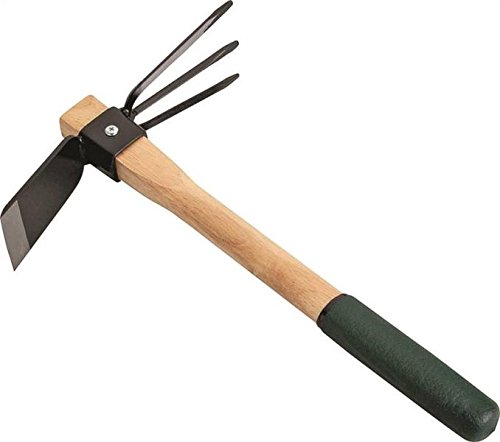
Rust forms quickly on tools left dirty and damp, permanently compromising the blade's cutting edge.
Image source: amazon.com
Sharpening is an often-overlooked maintenance step. A sharp tool cuts with less force, making work easier and safer. Use a mill file to maintain a 30-to-45-degree edge on shovels and spades. Clamp the blade securely, then file in one direction—pushing away from your body—until the edge is clean and uniform.
Inspect handles and fasteners regularly. Tighten loose screws and replace cracked handles immediately. A broken handle mid-swing is a serious safety hazard.
Essential Safety Practices
Digging tools are inherently sharp and heavy. Wear gloves with good grip to prevent blisters and control slippage. Sturdy boots with toe protection guard against accidental drops. Eye protection prevents chips and debris from reaching your eyes.
Before digging any hole deeper than a few inches, call your local utility locator service. In the United States, dial 811 to have underground lines marked. This free service prevents dangerous and costly accidents.
Warm up with light stretching before sustained digging. Take regular breaks, especially in hot weather. Rotate between tasks—digging, raking, planting—to avoid repetitive strain on any single muscle group.
Keep your work area tidy. Tools left on the ground become tripping hazards and suffer damage from foot traffic. When not in active use, set tools safely out of walkways with blades facing down.
Sustainable Choices and Smart Upgrades
The most sustainable tool is the one you maintain for decades. Buy for longevity over trend. Choose tools with replaceable handles and repairable construction. When possible, select handles from FSC-certified wood, ensuring your purchase supports responsible forestry.
Ergonomic innovations have improved significantly. Curved handles promote neutral wrist positions, reducing strain during repetitive tasks. Non-slip grips perform better in wet conditions. Lightweight materials like fiberglass reduce fatigue without sacrificing durability.
Consider your specific physical needs. Gardeners with arthritis may benefit from larger grips and reduced-weight tools. Tall gardeners should seek longer handles to avoid stooping. The best tool for you is the one that feels natural in your hands and allows you to work comfortably for extended periods.
Troubleshooting Common Digging Problems
Soil sticks to the blade. Spray the blade with silicone lubricant before starting. Stainless steel blades release soil more readily than carbon steel. Stop periodically to knock off accumulated soil.
Clay is too hard to penetrate. Pre-wet the area a day before digging, if local regulations allow. Score the surface with a spade, then pry with a trenching shovel. Switch to a mattock for breaking through hardpan layers.
Rocks block your progress. Probe with a digging bar or knife to locate the rock’s edges. Remove surrounding soil with a hand fork to free the rock. If it is too large, shift your hole to a better location.

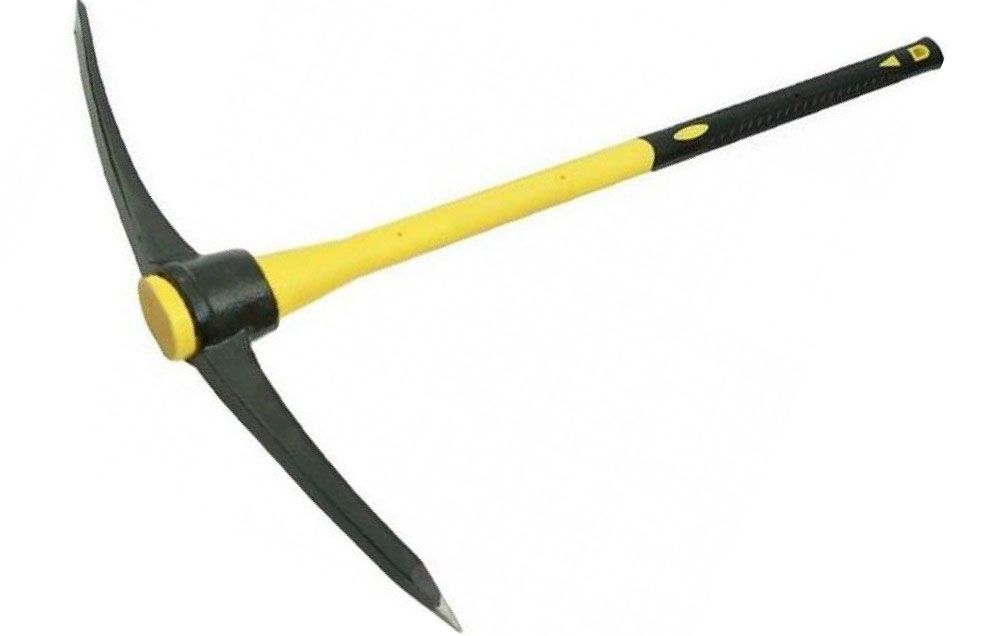
Mattocks concentrate force into a narrow edge, making them essential for breaking compacted or rocky ground.
Image source: amazon.com
Roots slow you down. Expose the root with your spade, then cut cleanly with a root saw. Brute force leads to tool damage and personal injury. For large roots, you may need a pruning saw or even a chainsaw—though for most garden tasks, a sharp root saw suffices.
Holes collapse during digging. Angle the walls slightly outward at the bottom—a process called battering—to improve stability. Work in lifts, removing soil in thin layers rather than excavating a deep hole all at once. For deeper holes, shoring boards may be necessary.
Top Picks for 2026
Rather than recommending specific brands—which change their offerings and quality year to year—focus on the characteristics that define a quality tool in 2026.
Best overall shovel: Look for a forged, heat-treated steel blade. This manufacturing process creates denser, stronger steel that holds an edge and resists bending. A solid ash handle with a comfortable grip and a wide step plate for a secure foothold.
Best spade: Prioritize a sharp, flat blade with a straight edge for clean cuts. A D-handle offers superior control and leverage for precise edging and trenching. Ensure the handle-to-blade connection is solid, with no play.
Best trowel: Stainless steel resists rust and cleans easily. Look for a comfortable, non-slip handle with a design that fits your grip. Depth markings are a valuable feature for consistent planting.
Best hoe: Choose the type that matches your primary task. For maintenance weeding, a stirrup or action hoe reduces effort significantly. For preparing planting beds, a sturdy draw hoe is more versatile.
Best for hard ground: A pick mattock with a sharp blade on one end and a pick on the other handles everything from clay to rocky soil. Look for a securely fitted head that will not loosen with use.

Modern digging tools combine ergonomic handles with advanced blade geometry to reduce fatigue and improve efficiency.
Image source: easydigging.com
For trenching work, a narrow trenching shovel or drain spade creates clean, straight-sided channels for irrigation lines or cables. These specialized tools remove minimal soil and keep walls intact. You can also review the available digging tools names with pictures to visually identify each type before purchase.
When choosing between an action hoe and a traditional garden hoe, consider your primary use case. The action hoe vs garden hoe debate largely comes down to whether you are weeding established beds or cultivating new ground.
Frequently Asked Questions
What is the minimum set of digging tools for a beginner?
Start with a round-point shovel, a garden spade, a hand trowel, and a hand fork. This four-tool kit handles the vast majority of garden tasks. Add a soil knife or hori-hori as your fifth tool for increased versatility.
How much should I spend on quality digging tools?
Budget-friendly tools work for light duty but often fail within a few seasons. Mid-range tools from reputable manufacturers offer the best value for most gardeners. Professional-grade tools cost more but deliver durability and performance for daily use.
How often should I sharpen my digging tools?
Light touch-ups every few uses maintain a working edge. Sharpen more thoroughly when cuts feel slow or leave ragged edges. A sharp tool is not only more efficient but also safer—it requires less force and is less likely to slip.
Can I use digging tools in frozen ground?
Frozen soil is extremely hard and can damage even quality tools. Wait for a thaw, or use a pickaxe or mattock to break the frost layer before switching to a shovel. Attempting to force a spade into frozen ground risks breaking the blade or handle.
What is the difference between a drain spade and a trenching shovel?
Both are narrow tools for digging deep, straight-sided holes. Drain spades are longer and slimmer, designed for reaching greater depths with minimal surface disruption. Trenching shovels are slightly wider with a more pronounced blade, suited for installing irrigation or utility lines.
Conclusion
The right digging hand tools transform difficult work into satisfying progress. They connect you to your garden in a way that power equipment cannot, offering precision, control, and a deeper understanding of your soil. Choose tools that match your soil type and primary tasks, invest in quality construction, and maintain them properly. A small, well-chosen kit will serve you for decades.
Begin with the core set—shovel, spade, trowel, and hand fork. Practice good technique to protect your body. Add specialized tools as your projects expand. The cost of quality tools is quickly justified by the comfort, efficiency, and longevity they provide.
Ready to upgrade your digging kit for the coming season? Start with one quality tool that addresses your biggest pain point, use it on your next project, and notice the difference a well-designed, properly maintained implement makes. Your back—and your garden—will thank you.