Tool To Dig Holes For Fence Posts: Top Picks 2026
The right tools are post hole diggers, manual augers, and powered earth augers.
If you plan a fence that lasts, you need the right tool to dig holes for fence posts. I have set hundreds of posts in clay, sand, and rock. In this guide, I break down the exact tools, methods, and tips I use on real jobs. You will learn what works, what fails, and how to save time and money while getting straight, sturdy posts.

What counts as a tool to dig holes for fence posts
A tool to dig holes for fence posts moves soil fast and keeps the hole clean and true. It can be manual or powered. It may cut, pry, scoop, or drill the ground. The best choice depends on soil, hole size, and how many holes you need.
Most homeowners start with a clamshell post hole digger. It is cheap, simple, and safe. A manual auger adds speed in soft soil. Power augers shine for long runs or hard ground. A digging bar is the best friend you did not know you needed. It breaks rock, roots, and hardpan so your main tool can work.
Before you pick a tool to dig holes for fence posts, check your soil and site limits. Tight spaces, slopes, and hidden roots change the plan. So do codes, frost depth, and the post size you plan to set.
Types of tools and how they work
Manual tools
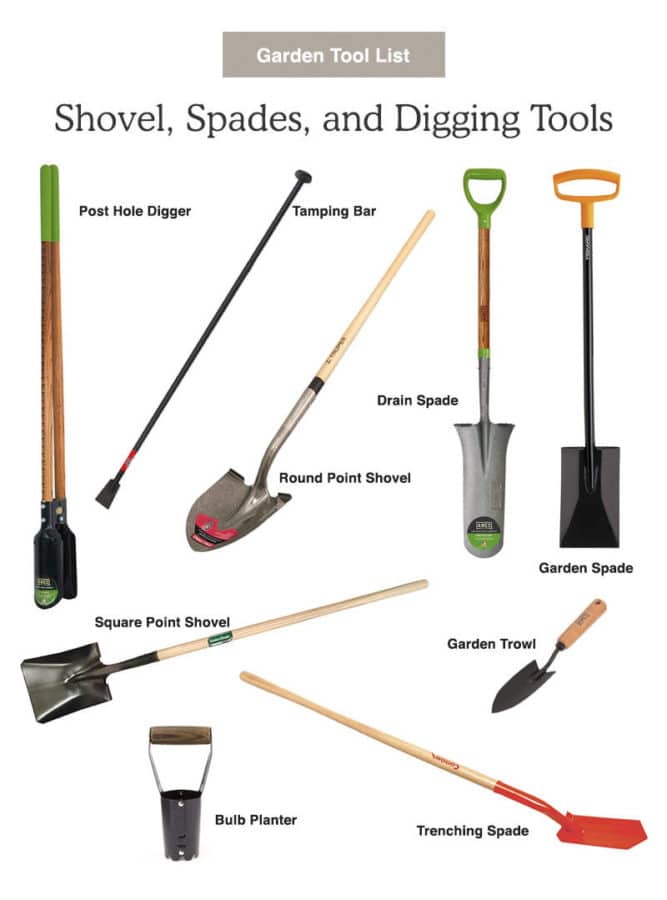
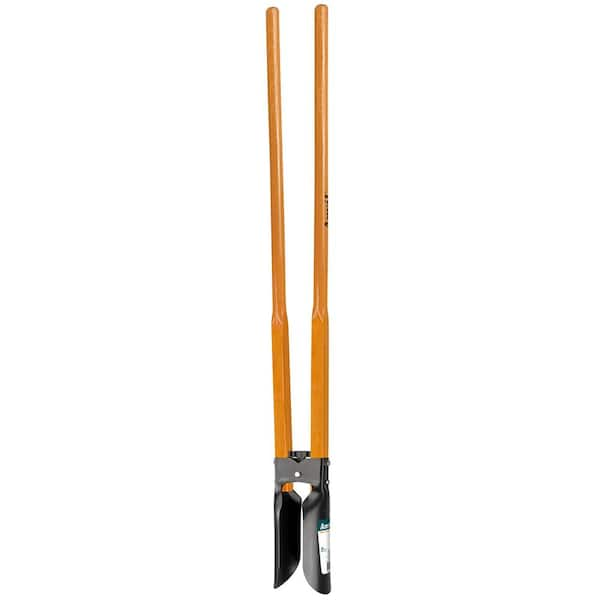
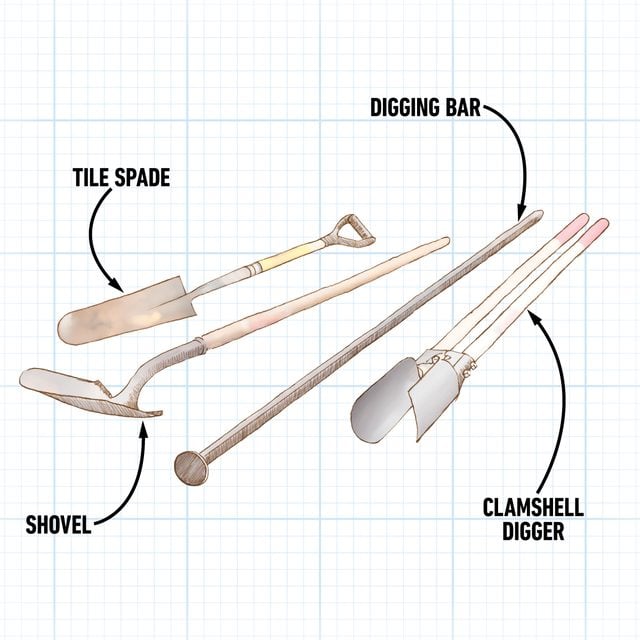
- Clamshell post hole digger. Two scoops on a pivot. Best for soft to medium soils. Cuts clean sides. Slow in rock or heavy clay.
- Manual earth auger. A helical bit with a T‑handle. Bites fast in loam and light clay. Struggles in big roots and stones.
- Digging bar. A long steel bar with a chisel end. Breaks rock, pries roots, and compacts gravel. It is slow but solves tough spots.
- Trenching or drain spade. Slim blade for shaping the hole, shaving walls, and cleaning the bottom.
Pros
- Low cost. Good control. Quiet. Safe near utilities.
Cons
- Hard on the body. Slow in dry clay or rocky soil. Not ideal for long lines.
Power tools
- One‑man gas or battery auger. 4–10 inch bits are common. Fast in most soils with some stones.
- Two‑man auger. More torque for 10–12 inch bits and tough ground. Needs teamwork and care to manage kickback.
- Skid steer or tractor with auger attachment. Best for many holes, large diameters, or severe soils. Needs access and skill.
Pros
- Fast and even hole sizes. Saves time on long runs.
Cons
- Torque kickback risk. Fuel or battery needs. Hard to use in tight spots. May pull up large rocks that stall the bit.
Specialty bits and add‑ons
- Rock auger or carbide teeth. Cuts hardpan and small stone better than standard blades.
- Extension shafts. Reach deeper holes or get past frost lines.
- Clean‑out spoon. Scoops loose soil from the hole bottom.
When I need a tool to dig holes for fence posts on a new build, I match the gear to the ground. In sandy loam, a one‑man auger flies. In shale or round river rock, I pair a two‑man auger with a digging bar and a clamshell to finish.

How to choose the right tool for your soil and site
Key factors
- Soil type. Sand, loam, clay, or rock mix.
- Hole count and size. Four holes or fifty? 4×4 or 6×6 posts?
- Access. Room to swing a handle or bring in a machine.
- Utilities. Gas, water, power, fiber. Call 811 before you dig in the U.S.
- Weather and frost depth. Deeper frost means deeper holes.
- Budget and time. Buy, rent, or hire.
Simple picks
- Soft loam, under 10 holes. Clamshell and manual auger.
- Medium clay, 10–20 holes. One‑man auger plus digging bar.
- Heavy clay or some rock, 20+ holes. Two‑man auger and bar, or hire a skid steer.
- Tight urban yard. Manual tools to avoid damage. Power auger only if you have safe clearance.
Size and depth rules of thumb
- Hole diameter. About 3 times the post width. A 4×4 often needs a 10–12 inch hole. A 6×6 often needs 12–16 inches.
- Hole depth. About one‑third of the post height above grade, and at or below local frost depth.
A well‑matched tool to dig holes for fence posts saves your back and your budget. Plan the size, count, and soil, then rent or buy with intent.
Step‑by‑step: digging perfect fence post holes
- Mark and protect
- Call 811 to mark utilities. Do not rely on guesswork.
- Stake your line. Pull a tight string. Mark hole centers with paint.
- Start the hole
- Use a digging bar to punch a pilot. This guides the auger or clamshell.
- Keep the tool vertical. Check with a small level often.
- Drill or scoop
- With an auger, cut in short bites. Clear the bit each pass. Do not force it.
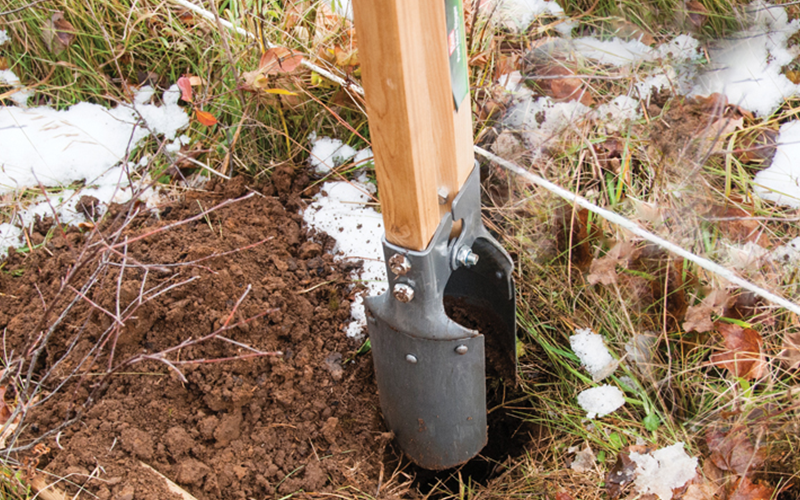
- With a clamshell, open wide, push down, close, and lift. Dump well away from the hole.
- Shape and depth
- Bell the bottom by a few inches in frost zones. This locks the post.
- Target depth per code. Below frost. Recheck with a tape and level.
- Deal with problems
- Roots. Slice with the bar or a pruning saw. Never force through.
- Rocks. Pry loose with the bar. In big stones, offset the hole, then square it as you go.
- Dry clay. Soak the hole area the night before. It makes a big difference.
- Loose sand. Sleeve the hole with a short section of Sonotube while you work.
- Base and set
- Add 4–6 inches of compacted gravel for drainage if you plan gravel set.
- If using concrete, mix to a stiff slump. Keep the post plumb. Crown the top to shed water.
Safety tips
- Wear boots, gloves, eye, and ear protection.
- Manage auger torque. Plant your feet. Let the clutch work. Stop if it binds.
A smart tool to dig holes for fence posts turns this into a steady rhythm. Do not rush. Straight, clean holes speed every step that follows.

Safety, ergonomics, and maintenance
Safety
- Torque control. Let the auger cut at its rate. Do not fight binds. Use the throttle as a dimmer, not an on/off.
- Kickback. Hold with both hands. Keep elbows bent. Do not lean over the bit.
- Stability. Clear spoil piles from your feet. Work on flat ground when you can.
- Environment. Watch for heat stress. Drink water. Take breaks.
Ergonomics
- Use your legs more than your back. Keep loads close.
- Swap tasks with a helper to reduce fatigue.
- Use longer handles if you are tall to avoid hunching.
Maintenance
- Sharpen auger blades and clamshell edges. Dull metal steals time.
- Lube clamshell pivots. Check fasteners before each day.
- For gas augers, use the right mix and fresh fuel. For battery augers, keep packs warm and charged.
- Rinse off soil. Dry tools. Light oil to prevent rust. Store bits with guards.
Treat your tool to dig holes for fence posts like a precision device. It will pay you back with clean holes and fewer headaches.

Real‑world lessons and common mistakes
What I learned the hard way
- Clay can feel like concrete when dry. I now pre‑soak the line the night before. A few gallons per hole helps.
- River rock stops standard bits. I switch to a rock point or use a bar, then finish with a clamshell.
- Sand sloughs fast. I use short Sonotube sleeves to hold the walls while I set the post.
Mistakes to avoid
- Skipping the utility locate. A cheap tool to dig holes for fence posts becomes costly near a gas line.
- Too small a hole. You need room for plumb adjustment and backfill or concrete.
- Wrong depth. Posts heave if not below frost. Deeper is safer than shallow.
- Crooked layout. Set a tight string and check every hole with a level.
- Over‑wet concrete. Soupy mixes shrink and weaken the base.
Fixes on the fly
- Hole off‑center. Shave the side you need with a spade. Do not widen all around.
- Post leans after set. Brace it at four points. Adjust before the mix cures.
- Water in the hole. Pump it out. Add gravel. Use fast‑set mix only if needed.
These simple moves turn a hard day into a clean build. Pick the right tool to dig holes for fence posts, prepare the site, and the rest flows.
Budget breakdown: buy, rent, or hire
Typical costs
- Clamshell post hole digger. 30–60 dollars to buy.
- Manual auger. 40–100 dollars to buy.
- One‑man power auger. 60–120 dollars per day to rent.
- Two‑man auger. 90–180 dollars per day to rent.
- Skid steer with auger. 250–450 dollars per day, plus delivery.
- Bits and extensions. 15–40 dollars per day to rent extra.
Materials
- Gravel base. 1–2 bags per hole.
- Concrete. A 10–12 inch by 30 inch hole may take 2–3 60‑lb bags. Larger or deeper holes need more.
When to buy
- You have soft to medium soil and plan many projects.
- You want a tool to dig holes for fence posts at your own pace.
When to rent
- One‑time build. Hard soil. Many holes in one push.
When to hire
- Deep frost, rock, or tight deadlines.
- Limited access where a pro can bring the right machine and team.
Think total cost: rental, fuel, time, and your back. The right tool to dig holes for fence posts often saves a full day and avoids redo work.

Frequently Asked Questions of tool to dig holes for fence posts
What is the best tool to dig holes for fence posts in rocky soil?
Use a two‑man auger with a rock bit plus a digging bar. Break rock, clear the hole with a clamshell, and proceed in short passes.
How deep should fence post holes be?
Aim for at least one‑third the post height above grade and below frost depth. Many residential fences need 24–36 inches, but codes vary.
What size auger do I need for 4×4 and 6×6 posts?
For 4×4 posts, a 10–12 inch auger gives room to plumb. For 6×6 posts, a 12–16 inch auger is common.
Can a battery earth auger handle a full fence line?
Yes, in soft to medium soils with extra batteries on hand. In hard clay or rock, switch to gas or mix with manual tools.
Should I set posts with concrete or gravel?
Concrete gives strong, stable bases, especially for gates and high wind. Gravel drains well and works in frost areas if well compacted.
How do I stop sandy holes from collapsing?
Use a Sonotube sleeve as a temporary liner while digging and setting. Work fast and keep foot traffic away from the edge.
Is wetting the ground before digging a good idea?
In dry clay, yes. A soak the night before softens the cut and speeds work. Avoid making mud that smears and weakens walls.
Conclusion
A sturdy fence starts with clean, true holes. Match your soil and job size to the right tool, plan your layout, and work with care. The right tool to dig holes for fence posts will save time, reduce strain, and raise build quality.
You have what you need to choose, dig, and set posts like a pro. Walk your fence line, pick your tools, and mark that first hole today. Want more hands‑on tips? Subscribe, share your project notes, or ask a question in the comments.