Beginner To Advanced Gardening Path: Step-By-Step Guide
The beginner to advanced gardening path is a clear, staged plan for steady growth.
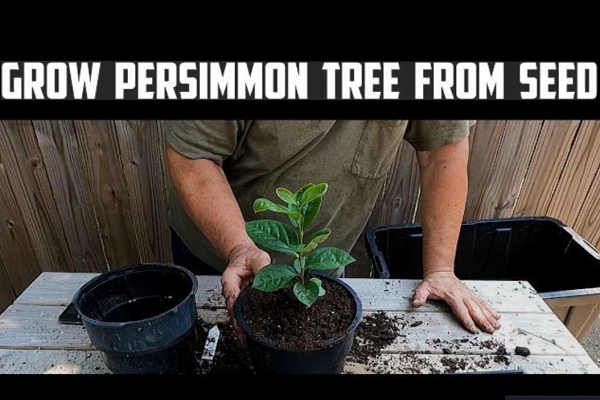
You want a garden that feeds you and looks great. I have helped beginners grow into confident growers using a simple path that works in any climate. In this guide, I break down the beginner to advanced gardening path into steps you can follow this season. You will see what to do, when to do it, and how to fix common issues before they spread. Read on to turn small wins into a robust, year-round system.
The roadmap: what the beginner to advanced gardening path looks like
Think of your garden journey as three stages. First, you learn the basics and get quick wins. Next, you build repeatable skills and better systems. Then, you refine, scale, and master details. The beginner to advanced gardening path gives you a steady way to move from trial and error to smart, low-stress success.
What you learn in each stage stacks. You move from site and soil to timing, pruning, and irrigation. Then you add season extension, cover crops, and design. The beginner to advanced gardening path keeps you focused on skills that matter most.
Key outcomes you can expect:
- A clear plan tied to your frost dates and zone
- Healthy soil that needs less work over time
- Lower water use with higher yields
- Calm pest control through prevention first
- A garden that fits your time and budget
Stage 1: foundations for new gardeners
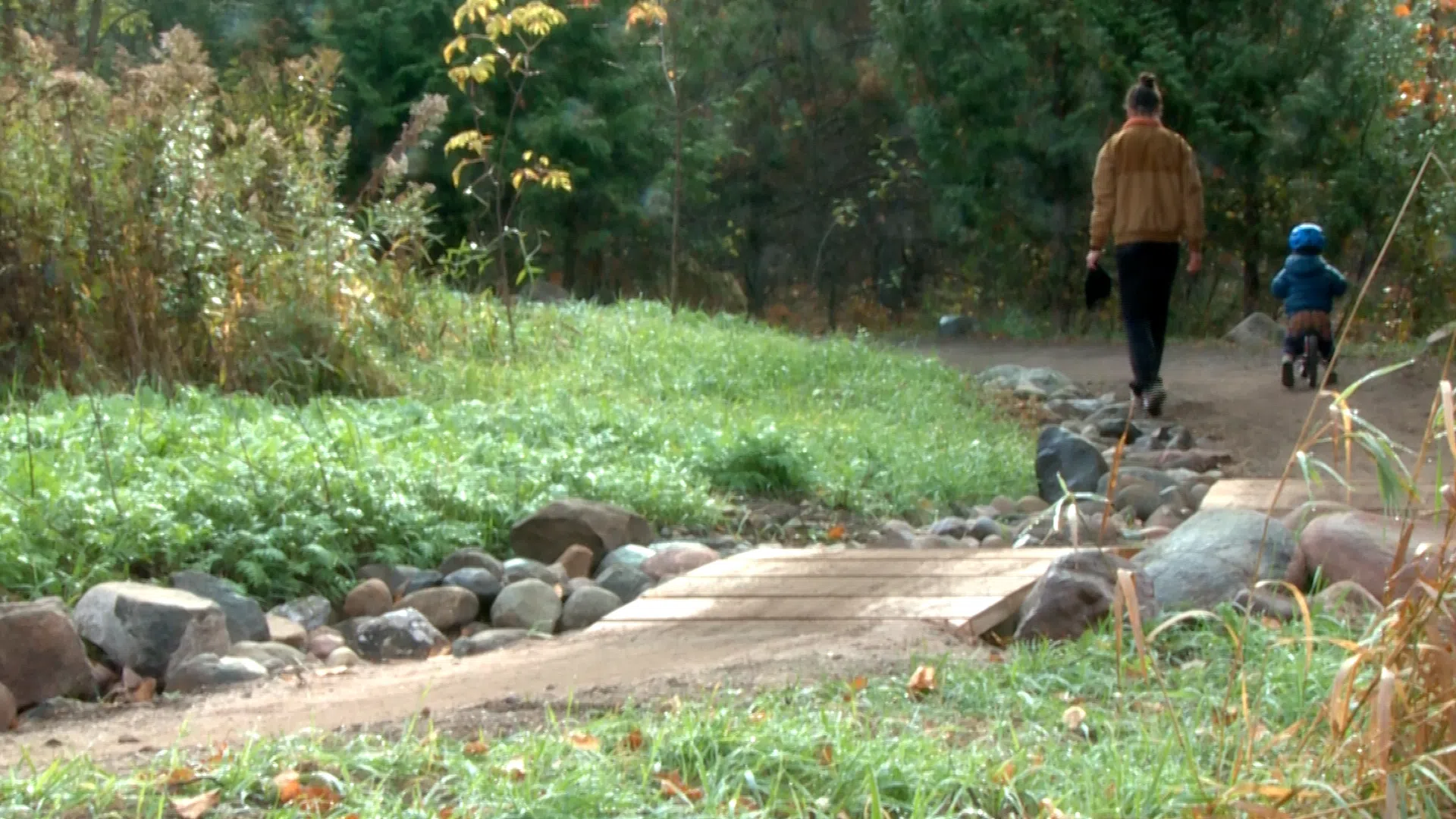
Start small. A few beds or five large pots are enough. The beginner to advanced gardening path starts with strong basics and early wins.
Focus on five skills:
- Choose your site. Aim for 6–8 hours of sun and good drainage. Watch shade at different times of day.
- Prep simple soil. Use a bagged raised bed mix or a compost-rich blend. Do a quick squeeze test to check texture.
- Plant easy crops. Try lettuce, radish, green beans, cherry tomatoes, basil, and marigolds for pollinators.
- Water well. Water at the base, in the morning, and keep the soil like a wrung-out sponge.
- Mulch. Add 2 inches of straw, leaves, or wood chips to hold water and block weeds.
Common mistakes to avoid:
- Planting too many crops at once
- Overwatering every day “just in case”
- Ignoring spacing and airflow
Personal tip: my first season, I logged 10 minutes a day. I checked moisture with my finger, pinched off yellow leaves, and pulled small weeds fast. That habit did more for my garden than any fancy tool.

Stage 2: skills for steady growers
In stage 2, you add structure. You still grow your favorites, but you plan timing and space better. The beginner to advanced gardening path here focuses on repeatable systems.
Build these skills:
- Succession planting. Sow small batches every 2–3 weeks for steady harvests.
- Crop rotation. Move plant families yearly to cut pest and disease pressure.
- Seed starting. Use clean trays, a gentle fan, and bright light to raise strong starts.
- Mulch and compost upgrades. Top-dress beds with compost each season and keep mulch fresh.
- Simple drip irrigation. A timer and drip lines save hours and reduce leaf disease.
- Pruning basics. Learn a few clean cuts for tomatoes, berries, and herbs.
- Weekly scouting. Flip leaves, spot pests early, and act before they spread.
A check-in rhythm helps:
- Mondays: water check and quick tidy
- Wednesdays: harvest and prune
- Saturdays: plant or replant successions
Stage 3: advanced techniques and systems
Now you refine and scale. You aim for stable yields, lower inputs, and less waste. The beginner to advanced gardening path at this level blends data with craft.
Add high-impact steps:
- Soil tests. Check pH and nutrients. Adjust with compost, lime, or sulfur only as needed.
- Cover crops. Use clover, rye, or buckwheat to add roots, biomass, and life to your beds.
- Biointensive spacing. Tighten spacing only when soil is rich and airflow is sound.
- Season extension. Use row covers, low tunnels, or a small hoop house to add weeks to your season.
- Fertigation. Feed through drip lines in small, steady doses, based on plant stage.
- Advanced IPM. Set action thresholds. Use oils, soaps, Bt, or beneficial insects on time and only when needed.
- Perennial layers. Add berries, herbs, and pollinator strips for resilience.
Keep a test-and-learn mindset. Run small trials. For example, try two tomato trellis styles side by side. Measure yield and time spent. Let data guide, not hype.

Design, planning, and seasonal strategy
Good plans save time. Map your beds, sun, wind, and paths. Note your first and last frost dates. The beginner to advanced gardening path works best with a simple, clear calendar.
Do this each season:
- Set crop goals, then work backward from harvest dates
- Stagger sowing for lettuce, carrots, and beans
- Reserve space for late crops and fall garlic
- Group crops by water needs to simplify irrigation
A simple four-bed rotation works well:
- Bed 1: legumes
- Bed 2: leafy greens
- Bed 3: fruiting crops
- Bed 4: roots
Swap each year to break pest cycles.

Soil science, simplified
Soil is the engine. Texture is sand, silt, and clay. Structure is how crumbs hold air and water. Organic matter feeds microbes and helps roots breathe. The beginner to advanced gardening path treats soil like a living partner.
Fast checks you can do:
- Jar test. Shake soil with water, let layers settle, see your texture mix.
- Squeeze test. Soil should hold shape, then crumble with a tap.
- pH strip. Most veggies like 6.0 to 7.0.
Easy fixes:
- Add compost to boost structure and life
- Mulch to protect the surface and feed soil
- Use slow, steady feeds instead of heavy dumps
When in doubt, do less, not more. Let roots, compost, and time do the heavy lifting.

Water, irrigation, and climate-smart care
Plants need steady moisture, not constant soaking. Water deep and less often. Drip is best. Mulch cuts loss and keeps soil cool. The beginner to advanced gardening path builds water habits that hold up in heat or wind.
Try these steps:
- Check soil 2 inches down before watering
- Water at dawn to reduce loss and disease
– Group thirsty crops together - Add shade cloth in heat waves to protect young plants
If you catch drought stress, water deeply, then mulch. For heavy rain, improve drainage and raise beds. Consider rain barrels if local rules allow it.

Pests, diseases, and IPM
Integrated Pest Management (IPM) starts with prevention. Healthy soil, clean tools, and good airflow stop many problems. The beginner to advanced gardening path trains your eye to spot shifts fast.
Core moves:
- Scout weekly and log what you see
- Remove sick leaves early
- Use row covers for known pests
- Encourage allies like lady beetles and lacewings
- Apply soaps or oils in the cool hours
- Rotate crops and avoid overfertilizing
Treat causes, not just symptoms. Too much nitrogen invites aphids. Wet leaves invite mildew. Fix the root issue first.
Tools and gear by stage
You do not need every tool. Buy for the job, not the shelf. The beginner to advanced gardening path keeps gear lean and cared for.
Stage 1 basics:
- Hand trowel, pruners, gloves
- Watering wand, mulch, compost fork
Stage 2 upgrades:
- Stirrup hoe, rake, wheelbarrow
- Seed-starting trays, shop light, small fan
- Drip kit with a timer
Stage 3 add-ons:
- Soil test kit or lab tests
- Row cover, hoops, shade cloth
- High-quality trellis and stakes
Keep blades sharp and tools clean. A clean cut heals fast and limits disease spread.
Budget, time, and yield planning
Plan your spend and time as you plan crops. Be honest about your week. The beginner to advanced gardening path scales with your life, not against it.
- Stage 1: 1–2 hours a week, small spend on soil and starts
- Stage 2: 2–4 hours a week, add drip and seed-start gear
- Stage 3: 3–6 hours a week, spend on covers or a small tunnel
Typical yields vary by crop, light, and soil. Expect steady gains as soil improves. Track costs and harvest weight to see your real return.
Common mistakes and how to fix them
We all make mistakes. The key is a fast, calm fix. The beginner to advanced gardening path builds that habit.
Watch for these:
- Overwatering. Let the top inch dry between drinks.
- Crowding. Give plants room. Airflow prevents disease.
- Planting too early. Use frost dates and covers.
- Skipping succession. Replant little and often.
- Panic sprays. Confirm the pest, choose the least harmful fix.
A quick story: my cucumbers once got mildew in a week of humid heat. I cut off the worst leaves, improved airflow, and switched to morning water. A week later, new growth was clean.
A year in my garden: a real beginner to advanced gardening path case study
Year one, I grew in two small beds. I tracked sun and learned to mulch. My main win was weekly harvests of lettuce and basil. The beginner to advanced gardening path began with those simple habits.
Year two, I added drip lines and seed starting. I planned successions and rotated beds. I saw fewer pests and more yield. The garden felt calm.
Year three, I tested row covers and a fall garlic bed. I ran small trials on tomato trellis styles. The beginner to advanced gardening path paid off with more food and less stress. I now grow more with less water and waste, and I still make space to try one new idea each season.
Metrics, journaling, and continuous learning
What gets measured gets better. Keep a simple garden journal. Note sowing dates, weather shifts, pests, and harvests. The beginner to advanced gardening path uses light data to guide smart moves.
Easy tracking ideas:
- Take weekly photos from the same spot
- Log first flowers and first harvest dates
- Mark what you would change next time
Grow your network too. Join a local garden club or extension workshop. Share your wins and misses. You will learn faster together.
Frequently Asked Questions of beginner to advanced gardening path
How long does it take to move from beginner to advanced?
Most gardeners see big gains in two to three seasons. With steady practice, you can master core systems in about five.
What is the smallest space to start this path?
A patio with five large pots works. Focus on sun, water, and a simple crop plan.
Do I need a soil test at the start?
It helps but is not required. Build with compost first, then test in season two for fine-tuning.
How do I handle pests without harsh chemicals?
Start with prevention, scouting, and covers. Use soaps, oils, or targeted products only when needed.
What crops are best for steady success?
Leafy greens, beans, cherry tomatoes, herbs, and bush cucumbers are reliable. Add roots like radish and carrots once your soil is loose.
How much should I budget in year one?
Plan a modest spend for soil, mulch, and a few tools. You can add drip or lights in year two.
Can I follow this path in a hot or dry climate?
Yes. Use mulch, drip, morning water, and shade cloth in heat waves. Choose heat-tolerant varieties.
Conclusion
You now have a clear map to grow with confidence. Start small, build habits, and layer systems as you learn. The beginner to advanced gardening path turns guesswork into a simple, steady practice that fits your life. Pick one upgrade from this guide and put it in place this week. Then, come back, review your notes, and choose the next step. Ready to grow more with less stress? Subscribe for seasonal checklists, or leave a comment with your next gardening goal.