Matic Digging Tool: Ultimate Guide, Uses, And Buying Tips
Some tools earn their place in the shed through sheer versatility. The matic digging tool—often called a mattock or grub hoe—is one of them. It breaks compacted ground, slices through roots, and carves clean trenches with a single swing. If you've ever fought with a shovel against hardpan clay or spent an afternoon hacking at stubborn tree roots, this is the tool that makes that work dramatically easier.
In this guide, I'll walk through what makes a matic digging tool different from other digging implements, how to choose the right one, and the techniques that separate efficient digging from wasted effort. Whether you're planting trees, running irrigation lines, or clearing a garden bed, you'll finish with the knowledge to get the job done properly. You can also read our guide on is troy bilt better than toro.
What Is a Matic Digging Tool?
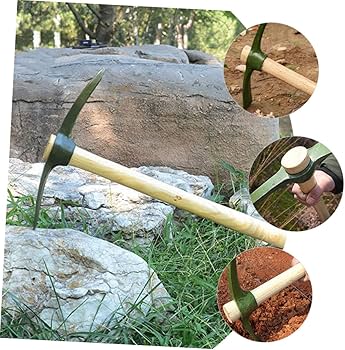
A matic digging tool is a two-headed hand tool designed for breaking, cutting, and shaping soil. The head typically features a wide adze blade on one side for slicing through dirt and a narrower pick or cutter blade on the opposite side for penetrating hard ground and roots.
The design is straightforward but effective. The adze blade works horizontally, letting you plane soil and level trench bottoms. The pick or cutter blade works vertically, delivering concentrated force to crack dense material. This dual functionality means you rarely need to switch tools mid-project. You can also read our guide on how to make mulch with leaves.
Regional names vary. What some regions call a matic digging tool, others know simply as a mattock, grub axe, or cutter mattock. The core design remains consistent: two opposing blades on a single head, mounted to a sturdy handle.
Common Head Styles
- Pick mattock: Pairs a narrow pick point with a wide adze blade. Best for rocky, compacted, or frozen soil where penetrating power matters most.
- Cutter mattock: Combines a chisel-like cutter blade with the adze. Excels at slicing through roots and shaping clean edges.
- Hybrid designs: Some modern versions include both a pick and a cutter, offering maximum flexibility at the cost of added weight.
Matic Digging Tool vs Shovel, Pickaxe, and Hoe
Each digging tool has a specific sweet spot. Understanding where the matic digging tool fits helps you use it—and your other tools—more effectively.
| Task | Shovel | Pickaxe | Garden Hoe | Matic Digging Tool |
|---|---|---|---|---|
| Moving loose soil | Excellent | Poor | Good | Fair |
| Breaking hardpan | Poor | Excellent | Poor | Very good |
| Cutting roots | Poor | Fair | Poor | Excellent |
| Shaping trenches | Fair | Poor | Good | Excellent |
| Precision work | Poor | Poor | Good | Good |
A shovel lifts and moves loose material better than anything else, but it struggles when the ground is rock-hard. A pickaxe delivers massive breaking power but leaves rough, uneven surfaces. A garden hoe shapes soil well but lacks the weight for serious excavation.
The matic digging tool sits between these extremes. It breaks ground effectively, slices roots cleanly, and shapes trenches with the flat adze blade. For jobs like installing a drip line, planting balled trees, or clearing root-bound beds, it's often the only tool you need.
My practical recommendation: Match the tool to the task. Use the matic digging tool for initial breaking and shaping, then switch to a transfer shovel for moving the loose spoil. This combination is noticeably faster than either tool alone.
Parts, Sizes, and Materials
Understanding the components helps you evaluate quality and make an informed purchase.
The Head
The head is the business end. Quality heads are drop-forged from medium-carbon steel, which balances edge retention with durability. Cheaper heads are often cast iron—they work, but they're more brittle and dull faster.
Look for a head that's forged as a single piece. The blade edges should be even, and the eye (where the handle fits) should be clean and properly aligned.
The Handle
- Hickory: The traditional choice. Strong, flexible, and comfortable. Requires periodic oiling to prevent drying and cracking.
- Ash: Similar to hickory but slightly lighter. Good shock absorption.
- Fiberglass: Weather-resistant and nearly unbreakable. Often features a cushioned grip. Transfers more vibration to your hands.
- Steel or composite: Rare at this tool grade but available in heavy-duty professional models.
Weight and Length Considerations
- Light (3 lb head): Best for overhead work, tight spaces, and users who prefer maneuverability over raw power.
- Medium (4 lb head): The all-around choice. Balances swing power with control.
- Heavy (5+ lb head): For serious breaking work in rocky or heavily compacted soil. More tiring over long sessions.
Handle lengths typically range from 28 to 36 inches. Shorter handles suit raised beds and confined areas. Longer handles deliver more swing speed and power for open-ground work. Choose based on your primary use case and body size.
How to Use a Matic Digging Tool: Proven Techniques
Proper technique transforms the matic digging tool from a brute-force instrument into a precise digging implement. Here's the approach that works reliably across different soil conditions.
Basic Swing Mechanics
Start with a stable stance—feet shoulder-width apart, knees slightly bent. Grip the handle with one hand near the head and the other at the end. The lower hand guides, the upper hand powers.
Swing from the hips and shoulders, not just the arms. Let the tool's weight do the work. The adze blade should enter the soil at a shallow angle, roughly 30 to 45 degrees. This allows it to slice and plane rather than bury itself deep.
Common mistake: Swinging straight down. This buries the blade and wastes energy. A shallow angle is the key to efficient cutting.
The Layering Method
For clean trenches, work in thin layers rather than trying to remove everything at once.
- Score the outline: Use the adze edge to mark both sides of your trench.
- Loosen shallow layers: Remove 1–2 inches of soil per pass.
- Break up hard spots: Flip to the pick side when you hit clay veins or rocks.
- Plane the bottom: Use the adze to smooth the trench floor level.
This rhythmic approach keeps the tool moving efficiently and produces a cleaner result than aggressive single cuts.
Soil-Specific Adjustments
- Clay: Work when the soil is moist but not saturated. Wet clay sticks; dry clay is brutal.
- Sandy soil: Use short, quick chops. The blade cuts cleanly without needing deep penetration.
- Root-heavy ground: Choke up on the handle for more precise control. Make slicing motions rather than full swings.
Safety Essentials
- Leather gloves and sturdy boots are non-negotiable.
- Wear safety glasses—small chips and debris fly farther than you expect.
- Keep everyone clear of your swing arc.
- Check the head is tight on the handle before each use.
Maintenance and Care
A matic digging tool is designed to last for decades, but only with basic upkeep.
Sharpening
Keep a clean bevel on both blades using a flat file. Work in one direction, maintaining a consistent angle—generally 25 to 30 degrees. You're not aiming for a razor edge; a working edge that bites cleanly is sufficient. A dull blade bounces off soil instead of cutting it, making every swing harder than it needs to be.
Rust Prevention
Wipe the head with a light machine oil after each use, especially if you've been working in wet conditions or storing the tool in a humid environment. A thin coat prevents rust without attracting excessive dirt.
Handle Care
- Wood handles: Rub with boiled linseed oil two or three times per year. This prevents drying, cracking, and splintering.
- Fiberglass handles: Simply wipe clean. Inspect for stress fractures near the head periodically.
- Check the wedge: The wedge that secures the head should be tight. Replace it if loose.
When to Replace
Replace the handle immediately if it cracks, splits, or shows significant wear near the head. A compromised handle is dangerous—the head can fly off mid-swing. Replacement handles are widely available and sized for standard heads.
For the right sharpening supplies and techniques, a quality tool sharpening setup keeps your blades working efficiently all season.
Buying Guide: Choosing the Right Matic Digging Tool
The best matic digging tool depends on your primary work, physical build, and budget. Here's how to narrow down the options.
Match the Tool to the Task
- Rocky or compacted soil: Choose a pick mattock. The pick point concentrates force for breaking.
- Root-laden beds and trench shaping: Choose a cutter mattock. The cutter edge slices through organic material cleanly.
- Mixed use: A midweight pick mattock (4 lb head, 36-inch handle) offers the best all-around flexibility.
Quality Indicators
- Forged, one-piece head: Resists chipping and keeps edges longer than cast alternatives.
- Head-to-handle fit: There should be no visible gap between the head and handle. A tight fit prevents wobble and keeps strikes accurate.
- Edge symmetry: The bevel should be even across the full blade width.
- Complete warranty: A multi-year guarantee signals manufacturer confidence in durability.
Handle Selection by Use Case
- Tight spaces and raised beds: 28–32-inch handle
- Open ground and general work: 36-inch handle
- Tall users or maximum swing power: 38–40-inch handle
What to Expect to Pay
Entry-level units start around $30–40. Mid-range tools with better steel and handles run $50–70. Professional-grade forged heads with premium handles can reach $80–100. In most cases, the mid-range option offers the best value—full forging quality and durable handles without the professional markup.
Real-World Applications and Field Tips
Understanding what this tool handles well—and where it falls short—prevents frustration on the job.
Setting Drip Irrigation Lines
For a 50-foot drip line trench, score both edges first, then remove the center in layers. The flat adze blade planes the bottom level, so tubing lays flat and consistent. A level trench means fewer pressure irregularities and guaranteed even water distribution.
Planting Trees and Shrubs
Break the soil circle with the pick side to loosen compacted earth, then slice through encircling roots with the cutter edge. For balled-and-burlapped trees, the adze shapes the hole walls cleanly, promoting healthy root establishment.
Clearing Established Garden Beds
When converting a lawn area to garden, the matic digging tool excels at severing dense grass roots. Work in parallel rows, slicing 1–2 inches deep, then flip and strip the sod. A soil health improvement routine following the initial dig builds long-term fertility.
What Not to Use It For
- Moving significant volumes of loose soil (grab a shovel)
- Precision edging against hardscape (a spade is better)
- Working in extremely compacted clay for extended periods (power equipment may be more sensible)
Ergonomics and Body Mechanics
Long digging sessions take a toll if you're not careful. Here's how to work smarter.
Proper Stance and Grip
Keep your back straight and bend from the hips and knees. Use a wide stance for stability. Grip the handle firmly but not tightly—a death grip wastes energy and creates fatigue. Position your guide hand a third of the way down the handle for control.
Pacing Yourself
Take short breaks every 20–30 minutes of continuous digging. Stretch your back and shoulders during these breaks. Alternating between the matic digging tool and a shovel provides natural rest by shifting which muscles are doing the work.
When to Stop
If you feel sharp back pain, stop and reassess. Analyzing your technique and adjusting your stance is more productive than pushing through discomfort and risking injury.
Frequently Asked Questions
What is a matic digging tool used for?
A matic digging tool breaks hard soil, cuts roots, and shapes trenches. It combines the digging power of a pick with the control of a hoe, making it ideal for planting, irrigation, and garden bed preparation.
Is a matic digging tool the same as a mattock?
Yes. The term "matic digging tool" typically refers to a mattock or grub hoe style tool. The names vary by region, but the design and function are essentially identical.
What size matic digging tool should I buy?
Most users are best served by a 4-pound head with a 36-inch handle. Lighter users or those working in confined spaces often prefer a 3-pound head. For maximum breaking power, a 5-pound head works well on open ground.
How do I sharpen a matic digging tool?
Use a flat file to refresh the bevel on both blades. File in one direction, maintaining a consistent angle of 25–30 degrees. A clean working edge—not a razor edge—is the goal.
Can a matic digging tool replace a shovel?
No. The matic digging tool breaks and shapes soil far better than a shovel, but it moves loose material slowly. For maximum speed and efficiency, use both: break and shape with the mattock, then scoop and toss with a shovel.
Should I choose a fiberglass or wood handle?
Fiberglass resists weather, won't rot, and holds the head tighter in most cases. Wood offers natural flex and feels warmer in hand. Consider your storage conditions—a damp shed favors fiberglass, while a dry garage is fine for wood.
How do I keep the head from working loose?
Check the steel wedge regularly and tap it tight as needed. Store the tool indoors, away from extreme humidity. Avoid prying with long leverage near the eye—pry close to the head instead.
Conclusion
The matic digging tool is a quietly brilliant piece of equipment. It breaks ground, cuts roots, and shapes trenches with an efficiency that shovels and picks can't match. With a quality forged head, the correct weight and handle length, and basic maintenance, it will serve you faithfully for decades.
Start with a 4-pound pick mattock and 36-inch handle if you're unsure. Practice the layering technique on a simple trench. Sharpen the blades before they feel dull and inspect the head regularly. That modest investment of attention will pay you back in faster work, cleaner results, and far less strain.
If you're also working on broader garden improvements, the right digging approach for your soil type makes every other task easier. A good matic digging tool belongs in every serious gardener and landscaper's arsenal.