How To Do A Spring Yard Clean Up: 2026 Checklist & Tips
Rake debris, prune dead growth, edge beds, refresh mulch, aerate, fertilize, and seed.
If you want real results, learn how to do a spring yard clean up the right way. I’ve managed dozens of seasonal cleanups for clients and my own property. In this guide, I walk you through a proven plan, simple tools, and pro tips. You will learn the steps, the timing, and what to avoid, so your yard looks sharp and grows strong all season.
How to do a spring yard clean up: plan first, then act
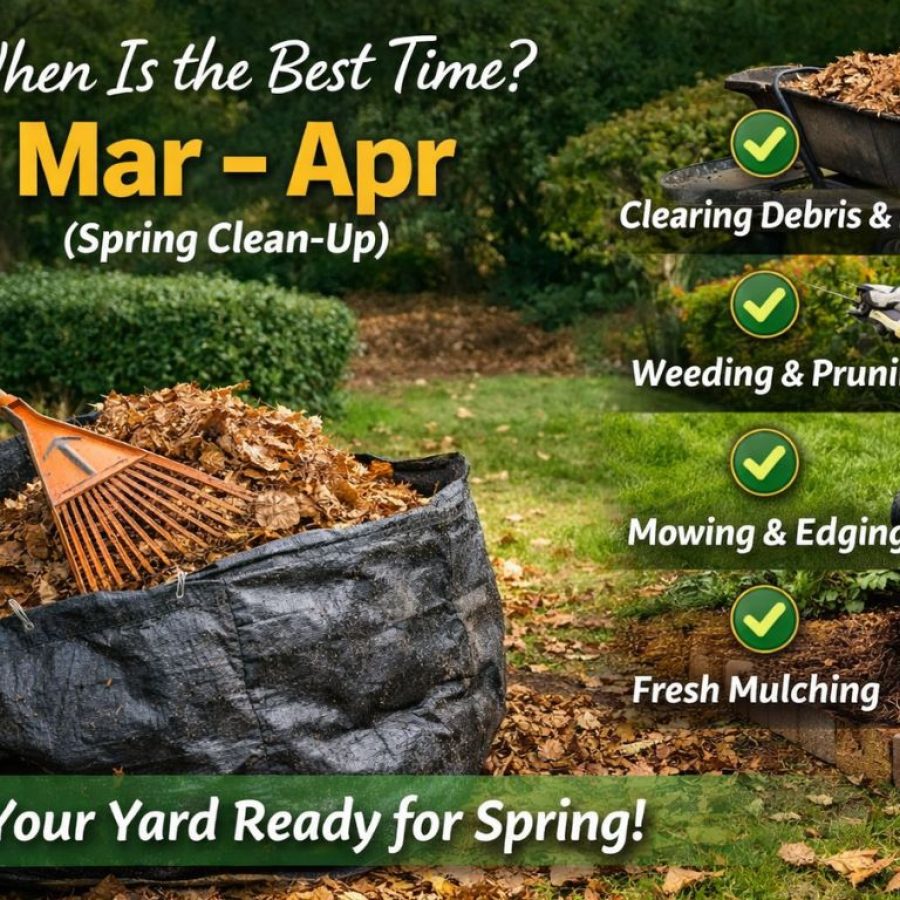
Start when the soil is no longer soggy. Working wet ground causes compaction. Aim for a stretch of mild, dry days. Daytime highs near 50–60°F are ideal.
Wear gloves, eye protection, and sturdy shoes. Bring water. Take a slow lap and note hazards, like hanging limbs or loose stones. Mark problem areas with flags so you do not miss them later.
If bees overwinter in leaf litter, wait until you have several warm days in a row. This helps wake pollinators before you clear deep layers. That small pause protects spring life in your yard.
I learned to plan after one rushed cleanup. We raked too soon and left ruts in the lawn. A simple delay saved us weeks of repair. That’s why timing is the first step in how to do a spring yard clean up.
Tools and supplies checklist that save time
Gather your tools in one place before you start. A tidy setup speeds the day.
- Leaf rake, lawn rake, and a garden fork
- Hand pruners, loppers, pruning saw, and a pole pruner
- Wheelbarrow, tarp, paper lawn bags, and a shovel
- String trimmer, manual edger, and a leaf blower
- Lawn mower with a sharp blade
- Dethatching rake or power dethatcher
- Core aerator or rental access
- Broadcast spreader for seed and fertilizer
- Soil test kit and pH kit
- Compost bin or tumbler
- Mulch, compost, topsoil, and grass seed
- Pre-emergent and slow-release fertilizer, as needed
- Hose, sprinkler, and a pressure washer
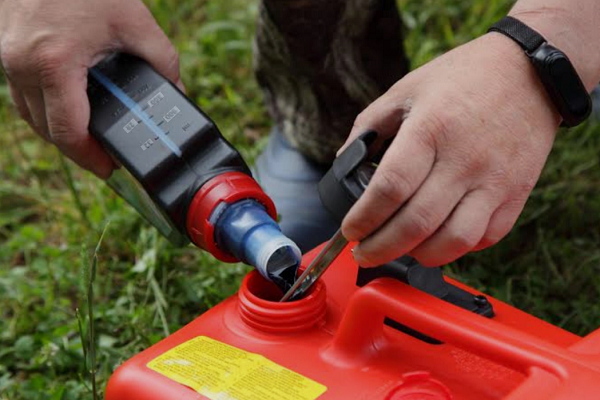
Check fuel and cords. Clean blades with alcohol to prevent disease spread. This small step matters in how to do a spring yard clean up with care.

Step-by-step spring yard cleanup you can finish in a weekend
Follow this order to limit backtracking and keep energy high.
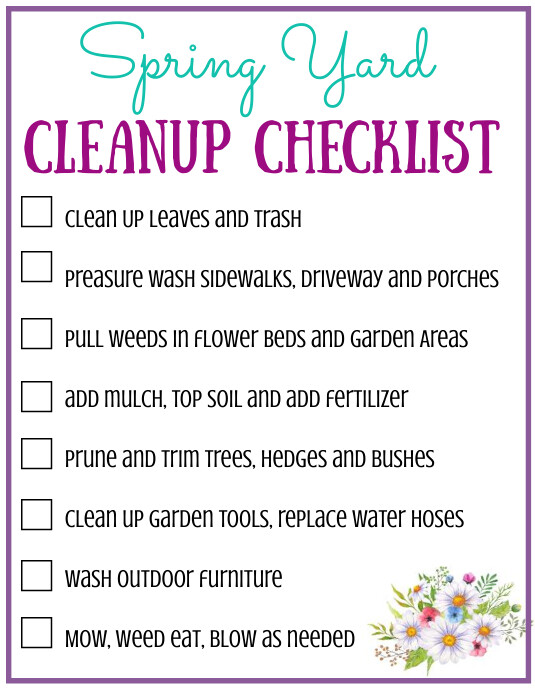
- Walk the property. Note wind damage, pooling water, and downed limbs.
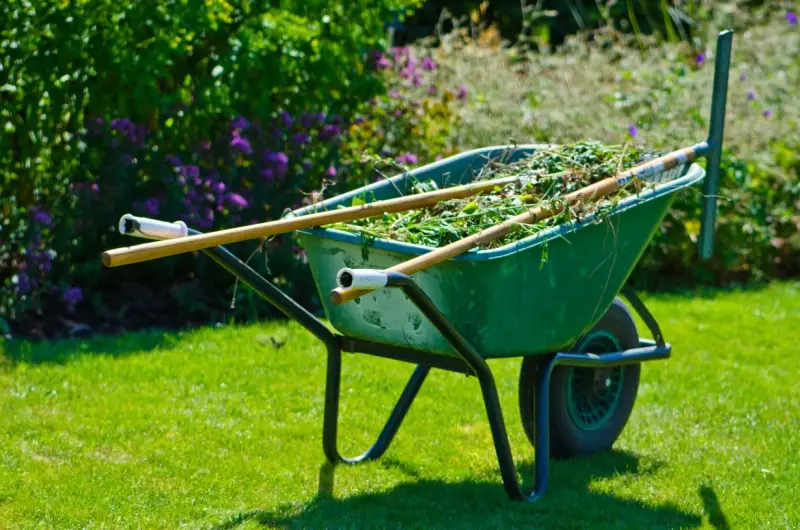
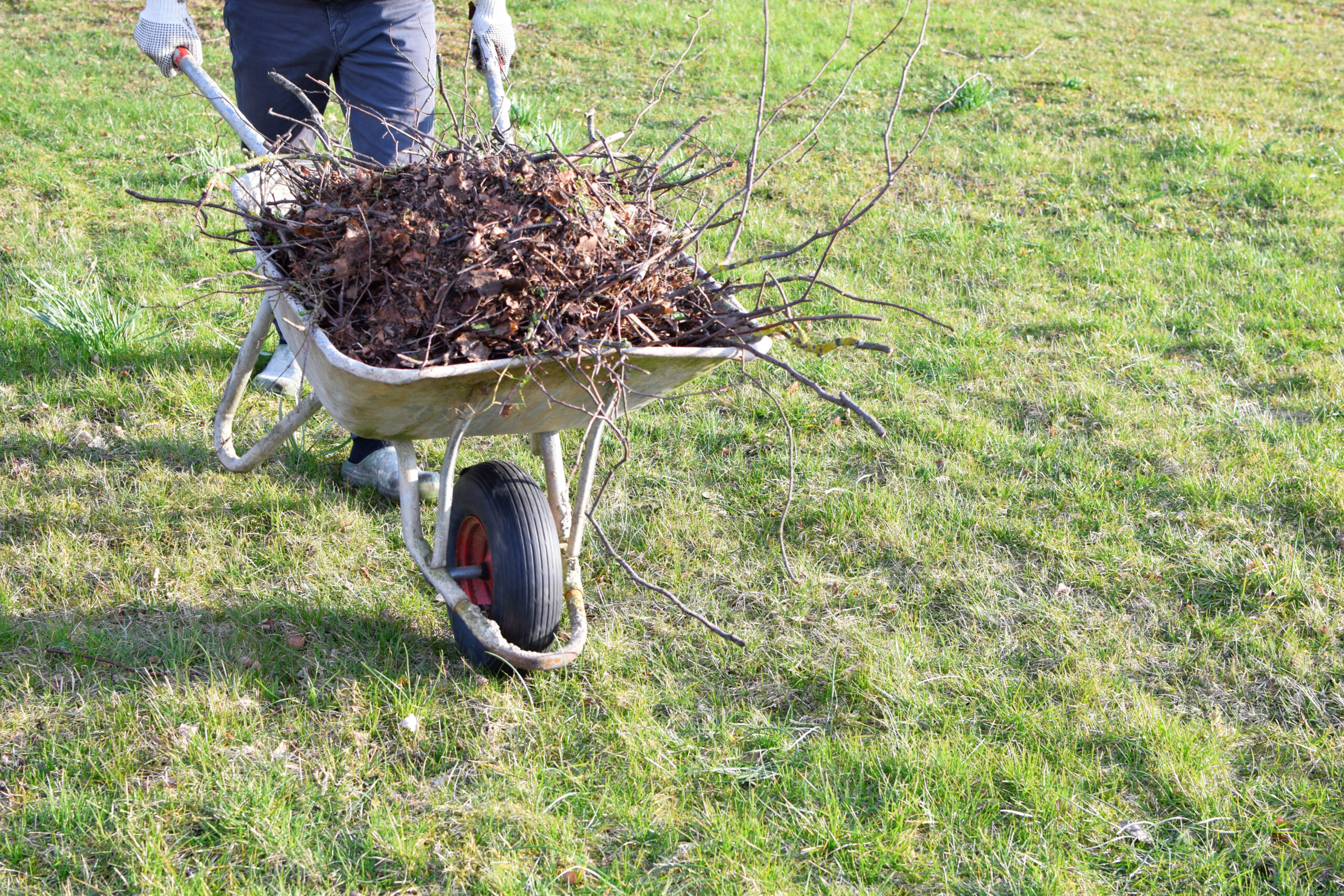
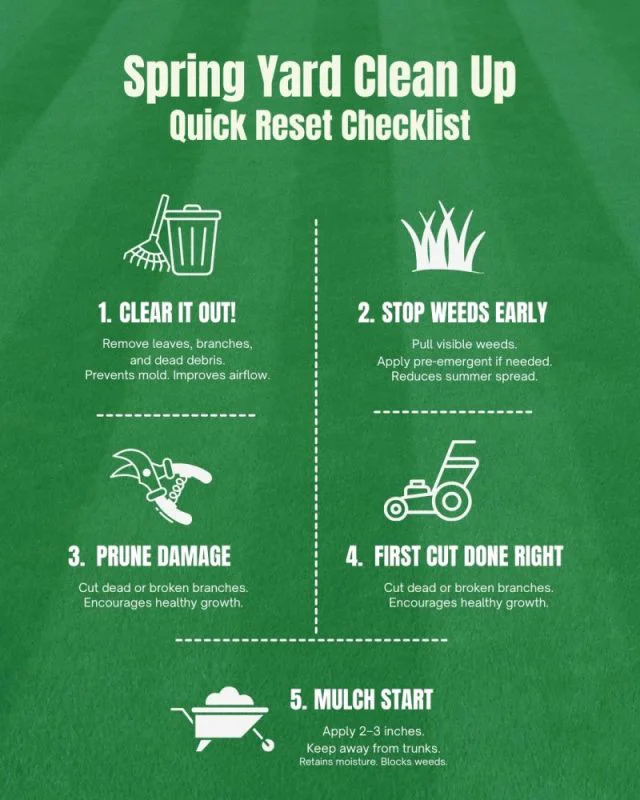
- Pick up sticks and trash. Use a tarp to haul debris in fewer trips.
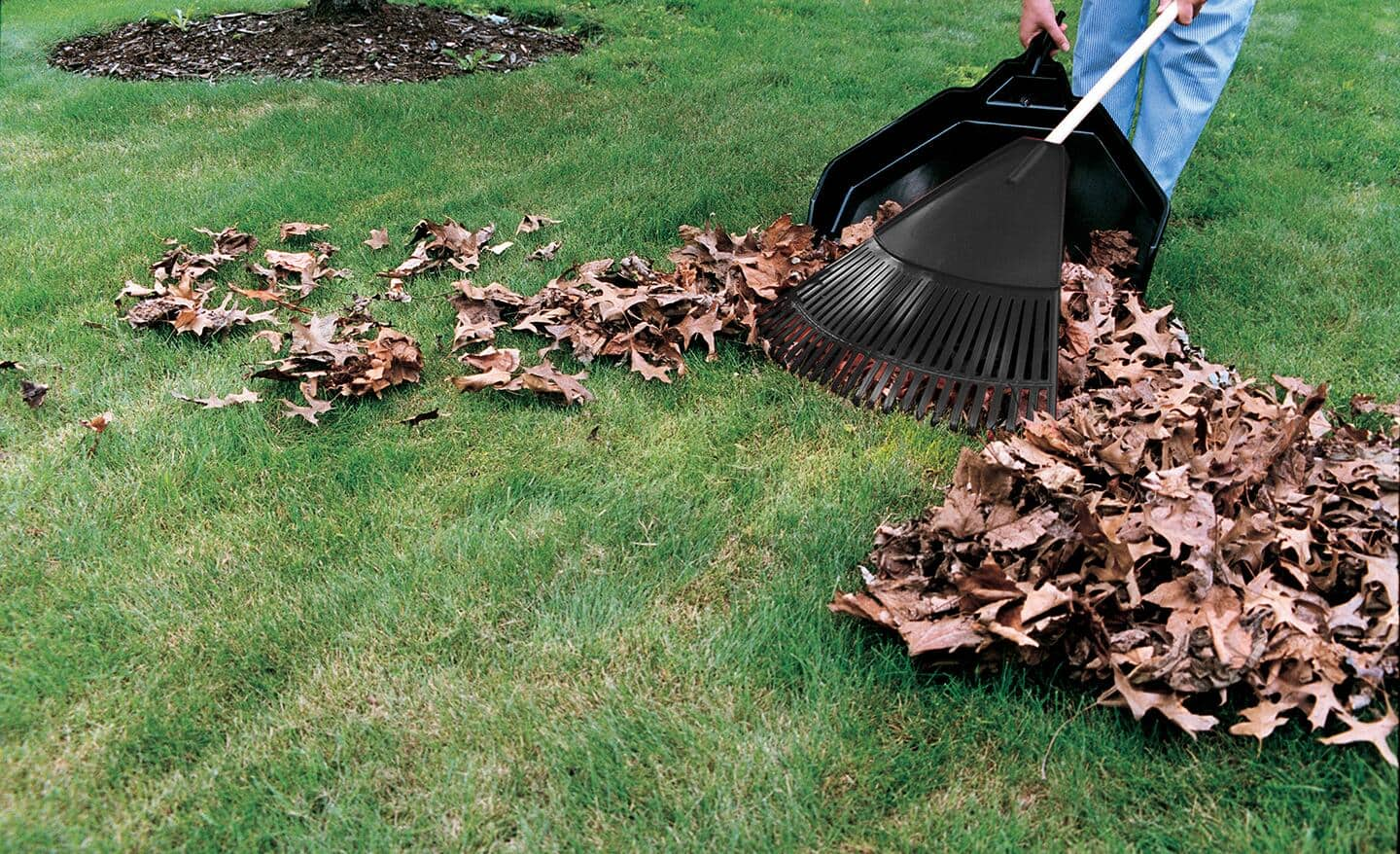
- Rake matted leaves and winter thatch. Do light passes to avoid root damage.
- Clean beds. Pull early weeds, old stems, and dead annuals.
- Prune the three D’s first. Remove dead, diseased, and damaged wood.
- Wait to prune spring bloomers until after they flower.
- Cut back perennials. Leave 2–3 inches to protect crowns.
- Edge beds and walkways. A crisp line lifts the whole yard.
- Refresh mulch to 2–3 inches. Keep it off trunks and stems.
- Dethatch the lawn if the layer is more than a half inch.
- Aerate compacted spots. Focus on high traffic areas.
- Topdress thin turf with compost. Overseed bare patches.
- Water seeded spots. Keep soil moist until seeds sprout.
- Apply pre-emergent if you are not seeding. Use it before soil warms too much.
- Fertilize with a slow-release blend. Follow your soil test.
- Wash hardscape and furniture. Put tools away clean and dry.
A lesson I will never forget: do not use pre-emergent and then seed. Years ago, I did both on the same day. The seed failed. Now, I choose one path. That simple choice is key in how to do a spring yard clean up that actually works.
Smart lawn care moves for spring
Mow only when grass starts to grow. Set your blade around 3 inches. Taller grass makes stronger roots and crowds out weeds.
Sharpen the blade. A clean cut keeps disease away and lowers stress. Water deeply and less often. One inch per week is a good target once growth begins.
Test your soil every few years. This guides fertilizer and lime. Many areas restrict phosphorus. Follow local rules and product labels. Good data helps you decide how to do a spring yard clean up with less waste and better results.
Beds, shrubs, and perennials that bounce back
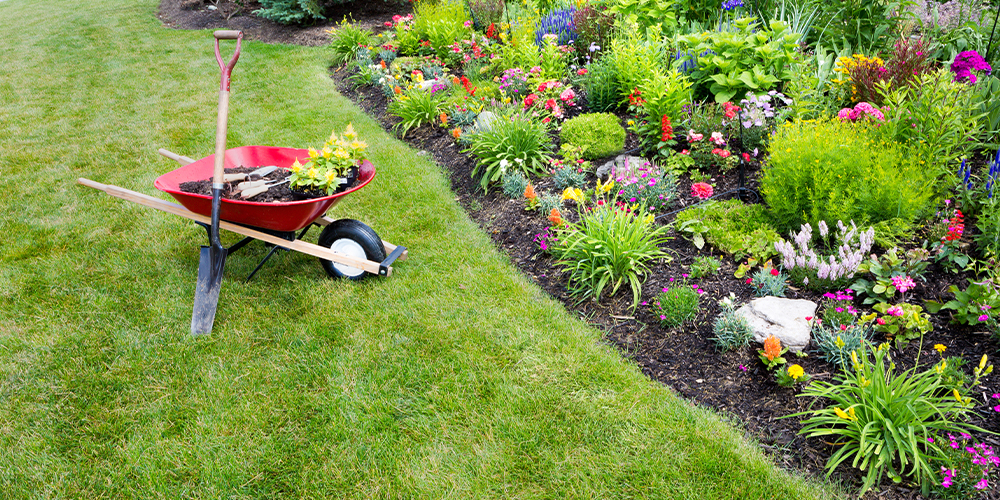
Wake beds with a light fork to loosen crusted soil. Add one inch of compost. Work it into the top few inches. This feeds microbes and roots.
Divide crowded perennials like daylilies and hostas. Do this when shoots are a few inches tall. Replant divisions at the same depth and water well.
Prune roses and summer-blooming shrubs once buds swell. For spring bloomers like lilac and forsythia, prune after they flower. This keeps next year’s blooms safe.
Skip landscape fabric in planting beds. It blocks air and traps roots. Use mulch and hand weeding instead. Simple tactics like this define how to do a spring yard clean up that lasts.
Trees: inspect, protect, and mulch the right way
Scan canopies for cracks, hangers, and rubbing limbs. Look for pests, exit holes, or oozing sap. Call a certified arborist for big cuts or heavy limbs. Safety comes first.
Make mulch donuts, not volcanoes. Keep mulch 3 inches away from trunks. Aim for a 2–3 inch layer that covers the root zone. You will hold moisture and stop mower damage.
Expose the root flare if it is buried. This helps air reach the base and reduces rot. Care like this is part of how to do a spring yard clean up with tree health in mind.
Hardscape, water, and outdoor features
Sweep and wash patios, steps, and fences. Use low pressure on soft stone or wood. Reset loose pavers and add fresh sand to joints.
Check irrigation. Run each zone for a minute. Fix leaks, clogged heads, and bad angles. Clean gutters and downspouts that drain into beds.
Stage furniture and grills after the heavy work. A tidy setup makes the yard feel done. This finish line matters in how to do a spring yard clean up that looks pro.
Eco-friendly disposal and composting
Compost leaves, small stems, and grass. Mix browns and greens for airflow. Keep it moist, not wet. Turn it now and then.
Bag invasive weeds and seed heads for the trash. Do not compost them. Use city yard waste pickup where offered. Follow local rules on burning and dumping.
Leave a small brush pile in a back corner. It shelters birds and pollinators. This kind touch fits with how to do a spring yard clean up without harming wildlife.
Water-wise and low-maintenance upgrades
Add a rain barrel to capture roof runoff. Use it on beds and trees. Direct downspouts into a rain garden to slow and sink water.
Overseed with a low-input mix. Add clover or drought-tolerant turf where sun is strong. Choose native shrubs and perennials to cut water and care needs.
Mulch and deep roots lower your weekly work. That is the quiet win in how to do a spring yard clean up that keeps paying off.
A simple schedule to stay ahead
Use this quick plan after your big cleanup.
- Weekly: Police for sticks, spot-weed, and check moisture.
- Biweekly: Mow as needed and edge touch-ups.
- Monthly: Inspect mulch depth, prune light, and feed containers.
- Seasonally: Adjust irrigation and sharpen blades.
I keep a small bin with gloves, pruners, and bags by the door. If I have five minutes, I fix one small thing. Small steps keep chaos away. This is how to do a spring yard clean up that stays clean.
Frequently Asked Questions of how to do a spring yard clean up
When should I start my spring yard cleanup?
Start when soil is no longer soggy and frost risk drops. Aim for a mild, dry spell with daytime highs near 50–60°F.
Can I aerate and overseed at the same time?
Yes, aerating before overseeding helps seed-to-soil contact. Water lightly every day until seeds sprout.
Should I use pre-emergent if I plan to seed?
No. Pre-emergent blocks new roots, including grass seed. Seed first, then use pre-emergent in a future season.
How deep should mulch be in spring?
Aim for 2–3 inches across beds. Keep mulch a few inches away from trunks and stems.
What fertilizer should I use after winter?
Use a slow-release, balanced blend guided by a soil test. Apply modest nitrogen and follow label rates to avoid burn.
Conclusion
With a clear plan, the right tools, and smart timing, you can reset your yard fast. Focus on debris, pruning, edges, mulch, soil health, and safe lawn care. These steps form a repeatable system you can use every year.
Pick a weekend, gather your tools, and start small. Tackle one zone at a time and build momentum. If this guide helped you learn how to do a spring yard clean up, share it with a neighbor, subscribe for more seasonal tips, and drop your questions in the comments.