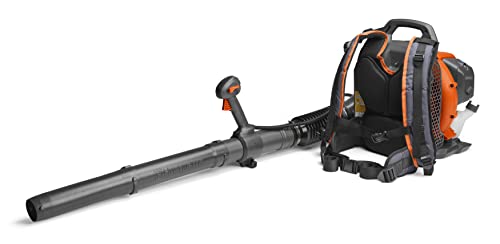
What Is Better In A Leaf Blower CFM Or MPH: 2026 Guide
Neither alone; CFM moves volume, MPH adds force—balance both for tasks.
If you want a leaf blower that actually works, you need to know how CFM and MPH play together. In this guide, I break down what is better in a leaf blower cfm or mph, when each matters, and how to choose the right balance for your yard. You will see clear examples, test notes from the field, and a smart way to shop with confidence.

CFM vs MPH: What They Mean and Why Both Matter
CFM stands for cubic feet per minute. It measures how much air the blower moves. More CFM means more air volume to push piles and cover a wide area fast.
MPH stands for miles per hour. It measures air speed. More MPH means a tighter, faster stream that can lift stuck debris, like wet leaves in cracks or pine needles in grass.
Think of CFM as the width of a push broom. Think of MPH as the stiffness of the bristles. A big broom with soft bristles moves a lot at once. A small broom with stiff bristles lifts what is stuck. The best blowers strike a balance based on your job and nozzle size.

What Is Better in a Leaf Blower CFM or MPH?
The honest answer to what is better in a leaf blower cfm or mph is this: it depends on what you blow most. For light, dry leaves on wide paths, higher CFM feels better and clears faster. For stuck, wet debris, higher MPH feels better and breaks it free.
Here is a simple rule I use on jobs. If you mainly move piles and cover open ground, lean CFM. If you mainly lift matted debris or clean joints and edges, lean MPH. In many cases, your best pick is a blower that balances both. That is the smart way to solve what is better in a leaf blower cfm or mph without guesswork.
When people ask what is better in a leaf blower cfm or mph, I also point to the nozzle. A small tip can spike MPH but cut CFM. A wide tip can boost CFM but flatten MPH. So ask what is better in a leaf blower cfm or mph for your nozzle and tasks, not as a single number race.
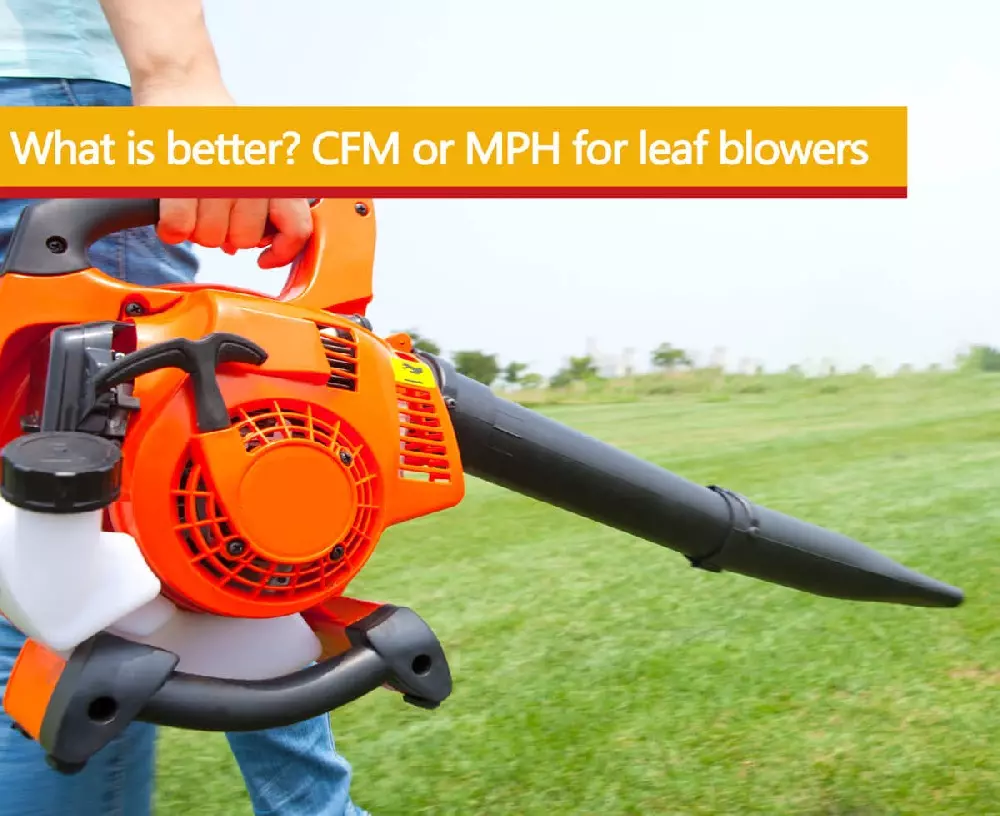
Match Specs to Real Jobs
Use this cheat list to tie CFM and MPH to what you do.
- Dry leaves on driveways and patios. Aim for 500–700 CFM and 100–120 MPH. You want coverage, not pinpoint force.
- Matted, wet leaves on lawns. Aim for 550–800 CFM and 120–160 MPH. You need both punch and volume.
- Pine needles in turf. Aim for 450–650 CFM and 140–170 MPH. Needles cling and need speed to lift.
- Small gravel near beds. Keep MPH under 140 with a wide tip. Use higher CFM to roll debris without blasting stones.
- Acorns and pods. Aim for 600–800 CFM and 120–150 MPH. Start at low power and ramp up as piles form.
- Light snow dusting. Aim for 500–700 CFM and 110–140 MPH. Dry snow moves best with volume and steady speed.
- Dust in garage corners. Aim for 350–500 CFM and 120–160 MPH. Use a narrow tip for tight control.
If you are still unsure about what is better in a leaf blower cfm or mph for your yard, walk your space. Note the debris, the surface, and how often you clean. That snapshot will point you to the right balance fast.
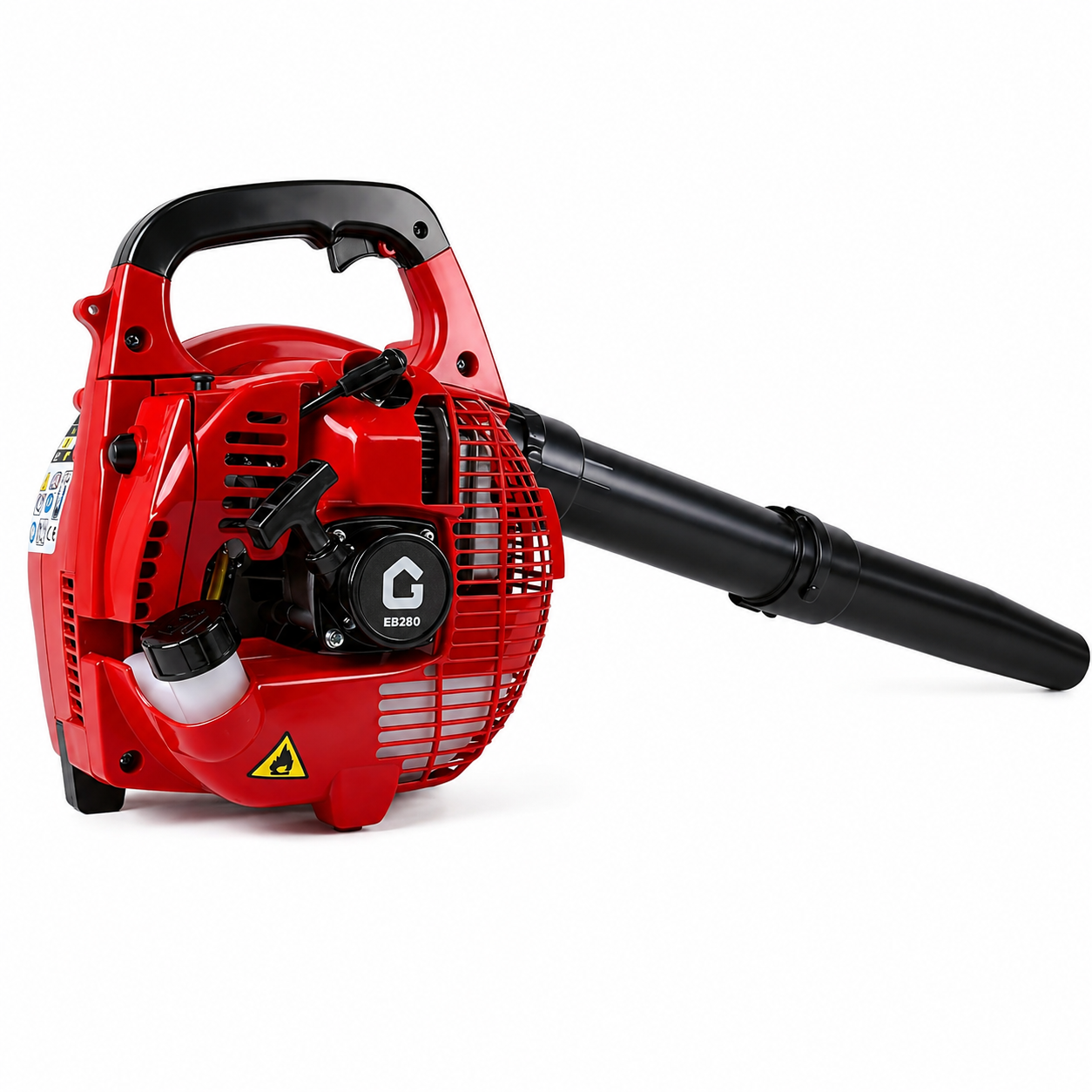
Specs You Can Trust (And How Brands Game Them)
Not all ratings are equal. Know these points before you buy.
- Nozzle size changes MPH and CFM. A narrow nozzle boosts MPH but slashes CFM. A wide nozzle does the opposite.
- Peak numbers vs sustained numbers. Many brands list turbo mode stats. That may last seconds, not minutes.
- Battery state and filters. Specs often come from fresh batteries and clean filters. Real use is lower.
What should you trust?
- Newton (N) blow force. This is a standard test that mixes CFM and MPH into one value. Higher Newtons usually mean better real push.
- Independent tests. Look for runtime at set power, noise at ear, and measured CFM at the nozzle.
- Consistent accessories. Compare blowers with the same tip style and tube length.
These checks will help you cut through the noise around what is better in a leaf blower cfm or mph and keep your choice grounded in physics.
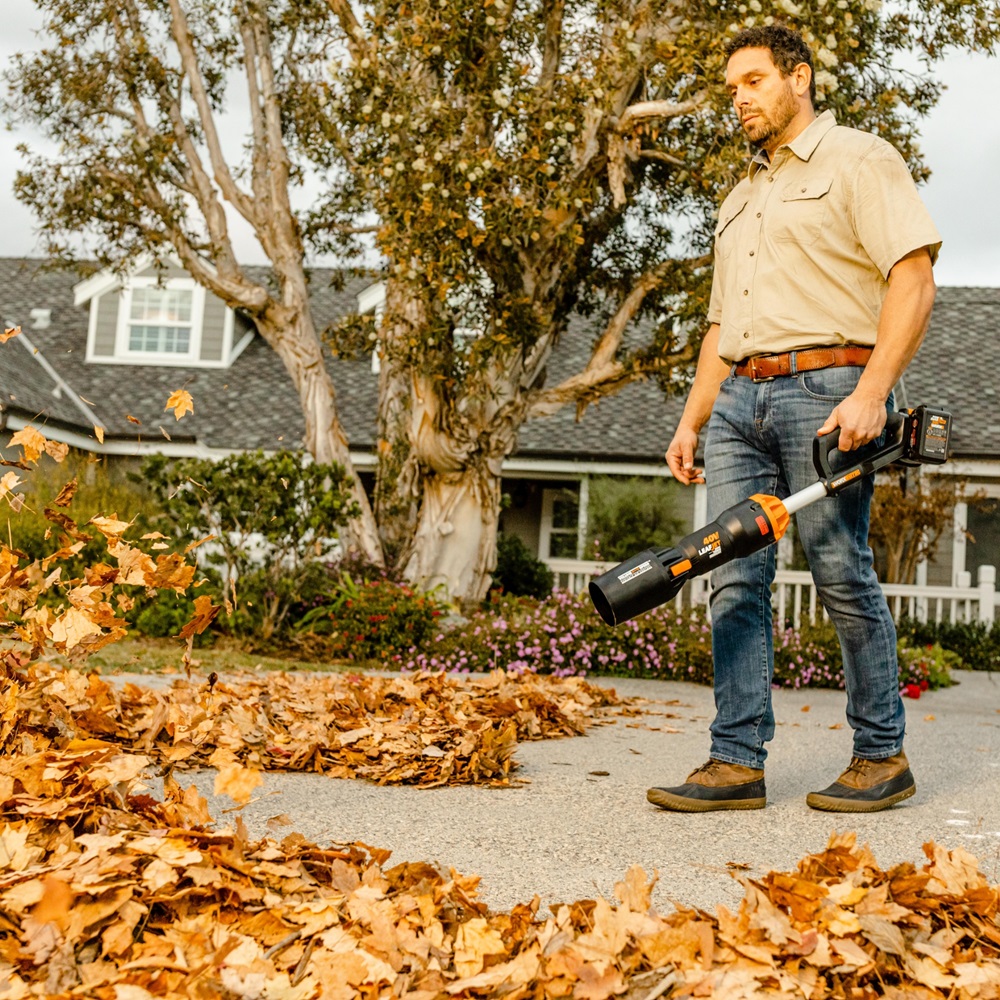
Field Notes: What Worked Best In My Tests
I have cleaned dozens of yards, from small patios to half-acre lots. Here is what I have learned.
- 600 CFM at 110 MPH vs 450 CFM at 160 MPH. On dry leaves over a big driveway, the 600/110 cleared faster and left fewer stragglers. Volume won.
- Same two units on wet, matted maple leaves. The 450/160 lifted mats better at first. But once loose, the 600/110 moved piles faster. The best run used both a narrow tip to break mats, then a wide tip to shove piles.
- Pine needles in thick fescue. Speed mattered more. The high-MPH unit pulled needles up and out without tearing grass.
Mistakes to avoid
- Chasing MPH alone. A narrow jet stalls when you need to move big piles.
- Running turbo all the time. Batteries sag, and your arm gets tired. Step up only when needed.
- Skipping the right tip. A quick nozzle swap can feel like a different blower.
These lessons shaped how I answer what is better in a leaf blower cfm or mph. Balance wins. Tools and tips matter too.

Buying Guide By Property Size And Use
Pick your lane based on where you live and what you clean.
- Balcony or small patio. Target 300–450 CFM and 100–120 MPH. Compact, light, quick-charge models shine.
- Suburban 1/8–1/4 acre. Target 450–650 CFM and 110–140 MPH. A 56V–60V battery unit is a sweet spot.
- 1/2 acre with trees. Target 600–800 CFM and 120–160 MPH. Swap tips as seasons change.
- Over 1 acre or pro work. Target 700–1000+ CFM and 150–200 MPH. Consider backpack blowers and Newton ratings above 20–30 N.
If you still wonder what is better in a leaf blower cfm or mph for your lot, split the decision by season. Go higher MPH for spring thatch and needle lift. Go higher CFM for fall leaves and pile moves.
Technique To Get The Most From Any Blower
How you use the tool can double results.
- Use the right nozzle. Narrow for lift. Wide for push.
- Work in lanes. Blow debris with the wind to a single pile.
- Feather the trigger. Short bursts free stuck patches without wasting power.
- Keep the tube low and angled. Skim the surface to avoid blowback.
- Mind moisture. Morning dew adds weight. Wait for a dry window if you can.
- Protect your hearing and eyes. Wear ear protection and glasses. Safer work is better work.
With sharp technique, the question of what is better in a leaf blower cfm or mph becomes less critical. Skill boosts every spec you own.

Frequently Asked Questions of what is better in a leaf blower cfm or mph
Is CFM or MPH more important for wet leaves?
CFM and MPH both help, but wet leaves need speed to break free. Aim for higher MPH with enough CFM to carry piles away.
What is better in a leaf blower cfm or mph for large yards?
Leaning toward higher CFM is best for big spaces. You clear wide paths faster and move piles with less effort.
Does a narrow nozzle make a blower better?
A narrow nozzle raises MPH, which helps on stuck debris. But it reduces CFM, so pile moving can slow down.
How do I compare blowers fairly?
Check Newton blow force, not just CFM or MPH. Compare runtime at a set power and test with the same nozzle type.
What is better in a leaf blower cfm or mph for pine needles?
Higher MPH helps lift needles from grass. Keep enough CFM to carry them once loose.
Are manufacturer CFM numbers accurate?
They can be, but often reflect peak mode with an ideal setup. Look for standardized tests and third-party measurements to confirm.
What is better in a leaf blower cfm or mph for driveways and sidewalks?
Higher CFM clears large, dry areas faster. Pair it with at least 110–130 MPH for edge cleanup.
Do backpack blowers always have better performance?
They often deliver more CFM and higher Newton force. They also weigh more and cost more, so match the tool to your needs.
Can technique beat raw power?
Yes. Nozzle choice, angle, and blowing pattern can save time and battery. Good technique often beats small gains in specs.
What is better in a leaf blower cfm or mph for battery tools?
On battery units, balance matters more due to runtime. Pick a model with strong mid-range CFM and MPH plus efficient modes.
Conclusion
CFM moves the mass. MPH breaks it loose. The right leaf blower blends both to fit your debris, surface, and yard size. When you ask what is better in a leaf blower cfm or mph, the best choice is task-first: more CFM for wide, dry cleanup, more MPH for stuck or wet spots, and a keen eye on Newton force and nozzle design.
Walk your space, pick a target range, and practice smart technique. You will finish faster with less strain. Want more yard care guides like this? Subscribe, share your questions in the comments, and tell me what you are blowing next.