
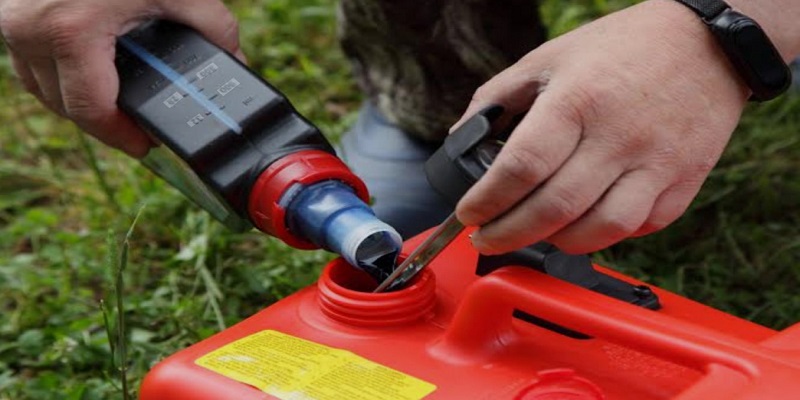
How To Mix Gas And Oil For A Leaf Blower: Foolproof Guide
Mixing fuel for a two-stroke leaf blower is one of those small tasks that separates a machine that lasts a decade from one that dies mid-season. The process takes about two minutes once you know what you're doing, but getting the ratio wrong can cost you an engine. This guide walks you through the exact steps, the common pitfalls, and the pro habits that make the whole routine effortless.

The fuel-to-oil ratio is the single most important factor in two-stroke engine longevity.
Source: schroderusa.com
Why The Right Mix Matters
Two-stroke engines are beautifully simple. They combine intake, compression, and exhaust into a single piston stroke, which makes them light and powerful for their size. But that simplicity comes with a trade-off: there is no separate oil reservoir, no oil pump, and no filter. The oil you mix into the gasoline is the only lubrication the engine gets. You can also read our guide on how to fix a leaf blower that won t start.
That oil coats the crankshaft, the piston skirt, the cylinder walls, and the bearings every time the piston moves. Skimp on oil and metal grinds against metal, generating heat that can score the cylinder walls and eventually seize the piston entirely. Over-oil the mix and you get a different set of problems: a fouled spark plug, heavy smoke, carbon buildup on the exhaust port, and a noticeable loss of power.
Neither outcome is worth the risk. Mixing accurately is cheap insurance for a piece of equipment that can cost anywhere from $150 to $600 to replace.
Know Your Exact Ratio First
Before you pour anything, find your blower's required ratio. This is non-negotiable. Look in three places, in this order:
- The owner's manual – the definitive source
- The fuel cap – many manufacturers emboss or print the ratio right on top
- A sticker or decal – often near the fuel tank or on the engine housing
Most modern handheld leaf blowers from brands like Stihl, Husqvarna, Echo, and Ryobi run on a 50:1 ratio (50 parts gas to 1 part oil). Some older models or higher-performance units call for 40:1 or even 32:1. A 32:1 mix has roughly 25% more oil than a 40:1 mix, so this is not a "close enough" situation.
Quick Measurement Reference
| Ratio | Oil per 1 US Gallon | Oil per 1 Liter |
|---|---|---|
| 50:1 | 2.6 oz (77 ml) | 20 ml |
| 40:1 | 3.2 oz (95 ml) | 25 ml |
| 32:1 | 4.0 oz (118 ml) | 31 ml |
If you're mixing a smaller batch, the math still matters. For a half-gallon at 50:1, you need 1.3 ounces of oil. For a quart, just 0.64 ounces. A marked mixing bottle or the measuring tube that comes with your oil bottle makes this far easier than eyeballing it.
Always confirm the ratio from your own machine's documentation before trusting a general guideline.

Check the fuel cap and manual before measuring—never assume the ratio from memory.
Source: reddit.com
What You Need To Mix Fuel
Gather everything before you start. Running back and forth with a gas can in your hand is how spills happen.
- An approved gasoline container – never mix in a glass jar or an unlabeled plastic bottle
- Fresh unleaded gasoline – 89 octane or higher; ethanol-free if you can find it
- High-quality 2-stroke oil – look for JASO FD or ISO-L-EGD certification for air-cooled engines
- A measuring bottle or the oil's marked dosing tube – precision beats guessing
- A small funnel – to avoid drips and contamination
- A shop towel or rag – for wiping the spout and cap
- A permanent marker and label – so you never confuse the can later
You don't need a dedicated fuel-mixing station, but a consistent spot with good light and a flat surface helps. A workbench or a concrete floor in the garage works well.
A proper mixing setup: fuel can, measuring bottle, funnel, and 2-stroke oil.
Source: reddit.com
Step-By-Step: How To Mix Gas And Oil For A Leaf Blower
This is the core routine. Once you've done it a few times, it takes less than two minutes.
- Confirm your ratio. Check the manual or the fuel cap one more time. Write it down if you're new to the process.
- Add fresh gas to the can first. Fill it to roughly 80% full. Leaving headroom makes mixing easier.
- Measure the oil carefully. Use the exact amount for your ratio and your fuel volume. Pour the oil into the measuring bottle or the oil's own dosing tube.
- Pour the oil into the gas can. Use the funnel to avoid spilling oil down the outside of the can.
- Cap the can and mix. Gently swirl or rock the can for 10 to 15 seconds. Do not shake violently; you want to blend, not create foam.
- Top off with gas. Add the remaining fuel to reach your total desired volume. Cap and swirl again.
- Label the can immediately. Write the ratio (e.g., "50:1") and the date in large letters.
- Fill the blower's tank. Use a clean funnel or the can's spill-proof spout.
- Start and warm up. Prime, choke, and start as per your manual. Let it run for a minute before use.
One critical rule: never mix directly inside the blower's fuel tank. You can't achieve a uniform blend in the tank, and any mismeasurement is nearly impossible to correct.

Pre-mixing in a gas can ensures the oil is evenly distributed throughout the fuel.
Source: youtube.com
What Fuel Should You Use?
Gasoline quality matters as much as the ratio. Here's what to look for at the pump or the store.
Octane And Ethanol
A minimum of 89 octane is a safe baseline for most air-cooled two-stroke engines. Octane measures the fuel's resistance to knocking, and higher-octane fuel provides a margin of safety in hot conditions or under heavy load.
Ethanol is the bigger issue. Most pump gas contains up to 10% ethanol (E10). Ethanol is hygroscopic, meaning it attracts moisture from the air. Over time, that water can cause phase separation, where the water-ethanol mixture settles to the bottom of the tank. That layer won't burn properly and can cause stalling, corrosion, and gummed-up carburetor jets.
Ethanol-free fuel is the better choice for small engines. Many hardware stores and fuel stations sell it, often labeled as "Rec Fuel" or "Ethanol-Free." It costs a little more but stores significantly better and eliminates the most common fuel-related failure point. If you're looking for more detail on choosing the right gasoline for your equipment, our guide on what to put in your mower covers the same principles.
Choosing A 2-Stroke Oil
Not all 2-stroke oil is the same. Look for oil specifically formulated for air-cooled engines—those rated JASO FD or ISO-L-EGD. These ratings indicate the oil has passed tests for lubrication, detergency, and low-smoke performance.
Full-synthetic 2-stroke oils burn cleaner and leave fewer deposits than conventional oils. They also offer better protection at high operating temperatures. The price difference is small relative to the cost of an engine rebuild.
Canned Premix: A Convenient Alternative
If you only use your blower a few times a year, consider buying canned premixed fuel like TruFuel. These products come pre-mixed at a specific ratio, use ethanol-free fuel, and have a much longer shelf life. They cost considerably more per gallon than mixing yourself, but they eliminate the risk of a mismeasured batch and the problem of stale fuel. For occasional users, this trade-off can be well worth it. Learn more about the benefits of this kind of fuel if you're curious.
Common Mistakes To Avoid
After years of working on two-stroke equipment, I've seen the same errors repeat themselves. Here are the ones that cause the most damage.
- Guessing the ratio. "It looked about right" is not a measurement. Always check and measure.
- Mixing in the blower tank. The fuel can is the only correct place to mix.
- Using old gas. Fuel left in a can for months can cause varnish, hard starts, and carburetor issues.
- Using automotive motor oil. Four-stroke oil does not burn cleanly in a two-stroke engine and will cause severe deposits and potential seizure.
- Skipping the label. An unmarked can leads to using the wrong mix in the wrong tool later.
- Adding extra oil "just to be safe." More oil is not better. It leads to fouled plugs, heavy smoke, and power loss.

A dirty or fouled spark plug is a classic symptom of an over-oiled mix.
Source: reddit.com
Storage, Shelf Life, And Labeling
Mixed fuel has a limited lifespan. The additives in gasoline begin to break down over time, and the oil can separate from the fuel.
As a general rule, use mixed fuel within 30 days. If you add a quality fuel stabilizer, you can often stretch that to 60–90 days. Beyond that, the risk of varnish buildup and phase separation increases significantly, and you're better off draining the can and starting fresh.
Store fuel in a cool, dry place away from direct sunlight and heat sources. Sunlight accelerates chemical breakdown. Keep the cap tightly sealed to minimize moisture absorption and evaporation.
Your labeling system should be simple but specific. Write the ratio and the date clearly. I also label the can with the tool it's for, like "Blower 50:1 – Apr 2026," to remove any doubt later.
Troubleshooting Performance After A Bad Mix
If you suspect you used the wrong mix, don't panic. The engine can often be saved with prompt action.
Start by draining the fuel tank. Empty the bad mix into a clearly labeled waste container. Refill with a freshly mixed, correctly proportioned batch and run the blower for a few minutes to burn off any residual fuel in the carburetor.
If the engine still runs rough, check the spark plug. A plug that's black and sooty indicates a rich, over-oiled condition. Clean or replace it. Also inspect the air filter—a clogged filter can cause similar symptoms. Our guide on cleaning your air filter covers the process, though you'll want to find the equivalent page for your specific blower.
If performance remains poor, the issue could be deeper. Heavy carbon buildup in the exhaust port or a gummed-up carburetor may require more involved cleaning. In many cases, a carburetor cleaning kit or a new diaphragm will restore normal operation.
Safety And Environmental Best Practices
Gasoline is flammable and its vapors are heavier than air. A few habits keep you and the environment safe.
- Mix in a well-ventilated area, outdoors or in a garage with the door open
- Keep ignition sources away – no lit cigarettes, pilot lights, or running appliances nearby
- Wear gloves and safety glasses to protect against splashes
- Work on a flat surface with a tray or piece of cardboard under the can to catch drips
- Clean up spills promptly using absorbent material, and dispose of it according to local regulations
- Never pour fuel down drains, onto the ground, or into storm sewers – this contaminates groundwater and is illegal in many areas
Proper fuel handling is also a responsibility to your community. The EPA and other environmental agencies regulate fuel disposal for good reason. Check with your local waste management authority for hazardous waste collection sites if you need to dispose of old fuel.
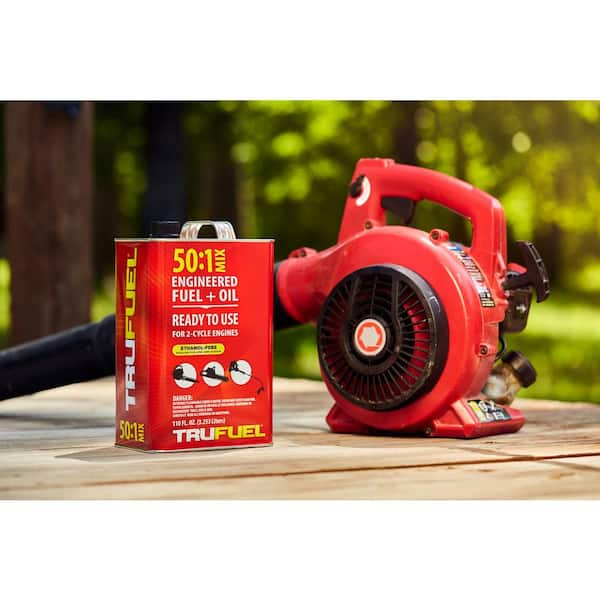
Canned premix fuel offers a convenient, stable alternative for seasonal users.
Source: homedepot.com
When To Choose A Battery-Powered Alternative
It's worth noting that the entire mixing process becomes moot if you choose an electric blower. Battery-powered models have improved dramatically in recent years, offering runtime and power that rivals many gas handhelds for typical residential use. They require zero fuel mixing, produce no exhaust, and start every time with a pull of the trigger.
If you're tired of dealing with fuel, or if your yard is small enough that battery runtime is sufficient, a cordless model might be the better long-term investment. For larger properties or heavy commercial use, gas remains the practical choice.
Frequently Asked Questions
What ratio do most leaf blowers use?
Most newer handheld blowers use a 50:1 ratio. But this is not universal, so always confirm your specific model's requirement in the manual or on the fuel cap.
Can I use regular car motor oil to mix with gas?
No. Car motor oil is designed for four-stroke engines with a separate lubrication system. Using it in a two-stroke mix will cause rapid carbon buildup, poor combustion, and potentially engine failure. Only use oil specifically rated for air-cooled two-stroke engines.
How long does mixed fuel last?
About 30 days without a stabilizer. With a quality fuel stabilizer, 60 to 90 days is possible if stored in a cool, sealed container. After that, the fuel degrades and can cause starting problems and gummed-up carburetors.
Is ethanol-free gas better for small engines?
Yes. Ethanol-free gas doesn't absorb moisture like E10, so it stores better and reduces the risk of phase separation and corrosion. If you must use E10, keep the fuel fresh and always add a stabilizer.
What happens if I use too much oil in the mix?
You'll likely see heavy smoke, a fouled spark plug, reduced power, and possibly carbon buildup in the exhaust. Drain the tank and refill with the correct ratio to fix it. If the plug is badly fouled, replace it.
Can I mix directly in the leaf blower's tank?
No. Always mix in a separate gas can. The tank is too small to achieve a uniform blend, and you can't verify the ratio once it's in there.
Do I need high-octane fuel?
At least 89 octane is recommended. Higher octane fuels are fine and can help reduce knock in hot conditions, but they won't hurt an engine designed for regular octane.
Conclusion
Mixing gas and oil for your leaf blower is a simple, repeatable process that has an outsized impact on how long your tool lasts. Confirm your ratio from the manual or cap, use fresh fuel and quality two-stroke oil, mix in a marked can, and label every batch. Store it properly, use it within 30 days, and you'll avoid almost every fuel-related failure a two-stroke engine can experience.
The few minutes it takes to mix correctly are nothing compared to the cost of a new engine or a trip to the repair shop. Get into the habit, and your blower will start easier, run stronger, and stay reliable for years to come.


