How To Clean Yard Leaves: Quick Tips For A Tidy Lawn
Rake or blow into piles, mow-mulch them, then bag, compost, or mulch.
If you want to know how to clean yard leaves without wasting a weekend, you are in the right place. I have cleaned small city lawns and leaf-heavy suburban yards for years. In this guide, I show how to clean yard leaves fast, safe, and with less mess. You will learn smart methods, pro tools, simple steps, and eco-friendly ways that last.
Plan Your Leaf Cleanup Strategy
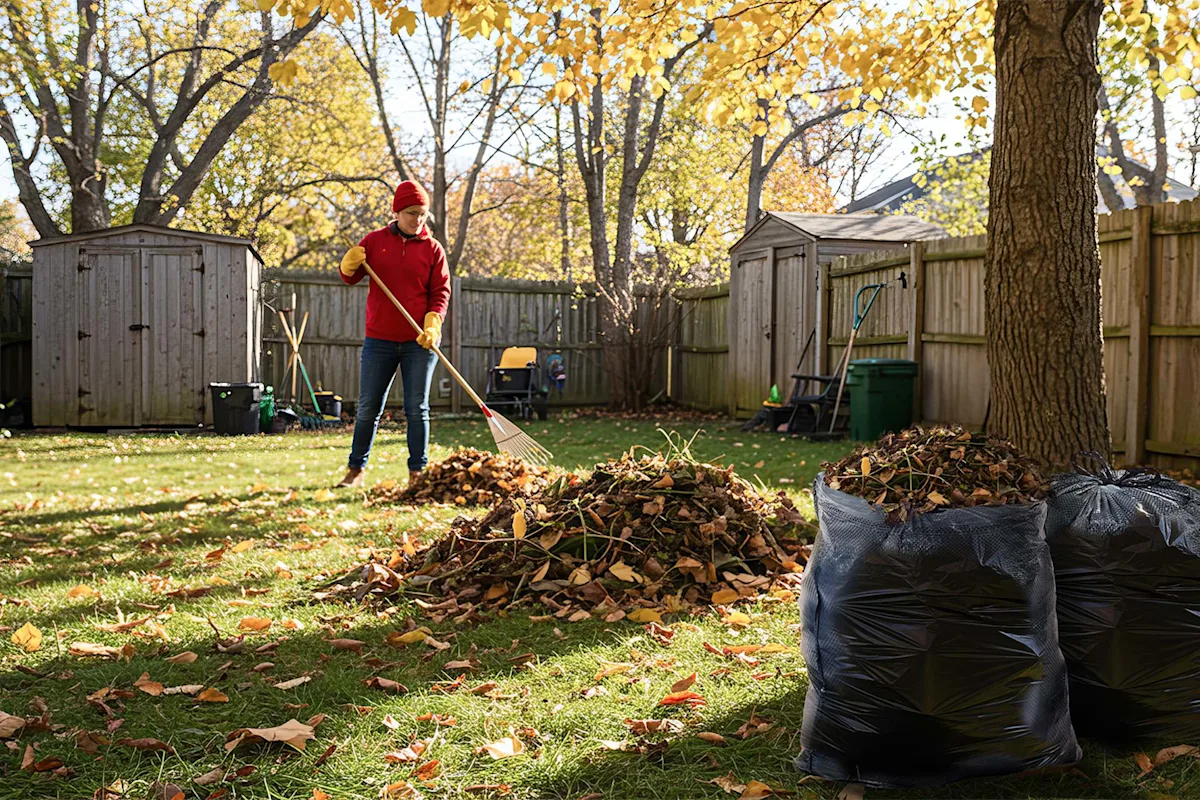
Before you touch a rake, plan the job. A smart plan saves time and limits strain. Look at your yard size, tree types, slope, and access. Note your town’s rules for bags or curb pickup.
Work with the weather. Dry leaves move easy and mulch well. Wet leaves are heavy and slick. Target a dry day with light wind. Blow or rake leaves with the wind at your back.
Timing matters. Do one light pass early in fall. Do one bigger pass near the last leaf drop. In spring, clear matting leaves fast so your lawn can breathe.
From my own rounds, one two-hour pass each week beats one all-day rush. You will finish fresh, and your lawn will thank you. This is the core of how to clean yard leaves for real life.
Tools That Make Leaf Cleanup Fast
The right tools cut your time in half. Pick a setup that fits your yard and body.
Essentials I trust:
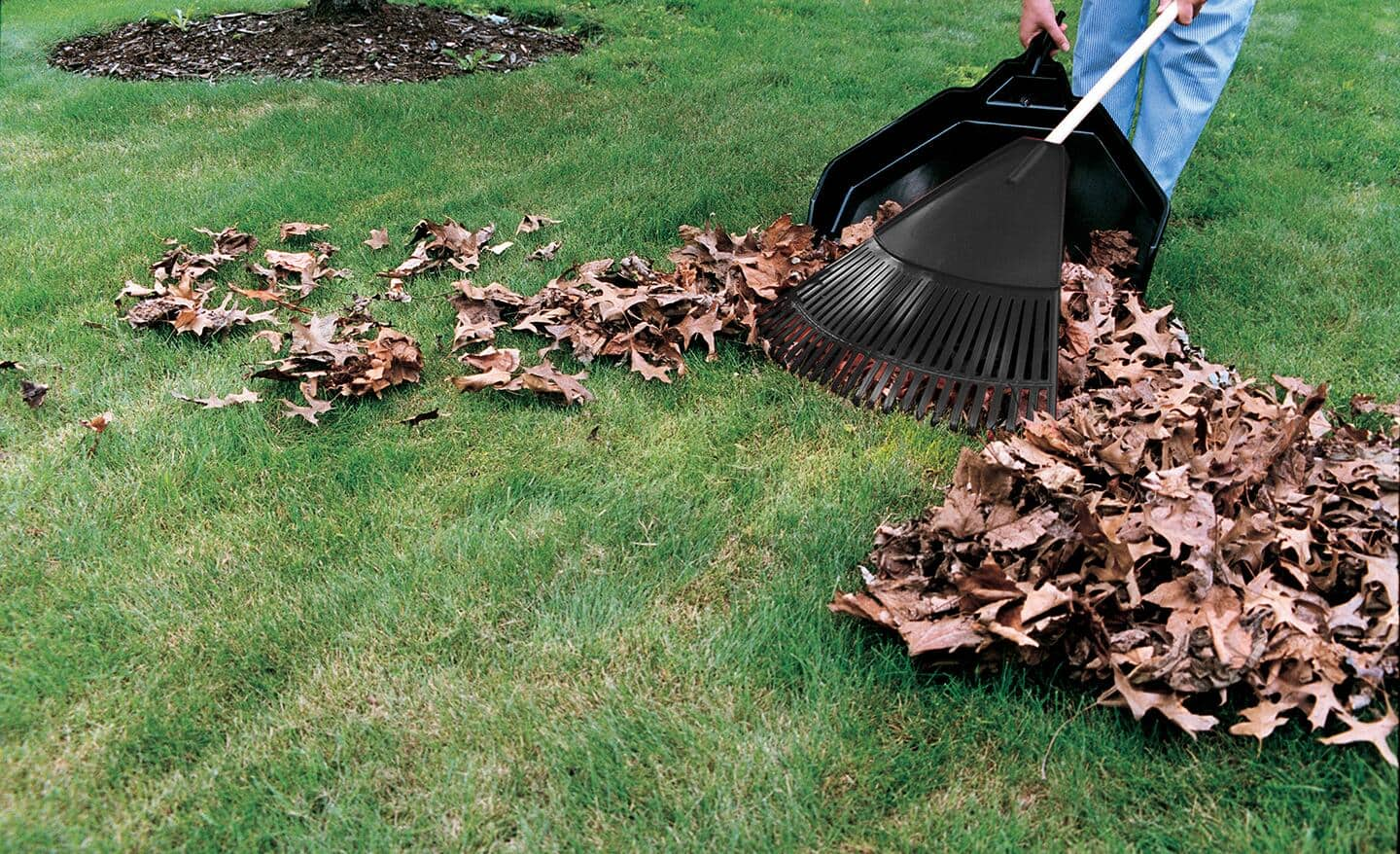
- Leaf rake with flexible tines. A wide rake moves more leaves with less passes.
- Steel garden rake. Good for stuck, wet, or matted leaves.
- Leaf blower. Cordless is light and quiet. Backpack gas is strong for big lots.
- Mulching mower. Sharp blades shred leaves into tiny pieces that feed the lawn.
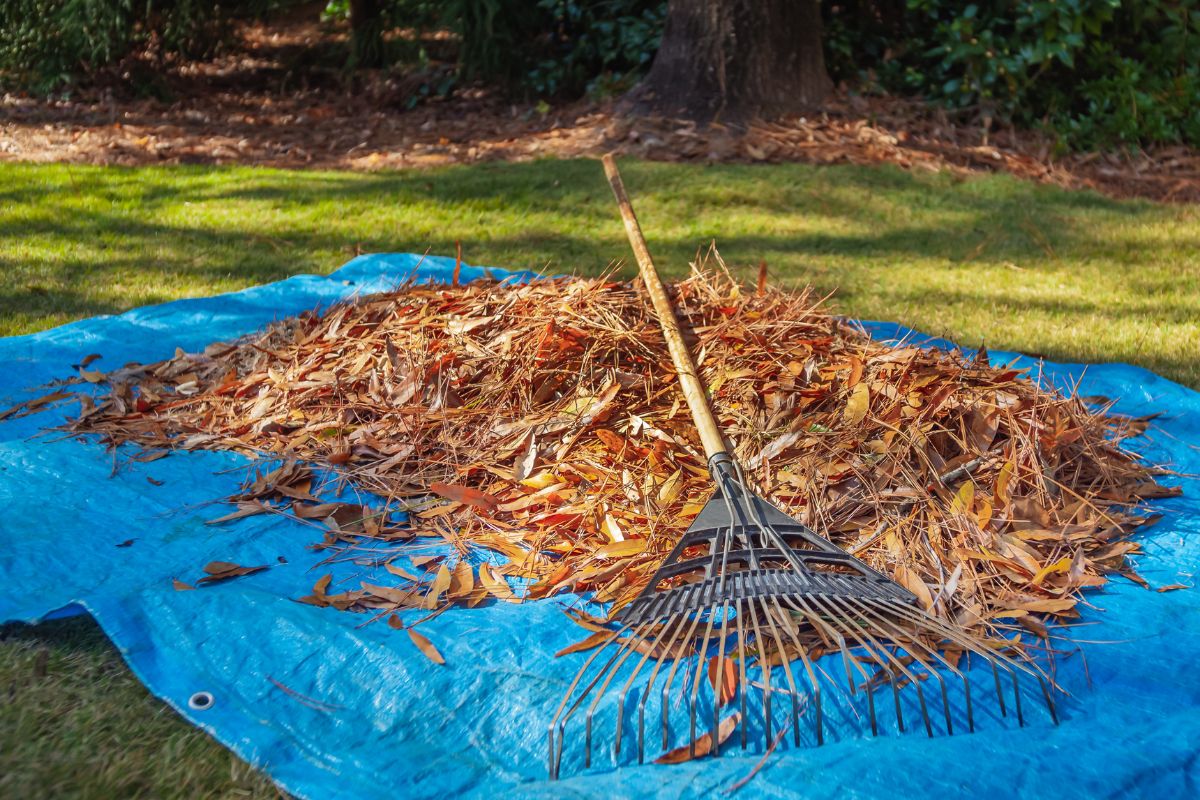
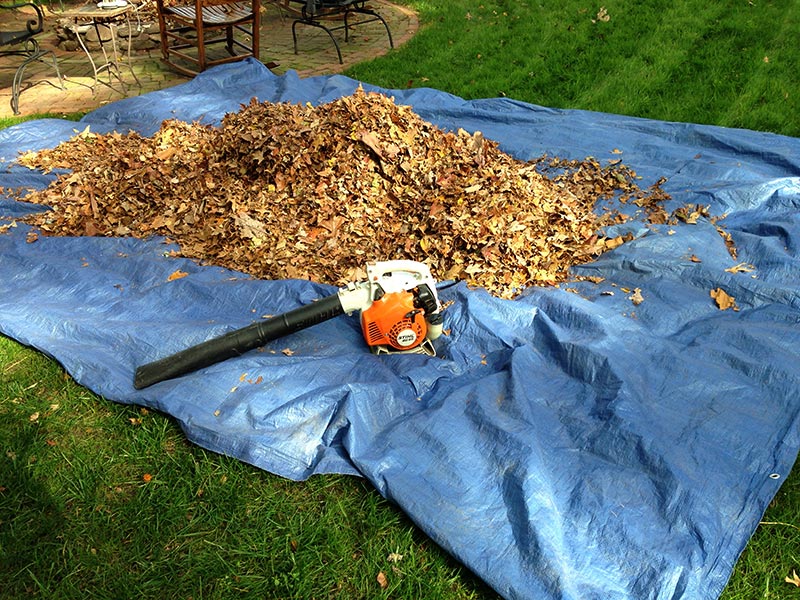
- Tarp. Rake or blow piles onto a tarp, then drag to a bin or compost.
- Leaf vacuum or bagger. Great for tight beds and around shrubs.
- PPE. Gloves, eye shield, ear protection, and a dust mask on dry days.
Helpful specs to know:
- Blower airflow. 400 to 700 CFM moves leaves well. MPH helps lift wet debris.
- Mower height. Set high first to avoid clumps, then lower for a clean finish.
- Bags. Use paper lawn bags if your city needs them. Reusable bins cut cost.
I test tools each fall. A light, high-CFM cordless blower and a mulching mower cover most yards. They are quiet and easy to store. This mix is a top way for how to clean yard leaves with less fuss.

Methods: Step-by-Step Ways to Clean Yard Leaves
Pick the method that fits your yard, weather, and tools. Mix methods as needed.
Rake and tarp method
1. Place a tarp near the work zone.
2. Rake leaves into rows with the wind at your back.
3. Pull rows onto the tarp. Drag to your bin or compost.
4. Do a final light rake to tidy edges and beds.
Blower method
- Start at the far edge and work toward your target pile.
- Feather the throttle. Keep the nozzle low and aim shallow.
- Use walls, fences, or beds to corral piles. Avoid blowing into the street.
- Bag, bin, or mulch the piles at once so wind does not undo your work.
Mow-mulch method
- Set your mower to a high cut. Make slow passes to shred leaves.
- If clumps form, make a second cross pass. Tiny bits vanish into turf.
- If the layer is very thick, bag the first pass, then mulch the rest.
Leaf vacuum method
- Use on dry leaves around shrubs, corners, and stone beds.
- Empty often. Compost the mix or add to leaf mold piles.
Wet leaf rescue
- Let them dry if you can. If not, use a steel rake to break mats.
- Use a blower only to move loosened clumps. Work slow and safe.
After many jobs, I use a blower to stage piles, then mow-mulch the light layer that stays. It looks neat and feeds the lawn. That is a pro tip for how to clean yard leaves with speed and care.
Smart Leaf Disposal, Mulch, and Compost
Choose what suits your lawn, city rules, and time.
Best options:
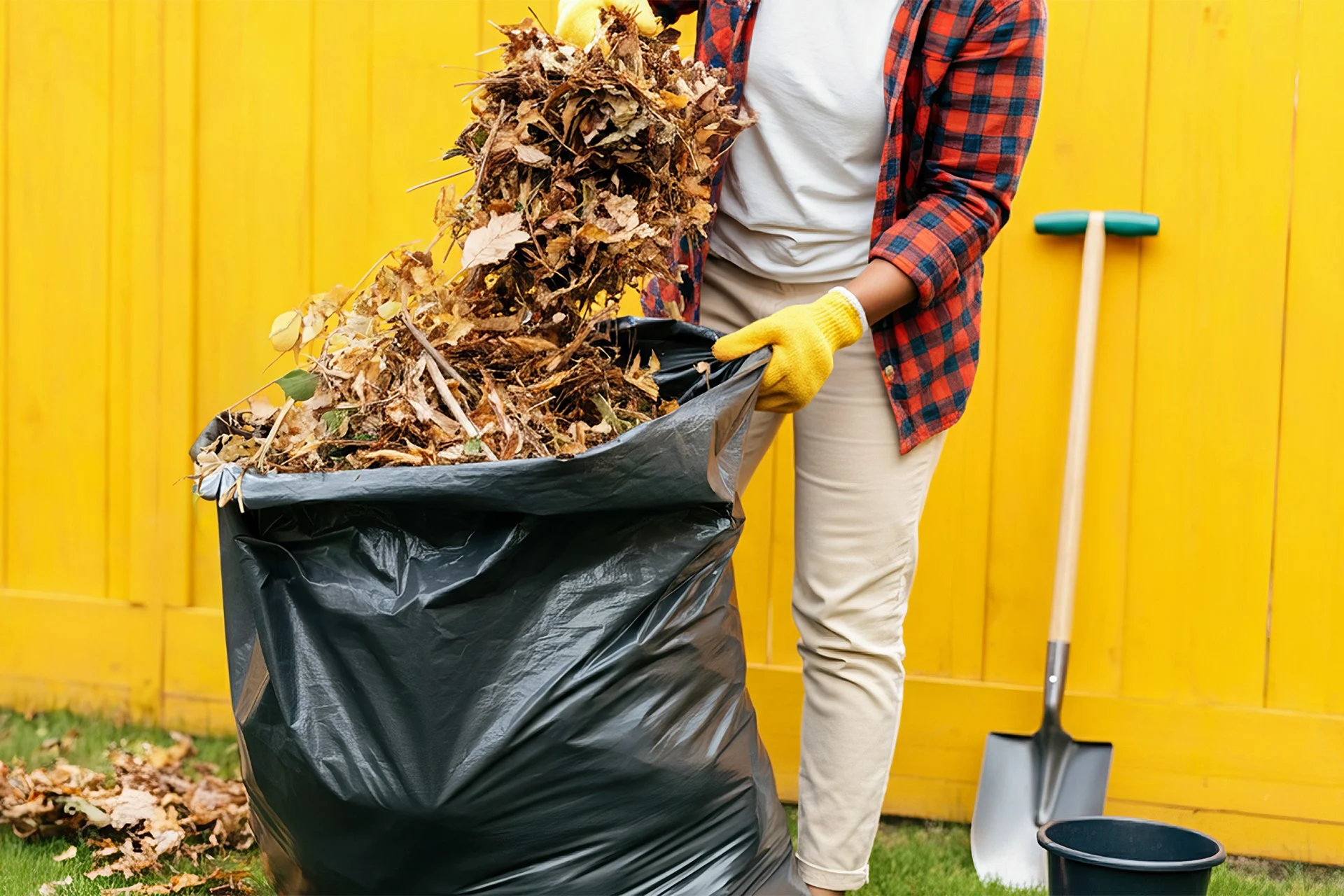
- Curbside pickup. Bag in paper lawn bags if required. Keep bags dry.
- On-site mulch. Mulch mow leaves into turf. Fine bits break down fast.
- Compost. Mix two parts leaves with one part green waste to balance.
- Leaf mold. Pile leaves alone. Keep them moist. They turn into rich soil over time.
Do not burn leaves. Smoke is bad for health and often illegal. Do not blow leaves into roads or drains. It causes clogs and water issues.
Small science helps. Shredded leaves break down faster due to more surface area. A mix of browns and greens keeps heat and air in the pile. Turn the pile now and then for best results. This is both eco-smart and a clean way for how to clean yard leaves without waste.
Seasonal Timing and Weather Tips
Fall is prime time. Work after big drops, but before rain. Dry days are gold. Light wind helps push leaves where you want them.
In spring, remove leftover mats fast. They trap moisture and can harm grass. In summer, clear storm drops to keep drains open.
Watch the forecast. A dry, breezy afternoon can finish a job in half the time. Time your start to match shade and wind shifts. That is the rhythm of how to clean yard leaves the easy way.
Safety, Ergonomics, and Time-Saving Tricks
Your body is part of the tool set. Treat it well.
Simple habits:
- Warm up with a brief walk. Stretch your back and shoulders.
- Switch sides when raking. Short strokes save your back.
- Lift with your legs. Do not twist with heavy bags.
- Use ear and eye protection. Dust and noise add up fast.
- Take short breaks. Sip water. Check your pace.
Time savers I use:
- Work in lanes. Clear one area before moving on.
- Stage piles near exits. Short drags beat long hauls.
- Keep spare mower blades sharp. Sharp blades mulch better.
Respect local rules on blower hours and noise. Many cities limit times. Some ban gas blowers. Be a good neighbor. This is part of how to clean yard leaves while keeping peace on the block.
Eco-Friendly and Neighbor-Friendly Practices
Leaves can be a gift, not waste. Shred light layers into turf to feed soil. Save a small leaf bed in a corner for pollinators. Many insects overwinter in leaves. A tidy yard can still leave room for life.
Be smart with noise and dust. Work mid-day. Lower throttle near property lines. Cap piles so wind does not spread them. Keep sidewalks and drains clear for safety.
I aim for a clean lawn, clear paths, and a quiet plan. That is the balanced way for how to clean yard leaves and care for your wider world.
Cost and Time Estimates
Here is a simple guide from my logs.
Small yard, light tree cover
- Time: 45 to 90 minutes.
- Tools: Rake, small blower, or mulching mower.
- Cost: Low, mainly bags or power.
Medium yard, mixed trees
- Time: 1.5 to 3 hours.
- Tools: Blower plus tarp or mulching mower.
- Cost: Moderate, some fuel or battery use.
Large yard, heavy drop
- Time: Half day or more, often split over two days.
- Tools: Backpack blower, mower, tarp, and bins.
- Cost: Higher, but mulch saves on fertilizer later.
These ranges shift with weather and yard layout. If time is tight, hire a crew for the peak drop, then DIY the rest. It still fits the method of how to clean yard leaves without stress.
Troubleshooting: Common Problems and Fixes
Stuck, slimy leaves
- Break the mat with a steel rake. Let sun dry, then collect.
Pine needles
- Use a springy rake or a lawn sweeper. Mulch in thin layers only.
Acorns and small nuts
- Set mower bagger to pick them up. Rake the rest into bins.
Steep slopes
- Work across the slope, not up and down. Use a tarp for safe drags.
Leaves in hedges and beds
- Use a blower on low behind shrubs to push out leaves. Hand rake to finish.
Avoid these mistakes:
- Waiting for every leaf to fall. You get a wet, heavy mess.
- Bagging everything. Mulch what you can and save money.
- Ignoring safety gear. One twig in the eye ruins a weekend.
These fixes keep your plan on track and refine how to clean yard leaves with less hassle.
Checklist: How to Clean Yard Leaves Fast on a Weekend
Use this quick run sheet.
Day before
- Check weather and city rules.
- Sharpen mower blade. Charge batteries. Stage bags and tarp.
Morning
- Walk the yard. Pick up branches and rocks.
- Choose a main method: rake, blow, mulch, or mix.
Work flow
- Clear beds and edges first.
- Move leaves with wind at your back.
- Stage piles on a tarp near the exit.
- Mulch thin layers into turf.
- Bag or bin the rest right away.
Wrap-up
- Blow walks, patios, and curbs clean.
- Start a leaf mold or compost pile.
- Store tools dry and charged.
Follow this list and you master how to clean yard leaves in record time.
Frequently Asked Questions of how to clean yard leaves
What is the fastest way to clean leaves?
Use a blower to stage piles, then mow-mulch the thin layer that remains. Bag or compost the big piles right away so wind does not spread them.
Should I mulch leaves into my lawn?
Yes, if the layer is light and dry. Shredded leaves feed the soil and do not block grass when cut into tiny bits.
How do I handle wet, heavy leaves?
Break them up with a steel rake and let them dry if you can. If not, bag in small loads to protect your back.
Is a leaf blower better than a rake?
It depends on yard size and leaf volume. Blowers move leaves fast in open spaces, while rakes excel in beds and tight spots.
Can I compost only leaves?
Yes. For faster compost, mix two parts leaves with one part green waste. If you only use leaves, keep them moist and wait longer for leaf mold.
How often should I clean leaves in fall?
Do a light pass each week during peak drop. This keeps layers thin and reduces a big end-of-season push.
Are gas blowers legal everywhere?
No. Some places limit or ban them, or restrict hours. Check local rules before you start.
Conclusion
You now have a complete plan, from tools to timing to disposal. Work dry, use the wind, and pick the right method for your yard. Blend blower staging with mulch mowing, and you will save hours and build better soil.
Start this weekend. Test one or two tips, then refine your flow. If this helped, subscribe for more yard care guides, or leave a comment with your own best trick.