

How To Make Homemade Plant Fertilizer: Easy DIY Guide 2026
Mix kitchen scraps, minerals, and water to create balanced, plant-safe nutrients.
If you want to learn how to make homemade plant fertilizer, you’re in the right place. I’ve tested simple, safe recipes for years in houseplants, herbs, and veggies. In this guide, I’ll show you the best methods, smart ratios, and real-world tips. You’ll see what works, what to skip, and how to feed plants without waste or guesswork.

Why homemade fertilizer works
Your plants need steady food, not random boosts. Kitchen scraps and simple minerals can give nitrogen, phosphorus, potassium, and trace elements. Done right, you save money and reduce waste.
Store mixes work fast, but they can burn roots if used wrong. Homemade blends are gentle and slow, so plants can use them over time. This is why learning how to make homemade plant fertilizer is worth it, even for beginners.
University extension guides note that organic inputs build soil life. That life unlocks nutrients and improves water holding. So your soil gets better each week, not just each feeding.
What plants need: N-P-K and micronutrients
Nitrogen grows leaves and stems. Phosphorus supports roots and blooms. Potassium helps fruit, stress, and disease resistance. Micronutrients like magnesium, calcium, iron, and zinc support many tiny jobs.
Watch for signals:
- Pale leaves often mean low nitrogen.
- Purple stems or slow growth can point to low phosphorus.
- Yellow leaf edges may show low potassium or magnesium.
Studies from horticulture programs show that overfeeding is common. Start light and watch your plants. This is a key rule in how to make homemade plant fertilizer that actually works.

Core recipes you can make today
Compost tea (general-purpose feed)
- Add 1 cup finished compost to 1 gallon water.
- Stir daily or bubble air for 24–36 hours.
- Strain. Dilute 1:2 with water for houseplants.
- Best for: most plants, steady feeding. Avoid using on edible leaves within 24 hours.
- Tip: Use dechlorinated water for better microbe growth.
Banana peel potassium soak
- Chop 1 banana peel into small pieces.
- Soak in 1 quart water for 24 hours. Strain.
- Dilute 1:1 and water at the base.
- Best for: flowering and fruiting plants.
- Note: This is mild. It adds a little K and micronutrients. It is not a full feed.
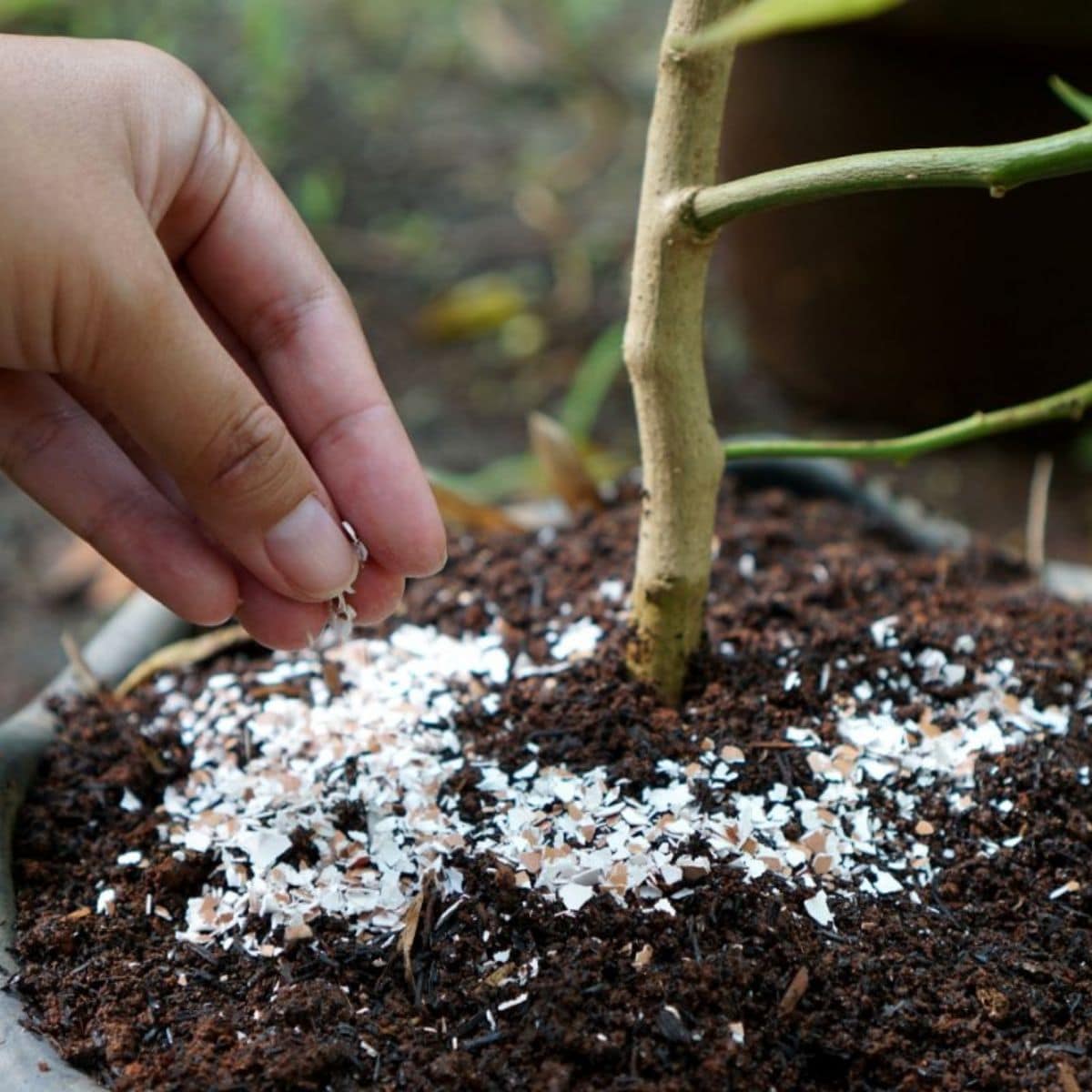
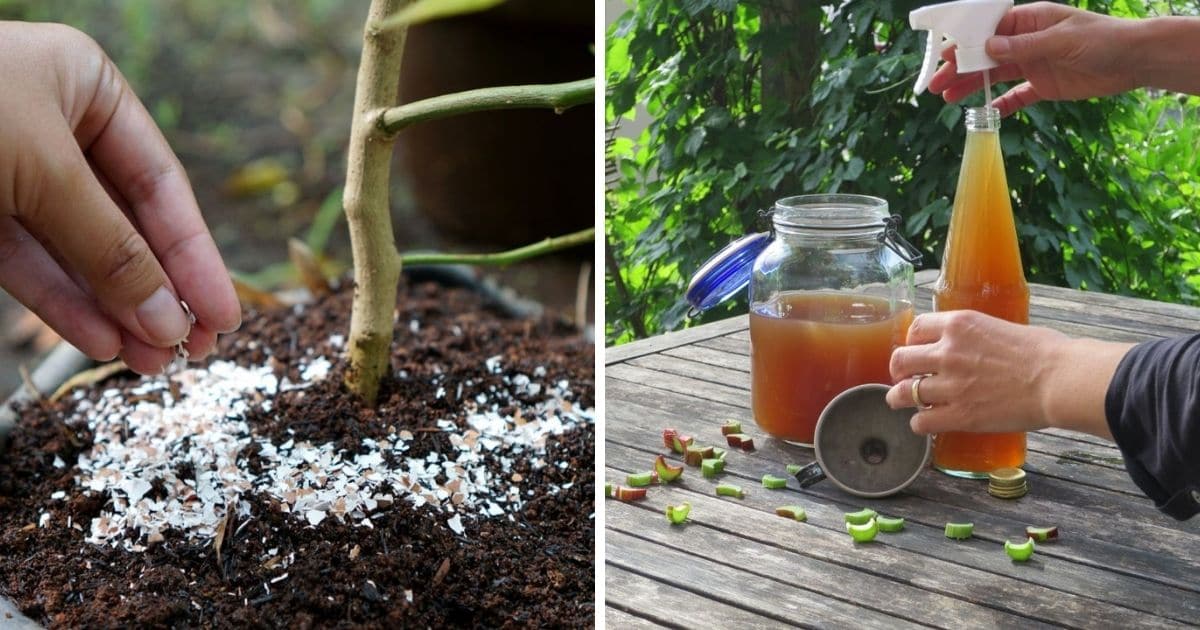
Eggshell calcium powder
- Rinse shells. Bake at 200°F for 10 minutes to dry.
- Grind to a fine powder.
- Mix 1 tablespoon per gallon of soil or steep 1 tablespoon in warm water overnight, then water.
- Best for: tomatoes, peppers, houseplants prone to leaf tip burn.
- Tip: Finer powder releases faster. Calcium is slow, so start early.
Epsom salt magnesium boost
- Dissolve 1 teaspoon in 1 gallon water.
- Use monthly during active growth.
- Best for: tomatoes, peppers, roses with interveinal yellowing.
- Warning: Do not overuse. Only apply if you see signs or have sandy soil.
Coffee grounds (nitrogen and structure)
- Dry used grounds to prevent mold.
- Mix a thin layer into compost or top-dress soil at 1 tablespoon per 6-inch pot.
- Best for: soil structure and mild nitrogen over time.
- Tip: Do not pile thick layers. They can mat and block water.
Seaweed soak (if available)
- Rinse fresh seaweed to remove salt.
- Soak in water for 24 hours. Strain and dilute 1:2.
- Best for: trace minerals and stress relief.
- Note: Very gentle. Great for seedlings and transplants.
Grass clipping tea
- Fill a bucket half full with fresh clippings.
- Add water to cover. Steep 48 hours, stir daily. Strain and dilute 1:5.
- Best for: nitrogen during leaf growth.
- Warning: Use fresh, pesticide-free clippings only.
Worm castings extract (my go-to)
- Add 1 cup worm castings to 1 gallon water.
- Stir well and steep 12–24 hours. Strain and use undiluted or 1:1.
- Best for: all plants, root health, and steady feeding.
- Tip: This is my safest, most reliable feed for indoor plants.
If you ask how to make homemade plant fertilizer that is safe and steady, start here. Keep it simple, clean, and light at first. Track what your plants love, and repeat.

Step-by-step methods: liquid, foliar, and slow-release
Liquid feeds for the root zone
- Choose a base: compost tea, worm extract, or banana soak.
- Strain well to avoid clogging.
- Dilute. A safe start is 1:2 to 1:5.
- Water the soil, not the leaves, until a little drains out.
- Repeat every 2–4 weeks in warm months.
- This is the core of how to make homemade plant fertilizer for most plants.
Foliar sprays for fast help
- Use a very mild tea. Dilute 1:10 or more.
- Spray in early morning or late afternoon.
- Mist both sides of leaves.
- Test on one leaf first. Wait 24 hours.
- Foliar is great when roots are stressed.
Slow-release powders and meals
- Use eggshell powder or well-aged compost.
- Work a small amount into the top inch of soil.
- Water to start release.
- Repeat monthly in the growing season.
- This method gives a steady trickle of nutrients.
Application schedules and dilution by plant type
Houseplants
- Feed lightly every 4–6 weeks in spring and summer.
- Use worm extract or compost tea at 1:4 dilution.
- Skip or reduce in winter when growth slows.
Leafy greens and herbs
- Feed every 2–3 weeks with compost tea at 1:3.
- Add a grass tea boost early for leaf growth.
- Keep soil moist and airy.
Flowering and fruiting plants
- Use banana soak or seaweed between compost teas.
- Feed every 2–4 weeks. Reduce nitrogen near bloom.
- Support with eggshell calcium if needed.
Succulents and cacti
- Very light feeding, 1–2 times in spring.
- Use worm extract at 1:10 dilution.
- Let soil dry between waterings.
Seedlings and young plants
- Wait until true leaves form.
- Use seaweed or worm extract at 1:10.
- Apply weekly in tiny amounts.
If you’re mapping how to make homemade plant fertilizer for each plant, start mild. Then adjust based on growth and leaf color.

Common mistakes and how to fix them
- Overfeeding and leaf burn: Dilute more. Flush with plain water and wait a week.
- Smelly or slimy teas: You brewed too long or without air. Keep it under 36–48 hours and stir often.
- Mold on soil after coffee grounds: Use less and dry grounds first. Mix into soil, not on top.
- Expecting banana peels to fix all: They are mild. Use alongside compost or worm extracts.
- Ignoring pH and water quality: Hard or chlorinated water can slow microbes. Let water sit 24 hours or use a filter.
Researchers and extension experts warn that more is not better. The best tip in how to make homemade plant fertilizer is simple: start light, observe, and log results.

Safety, storage, and sanitation
Keep tools clean. Rinse buckets, strainers, and sprayers after each use. This lowers the risk of harmful microbes.
Do not brew teas for more than 36–48 hours at room temps. Use fresh, and store leftovers in the fridge for up to 24 hours only. When in doubt, pour it on the compost.
Avoid raw manures for indoor plants and leafy greens. If you use them outside, make sure they are well composted. Food safety matters.
Label jars and track dates. This habit makes how to make homemade plant fertilizer safe and repeatable. It also helps you refine what works best.

Cost, impact, and when to buy fertilizer instead
Homemade feeds cost pennies and cut waste. You turn peels, shells, and clippings into value. Over a season, this can save a lot.
Still, there are times to buy a tested mix. If a soil test shows a severe lack of phosphorus or iron, use a targeted product. You can blend store-bought with your recipes for a balanced plan.
If you manage a big garden, test soil yearly. This makes how to make homemade plant fertilizer more precise. You will feed what is needed, not what is easy.

Frequently Asked Questions of how to make homemade plant fertilizer
Can homemade fertilizer replace store-bought food?
Yes, for steady care and healthy soil, it can. For severe lacks, use a targeted product and then go back to homemade.
How often should I feed plants with homemade mixes?
Every 2–4 weeks in the growing season works for most. Go lighter for succulents and in winter.
Is vinegar or baking soda good for plants?
Not as fertilizer. They can change pH fast and stress roots, so avoid routine use.
Can I use urine as fertilizer?
It has nitrogen, but it must be diluted at least 1:10 and used with care. Many gardeners skip it indoors due to odor and hygiene.
Does boiling water from veggies help plants?
Yes, if unsalted and cooled, it adds small minerals. It is mild, so use it as a bonus, not the main feed.
Are banana peels really high in potassium?
They add some potassium and micronutrients, but not a complete feed. Pair peels with compost or worm extract for balance.
Conclusion
You now know how to make homemade plant fertilizer with safe, simple steps. Start with compost or worm teas, add mild boosters, and keep notes. Feed light, watch growth, and adjust.
Try one recipe this week on a single plant and compare results. Small tests build skill and confidence. Want more tips and recipes? Subscribe, ask a question, or share your results with the community.


