

Beginner Friendly Fruit Plants: Easy 2026 Grower’s Guide
Start with strawberries, blueberries, figs, dwarf citrus, and raspberries for easy, sweet success.
If you want fast wins and low stress in your first garden, beginner friendly fruit plants are the best place to start. I’ve grown fruit in tiny patios and full yards across several climates, and I’ll show you exactly which plants forgive mistakes, how to place them, and the simple care that gets you real harvests this year. This guide explains beginner friendly fruit plants in plain language, backed by horticulture best practices and real-life tips you can trust.

What Makes a Fruit Plant Beginner Friendly
Beginner friendly fruit plants are easy to start, need little pruning, and fruit fast. They also handle a range of soils and have few pest issues. Many are self-fertile, so you can grow just one plant and still get fruit.
Key traits to look for:
- Self-fertile or self-pollinating plants that set fruit without a partner.
- Compact or dwarf growth that fits small yards and balconies.
- Tolerance for common mistakes like uneven watering or a missed feeding.
- Fast to harvest within the first season or the next spring.
- Disease resistance and low chill or heat needs for your area.
Why this matters: these traits raise your odds of success, protect your budget, and build momentum. That is the heart of beginner friendly fruit plants.

The Best Beginner Friendly Fruit Plants to Grow Now
Below are top choices I recommend to new growers. I group details by why they are easy, basic care, and any limits to know. All are proven beginner friendly fruit plants with clear paths to harvest.
Strawberries
Why they are easy: Quick to fruit, grow in beds, towers, or hanging baskets.
How to grow:
- Sun: 6–8 hours.
- Soil: Well-drained, pH 5.5–6.5.
- Zones: 3–10, check variety.
- Container: 10–12 inches wide, drains well.
Notes from experience: Everbearing types give fruit over many weeks. Mulch to keep berries clean.
Raspberries and Blackberries (Brambles)
Why they are easy: Tough canes, heavy yields, simple pruning for everbearing types.
How to grow:
- Sun: 6+ hours.
- Soil: Well-drained, pH 5.5–6.5.
- Zones: 4–9 (varies).
- Container: Large 15–20 gallon works for compact types.
Tip: For beginners, choose primocane (everbearing) raspberries. Cut them to the ground each winter. You get fruit on new growth next season. This makes them strong beginner friendly fruit plants.
Blueberries
Why they are easy: Long-lived shrubs with few pests when pH is right.
How to grow:
- Sun: 6–8 hours.
- Soil: Acidic, pH 4.5–5.5. Use peat-free acidic mixes or pine bark fines.
- Zones: 3–10 by type (northern vs. southern).
- Container: 15–20 gallon with acidic mix.
Lesson learned: If leaves yellow with green veins, pH is too high. Fix the soil, not the leaves.
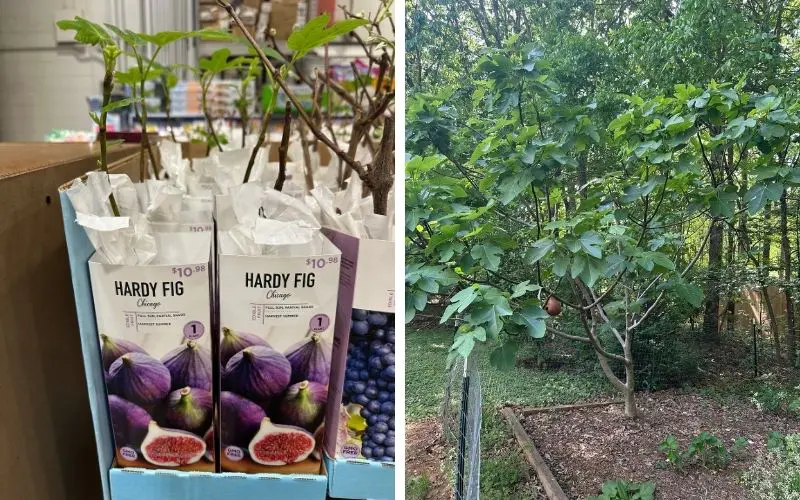
Figs
Why they are easy: Very forgiving, self-fertile, fruit on new growth, handle pruning.
How to grow:
- Sun: 6–8 hours.
- Soil: Well-drained, pH 6.0–7.5.
- Zones: 7–10 outdoors; in colder zones, grow in pots and overwinter.
- Container: 15–25 gallon.
Note: Chicago Hardy and Celeste have been solid in my cool springs. Perfect for beginner friendly fruit plants.
Dwarf Citrus (Meyer Lemon, Calamondin, Lime)
Why they are easy: Evergreen, fragrant blooms, fruits in pots.
How to grow:
- Sun: 8+ hours, bright light indoors in winter.
- Soil: Fast-draining citrus mix, pH 6.0–7.0.
- Zones: 8–11 outdoors; pot culture elsewhere.
- Container: 10–20 gallon with good drainage.
Pro tip: Bring pots indoors before first frost. A bright window with a small fan helps flower set.
Grapes (Table Grapes like Himrod or Reliance)
Why they are easy: Vigorous vines, high yield with a simple trellis.
How to grow:
- Sun: 6–8 hours.
- Soil: Drains well, pH 6.0–7.0.
- Zones: 4–10 by variety.
- Container: Not ideal long term; best in the ground.
Note: Learn one pruning style and stick with it. Spur pruning on a cordon is beginner friendly.
Pomegranates
Why they are easy: Drought-tolerant, pest-light, self-fertile.
How to grow:
- Sun: 6–8 hours.
- Soil: Well-drained, pH 5.5–7.2.
- Zones: 7–10.
- Container: 10–15 gallon works.
Bonus: Ornamental flowers and long storage life.
Mulberries (Dwarf or Pakistan types for pots)
Why they are easy: Fast growth, sweet fruit, tough tree.
How to grow:
- Sun: 6–8 hours.
- Soil: Adaptable, pH 6.0–7.5.
- Zones: 4–9 (varies).
- Container: Dwarf types in 15–20 gallon pots.
Note: Birds love them. Netting helps a lot.
Pineapple (From a Crown)
Why they are easy: Simple start, houseplant habit, slow but steady.
How to grow:
- Sun: Bright light, warm spot.
- Soil: Very well-drained, sandy mix.
- Zones: 10–12 outdoors; indoors anywhere.
- Container: 3–5 gallon.
Expect fruit in 18–24 months. It’s a fun project for new growers and counts as beginner friendly fruit plants.
Passionfruit (Passiflora edulis)
Why they are easy: Fast vine, self-fertile varieties, stunning flowers.
How to grow:
- Sun: 6–8 hours.
- Soil: Drains well, pH 6.0–7.0.
- Zones: 9–11 outdoors; greenhouse or bright sunroom elsewhere.
- Container: 10–15 gallon with a trellis.
Tip: Keep roots evenly moist. Let fruit drop to know it is ripe.
Dwarf Banana (Dwarf Cavendish or Raja Puri)
Why they are easy: Tropical look, fruits in warm zones, good indoor plant.
How to grow:
- Sun: Bright, 8+ hours.
- Soil: Rich, well-drained.
- Zones: 9–11 outdoors; large pot indoors in cooler areas.
- Container: 20+ gallon.
Note: Needs steady warmth to fruit. Even without fruit, it is a fun plant for practice.
Gooseberries and Currants
Why they are easy: Shade-tolerant, compact, self-fertile, reliable in cool climates.
How to grow:
- Sun: 4–6 hours; handle partial shade.
- Soil: Moist, well-drained, pH 6.0–6.8.
- Zones: 3–8.
- Container: 7–10 gallon.
These shrubs are underrated beginner friendly fruit plants in cool zones.

Site, Soil, and Container Basics
Good placement solves most problems before they start. Here is a simple checklist I use for new growers choosing beginner friendly fruit plants.
Sunlight
- Aim for 6–8 hours of direct sun. Citrus and grapes like the high end.
- Morning sun dries dew and lowers disease risk.
Soil and drainage
- Do a simple drainage test. A hole should drain in under 4 hours.
- Add compost for structure. Do not bury roots too deep.
- Match pH to the plant. Blueberries need 4.5–5.5. Most others like 6.0–7.0.
Containers
- Use quality potting mix, not garden soil.
- Pick pot size for mature roots. Most shrubs like 10–20 gallons.
- Ensure many drain holes and a saucer you can empty.
Mulch
- Keep 2–3 inches of mulch over soil, not touching stems.
- Mulch saves water and keeps fruit clean.
Water
- Water deep, then let the top inch dry. Roots like air too.
- Drip lines or a simple watering ring make even soaking easy.
This setup supports beginner friendly fruit plants from day one.

Care Schedule 101: Water, Feed, Prune, Protect
Keep it simple. Use a light touch and focus on steady habits. This routine works well for most beginner friendly fruit plants.
Water
- Spring to fall: deep soak 1–2 times per week, more in heat waves.
- Containers dry faster. Check soil with your finger.
Feeding
- Early spring: slow-release organic fertilizer.
- Midseason: a light top-up or compost tea.
- Blueberries need acid-friendly feed. Citrus likes a citrus-specific blend with micronutrients.
Pruning
- Everbearing raspberries: cut all canes to ground in late winter.
- Blueberries: remove dead wood and the oldest canes after year three.
- Grapes: learn one simple system and repeat each winter.
- Figs and citrus: shape lightly for airflow and size.
Protection
- Birds: netting over berries and grapes.
- Insects: blast aphids with water or use insecticidal soap. Neem can help on soft pests.
- Disease: space plants, prune for airflow, water at soil line.
A first-year timeline
- Early spring: plant, mulch, start slow-release feed.
- Late spring: install stakes or trellis; begin drip if possible.
- Summer: deep water, light feed, net berries as they ripen.
- Fall: clean fallen fruit, reduce water as temps drop, prune where needed.
- Winter: protect pots from freeze, do main pruning on brambles and grapes.

Climate and USDA Zones Made Simple
Match plants to your weather. This single step lifts success with beginner friendly fruit plants.
What to check
- USDA zone: lowest winter temps your area sees.
- Chill hours: cool hours needed for some fruits to set buds. Low-chill types fit warm winters.
- Heat and sun: citrus and grapes love heat. Blueberries and currants handle some shade.
Easy matches
- Cool to cold zones (3–6): strawberries, raspberries, currants, hardy grapes, gooseberries, some figs with winter protection.
- Mild zones (7–8): figs, blueberries (choose the right type), pomegranates, brambles, table grapes.
- Warm zones (9–11): citrus, passionfruit, bananas, pineapples, pomegranates, heat-loving figs.
Microclimates help
- South-facing walls boost heat and protect figs or citrus.
- Windbreaks protect blossoms in spring.
- Containers let you roll plants to ideal spots.
These basics align beginner friendly fruit plants with your yard, balcony, or window.

Common Mistakes and How to Avoid Them
I have made all of these at least once. Here is how to dodge them with beginner friendly fruit plants.
- Planting too deep: Keep the crown at soil level. Blueberries and strawberries hate buried crowns.
- Overwatering: Soggy soil leads to root rot. Water deep, then let the top inch dry.
- Ignoring pH: Blueberries go yellow in alkaline soil. Use acidic mix from day one.
- Buying the wrong variety: Check chill hours and USDA zone. Pick self-fertile for a single-plant setup.
- Skipping support: Grapes and raspberries need a trellis or stakes. Install early.
- No bird netting: You will lose berries overnight. Netting is cheap insurance.
- Heavy pruning at the wrong time: Learn the one rule for your plant and stick to it.
- Starving container plants: Pots lose nutrients fast. Use slow-release and a midseason boost.
A small story: my first blueberries sat green for months. The fix was not more fertilizer. It was a pH check and a switch to an acidic medium. The plants turned deep green in two weeks and the next spring was full of fruit. That is the power of matching needs with beginner friendly fruit plants.
Budget and Time-Saving Tips
You can start smart without spending much. These tricks work well for beginner friendly fruit plants.
- Buy bare-root brambles in late winter. They are cheap and take off fast.
- Choose everbearing strawberries. Many fruit the first season.
- Use a single slow-release feed at planting. Top up midseason only if needed.
- Set a 30-minute weekly garden block. Water deep, check leaves, remove weeds, and enjoy.
- Share bulk soil and mulch with a neighbor. Split costs and lift bags together.
- Join your local extension or garden club. Free classes and plant swaps save money.
Most of my best harvests came from simple, steady care rather than fancy products.

Harvest, Storage, and Use
Pick at peak and treat fruit right. Beginner friendly fruit plants reward you fast when you follow these signs.
Harvest cues
- Strawberries and raspberries: full color, easy to pull.
- Blueberries: deep blue with a dull bloom; wait a few days after color.
- Figs: soft to the touch, droop on the stem, tiny cracks may show sweetness.
- Grapes: taste test on the vine; they do not ripen after picking.
- Citrus: color plus taste test; some types stay a little green but are ripe.
Storage
- Berries: refrigerate unwashed, single layer if you can, eat in 2–3 days.
- Grapes: fridge, loose bag, 1–2 weeks.
- Figs: eat fast or chill for 2–3 days.
- Citrus and pomegranates: cool counter or fridge, weeks to months.
Simple uses
- Fresh bowls and yogurt toppings.
- Quick freezer packs: wash, dry, freeze on a tray, then bag.
- Small-batch jam in a skillet for 10 minutes.
- Dehydrate grapes into raisins or citrus peels into zest.
These small steps turn beginner friendly fruit plants into daily snacks, gifts, and pantry wins.

Frequently Asked Questions of beginner friendly fruit plants
What are the easiest fruits to grow for total beginners?
Strawberries, raspberries, blueberries, figs, and dwarf citrus are reliable. They are self-fertile or need simple care and fit small spaces.
How fast will I get fruit from beginner friendly fruit plants?
Strawberries and everbearing raspberries can fruit in the first season. Blueberries, figs, and grapes often fruit in the second year with good care.
Can I grow beginner friendly fruit plants in containers?
Yes. Blueberries, strawberries, figs, citrus, and pomegranates do well in pots. Use a large container, quality mix, and regular watering.
How many hours of sun do these plants need?
Aim for 6–8 hours of direct sun. Citrus and grapes prefer the high end, while currants handle some shade.
Do I need two plants for pollination?
Most choices here are self-fertile. Blueberries set better with two compatible varieties, but many will still fruit alone.
What soil pH is best for beginner friendly fruit plants?
Most prefer 6.0–7.0, except blueberries, which like 4.5–5.5. Test soil or use the right potting mix to match each plant.
How do I protect fruit from birds and pests?
Use netting over berries and grapes, and soap sprays for aphids. Keep plants spaced for airflow and water at the soil line.
Conclusion
You do not need a big yard or years of skill to grow fruit. Pick two or three beginner friendly fruit plants that match your sun and climate, set them up with good soil and steady water, and let them do the heavy lifting. Start small, learn fast, and scale after your first harvests.
Ready to plant your first fruit patch? Choose one plant from this list today, set a simple weekly care block, and share your progress in the comments. If you found this guide helpful, subscribe for more step-by-step fruit and garden tips.


