

Greenhouse Gardening For Beginners: Start Smart In 2026
Greenhouse gardening for beginners means growing healthy plants year-round by managing climate.
If you want steady harvests, fewer weather shocks, and faster growth, you’re in the right place. I’ve set up, tuned, and fixed many small greenhouses. This guide on greenhouse gardening for beginners gives you a clear plan, simple steps, and hard-won tips you can trust.
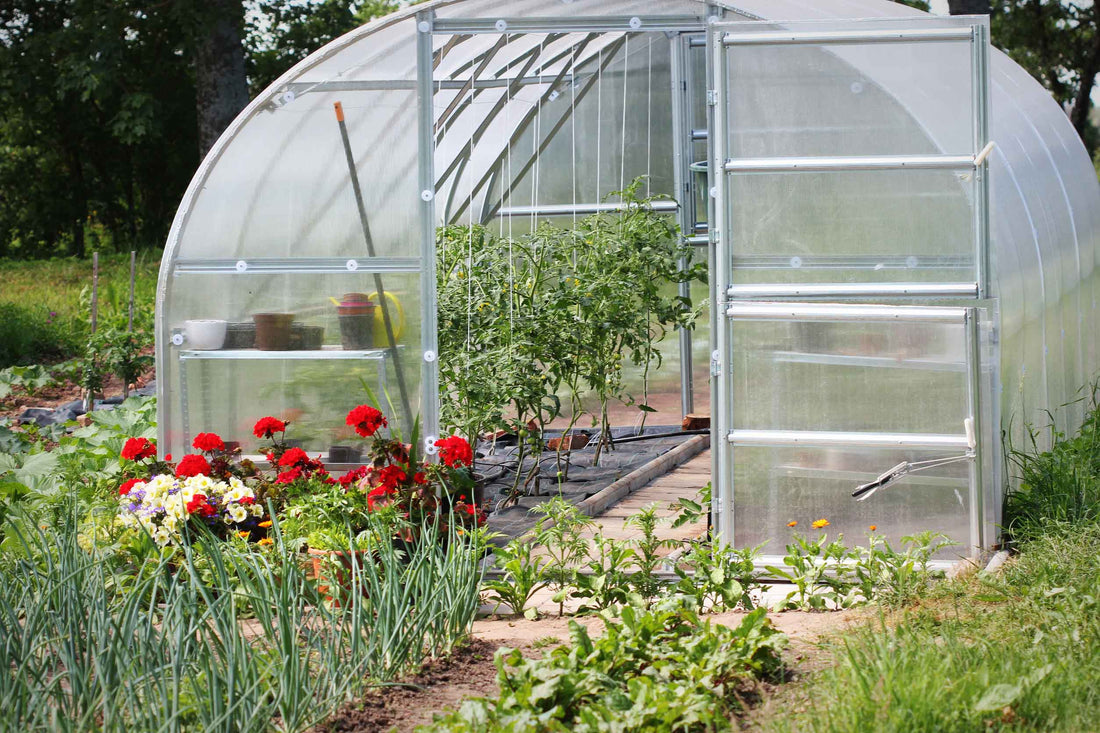
What Is Greenhouse Gardening?
A greenhouse is a protected space that traps heat and shields plants from wind, rain, and pests. You control temperature, light, airflow, and water. This control helps seeds sprout faster and crops grow longer.
For greenhouse gardening for beginners, think of it like a jacket for your garden. It smooths out bad weather. You still need good light, air, and care. But you get a safer path to success.

Why Choose a Greenhouse: Benefits and Limits
A small greenhouse can turn a short season into a long one. You can start seeds early and keep greens into winter. You also reduce pest pressure and disease spread from rain splash.
Key benefits
- Longer season and more harvests
- Better seed starting and transplants
- Less wind and storm damage
- Cleaner leaves and fewer diseases
- Higher yields per square foot
Real limits to plan for
- Heat can spike fast on sunny days
- Humidity can rise and cause mold
- Upfront cost and ongoing upkeep
- Pollinators may have less access
- You still need sun and fresh air
In my first winter with a 6×8 poly greenhouse, I grew lettuce, spinach, and kale all season with simple row covers. It worked well. But I also learned how fast heat and moisture can build. A cheap fan and propping the door made a big difference.
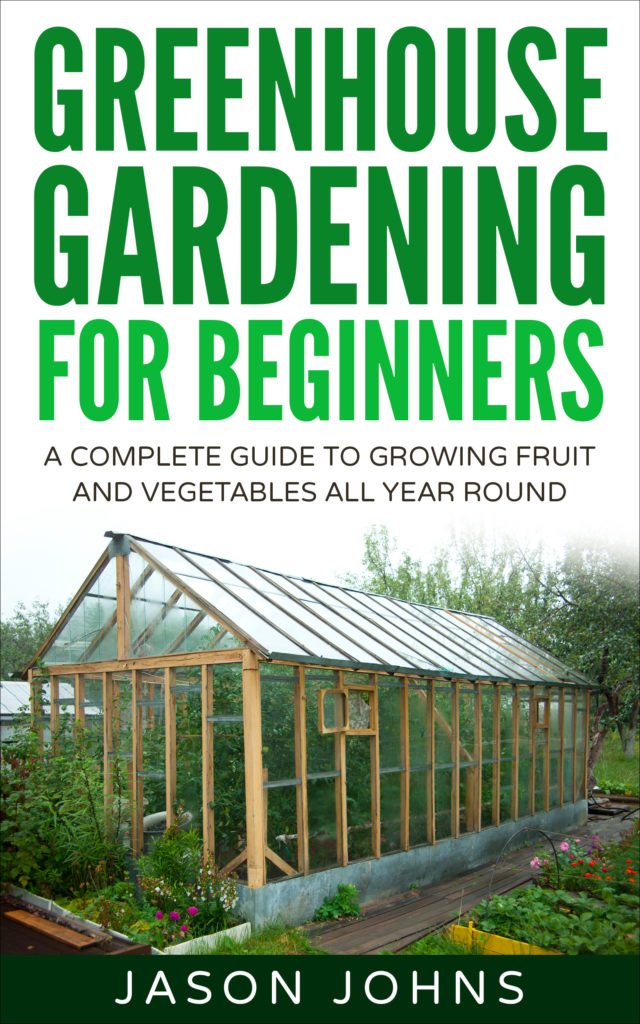
Pick the Right Greenhouse
Your choice sets your success path. For greenhouse gardening for beginners, start small and sturdy.
Main types
- Hoop house Simple and cheap. Great for season extension.
- Polycarbonate panels Good insulation. Safer than glass. Ideal for cold zones.
- Glass Classic look and great light. Costs more and needs strong frames.
- Mini or walk-in kits Fast setup. Good for patios and small yards.
Size tips
- Choose a size you can fill and manage.
- A 6×8 or 8×10 suits most starters.
- Leave room to move, water, and prune.
Cover tips
- Poly film is low cost and easy to replace.
- Twin-wall polycarbonate holds heat better.
- Look for UV-stable covers for longer life.
Frame tips
- Galvanized steel lasts and resists rust.
- Aluminum is light and low upkeep.
- Wood looks nice but needs care.

Site, Light, and Layout
Light drives growth. Aim for 6 to 8 hours of full sun in winter if you can. Face the ridge east–west in cold zones to catch more winter light. Keep trees, fences, and sheds from casting shade.
Site checklist
- Level ground and good drainage
- Easy water and power access
- Windbreaks on the north or west side
- Space for doors to open wide
Layout tips
- Use 24 to 30 inch paths for easy access.
- Put tall plants on the north side so they do not shade others.
- Group crops by water needs to save time.
- Keep a clean zone near the door for tools and trays.
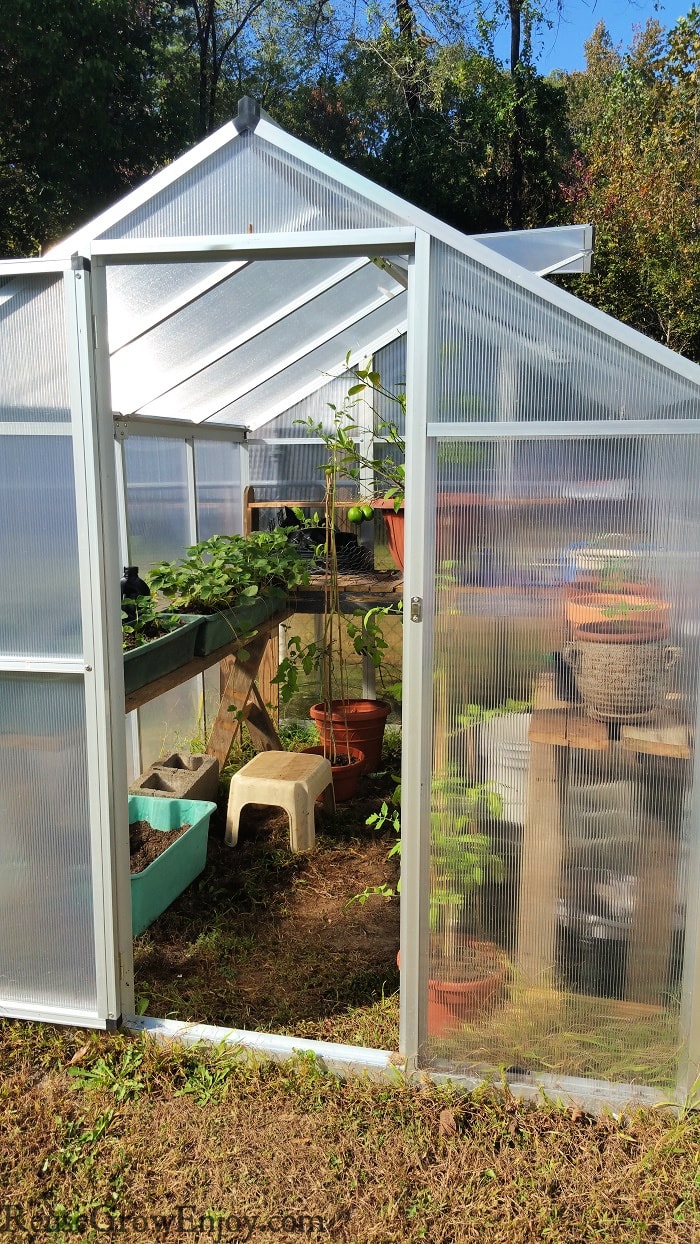
Climate Control Basics: Heat, Air, and Humidity
Plants thrive in steady ranges. Fast swings cause stress. For greenhouse gardening for beginners, learn the simple controls first.
Day and night targets
- Cool-season crops 60–70°F day, 45–55°F night
- Warm-season crops 70–85°F day, 60–70°F night
- Relative humidity 50–70% for most crops
Low-cost climate tools
- Roof vents release heat fast
- Clip-on fans keep air moving
- Shade cloth cuts heat and sunburn
- Row covers add night warmth
- Water barrels store daytime heat and release it at night
Pro tip
Set one small sensor in sun and one in shade. I once found a 12°F gap between the two zones. That data helped me move a fan and add a vent opener. Hot spots vanished.
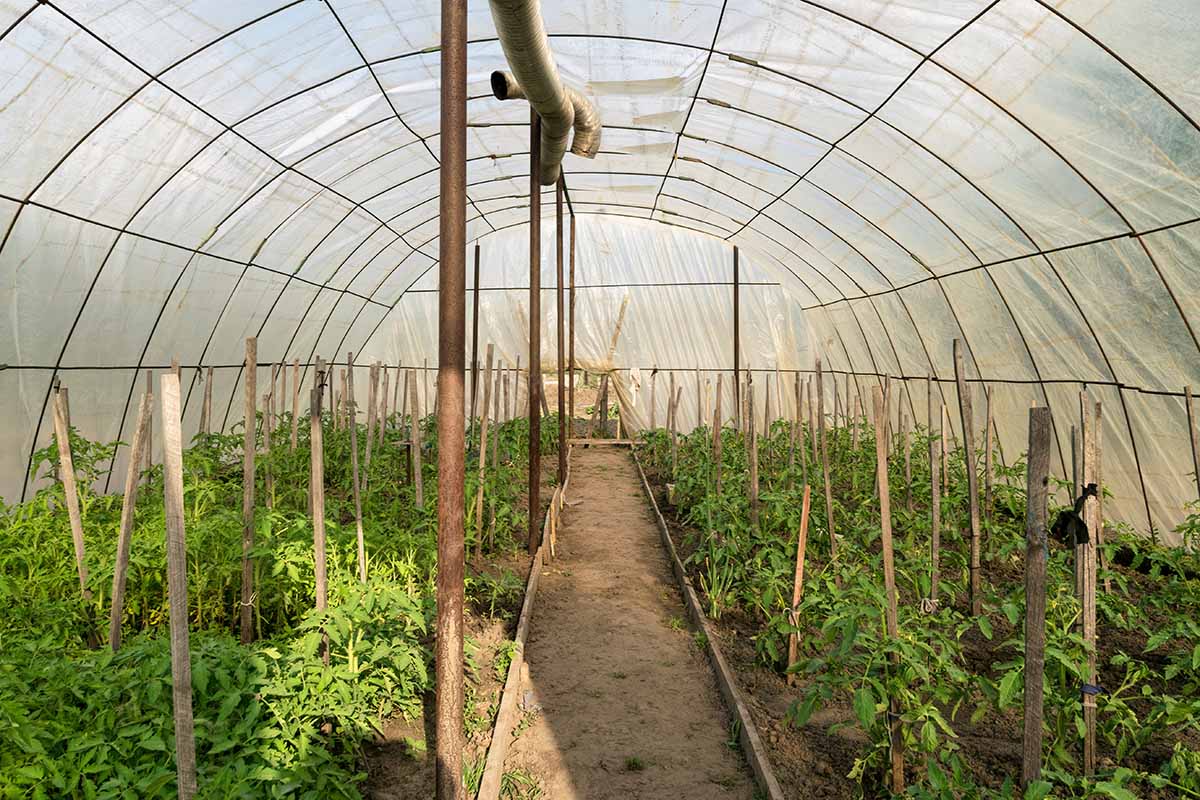
Soil, Media, and Containers
You can grow in the ground, raised beds, or pots. For greenhouse gardening for beginners, raised beds and bags keep things simple and clean.
Media choices
- Potting mix Light, sterile, and drains well
- Compost Adds life and slow nutrients
- Coco coir Holds water yet drains
- Perlite or pumice Adds air space
Simple mixes
- Seed starting 2 parts potting mix, 1 part vermiculite or perlite
- Veggie beds 60% compost, 30% topsoil, 10% perlite
Fertilizer basics
- Start with slow-release organic feed in the media.
- Boost with liquid feed every 1 to 2 weeks in peak growth.
- Test pH. Most veggies like 6.0–7.0.

Watering and Irrigation
Greenhouses cut rain, so you handle water. Overwatering invites root rot. Underwatering stunts growth.
Smart habits
- Water in the morning to reduce mildew.
- Water at the base to keep leaves dry.
- Check moisture 2 inches deep before watering.
Easy systems
- Soaker hoses or drip lines for beds
- Drip stakes for pots and grow bags
- A simple timer to keep it steady
I switched from hand watering to drip with a timer. My disease issues fell. Growth got more even. Plus, I saved time each week.

Best Beginner Crops for Greenhouse Gardening
Some crops fit a greenhouse better than others. Pick wins first. Save divas for later.
Cool-season winners
- Lettuce, spinach, arugula
- Kale, chard, Asian greens
- Radish, carrots, beets
- Peas and herbs like parsley and cilantro
Warm-season winners
- Cherry tomatoes and bush tomatoes
- Cucumbers, peppers, and basil
- Dwarf beans and compact eggplants
Fast payoffs
- Cut-and-come-again lettuce mix
- Spring onions and microgreens
- Ever-bearing strawberries in pots
Crop spacing example
- Cherry tomato 18 inches apart, single stem on a string
- Cucumber 12 inches apart, train up a trellis
- Lettuce 8–10 inches apart, harvest outer leaves weekly

Pest and Disease Prevention
A greenhouse blocks some pests, but others love the stable space. Stay clean and scout often.
Daily habits
- Open doors and run fans for airflow.
- Remove dead leaves at once.
- Keep paths dry and clear.
Common pests
- Aphids and whiteflies Check leaf undersides.
- Spider mites Look for webbing in heat.
- Fungus gnats Wet soil is their sign.
Simple controls
- Sticky traps to monitor flying pests
- Neem oil or insecticidal soap for soft-bodied bugs
- Beneficial insects like lady beetles or Encarsia
- Copper or bio-fungicides at first sign of mildew
I once fought whiteflies on basil for weeks. The fix was not spray alone. It was more airflow, less humidity, and a pause on overfeeding nitrogen. The balance pushed them out.
A Simple Year-Round Plan
Greenhouse gardening for beginners shines with a clear calendar. Keep tasks light and steady.
Seasonal sketch
- Late winter Start onions, brassicas, and greens.
- Spring Start tomatoes, peppers, and cucumbers. Harden off transplants.
- Summer Vent all day. Shade cloth on hot weeks. Harvest often.
- Fall Sow spinach, kale, and carrots for winter.
- Winter Use row covers inside. Grow cold-hardy greens.
Weekly rhythm
- Monday Quick scout and notes
- Wednesday Water check and pruning
- Friday Harvest and clean
- Sunday Feed and plan next tasks
Budget, Tools, and ROI
Start lean. Add gear only when a clear need shows up.
Essential starter list
- Greenhouse kit or hoop with UV-stable cover
- Thermometer, hygrometer, and soil moisture probe
- One fan and one auto vent opener
- Drip kit with timer
- Trays, pots, labels, pruners, and a clean bucket
Where to invest first
- Good cover and strong frame
- Venting and airflow
- Reliable irrigation
What to add later
- Shade cloth
- Row covers
- Supplemental LED lights for dark winters
ROI snapshot
- Fresh herbs and salad greens can pay back fast.
- A steady cherry tomato crop can run 6–9 months.
- Reduced grocery trips and less waste add real value.
Common Mistakes and How to Fix Them
Greenhouse gardening for beginners often fails due to heat and water swings. The fixes are simple and low-cost.
Top mistakes
- Overheating on sunny days Fix with vents, shade, and fans.
- Overwatering Fix with drip, mulch, and moisture checks.
- Crowding plants Fix with pruning and better spacing.
- Ignoring airflow Fix with a small fan and open paths.
- Skipping sanitation Fix with weekly cleanups and tool wipes.
Quick diagnostic tips
- Wilting at noon but not morning means heat stress, not dry soil.
- Yellow lower leaves with wet soil point to root stress.
- Pale new leaves suggest low nitrogen or iron. Check pH first.
Frequently Asked Questions
What size greenhouse should a beginner start with?
A 6×8 or 8×10 works well for most homes. It fits core crops and stays easy to manage.
Do I need heat in winter?
Often no, if you grow hardy greens and use row covers. For warm crops, you need heat or wait for spring.
How do I ventilate without power?
Use roof vents and manual side vents. Automatic vent openers work without electricity.
Can I grow tomatoes and lettuce together?
Yes, if you split zones. Keep tomatoes warm and dry, and keep lettuce cooler with shade and airflow.
How often should I water?
Check soil twice a week at first. Water when the top 2 inches are dry, then set a timer to match that need.
Are LEDs worth it for beginners?
If your winters are dark, yes. A few efficient LEDs speed starts and reduce leggy growth.
What is the best soil mix for pots?
Use a light potting mix with perlite and compost. It drains well and holds enough feed for roots.
Conclusion
Greenhouse gardening for beginners is about control, not luck. Start small, vent well, water smart, and pick crops that forgive mistakes. Track simple numbers like temp, humidity, and soil moisture, and you will see steady gains.
Here is your next step. Choose a space, pick a simple kit, and plant three reliable crops this month. Share your progress, ask questions, and subscribe for more step-by-step guides and checklists.


