Manual tools are safer and precise; chemicals are faster for big infestations.
You step outside, coffee in hand, and see dandelions everywhere. Your lawn was tidy last week. Now it looks like a patchwork of yellow flags. Do you grab a weed puller and start yanking? Or do you spray and hope for quick results? I’ve been there, and I’ve tested both routes. In this guide, I break down manual weeding tools vs chemical weed control so you can pick the right method for your yard, your schedule, and your values—without wasting time, money, or soil health.
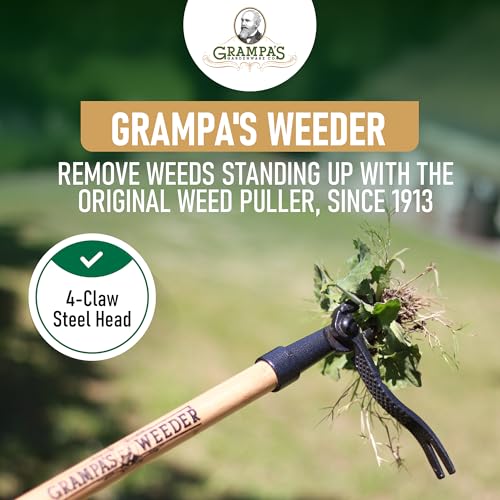
Grampa’s Weeder Stand-Up Weed Puller

Grampa’s Weeder is the stand-up classic I still grab first. The long bamboo handle and four-claw steel head bite into the soil and pull the root out clean. I can stand tall, press the claws around the crown, and lever the weed up without bending. It shines on dandelions and taproot weeds, which are notorious for coming back if you leave even a small piece behind.
The tool works best in moist soil. Dry, packed ground needs a quick watering or a pass right after rain. The build feels solid, and the bamboo handle gives a warm, natural grip. If you want a simple, chemical-free strategy that protects kids, pets, and pollinators, this is a great start.
Pros:
- Stand-up design saves your back and knees
- Four-claw head grabs roots for fewer regrowths
- Fast learning curve and smooth leverage
- Bamboo handle feels natural and reduces vibration
- No herbicides near veggies, beds, or play areas
- Quiet, low-stress weeding you can do anytime
- Durable steel claws handle dense turf patches
Cons:
- Less effective in very hard or rocky soil
- Large woody weeds may need pre-loosening
- Wet clay can stick to the claws between pulls
My Recommendation
If you want the cleanest break in manual weeding tools vs chemical weed control, start here. It fits small yards, organic beds, and anyone avoiding sprays. It’s also ideal when you face scattered weeds rather than a full takeover. I reach for it when I see fresh dandelion blooms or single invaders in a lawn.
| Best for | Why |
|---|---|
| Back-friendly weeding | Stand-up leverage reduces bending and kneeling |
| Taproot weeds | Four-claw bite helps pull deep crowns and roots |
| Spray-free lawns | No chemicals near kids, pets, or edible beds |
Fiskars Ergo Weeder Hand Tool

The Fiskars Ergo Weeder is a compact hand tool that makes precise work simple. The forked tip slides under crowns and pries out roots with a twist. I use it along edges, around ornamentals, and in tight corners where large stand-up tools can’t reach. The ergonomic handle reduces hand strain and gives steady control.
It’s ideal for dandelions, thistles, and young broadleaf weeds before they mature. The small size also helps in raised beds and containers. Hang it by the built-in hole for easy storage. If your bed edges keep popping out little weeds, this is a smart, low-cost fix.
Pros:
- Pinpoint accuracy around flowers and seedlings
- Ergonomic handle reduces wrist fatigue
- Great control for roots in tight spaces
- Lightweight and easy to carry in a tool belt
- Dependable build for frequent use
- Perfect for raised beds and containers
- Budget-friendly first tool for new gardeners
Cons:
- You must kneel or crouch to use it
- Slower for large lawns or heavy invasions
- Not ideal for deep, mature taproots alone
My Recommendation
If you lean toward manual weeding tools vs chemical weed control and want surgical precision, grab this. It’s best for edges, beds, and spot fixes after mowing. I also recommend it as a backup to a stand-up puller. You’ll reach places a long-handle tool can’t touch.
| Best for | Why |
|---|---|
| Raised beds and borders | Precise tip protects nearby plants |
| New or small weeds | Quick prying removes roots before they thicken |
| Budget starter tool | Low price, high utility, easy to store |
NICOFPHY 60-Inch Weed Puller & Hoe

This 60-inch tool combines a weed puller and a hoe into one. I like it for rows, pathways, and open beds where you need to churn through a lot of small weeds fast. The hoe slices at the soil surface to cut seedlings before they root deep. Flip and rake to gather debris or uproot shallow weeds where precision isn’t critical.
The long handle keeps your posture upright, which helps during long sessions. It also covers ground faster than small hand tools. For large yards or vegetable patches, this hybrid earns its spot. It can shift your routine from reactive pulls to planned sweeps.
Pros:
- 2-in-1 design switches from hoeing to pulling
- Long handle reduces bending and back strain
- Slices through carpets of small weeds quickly
- Good for paths, rows, and open beds
- Heavy-duty build for repeated passes
- Speeds up weekly maintenance cycles
- Helps create clean edges along beds
Cons:
- Heavier than small hand tools for tight spaces
- Can disturb nearby seedlings if used too close
- Assembly and handle sections may loosen if not tightened
My Recommendation
When you weigh manual weeding tools vs chemical weed control for big areas, this tool narrows the gap. It excels when you need speed without spraying. I suggest it for gardeners who maintain long rows, gravel paths, or large borders. Use a stand-up puller for taproots, then sweep with this to keep seedlings down.
| Best for | Why |
|---|---|
| Large beds and paths | Hoe action clears many small weeds fast |
| Weekly maintenance | Routine slicing stops weeds before they root deep |
| Back-friendly work | 60-inch handle supports upright posture |
Walensee Stand-Up Weed Puller (3 Claws)

The Walensee stand-up weeder uses a three-claw design and a foot pedal to grip weeds. Step, twist, and pull—the motion becomes natural after a few minutes. The ejection mechanism lets you drop weeds into a bucket without bending. It’s a tidy, efficient system for lawns with scattered broadleaf weeds.
It’s especially helpful if your soil is loamy or sandy, where the claws sink in easily. The build is sturdy and the foot step adds power. For speed, it often beats hand tools while staying chemical-free. If you want clean, repeatable pulls, this tool fits the job.
Pros:
- Foot pedal adds force with minimal effort
- Three-claw grip holds crowns and roots tight
- Ejector releases weeds without touching them
- Great for lawns with frequent dandelions
- Stand-up design is easy on the back
- Fast rhythm once you find your pace
- Good for pet- and kid-friendly yards
Cons:
- Claws can struggle in heavy, dry clay
- Large woody stems may need pre-loosening
- Moving parts can wear with very heavy use
My Recommendation
If you want to avoid sprays but still move fast, this makes manual weeding tools vs chemical weed control feel even. It’s the right pick for lawns with frequent isolated weeds. I like the clean ejection—it keeps hands and gloves dry. Use it after rain or watering for the best grabs.
| Best for | Why |
|---|---|
| Frequent lawn weeds | Fast step-twist-pull routine clears patches quickly |
| Touch-free cleanup | Ejector drops weeds right into your bucket |
| Back comfort | Stand-up design limits bending and kneeling |
SIXCAR Portable Weed Remover Tool

The SIXCAR portable weeder is a small, grab-and-go tool for tight spots. The rubber handle gives a solid grip. The tip targets crowns in cracks, planters, and narrow beds where big tools can’t reach. I also use it to tease out roots tangled in mulch around shrubs.
It’s light, simple, and easy to keep in a pocket or caddy. For quick walks through the garden, it makes spot weeding a habit. You’ll catch problems early before they spread. It’s a smart partner to a stand-up puller or hoe.
Pros:
- Compact size fits cracks, joints, and tight edges
- Rubber handle improves comfort and control
- Great for containers and raised beds
- Low cost, high utility, easy to carry
- Precision reduces damage to nearby roots
- Perfect for daily five-minute “weed walks”
- Ideal companion tool to larger weeders
Cons:
- Requires kneeling and close-up work
- Not suited for big lawns or heavy infestations
- Deep taproots may break without pre-loosening
My Recommendation
For manual weeding tools vs chemical weed control in small spaces, this is a winner. Keep it near the door and pull a few weeds as you pass by. It shines in planters, patios, and tight corners. Pair it with a stand-up weeder for a complete, spray-free routine.
| Best for | Why |
|---|---|
| Patios and pavers | Small tip reaches cracks and joints cleanly |
| Containers and raised beds | Precision weeding around tender roots |
| Daily touch-ups | Light, portable, perfect for quick spot pulls |
Manual Weeding Tools vs Chemical Weed Control: How to Choose
The real question is not “Which is better?” It is “Which is better for your yard today?” Manual weeding tools vs chemical weed control each have a role. Your decision depends on weed type, scale, time, budget, and safety needs. Here is how I match method to the moment.
Consider safety first. If kids or pets use the lawn, manual tools offer peace of mind. You avoid drift and residues. You also work near edibles with less worry. Local rules matter too—many areas in 2026 limit broadcast spraying near waterways and pollinator zones.
Scope and speed matter next. For scattered weeds, manual tools are faster than you think. A stand-up puller clears dozens in minutes. For an acre of heavy broadleaf weeds, a targeted herbicide may save weeks of labor. I still spot-treat rather than blanket-spray when possible.
Think about weed biology. Taproot weeds regrow if you leave root pieces. Pullers that extract the crown reduce repeat work. Grassy weeds and seedlings fall fast to a hoe. Extension research shows early removal reduces seed bank build-up, which means fewer weeds later.
Soil and lawn health also guide the choice. Manual removal preserves soil microbes and worms. It avoids stress on turf from misapplied chemicals. Herbicides can be useful, but follow the label, choose selective products, and observe re-entry times. Good mowing height and overseeding help close gaps weeds love.
Costs can even out over time. A solid manual tool is a one-time buy. Herbicides add up with repeat treatments, sprayers, protective gear, and disposal steps. I like to invest in tools, then reserve chemicals for edge cases or invasive takeovers.
Finally, plan the season. Use pre-emergent products in early spring only if needed and allowed. They stop seeds from sprouting but do not kill established weeds. For post-emergent control, target dry days with low wind. Pair that with weekly manual sweeps to protect pollinators and soil life.
Seasonal Strategy and Tips (2026)
Spring: Start with a cleanup pass. Pull overwintered dandelions with a stand-up tool. Hoe seedlings on warm afternoons when the soil surface is dry. If you use pre-emergents, apply at the right soil temps and avoid edible beds.
Summer: Mow high to shade soil and crowd weeds. Water deep and less often to favor turf roots. Spot-pull after rain when roots slip out clean. If you must spray, go small and selective. Keep kids and pets out until the label says it is safe.
Fall: Pull late bloomers before they seed. Overseed thin turf to block winter weeds. A final hoe pass breaks small rosettes. Clean tools so steel parts do not rust. Store in a dry area and hang hand tools to protect edges.
Winter: Plan. List the weeds that gave you trouble. Learn their life cycles. A little knowledge turns manual weeding tools vs chemical weed control into a balanced plan. Set reminders for spring soil temps and first passes.
Cost and Time Breakdown: What to Expect
Manual tools: You pay once, then invest time. A stand-up puller and a small hand weeder cover 90% of home needs. With a 10–15 minute walk each week, you can stay ahead of most lawns. This habit costs almost nothing after year one.
Chemical control: You pay by the bottle and by the season. You may also need a sprayer, gloves, goggles, and storage. Many weeds need repeat treatments, especially in dense patches. Accurate timing and weather windows matter. The payoff is speed on large infestations.
Hybrid plan: Many lawns benefit from both. Pull taproots. Hoe seedlings. If invasive patches explode, consider a targeted, labeled herbicide used sparingly. Each pass should reduce the seed bank. Next season, you will spend less time.
Safety and Environmental Notes
When using herbicides, read the label. Follow all protective gear and re-entry times. Avoid windy days to reduce drift. Keep a buffer near edible beds, ponds, and pollinator habitats. Store products in locked, dry spaces away from kids and pets.
Manual tools lower risk. They also keep beneficial insects safe. Removing the whole root helps reduce re-sprouting without harming soil life. Extension guidance emphasizes a mix of cultural practices too: mow higher, aerate, topdress, and overseed to prevent weeds from taking hold.
As of 2026, more communities restrict blanket spraying. There is a strong push for integrated methods. That is why I frame decisions as manual weeding tools vs chemical weed control for each task, not forever. Choose what is right today and reevaluate next season.
FAQs Of manual weeding tools vs chemical weed control
Do manual weeding tools work as fast as sprays?
For small, scattered weeds, yes. A stand-up puller is very quick. For large infestations, targeted sprays can be faster. A hybrid plan often wins.
Will weeds come back after pulling?
They can if roots break. Use tools that grip the crown. Pull after rain for cleaner extractions. Follow up in 1–2 weeks for stragglers.
Are chemical herbicides safe for pets and kids?
Check labels and re-entry times. Keep people and pets off treated areas until dry or as directed. Many owners prefer manual tools in play zones.
What is better for the environment?
Manual removal avoids drift and residues. Chemicals can help in severe cases when used carefully. Balance both with good lawn care to prevent weeds.
How do I choose between manual weeding tools vs chemical weed control?
Match method to the problem. Use manual tools for taproots and small patches. Use selective sprays for big, stubborn areas. Consider safety, time, and season.
Final Verdict: Which Should You Buy?
For most home lawns, manual weeding tools vs chemical weed control is not either-or. Start with a stand-up puller and a hand weeder. Add a hoe for wide beds.
Use selective sprays only when patches explode or time is tight. This balanced plan saves money, protects soil, and keeps your yard safe and green.