Best Digging Tools For Metal Detecting

Best Digging Tools For Metal Detecting: Top Picks 2026

Your detector locks onto a clean signal, the numbers look promising, and you know there’s something under your feet. What happens next depends entirely on your digging tool. A good digger recovers the target quickly, leaves the grass looking untouched, and saves your wrist from unnecessary punishment. A bad one tears up turf, bends under pressure, and turns a five-minute hunt into a frustrating dig.

In my own hunts across parks, fields, woods, and beaches, I’ve learned one consistent lesson: there is no single perfect digger for every situation. The best choice depends on your soil, your hunting style, and how much weight you want on your belt. This guide covers the top hand diggers for 2026, explains the features that actually matter, and shows you how to match a tool to the ground you hunt most. You can also read our guide on how to sharpen garden hand tools.

What Makes a Digging Tool Great in 2026?

A metal detecting digger does four jobs: cut a clean plug, pry a target out, carry comfortably, and last for years. Any tool that fails at one of those jobs will eventually drive you back to your truck.

Blade Design: Serrated vs. Smooth

Serrated edges dominate modern detecting diggers for good reason. They bite into grass roots and compacted soil with a sawing motion, which takes far less downward force than pushing a smooth blade. This matters most when you are cutting a clean plug in a manicured lawn. You can also read our guide on how to recycle a garden hose.

Smooth blades still have a place. They clean up easily, slide through soft sandy soil, and work well in garden beds. But for general detecting, serrations win. A common mistake is assuming a smooth, sharp edge is enough; in practice, a serrated blade will cut through roots that stop a smooth edge cold.

Pointed Tip vs. Rounded Tip

A sharp, pointed tip lets you pierce the ground exactly where the target is. You can start a plug precisely, probe around a signal, and make a small recovery hole. Rounded or blunt tips force you to dig wider than necessary, which slows you down and leaves more visible damage. You can also read our guide on how to recycle garden hose.

Blade Material and Stiffness

Most quality diggers use stainless steel, carbon steel, or carbon fiber. Carbon steel takes a sharp edge and holds it well, but it needs oil to resist rust. Stainless steel is easier to maintain and still stiff enough for most park work. Carbon fiber is the lightest option, but it cannot handle heavy prying the way steel can.

Avoid diggers made from thin stamped metal. They flex when you try to lever out a plug, and they dull quickly. A digger should feel rigid in your hand, not springy. You can also read our guide on best sharpener for garden tools.

Handle Length, Shape, and Grip

Handle design is a personal choice, but it matters more than most new detectorists realize.

  • Short handles offer precise control and pack easily on a belt.
  • Long handles give more leverage for deep digs and tougher soil.
  • D-handles and T-handles create a more natural wrist angle.
  • Rubberized or textured grips reduce blisters during long hunts.

In practice, a comfortable grip is what keeps you hunting after hour four. A thin metal handle with no texture will punish your hand far more than a slightly heavier tool with a good grip.

Sheath and Carry System

A digger is only useful if you have it with you when a signal appears. A good sheath should:

  • Hold the tool securely without rattling
  • Allow a fast, one-handed draw
  • Clip onto a belt, pack, or harness
  • Protect you from the sharp edge while walking

The sheath matters. A poorly designed one can drop your digger in tall grass or make it so hard to draw that you end up carrying the tool in your hand all day. You can also read our guide on how to maintain garden tools.

Digger Types You’ll See in 2026

Before you buy, it helps to know the main categories. Some of these shapes overlap with garden excavation chores you may already have around the yard.

Digger Type Best For Keep In Mind
Compact hand digger Parks, lawns, everyday coin and jewelry hunting Light, precise, easy to carry
Heavy-duty root digger Woods, old homesteads, compacted soil More leverage, more weight
Digging knife / tactical digger Sensitive lawns, permission yards Very precise, limited prying power
Long-handled shovel Farm fields, deep relics Not turf-friendly
Sand scoop Wet and dry beach hunting Sifts sand instead of digging a plug
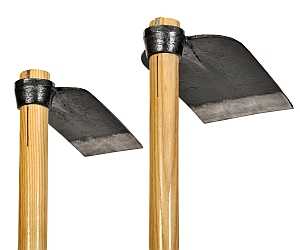
Hook / notched weeder Shallow garden finds, casual use Too small for serious target recovery

For deeper relic hunting, a long-handled shovel or a tool designed for heavier excavation work is usually the better fit. A hand digger simply cannot reach a target buried twelve inches in hard-packed ground.

One type worth knowing is the hook/notched weeder. It is made for taproot extraction, and while it is not a primary detecting digger, it can work for very shallow coins in loose garden soil. If you also keep a tool kit for garden beds, standing-style weeders will cover most small chores without adding unnecessary weight to your setup.

Top 5 Metal Detecting Diggers for 2026: Full Reviews

The five tools below were selected for their edge geometry, blade stiffness, handle comfort, sheath security, and real-world performance in turf and soil. They are not all equally suited to every site, which is exactly why the right match matters.

1. Kemaier Double-Serrated Metal Detecting Digger
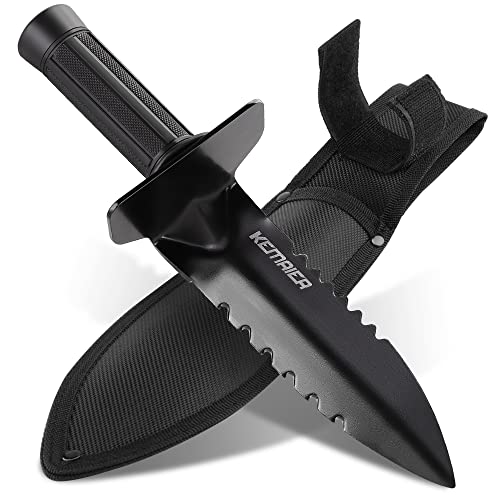
Compact double-serrated digger with belt sheath for park hunts

A compact belt-carry digger with a pointed tip is built for clean park recoveries.

Image source: Amazon

The Kemaier is the closest thing to a “one-size-fits-most” hand digger. Its compact blade is stiff enough to lever out a plug, and the double-serrated edges cut roots on both sides, which makes angled cuts easier in tight spaces.

In the field, this tool excels at producing clean, three-sided plugs in mowed grass. The pointed tip starts the cut directly over the target, and the blade is rigid enough to pry up the plug without flexing. On a typical park hunt, you can recover a coin in under a minute without leaving a visible divot.

Where it falls short: this is a hand digger, not a shovel. If you are chasing deep relics in hard-packed ground, the short reach will frustrate you. The included sheath works well when new, but it will show wear over time.

Best for Parks, lawns, beginners, travel
Strength Clean plugs, good rigidity, easy carry
Limitation Not designed for deep or rocky digging

See today’s price and owner reviews on Amazon

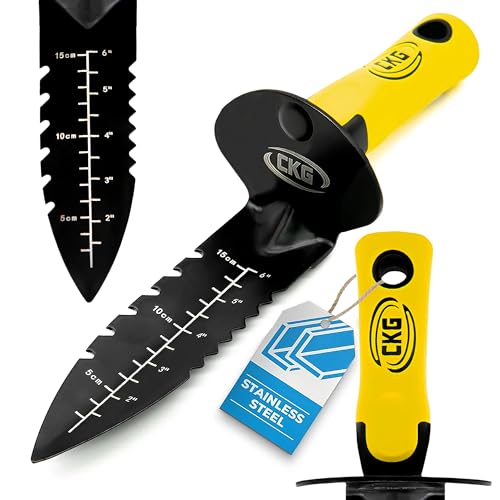
2. CKG Heavy-Duty Double-Serrated Digger

Sturdy serrated digger built for roots and hard-packed soil

A heavier blade and aggressive teeth handle root-bound soil without flexing.

Image source: Amazon

Old home sites, wooded areas, and ground that has not been turned in decades demand a digger with real bite. The CKG Heavy-Duty model is wider and heavier than the Kemaier, and it feels like a small excavator in your hand.

The aggressive serrations chew through root systems that stop lighter tools. The thicker blade gives you more leverage when prying up deep, stubborn plugs. The secure sheath also keeps the tool locked in place while you move through brush, which is a genuine advantage on rough terrain.

The trade-off is weight. After a few hours, the extra heft becomes noticeable. The deep serrations can also snag on gloves until you adjust to the feel, and a brand-new sheath may be stiff for the first few outings.

Best for Woods, old sites, rooty and hard-packed soil
Strength Extra bite and leverage for tough digs
Limitation Heavier and less nimble for quick park recoveries

Check current pricing on Amazon

3. DR.ÖTEK Double-Serrated Edge Digger

Affordable double-serrated edge digger for new detectorists

An affordable digger with the same essential features as premium models.

Image source: Amazon

Not everyone needs a premium tool on their first hunt. The DR.ÖTEK digger delivers the essentials: pointed tip, double serrations, comfortable grip, and a protective sheath at a price that is easy to justify.

This is a reliable daily driver for coin and jewelry hunting in parks and yards. It cuts clean plugs, holds up reasonably well, and makes a great backup tool to keep in your truck for when a friend wants to join the hunt.

The main weakness is heavy prying. In hard, rocky ground, the blade can flex if you force it like a mini-shovel. The sheath retention is decent when new but may loosen with regular use.

Best for Budget buyers, new hunters, parks and light soil
Strength Solid feature set at a reasonable price
Limitation Limited prying power in tough ground

View the latest price on Amazon

4. SUNPOW Heavy-Duty Serrated Digger Knife

Tactical-style serrated digging knife with pointed blade for turf

The knife-style profile gives you surgical control on sensitive lawns.

Image source: Amazon

Some detectorists prefer a tool that feels more like a knife than a shovel. The SUNPOW digger follows that design closely. Its narrow, pointed blade tracks exactly where you aim, making it a strong choice for cutting precise plugs in sensitive locations.

The control is the standout feature. You can make a surgical cut around a target and lift a clean plug without disturbing the surrounding grass. This is the tool you want when you have permission to hunt a well-kept backyard or a public lawn where turf damage will not be tolerated.

It is not built for wet beach sand or very deep relic recoveries. The sharp edges also demand careful handling, so a secure sheath and a little attention are essential.

Best for Manicured lawns, coin shooting, permission yards
Strength Precision cutting and easy aiming
Limitation Not for heavy prying, wet sand, or deep holes

See current Amazon pricing and reviews

5. CKG Carbon Lightweight Serrated Digger
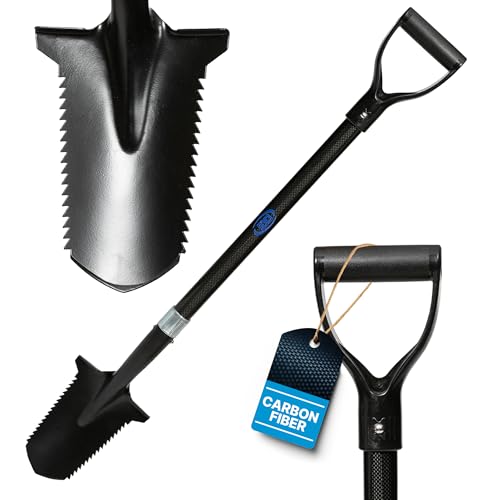
Lightweight carbon serrated digger for low-fatigue long hunts

Carbon construction keeps weight down for full-day hunts.

Image source: Amazon

If you hunt for six or eight hours at a stretch, every ounce on your belt adds up. The CKG Carbon digger is built to reduce fatigue while still offering the cutting power you need for normal park and field recoveries.

The lightweight feel is noticeable immediately. You can maintain a faster pace, and your hand and wrist do not tire as quickly. The streamlined blade makes clean cuts and is easy to guide around a target. The dark finish also hides scuffs from daily use.

Because of the lighter build, this is not a tool for heavy prying in rocky soil. The blade will scratch over time, and its short profile limits its effectiveness on very deep targets.

Best for All-day hunts, parks, mild soil, mobile detectorists
Strength Low fatigue and precise control
Limitation Not built for extreme leverage

Compare today’s price on Amazon

Sand Scoops: Why Beach Hunters Need a Different Tool

Wet beach sand collapses the moment you try to cut a plug. A hand digger is nearly useless there. If you hunt the wet sand, you need a long-handled sand scoop with perforated holes that let the sand sift through while retaining the target.

For dry sand and the towel line, a smaller hand scoop or even a dedicated sand trowel works fine because the sand is loose and targets are often shallow. But if you plan to work the water line or the wet compacted sand near the surf, buy a proper sand scoop before you buy another hand digger. They are a completely separate category of tool.

How to Match Your Digger to Your Hunting Ground

Hunting Ground Best Tool Choice Why
Mowed parks and lawns Compact serrated hand digger Small clean plugs and faster turf recovery
Woods and old homesteads Heavy-duty digger or full shovel Root systems and compacted soil
Plowed farm fields Long-handled shovel Deep targets and no turf concerns
Wet beach Perforated sand scoop Sand collapses around a normal blade
Dry sand / towel line Hand scoop or small trowel Quick shallow recoveries

Park hunting is really turf management as much as target recovery. Grass with deep, healthy roots closes over faster after a clean plug, so many lawn hunters think about deep-rooted lawn health before they choose a digger.

Compacted soil is a digger killer. If you have permission to hunt a hard backyard site, improving the soil’s organic matter before the season starts will make plugs easier to cut and far more likely to heal. The same soil improvement basics that help garden beds also apply to hunting lawns.

How to Dig a Clean Plug: Step-by-Step

A good digger is only half the equation. Your technique determines whether the lawn looks the same after you leave.

Step 1: Pinpoint Before You Cut

Use the detector’s pinpoint mode and sweep in an X pattern over the target. If you carry a pinpointer, confirm the location before making your first cut. A few extra seconds of precision save a lot of turf damage.

Step 2: Cut a Three-Sided Plug

Cut a U-shape or C-shape with three clean vertical cuts. Leave the fourth side intact as a hinge.

  • Push the blade in firmly, using a rocking motion to cut through grass roots.
  • Make the plug about three or four inches across, or large enough to recover the target without digging outside the cut.
  • Cut through the roots cleanly. A jagged, torn edge heals more slowly than a sharp cut.

Step 3: Pry and Hinge the Plug

Lift the plug from the open end, leaving the fourth side attached to the ground. The grass roots on that side stay alive, which helps the lawn recover quickly.

Step 4: Recover the Target

Use a pinpointer to probe the hole and locate the target. If the target is deeper than the plug, dig a small secondary hole at the bottom instead of expanding the plug.

Step 5: Replace and Tamp

Remove any loose soil, fold the plug back into place, and press it down firmly with your heel or the back of your digger. A little water helps it settle if the ground is dry.

Practice this technique in your own yard first. The first few attempts may be rough, but once it becomes habit, you will recover targets quickly and leave no trace.

Legality, Permission, and Digging Etiquette

Before you put a blade in the ground, confirm that you are allowed to dig there. A good digger is only as legal as your permission.

Public land rules vary widely. The National Park Service prohibits metal detecting and artifact removal in most of its areas, so check federal park land rules before planning a hunt on federal ground. State parks, county parks, and historic sites each have their own regulations. Some allow detecting on athletic fields, while others prohibit any disturbance of the soil.

On private land, always ask for explicit permission, ideally in writing, and clarify that you plan to dig small plugs. Respect that permission by filling every hole, carrying out trash, and avoiding obvious landscaping or irrigation lines.

Maintaining and Sharpening Your Digger

A dull digger is a dangerous digger. It forces you to apply more pressure, which leads to slips, bent blades, and torn turf.

After every hunt:

  • Brush off dirt and debris with a stiff brush.
  • Wipe the blade dry to prevent rust.
  • Inspect the sheath for cracks or loose rivets.

Periodically:

  • Sharpen serrations with a small round file or ceramic rod.
  • File only the bevel side, following the existing edge angle.
  • Wipe the blade with a light coat of mineral oil or a corrosion inhibitor, especially after damp hunts.

Watch the handle and grip for wear. A loose or cracked handle can rotate in your hand at the worst moment. Replace a damaged sheath before you carry the tool in the field.

Frequently Asked Questions

What is the best type of digging tool for metal detecting?

The best type is a compact hand digger with double serrations, a pointed tip, and a rigid blade. It handles most park and lawn recoveries well and carries easily on a belt. Match heavier tools to woods and fields, and use a sand scoop for beaches.

Are serrated or smooth edges better?

Serrated edges are better for most detecting situations. They cut through roots and turf with a sawing motion, create cleaner plugs, and reduce the force needed to recover a target. Smooth edges work in soft soil but struggle with roots.

Should I buy a hand digger or a shovel?

Use a hand digger for parks, lawns, and permission yards where you need clean plugs. Use a long-handled shovel for farm fields, woods, and deep relic hunting where turf damage does not matter as much.

Do I need a sand scoop for beach detecting?

If you hunt wet sand or shallow water, yes. A sand scoop is the only practical way to recover targets because wet sand collapses around ordinary diggers. For dry sand, a simple hand scoop or trowel is enough.

How do I dig a plug without killing the grass?

Cut a three-sided U-shaped plug and leave the fourth side attached as a hinge. Lift the plug, recover the target, close the hole, and fold the plug back into place. Tamp it down firmly so the roots stay in contact with the soil.

How do I sharpen a serrated digging tool?

Use a small round file that fits into the serration gullets. Push the file along the bevel in one direction, following the same angle as the factory edge. Check the edge often and stop when it feels sharp to the touch.

Final Verdict: Which Digger Should You Buy in 2026?

Pick Best For
Kemaier Everyday park hunts and clean turf
CKG Heavy-Duty Roots, old sites, and hard-packed soil
DR.ÖTEK Budget buyers and new detectorists
SUNPOW Precision cuts on sensitive lawns
CKG Carbon Long, low-fatigue walking hunts

The best digger for you is the one that matches the ground you hunt most. If you spend your weekends in mowed parks, a compact serrated digger like the Kemaier or SUNPOW will serve you better than a heavy root tool. If you’re chasing relics in woods and old fields, the CKG Heavy-Duty is worth the extra weight. For beach work, skip the hand digger and buy a dedicated sand scoop.

Choose the tool that fits your style, practice your plug-cutting technique, and treat every lawn like your own. When you leave a site looking the way you found it, you stay welcome, and the next hunt is easier to get permission for.

Similar Posts

Leave a Reply

Your email address will not be published. Required fields are marked *