Store hoses drained, loosely coiled, off the ground, shaded, and frost free.
If you’ve wondered how to store garden hoses the right way, you’re in the right place. I’ve spent years setting up hose systems for homes and landscapes. This guide blends expert best practices with hard-earned tips from real yards. Stick with me, and you’ll learn how to store garden hoses so they last longer, work better, and stay tangle-free.
Why proper storage matters
Good storage stops kinks, leaks, and mold. It protects your hose from sun, ice, and pests. When you know how to store garden hoses, you save water, time, and money.
UV light weakens vinyl and plastics over time. Sharp bends strain the inner tube. Freezing water expands about 9% and can crack fittings. Proper storage avoids all that.
There is also a safety piece. Loose hoses are trip hazards. A tidy setup keeps your yard neat and your tools ready to go.
:strip_icc()/102268250_preview-a753d296df314bfd96277f16dc556a8c.jpg)
Types of garden hoses and what they need
Different hoses have different needs. Knowing how to store garden hoses by type helps you avoid damage.
- Vinyl hoses: Light and affordable. Store shaded and avoid tight coils. UV wears them faster than rubber.
- Rubber hoses: Heavy and tough. They handle sun better but still like shade. Support their weight with wide hooks.
- Hybrid or reinforced hoses: Balanced and kink-resistant. Store on reels or wide hangers to keep their shape.
- Expandable hoses: Always drain fully and keep out of sun. Store indoors when cold. Never store under pressure.
- Soaker hoses: Keep straight or in large loops. Avoid tight wraps that crush pores. Store dry to prevent mildew.
Tip from the field: I ruined an expandable hose by leaving it pressurized in the sun. It failed in a week. Drain and shade are non-negotiable.

Storage options compared
Wondering how to store garden hoses with the least hassle? Pick a method that fits your space and use.
- Wall-mounted reel: Clean look, fast wind-up. Best for a fixed spigot area.
- Portable hose reel cart: Great for large yards. Easy to move, saves your back.
- Enclosed retractable reel: Neat and protected. Auto-retract saves time. Mount it level and anchor well.
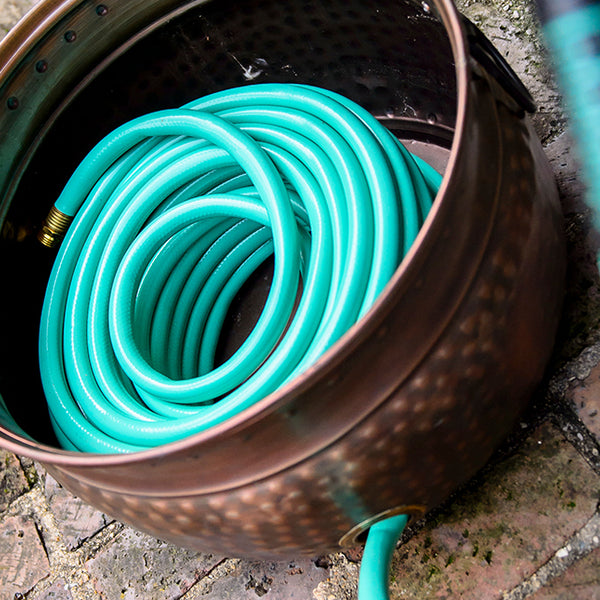
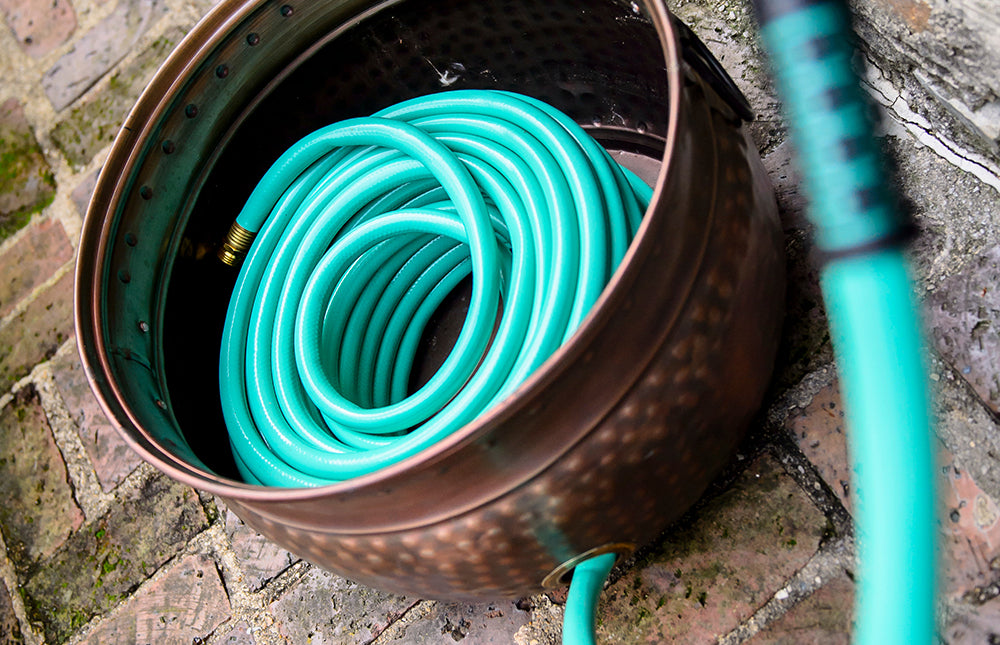
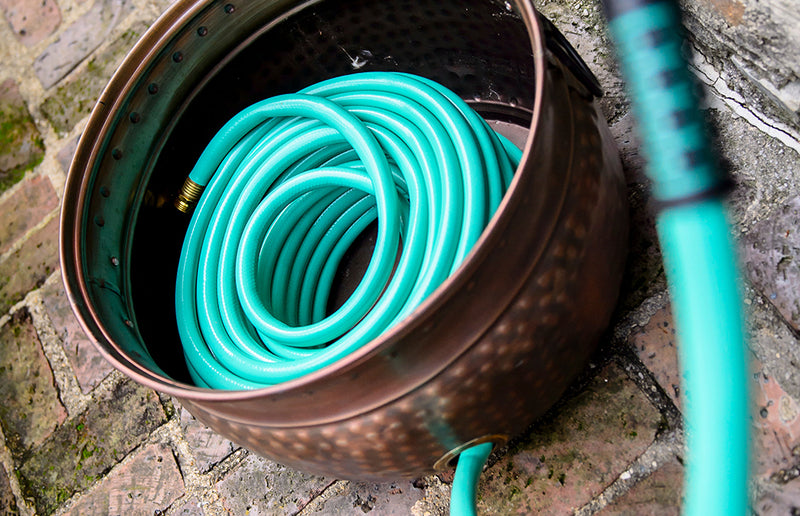
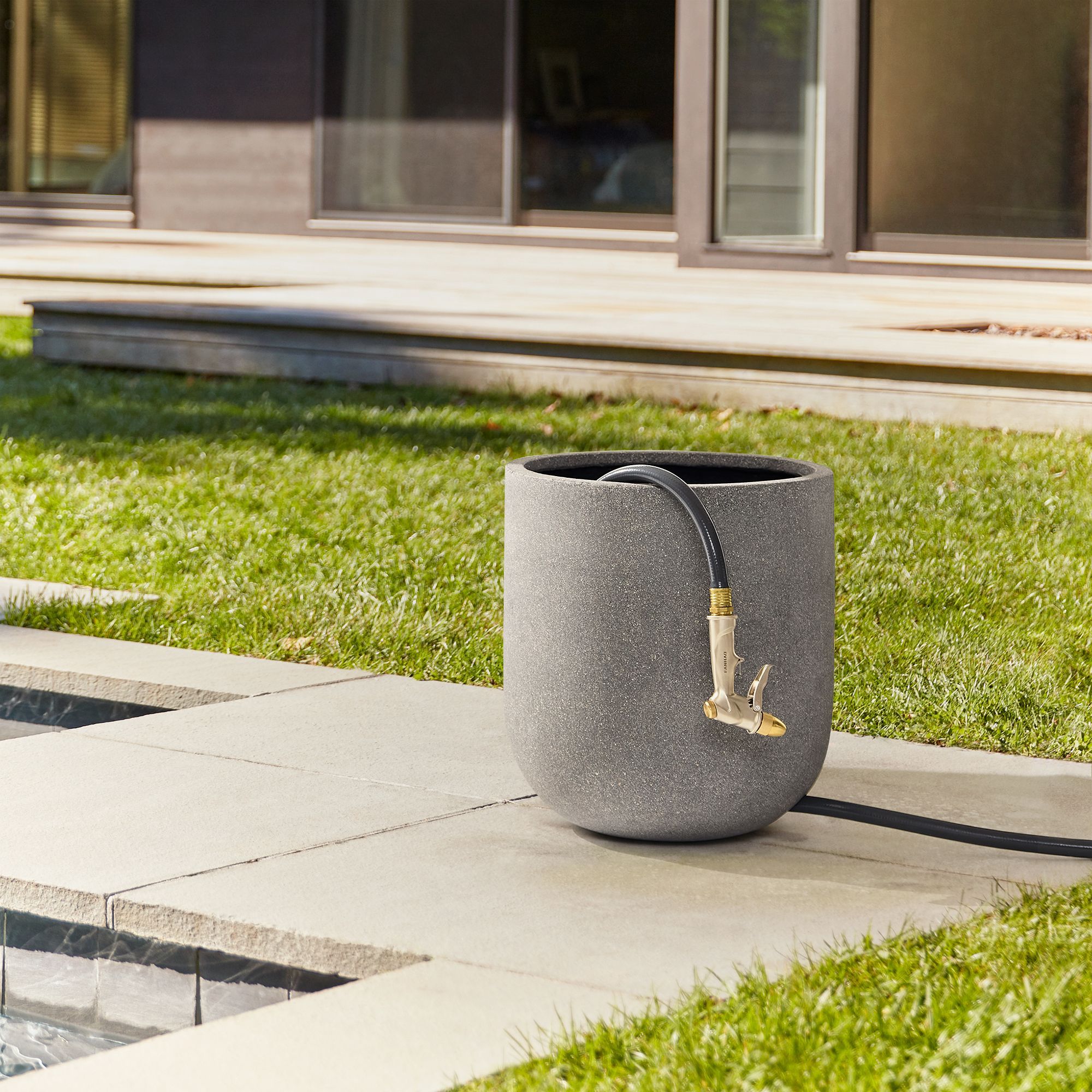
- Hose pot or storage box: Hides the hose and blocks UV. Choose one with drain holes.
- Simple wall hanger: Budget win. Use a wide, curved hanger to avoid tight bends.
- Ground stake with guide: Keeps hose off soil. Use where wall mounting is hard.
What I use at rentals: a wide wall hanger near the spigot and a small hose pot by the garden beds. It covers daily needs without clutter.
:max_bytes(150000):strip_icc()/GettyImages-1398160526-71091366745e44c49039df9a5b47327f.jpg)
Step-by-step: How to store garden hoses daily
If you want to master how to store garden hoses day to day, use this quick routine.
- Turn off the water at the spigot.
- Release pressure by squeezing the nozzle till the flow stops.
- Disconnect from the spigot if you plan to store it long or move it.
- Drain the hose: Walk the length from end to end, lifting as you go.
- Wipe the outside if muddy. Dirt grinds into the cover over time.
- Coil in wide loops, about 2–3 feet across. Keep twists out as you coil.
- Use a strap or Velcro tie if needed. Do not cinch too tight.
- Hang on a wide hook or reel. Keep ends up to reduce drips.
- Store in shade. Keep it off sharp edges and hot metal.
Two passes for draining can make all the difference. A dry hose is a happy hose.

Seasonal storage: Winter and long breaks
If you live with frost, learning how to store garden hoses for winter is key.
- Drain fully. Walk the hose twice and let it air a few hours.
- Blow out with gentle air if needed. Keep pressure low to avoid damage.
- Remove spray nozzles. Store them indoors to protect seals.
- Cap the ends or keep them up to block debris and insects.
- Store above freezing. A garage, basement, or shed works well.
- Keep off concrete floors in cold spots. Use a shelf or hooks.
- For expandable hoses: Always store indoors when temps drop. They are sensitive to cold.
For dry, hot climates, focus on sun and heat. Shade is king. A vented box or pot prevents heat build-up and mildew.
Placement and safety tips
Good placement makes every watering job easier. It also keeps people safe. These tips help when choosing how to store garden hoses at home.
- Aim for shade and airflow. Under an eave or on a north wall is ideal.
- Keep near the spigot but clear of walkways.
- Mount at hip height. This saves your back and speeds coil-up.
- Leave space for a smooth pull. Avoid tight corners that cause kinks.
- Keep away from hot surfaces and sharp edges.
- Use guides or rollers at corners to reduce chafing.
- Child and pet safety: Avoid trip zones. Close nozzles after use.
I like a reel near the spigot and a secondary hanger near the veggie bed. That keeps daily runs short.

Maintenance habits that extend hose life
Simple habits add years to your hose. These are the same steps I teach clients when they ask how to store garden hoses the smart way.
- Swap flat or cracked washers. Most leaks start there.
- Lube O-rings and threads lightly with silicone grease.
- Check fittings monthly. Hand-tight is enough. Avoid cross-threading.
- Clean the cover with mild soap a few times per season.
- Keep it unpressurized when not in use. Pressure strains weak spots.
- Inspect for blisters or soft spots. Replace before it bursts.
Set a reminder for washer checks every spring. It takes minutes and saves gallons.
Common mistakes to avoid
Avoid these traps, and you’ll master how to store garden hoses without headaches.
- Storing with water inside. Freeze and algae love trapped water.
- Tight, small coils. They create memory and kinks.
- Leaving under full sun. UV breaks down the cover and inner tube.
- Parking a heavy hose on a nail or thin hook. It crushes the wall of the hose.
- Dragging over rough concrete and sharp borders. Use guides or lift it.
- Leaving it pressurized for days. Seals and couplings fail early.
I learned the “nail hook” lesson the hard way. One summer, a heavy rubber hose kinked at that pinch point and split.
DIY and budget-friendly storage ideas
You don’t need fancy gear to do this well. If you’re teaching yourself how to store garden hoses on a budget, try these:
- Wide PVC loop on two screws: Cut a 12–16 inch PVC piece, cap ends, mount with straps.
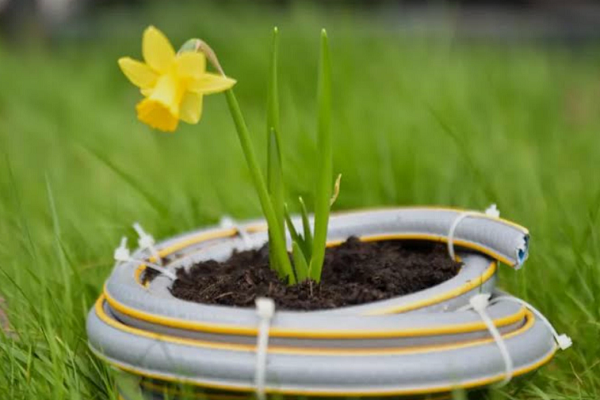
- 5-gallon bucket hose pot: Drill drain holes near the base. Coil hose inside. Add a notch for the end.
- Pallet board hanger: Sand and seal. Use as a wide, gentle mount.
- Old garden stool turned pot: Flip it, add a bottom board with drain holes.
- Bungee strap and a fence post: Simple, fast, and keeps the hose off soil.
Whatever you build, keep support wide, shaded, and vented.
Frequently Asked Questions of how to store garden hoses
How often should I drain my hose?
Drain after each use if you can. At minimum, drain before long breaks or hot afternoons to avoid pressure and heat stress.
Can I leave my hose outside all year?
Yes in mild climates, but protect it from sun and frost. In cold regions, store it indoors before the first freeze.
What is the best way to coil a hose without kinks?
Use wide loops and follow the hose’s natural curve. If it twists, flip the loop as you coil to cancel the twist.
How do I store an expandable hose?
Always drain fully, keep it out of sun, and store indoors when cold. Never store it under pressure.
Do I need a reel, or is a hanger enough?
A wide hanger is enough for short hoses and small yards. Reels help with long hoses and reduce strain on your back.
Should I cap the ends?
Capping helps keep bugs and debris out. It also keeps your storage bin or shelf clean.
What temperature is safe for storage?
Above freezing is ideal. Most manufacturers suggest keeping hoses away from extreme heat and from temperatures below 32°F.
Conclusion
Storing a hose the right way is simple: drain it, coil it wide, lift it off the ground, and keep it shaded. When you learn how to store garden hoses with care, you prevent kinks, leaks, and early failures. A few minutes after each use saves hours later.
Pick one method from this guide and set it up today. Your future self will thank you when watering feels easy. Want more practical yard tips? Subscribe, share your setup, or drop your questions in the comments.