How To Store Garden Hoses: Smart, Tangle-Free Tips
A tangled, cracked, or leaking hose is almost always a storage problem, not a quality problem. Most garden hoses fail years before they should simply because they spend the off-season draped over a nail in full sun or coiled tightly with water still inside.
The good news? Proper hose storage takes about two minutes after each use and costs almost nothing. This guide walks you through exactly how to store garden hoses so they stay flexible, kink-free, and leak-free for years—whether you have a 25-foot vinyl hose or a 100-foot heavy-duty rubber model. For more on this, see our guide on how to store garden hose for winter.
Why Proper Storage Matters More Than You Think
Source: swanhose.com
A garden hose is a simple tool, but it faces three silent killers: UV radiation, freezing temperatures, and trapped water pressure.
UV light from the sun breaks down the polymers in vinyl and rubber hoses. You'll notice it as a chalky residue on the surface, then stiffness, then cracks. Freezing water expands by roughly 9 percent, which can split fittings and delaminate the hose wall from the inside. And water left pressurized inside a hose strains every seal and weak point continuously—even when you're not using it. For more on this, see our guide on how to recycle a garden hose.
There's also a practical safety angle. A hose draped across a walkway or left in a tangled heap on the lawn is a genuine trip hazard for kids, guests, and anyone carrying something heavy. A neat, deliberate storage spot keeps your yard safer and your watering setup ready to go in seconds.
Related: keeping your watering routine efficient starts with choosing the right hose diameter for your needs—compare the trade-offs in our hose size guide.
Matching Storage To Your Hose Type

Source: bhg.com
Not all hoses are created equal, and each type has its own storage quirks. Knowing what you're working with is the first step to storing it right.
Vinyl hoses are lightweight, inexpensive, and the most common choice for casual gardeners. They're also the most vulnerable to UV damage. Keep vinyl hoses in deep shade whenever possible and avoid tight coils that create permanent kinks. A vinyl hose left in direct summer sun for a full season will feel noticeably stiffer by fall.
Rubber hoses are heavier, more durable, and tolerate sun exposure far better than vinyl. They're also easier to kink if you wrap them around a sharp corner or a narrow hook. Support the weight of a long rubber hose with a wide, sturdy hanger or reel—a thin nail can crush and permanently deform the hose wall.
Hybrid and reinforced hoses sit between vinyl and rubber in both price and durability. They resist kinking well, which makes them forgiving on standard reels and hangers. Just avoid folding them sharply at the fittings, which stresses the crimped connection.
Expandable hoses are the most storage-sensitive type. They must be fully drained after every use—water trapped inside the inner tube promotes mildew and can split the latex bladder. Keep them out of the sun entirely and bring them indoors when temperatures drop. Never leave an expandable hose pressurized, even overnight. In practice, this is the single most common cause of premature expandable hose failure.
Soaker hoses have a different priority: protect the pores. Store them in large, loose loops rather than tight wraps, and make sure they're completely dry before long-term storage to prevent mildew from clogging the seep holes.
Garden Hose Storage Options Compared

Source: fadakadeli.ir
You have more storage options than you might think, and the right one depends on your yard size, hose length, and how often you water.
| Storage Method | Best For | Pros | Cons |
|---|---|---|---|
| Wall-mounted reel | Fixed spigot areas | Clean look, fast rewinding, keeps hose off ground | Requires wall space and mounting |
| Portable hose reel cart | Large yards, multiple zones | Easy to move, saves your back | Takes up floor space in storage |
| Enclosed retractable reel | Neatness-focused setups | Protects from UV, auto-retract | More expensive, must mount level |
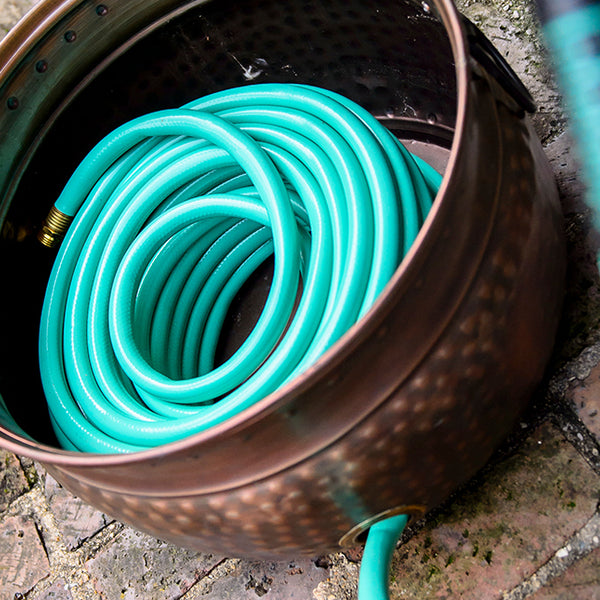
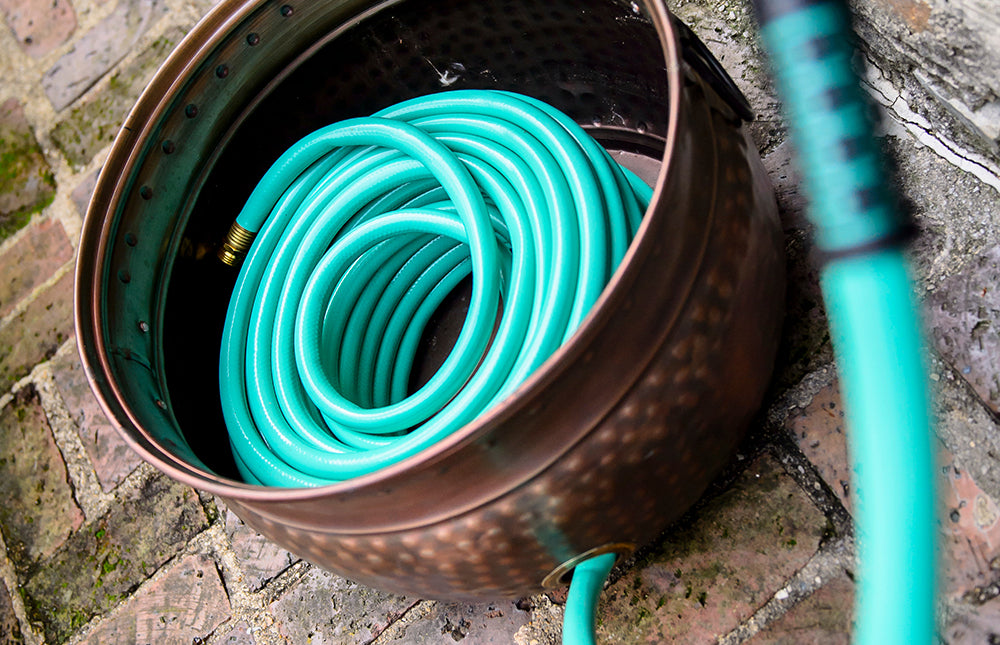
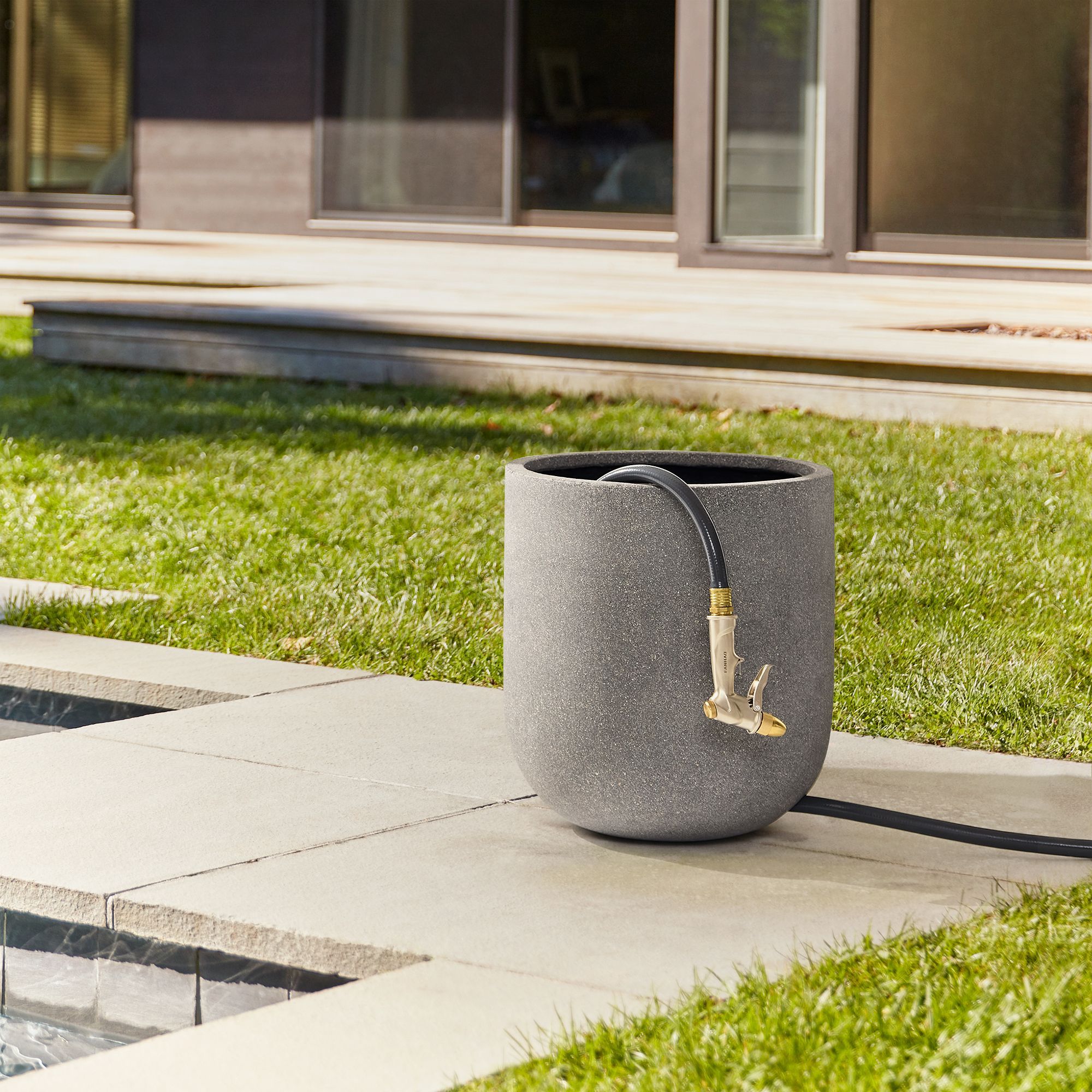
| Hose pot or storage box | Hiding the hose | Blocks UV, looks tidy | Can trap moisture without drain holes |
| Wide wall hanger | Budget setups, short hoses | Cheap, simple, effective | No UV protection |
| Ground stake with guide | Areas without walls | Keeps hose off soil | Less tidy, exposed to sun |
In practice, many gardeners use a hybrid approach: a wall-mounted reel near the primary spigot for everyday use, plus a simple hanger or pot near garden beds where a short hose is needed. This keeps daily watering runs short while keeping the bulk of the hose neatly stored.
The Daily Routine: How To Store Garden Hoses After Every Use

Source: thespruce.com
If you take one habit away from this guide, make it this: a consistent 90-second routine at the end of every watering session. Here's the step-by-step:
- Turn off the water at the spigot. Don't rely on the nozzle—always shut off the supply first.
- Release residual pressure by squeezing the nozzle trigger until the flow stops completely.
- Disconnect the hose from the spigot. This lets trapped water drain out the fitting end and relieves stress on the coupling.
- Drain the hose thoroughly. Walk from one end to the other, lifting sections as you go so water flows out. For long hoses, do this twice in opposite directions.
- Wipe down the exterior if it's muddy or dusty. Dirt contains abrasive particles that grind into the hose cover over time.
- Coil in wide loops—roughly 2 to 3 feet across. Keep the hose flat as you coil, and if you notice a twist developing, flip the loop over to cancel it out.
- Secure with a strap or Velcro tie if needed, but don't cinch it tight enough to crush the hose.
- Hang on a wide hook or reel with both ends pointing upward so any remaining water drips out rather than pooling.
- Store in the shade and away from sharp edges, hot metal surfaces, and garden tools that could damage the hose.
A common mistake is skipping the drain step on hot days. Water left inside a hose heats up, expands, and puts continuous pressure on the fittings. Even a few minutes of draining saves you from premature leaks.
Winter Storage: Protecting Hoses From Frost

Source: sunnydazedecor.com
If your region experiences freezing temperatures, winter storage isn't optional—it's essential. A single freeze cycle can ruin a hose that would otherwise last a decade.
Step 1: Drain completely. Walk the hose twice, lifting sections as you go. Then let it hang or lie flat for a few hours so residual moisture evaporates. If you have an air compressor, you can use gentle, low-pressure air (around 30 PSI) to blow out stubborn water, but never use high pressure.
Step 2: Remove all attachments. Spray nozzles, connectors, and splitters should come off and be stored indoors. The rubber seals inside them degrade when frozen, and they're prone to cracking.
Step 3: Cap the ends. Simple hose end caps keep insects, dirt, and debris out during months of storage. If you don't have caps, hang the hose with both ends pointing upward.
Step 4: Store above freezing. A garage, basement, or shed works well. Avoid concrete floors in unheated spaces—cold transfers through concrete and can freeze a hose resting directly on it. Use hooks, shelves, or a bucket to keep the hose off the floor.
Step 5: Pay special attention to expandable hoses. These are highly sensitive to cold and should always move indoors before the first frost. The latex inner tube becomes brittle at low temperatures and can crack even when drained.
For gardeners in hot, dry climates, the priorities reverse: focus on protecting the hose from sun and extreme heat. A vented storage box or pot prevents heat buildup, and shade is non-negotiable for vinyl hoses.
Smart Placement: Where To Put Your Hose Storage
Source: swanhose.com
Where you mount your hose storage matters almost as much as how you store the hose. Good placement makes watering effortless; poor placement creates trip hazards and frustration.
Aim for shade and airflow. An eave, a north-facing wall, or a covered porch is ideal. Airflow helps residual moisture evaporate and prevents mildew.
Keep it near the spigot but clear of walkways. The hose should reach the tap without crossing high-traffic areas. If your spigot is in a bad spot, consider installing a second one or using a hose guide at corners to route the hose safely.
Mount at hip height. A reel or hanger mounted at roughly waist level saves your back during coiling and makes the hose easier to lift on and off. This matters more than most people think—bending down repeatedly while wrestling with a 75-foot hose is miserable.
Leave room for a smooth pull. Avoid tight corners and obstacles that force the hose to bend sharply as you pull it from storage. Kinks happen at the first point of resistance.
Use corner guides and rollers where the hose routes around house corners or over walls. These inexpensive plastic guides reduce chafing and prevent sharp bends.
Think about kids and pets. A hose stored at ground level is an invitation for pets to chew it and kids to trip over it. Mounting storage out of reach eliminates both problems.
Maintenance That Extends Hose Lifespan

Source: pallensmith.com
Storage and maintenance go hand in hand. A few minutes of preventative care each season adds years to a hose's life.
Replace worn washers. The rubber washers inside hose fittings are the #1 cause of leaks. They're cheap, available at any hardware store, and take 30 seconds to swap. Keep a small pack on hand and check them every spring.
Lubricate O-rings and threads. A light coat of silicone grease on the O-rings and male threads prevents seizing and makes connections easier. Avoid petroleum-based lubricants, which degrade rubber.
Inspect fittings monthly. Hand-tighten connections only—wrenches damage the coupling. Check for cross-threading, which damages both the hose and the spigot threads.
Clean the exterior periodically. Mild soap and water removes dirt and chemical residues that break down the cover. Rinse thoroughly and let it dry before storage.
Keep the hose unpressurized when not in use. This is the most-overlooked maintenance habit. Pressure at rest stresses every weak point, especially at the fittings where the hose meets the coupling.
Watch for blisters and soft spots. These indicate internal damage and imminent failure. A hose that develops bulges should be replaced before it bursts and sprays water everywhere.
Regular maintenance also applies to your other garden equipment—keeping your lawn care toolkit in good shape makes every job easier.
Common Mistakes To Avoid
Even experienced gardeners make storage mistakes. Here are the ones to avoid:
Storing with water inside. Trapped water promotes algae, mildew, and freeze damage. Always drain before storage.
Coiling too tightly. Small, tight coils create "memory" in the hose—permanent bends that never straighten out. Wide loops are the fix.
Leaving it in full sun. UV degradation is cumulative and irreversible. Even a "sun-tolerant" rubber hose lasts longer in shade.
Hanging on a nail or thin hook. The weight of a heavy hose on a narrow point crushes the hose wall and creates a permanent kink. Use wide hangers or reels.
Dragging over rough surfaces. Concrete, asphalt, and sharp landscape edging abrade the hose cover. Lift the hose or use corner guides.
Leaving it pressurized for days. Seals and couplings fail early when subjected to constant pressure. Shut off and drain after every use.
One mistake worth highlighting: storing a hose on the ground, even coiled neatly. Ground-level storage exposes the hose to soil moisture, insects, lawn mower blades, and UV reflection. It also creates a trip hazard. Off the ground is always better.
DIY Storage Ideas That Cost Almost Nothing
Source: homesandgardens.com
You don't need expensive gear to store hoses properly. These budget-friendly options work surprisingly well:
Wide PVC loop hanger. Cut a 12–16 inch section of wide PVC pipe, cap both ends, and mount it to the wall with pipe straps. The wide diameter prevents the hose from kinking at the hanging point.
Five-gallon bucket hose pot. Drill several drain holes near the base of a clean five-gallon bucket. Coil the hose inside and cut a notch in the rim for the end to poke through. Paint it to match your decor.
Pallet board hanger. Sand a pallet board smooth, seal it with outdoor paint or varnish, and mount it to the wall. The wide surface distributes the hose's weight evenly.
Upcycled garden stool. Turn an old wooden stool upside down, add a bottom board with drain holes, and use it as an attractive hose pot.
Fence post and bungee strap. For a temporary solution, coil the hose and secure it to a fence post with a bungee cord. This keeps it off the ground and costs nothing.
Whatever you build, follow the same principles: wide support, shaded location, good drainage, and no sharp edges.
Frequently Asked Questions
How often should I drain my garden hose?
Drain after every use if possible. At minimum, drain before overnight storage, hot afternoons, and any long break from watering. Even 30 seconds of draining prevents trapped-water damage.
Can I leave my garden hose outside all year?
In mild climates, yes—but protect it from direct sun and ensure it's fully drained. In regions with freezing winters, bring hoses indoors before the first hard frost.
What's the best way to coil a hose without kinks?
Use wide loops (2–3 feet across) and follow the hose's natural curve. If a twist develops while coiling, flip the loop over to cancel it. The key is keeping the hose flat and untwisted as you go.
How do I store an expandable hose?
Drain it fully, keep it out of direct sun, and store it indoors when temperatures drop. Never leave an expandable hose pressurized. These hoses are more delicate than standard hoses and fail quickly with poor storage.
Do I need a reel, or is a hanger enough?
For short hoses (25–50 feet) in small yards, a wide hanger is perfectly adequate. Reels help with long, heavy hoses and are easier on your back.
Should I cap the ends of my hose in storage?
Yes, capping keeps insects and debris out and prevents drips from staining your storage area. Simple plastic caps cost a few dollars.
What temperature is unsafe for hose storage?
Temperatures below freezing (32°F / 0°C) risk freeze damage. Extreme heat—especially in direct sun—also degrades hoses. Aim for a cool, shaded, above-freezing location.
Conclusion
Storing a garden hose correctly comes down to four principles: drain it, coil it wide, lift it off the ground, and keep it shaded. Follow those rules and your hose will last years longer, stay flexible, and remain free of kinks and leaks.
The best time to set up proper storage is today. Pick one method—even a simple wide wall hanger—and commit to the 90-second routine after every watering session. Your future self will appreciate the ease of a tangle-free, ready-to-use hose every time you step outside to water.