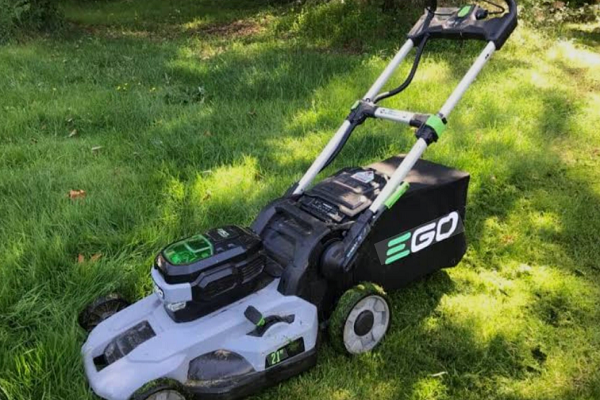
Best Fuel For Lawn Mower: The Complete Expert Guide For 2026
The fuel you pour into your lawn mower decides how the whole season goes. Get it right, and the engine fires within two pulls every time. Get it wrong, and you'll fight hard starts, rough idling, and a carburetor that's slowly clogging with varnish.
Here's the good news: choosing the best fuel for a lawn mower isn't complicated. It comes down to three things — the right octane, little or no ethanol, and keeping the gas fresh. This guide covers exactly what to put in your tank, what to avoid at the pump, how long gas can really sit, and the storage habits that keep small engines running for years. You can also read our guide on best fuel injector cleaner for lawn mower.
Why Fuel Choice Matters More Than You Think
Your mower treats fuel differently than your car does. A car burns through a tank in a few days, but a typical lawn mower may hold the same gasoline for weeks or months. That extended dwell time gives the fuel time to degrade — and that's where most small-engine trouble begins.
As gasoline breaks down, it forms gum and varnish, sticky deposits that clog the tiny jets in your carburetor. Ethanol makes it worse by pulling moisture out of the air. When water enters the fuel, it sinks to the bottom of the tank and causes corrosion, along with a problem called phase separation, where the fuel and water permanently separate. You can also read our guide on best fuel system cleaner for lawn mower.
These are the failures that send thousands of mowers to repair shops every spring. The frustrating part? Almost all of them are preventable with the right fuel and a few simple habits.
What Your Mower Actually Needs From Fuel
The Octane Question: 87, 89, or 91
Most lawn mower manufacturers recommend regular unleaded gasoline with an octane rating of 87 or higher. Octane measures a fuel's resistance to knocking — not its energy content, not its quality, and not how cleanly it burns. You can also read our guide on what gas is best for lawn mower.
For the vast majority of air-cooled small engines, 87 octane is all you need. Premium 91+ octane won't hurt your mower, but it won't add power, improve fuel economy, or extend engine life either. You're simply paying extra for a property your engine can't use.
There is one exception. If you mow in extreme heat and the engine runs hot enough to cause pre-ignition, stepping up to 89 octane can help. That's rare, but worth knowing if you live in a desert climate. You can also read our guide on trufuel for lawn mower.
Ethanol Levels: What Each Pump Label Means
Ethanol is a plant-based alcohol blended into most pump gasoline to reduce emissions. It's also the source of most fuel-related small-engine problems.
Ethanol attracts moisture, can degrade rubber and plastic components in older fuel systems, and acts as a solvent that loosens old deposits and sends them straight into your carburetor. Not every pump fuel is the same, so it pays to read the label. You can also read our guide on how to mix oil and gas for leaf blower.
| Pump Label | Ethanol Content | Safe For Mowers? | Notes |
|---|---|---|---|
| E0 | 0% | Yes | Best for storage; avoids moisture issues |
| E10 | 10% | Yes, if used fresh | Standard pump gas; fine for weekly mowing |
| E15 | 15% | No | Often sold as "Unleaded 88" — easy to mistake for regular |
| E85 | 51–83% | No | Flex-fuel vehicle gas only |
Watch out for "Unleaded 88" labels at the pump. That fuel is usually E15, and it is not certified for lawn mower engines. It's often marked with a yellow sticker, so check before you squeeze the trigger. When in doubt, buy from a station that clearly labels ethanol content or offers ethanol-free fuel.
Follow Your Owner's Manual First
General advice is useful, but your mower's manual is specific to your engine. Some manufacturers specify a minimum octane, and a few higher-compression models genuinely recommend premium. If the manual says 91 octane, use 91.
In the absence of specific instructions, fresh 87 octane with up to 10% ethanol is the right starting point for most home mowers. If you want to dig deeper into the science, land-grant university extension programs publish practical small-engine fuel guidance for homeowners, and the conclusion is consistent: simple, fresh gasoline beats exotic blends every time.
The Best Fuel Options For 2026
Standard E10 Unleaded Gasoline
Best for: regular weekly mowing, when you buy small quantities and burn through them in a couple of weeks.
Pros: widely available, inexpensive, perfectly fine for most mowers.
Cons: short shelf life, absorbs moisture, degrades quickly in storage.
E10 is the default choice for a reason. Most homeowners never need anything more — provided the gas doesn't sit in the tank for weeks. If you mow every 5–7 days and buy fresh fuel in small cans, E10 will serve you well all season.
Ethanol-Free (Rec Fuel)
Best for: mowers that sit between uses, winter storage, and anyone tired of fuel-related repairs.
Pros: longer shelf life, no moisture attraction, no ethanol-related seal damage.
Cons: costs more per gallon and can be harder to find.
Ethanol-free fuel doesn't pull water from the air and takes noticeably longer to go stale. If your mower sits unused for more than two weeks at a time, a zero-ethanol blend is worth the switch — you'll notice the difference in how easily the engine starts after a break.
Pre-Mixed Canned Fuel
Best for: occasional-use equipment, winter storage, and emergency backup.
Pros: ethanol-free, shelf-stable for two years or more when sealed, no mixing required.
Cons: expensive per gallon, sold in small quantities.
Brands like TruFuel and VP Racing sell pre-mixed fuel in 32-ounce cans, and it's the most foolproof option you can buy. It comes ready to pour, stays stable for years, and eliminates every fuel-related storage worry. Use it for equipment that only runs a few times a year.
Which Option Is Right for You?
- If you mow weekly and burn a tank in 2–3 weeks: standard E10 is fine.
- If your mower sits for 2+ weeks or gets stored over winter: switch to ethanol-free fuel.
- If you have equipment used once or twice a year: use canned pre-mixed fuel.
- If you store the mower all winter: treat the fuel and drain the carburetor bowl before putting it away.
How To Find Ethanol-Free Fuel Near You
Ethanol-free gas isn't always sitting at the pump next to the E10. Your best sources are marinas, rural gas stations, and specialty fuel sellers. Boaters face the same fuel-storage problems, which is why marinas often carry ethanol-free blends. Online directories like PureGas.org track stations by state, so it's worth checking before you plan a fill-up.
When you find a source, buy in small quantities so the fuel doesn't age in your own storage. There's no benefit to a five-gallon can of ethanol-free gas if it sits in a hot shed for eight months.
Fuel Stabilizers: The Cheap Insurance You're Probably Skipping
What Stabilizers Actually Do
A fuel stabilizer slows the chemical breakdown of gasoline, preventing the varnish and gum that clog carburetors. It also protects metal fuel components from corrosion.
Many quality stabilizers include detergents, and products with PEA (polyether amine) do double duty — they preserve the fuel and actively clean carbon deposits from fuel passages while the engine runs.
How To Use Stabilizer Correctly
Add stabilizer to fresh gas before you fill the tank. Use the dose listed on the bottle, then run the engine for about five minutes so the treated fuel reaches the carburetor. One common mistake is pouring stabilizer into old, stale gas and expecting a miracle. Stabilizer preserves fresh fuel — it does not resurrect fuel that's already gone bad.
For larger fuel systems like a riding mower or garden tractor with a multi-gallon tank, use a winter storage treatment formulated to handle bigger capacities.
How Long Can Gas Sit In a Lawn Mower?
The short answer: without stabilizer, expect performance to drop within about 30 days. After 60–90 days, varnish begins forming and starting problems follow.
| Fuel Type | Untreated Shelf Life | Treated Shelf Life |
|---|---|---|
| E10 pump gas | About 30 days | 6–12 months |
| Ethanol-free (E0) | 3–6 months | 12+ months |
| Canned pre-mixed | 2+ years sealed | N/A |
Signs Your Fuel Has Gone Bad
- Smell: sour or heavier than normal, often described as varnish-like.
- Color: darker than fresh gasoline, amber to brown.
- Separation: a visible water layer at the bottom of a clear container.
- Sediment: cloudy appearance or particles floating in the fuel.
- Behavior: hard starting, stalls, rough idle, or the engine dies under load.
If you notice any of these, drain the tank and carburetor, then refill with fresh gas. Don't try to "run it out" through the engine — bad fuel can leave residue that costs more to clean than the fuel itself.
How To Dispose Of Old Gas Safely
Never pour gasoline on the ground, down a drain, or into the trash. Contact your local household hazardous waste collection program for disposal options. Many communities hold designated collection days, and some fire departments accept old fuel as well.
Seasonal Fuel Management: Spring, Summer and Winter
Spring: The First Start of the Year
If last year's gas is still in the tank, drain it before you pull the cord. Old fuel is the leading cause of springtime hard starts, and it can leave varnish inside the carburetor that no amount of pulling will clear.
Refill with fresh fuel and stabilizer, check the air filter, and verify the oil is at the correct level before the first mow. In practice, matching the correct oil grade for your engine as the season begins prevents wear during the hottest months — small engines run hotter than car engines and depend on clean, correct-weight oil.
Summer: Keep The Fuel Moving
During active mowing season, buy the smallest amount of gas you'll use in two to three weeks. Running the tank fairly low before refilling prevents old fuel from lingering at the bottom of the tank.
If you only mow every couple of weeks, ethanol-free fuel is worth the extra cost during summer. A carburetor cleaning costs far more than the difference per gallon.
Winter: Storing Your Mower Properly
At the end of the season, follow these steps:
- Add stabilizer to the remaining fuel, or drain the tank completely.
- Run the engine for five minutes so treated fuel circulates through the carburetor.
- Drain the carburetor bowl if your model has a drain screw — this is the step most people skip.
- Remove the battery and store it indoors on a trickle charger for electric-start models.
On the full-tank vs. empty-tank question: with treated fuel, a nearly full tank leaves less air space and reduces condensation. Some manuals recommend running the tank dry. Either approach works, provided the carburetor bowl is drained and the fuel is stabilized.
Fuel Storage Best Practices
How you store gasoline matters as much as what you buy.
- Use approved containers only. Never store fuel in glass jars, milk jugs, or non-approved plastic. Use a proper gas can with venting.
- Keep it sealed. Exposure to air accelerates fuel oxidation and invites moisture.
- Store in a cool, dark place. Heat breaks down gasoline quickly. A shed or garage is fine; direct sunlight is not.
- Label everything. Write the purchase date and octane rating on the can so you never mix old fuel with new.
- Buy small quantities. Purchase only what you'll use in 30 days, or six months if treated with stabilizer.
- Keep away from ignition sources. Gasoline vapors travel, so store cans away from water heaters, pilot lights, and power tools.
2-Stroke vs. 4-Stroke Engines: Different Fuel Rules
4-Stroke Mowers
Most modern lawn mowers use 4-stroke engines with a separate oil reservoir. They run on straight gasoline and need nothing mixed in. Pour in 87+ octane fuel with up to 10% ethanol and you're set.
2-Stroke Equipment
Leaf blowers, string trimmers, and older edgers often use 2-stroke engines that require oil mixed into the fuel at the manufacturer's specified ratio — commonly 40:1 or 50:1. Never run straight gas through a 2-stroke engine; it will seize from lack of lubrication.
Mix the fuel in a sealed container, shake it thoroughly before pouring, and label the container so nobody confuses it with straight gas. The same fuel rules apply: use fresh 87+ octane, keep ethanol low, and add stabilizer if it will sit.
Fuel System Maintenance From Cap to Carburetor
Your fuel system is a chain: tank, cap, lines, filter, and carburetor. Weakness in any link shows up as poor performance.
The Fuel Cap and Vent
The cap seals the tank and vents to prevent vacuum lock. If a vent clogs, the engine will run for a few minutes and then stall as pressure builds. A common mistake is diving into carburetor work when a five-dollar cap fixes the problem.
Fuel Lines
Rubber lines degrade over time, especially with ethanol exposure. Cracking, hardening, soft spots, or visible weeping at the connections means it's time to replace them. Fuel lines are cheap insurance against leaks and air ingress.
Fuel Filter
Check the filter annually or whenever you notice hesitation. A clogged filter starves the carburetor and mimics a fuel pump failure. Replace it with a quality inline unit that matches your line diameter.
Carburetor
A carburetor clogged with varnish is the classic result of stale fuel. If you've replaced the fuel and the engine still runs rough, the jets are probably restricted. The same procedure for clearing a gummed-up carburetor applies across most small engines, so it's worth learning once and using on every machine you own.
When To Use A Fuel System Cleaner
If the engine idles rough or hesitates under load but the fuel is fresh, a fuel system treatment may be the fix. Products with PEA work gradually through normal running. Consider deep-cleaning fuel-system deposits once a season as prevention, not just after something breaks. For severe cases, a manual carburetor service is more reliable than any additive.
The Real Cost of Different Fuel Choices
| Fuel Type | Approx. Price Per Gallon | Shelf Life | Best Use |
|---|---|---|---|
| E10 pump gas | $3.00 | 30 days | Weekly mowing |
| Ethanol-free | $4.00–5.00 | 6–12+ months | Stored or occasional-use equipment |
| Premium 91+ | $4.00–5.00 | Similar to E10 | Only if your manual requires it |
| Canned pre-mixed | $8.00–10.00 | 2+ years sealed | Rare-use equipment, emergencies |
For a typical homeowner, the difference between E10 and ethanol-free works out to roughly $10–15 per season. That's a small premium compared to the cost of a carburetor cleaning, and the peace of mind is substantial.
7 Common Fuel Mistakes To Avoid
- Topping off with stale gas. If the can has been sitting since last fall, start fresh.
- Buying "Unleaded 88" by mistake. That's often E15, which isn't certified for mowers.
- Paying for premium. Higher octane doesn't clean better or add power.
- Skipping stabilizer before storage. A five-minute step prevents a springtime headache.
- Storing gas in a hot shed in a non-approved container. Heat and improper containers accelerate breakdown and create safety risks.
- Leaving fuel in the carburetor bowl all winter. This single mistake causes most spring starting failures.
- Mixing up 2-stroke and 4-stroke fuel. Label every container clearly.
Frequently Asked Questions
What is the best fuel for a lawn mower?
Fresh unleaded 87+ octane gasoline with up to 10% ethanol (E10) is the standard recommendation. Ethanol-free fuel is better if the mower sits for weeks between uses. Add a stabilizer whenever fuel will sit longer than 30 days.
Can I use E15 or E85 in my mower?
No. Fuels with more than 10% ethanol are not certified for most small engines. Using them can cause loss of power, damage fuel system components, and void your warranty.
How long can gas sit in a lawn mower?
Without stabilizer, performance degrades within about 30 days. With stabilizer, treated fuel can remain usable for 6–12 months. Always drain the carburetor bowl before long-term storage.
Is premium gas better for my mower?
Only if your owner's manual explicitly requires it. For the vast majority of mowers, fresh regular 87 octane is the correct and most economical choice.
Is ethanol-free fuel worth the extra cost?
Yes, if you store your mower or mow infrequently. It eliminates moisture absorption and ethanol-related degradation. For weekly mowing with regular fuel turnover, E10 works fine.
Can I mix old fuel with new?
Avoid it unless the old fuel is less than 60 days old and treated with stabilizer. If the fuel smells sour, looks dark, or has been sitting for months, drain it first.
How do I dispose of old gasoline?
Never pour it on the ground or down a drain. Contact your local household hazardous waste collection program — many communities offer designated drop-off days.
Should I use a fuel stabilizer on every fill-up?
It's not required for gas you'll burn within a week, but it's a good habit if the mower might sit. Treating every tank means you never have to guess how long the fuel has been sitting.
The Bottom Line
The best fuel for a lawn mower in 2026 is the same as it's always been: fresh, correct-octane gasoline with as little ethanol as possible, treated for however long it's going to sit.
For most homeowners, that means simple E10 pump gas for weekly mowing, and ethanol-free or stabilized fuel for everything else. Don't risk the first mow of the season — drain last year's gas, treat the fresh tank, and inspect the cap, lines, and filter before you pull the cord. Thirty minutes of fuel care now will save you a trip to the repair shop in June.