
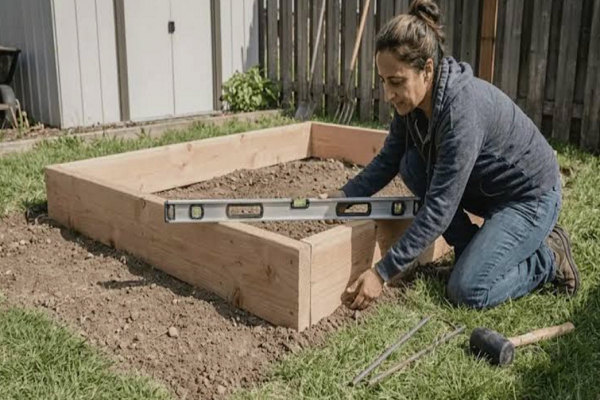
Top raised bed digging tools: trowel, spade, fork, soil knife, cultivator, scoop.
You want a simple, clear digging tools for raised garden beds guide. You will get it here. I have built and tended raised beds for years. I have tested tools in clay, sand, and rich compost. I will show you what works, why it works, and how to use it without strain. Settle in, because this digging tools for raised garden beds guide gives you the full picture, from tool picks to technique.
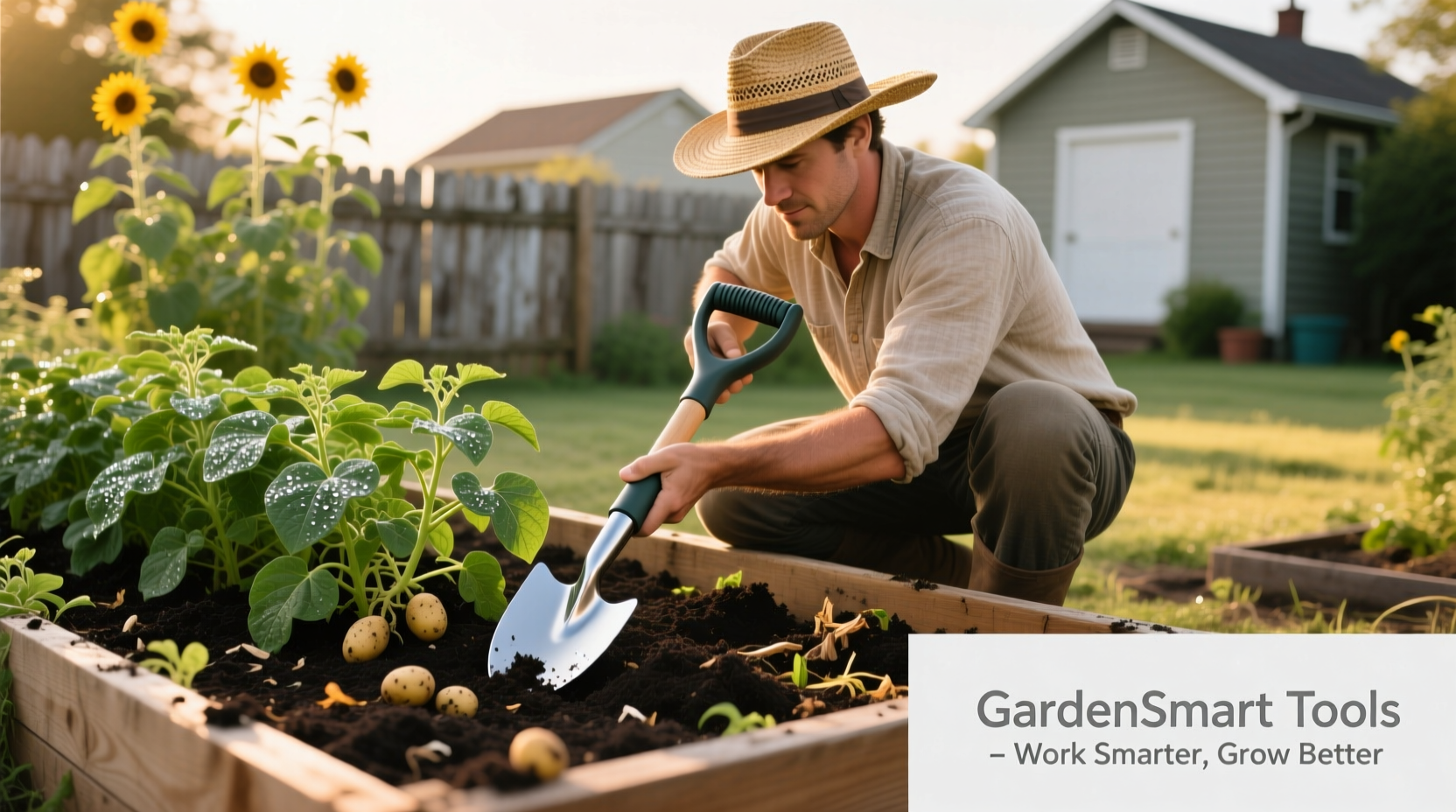
Why the right tools matter in raised beds
In this digging tools for raised garden beds guide, the goal is simple. You need tools that fit tight spaces, protect soil structure, and save your body. Raised beds are shallow and compact. Every inch matters. The wrong tool compacts roots and wastes time.
Good tools do three things well. They loosen soil without crushing it. They dig and plant with control. They match your bed depth, your soil, and your body. Extension trials show loose, well-aired soil grows stronger roots and holds water better. That means better yields and fewer problems.
You also want tools that last. Stainless steel resists rust. Carbon steel holds a sharp edge. Ash or fiberglass handles cut weight and reduce shock. A tool that feels right makes the job easy. You will reach for it often. That is how good habits start.
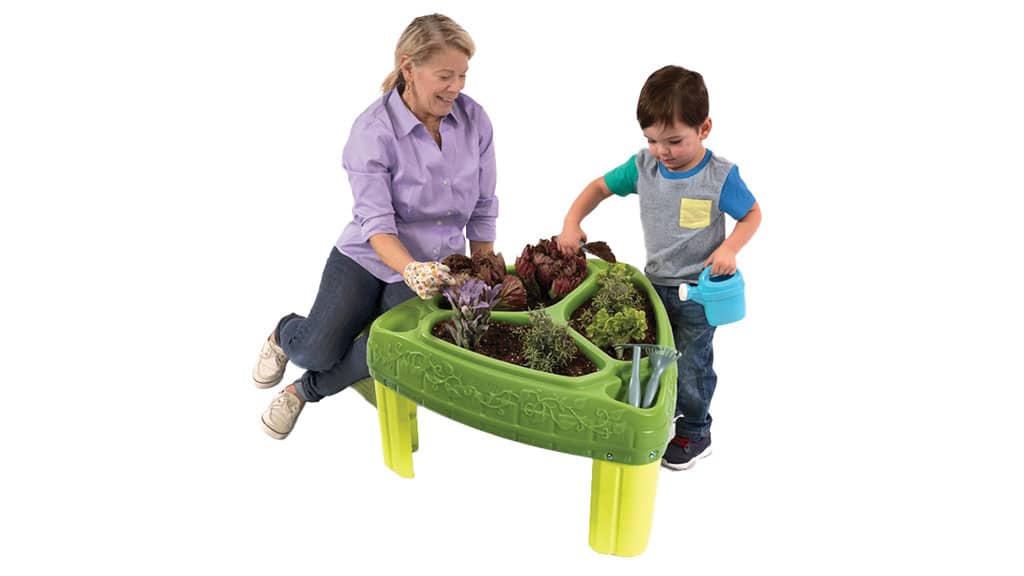
Essential tools checklist for raised beds
This digging tools for raised garden beds guide keeps the tool list tight. You do not need a shed full of gear. Start with these core pieces.
- Hand trowel: For planting, digging small holes, and moving soil. Look for a narrow, strong blade with depth marks.
- Transplant spade: A small, long, D-handle spade fits inside beds. Great for edging, trenching, and turning compost into soil.
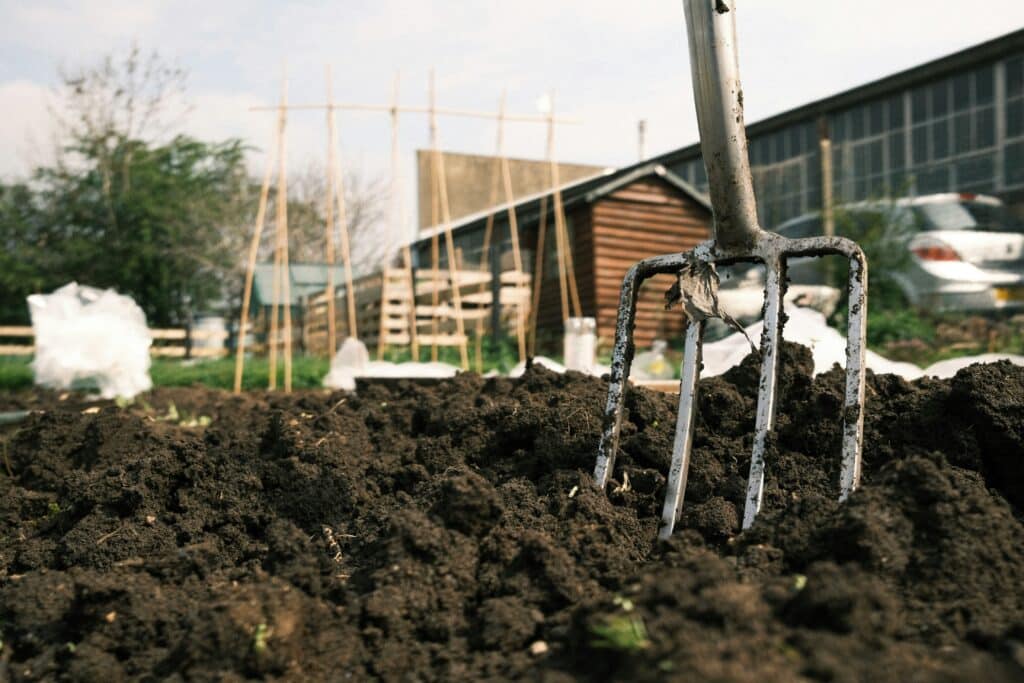
- Garden fork or border fork: Loosens soil with less compaction. Choose a border fork for tight beds. Use it to lift roots and pull weeds.
- Hori-hori or soil knife: Cuts roots, slices bags, divides plants, and digs small holes. A serrated edge is handy.
- Hand cultivator or claw: Breaks crust on top of soil. Mixes in compost. Helps with light weeding.
- Soil scoop: Moves mulch and compost fast. Saves time when filling or topping beds.
- Dibber or bulb planter: Makes consistent planting holes and spacing. Great for garlic and onions.
- Broadfork for big beds: If your beds are wide and deep, a small broadfork loosens soil fast with little bending.
- Narrow weeding tool: A crack weeder or cape cod weeder reaches tight spots around stems.
Nice to have items:
- Knee pad or kneeler: Protects knees and keeps you steady.
- Measuring line or ruler: For straight rows and even spacing.
- Bucket caddy or apron: Keeps tools on you. Saves trips.

How to choose the best tool for your bed, soil, and body
Use this digging tools for raised garden beds guide to match tool to task. Think size, soil type, and comfort. A tool that fits your hand and bed will work better and last longer.
Pick the right size. Raised beds are narrow. A border fork and a compact spade fit inside without smashing edges. Blades that are narrow help in root-dense beds. Handles that are mid-length give leverage without overreach.
Match metal to need. Stainless steel glides through soil and resists rust. Carbon steel is tough and sharp. It needs light oil to prevent rust. Welded joints are stronger than rivets on heavy-use tools.
Choose ergonomic handles. Look for a D-handle on compact spades. A padded or shaped grip cuts strain. Test the grip with gloves on. The tool should feel stable and balanced.
Think about soil. Clay needs a fork and a sharp spade. Sandy soil loves a scoop and a trowel with a wide blade. Rich, loose soil pairs well with a soil knife and a hand cultivator.

Techniques: dig, loosen, and plant without compacting soil
This digging tools for raised garden beds guide is not only about what to buy. It is also about how to work. Good technique protects your back and your soil.
Use a fork to loosen, not flip. Insert the fork, lean back a bit, and lift. Do not turn the whole layer. You keep soil life near the surface where it thrives.
Work from the edges. Do not step into the bed. Use a long-handled tool to reach the center. Use boards on top if you must step in to spread weight.
Plant with care. Use a trowel or soil knife to make a neat hole. Keep roots at the right depth. Firm the soil around the root ball, then water well.
Mix in compost, not deep. Add compost on top and fork it in lightly. Deep tilling can break soil structure. Light mixing feeds the top few inches where most roots live.

Maintenance, sharpening, and storage to make tools last
In this digging tools for raised garden beds guide, care matters as much as choice. Clean tools last longer and work better.
Keep tools clean. Knock off soil after each use. Rinse if needed and dry well. A quick wipe prevents rust.
Sharpen edges. Use a file or stone on spades, trowels, and knives. A sharp edge slides in with less force. File in one direction, then oil.
Protect metal. Wipe steel with a light oil. A sand and oil bucket cleans and coats hand tools at the same time.
Mind the handles. Check for cracks. Sand rough spots. Rub in linseed oil on wood once or twice a year.
Store right. Hang tools or keep them in a dry caddy. Keep edges covered. Good storage stops rust and keeps tips sharp.

Real-world picks: budget, midrange, and pro-level choices
Use this digging tools for raised garden beds guide to set a budget. Price often tracks with durability and comfort. You can start small and upgrade the few tools you use the most.
Budget ideas
- Steel trowel with a solid tang. Avoid flimsy, riveted joints.
- Basic hand cultivator and a simple soil knife. Look for full-tang blades.
- Powder-coated steel spade with a wooden D-handle.
Midrange ideas
- Stainless trowel with depth marks and a comfy grip.
- Border fork with forged tines and a strong socket.
- Hori-hori with a sheath and a clear inch scale.
Pro ideas
- Forged spade and fork with ash handles and steel ferrules.
- Lightweight, compact broadfork for larger beds.
- High-carbon soil knife that takes a razor edge.
Buy the best you can for the tool you use most. For me, that is the trowel and the fork. They earn a pro upgrade first.

Common mistakes to avoid in raised bed digging
This digging tools for raised garden beds guide also covers what not to do. Small errors add up. Avoid these common traps.
- Using a full-size shovel in a narrow bed: It is bulky and compacts soil.
- Over-tilling: Deep turning breaks soil life and causes crusting.
- Working when soil is wet: It smears and compacts. Do a squeeze test. If it clumps and stays clumped, wait.
- Skipping sharpening: Dull blades strain wrists and back.
- Ignoring handle fit: A poor grip leads to blisters and early fatigue.
I learned the wet-soil lesson the hard way. One spring I rushed in after rain. The bed baked into bricks. It took weeks to fix. Patience saves time.

Ergonomics and safety: save your back and wrists
In this digging tools for raised garden beds guide, your body comes first. A few habits will keep you strong through the season.
Use neutral wrists. Keep your wrist straight when prying. Change hand positions to avoid strain. Swap hands often.
Bend your knees, not your back. Hinge at the hips. Keep loads close to your body. Take short breaks every 20 minutes.
Right length tools. Handles should reach mid-chest for forks and spades. Hand tools should fill your palm without forcing a tight grip.
Gloves and shoes. Wear snug gloves with grip. Closed-toe shoes protect toes from dropped tools.
Warm up. Two minutes of light stretches help more than you think. Your future self will thank you.
Seasonal calendar for raised bed digging jobs
This digging tools for raised garden beds guide lays out a simple year plan. Use it to time tasks and pick the right tool.
Early spring
- Loosen beds with a fork. Mix in compost lightly.
- Set rows with a dibber. Plant cool crops.
Late spring to summer
- Spot-dig for transplants with a trowel or soil knife.
- Use a hand cultivator to break crust and weed.
Late summer
- Lift bulbs and garlic with a fork. Prep beds for fall.
- Add compost or mulch with a scoop.
Fall
- Remove spent roots. Fork to loosen, not flip.
- Top-dress with compost. Cover with leaves or straw.
Winter
- Clean, sharpen, and oil every tool.
- Plan upgrades for next season.
Frequently Asked Questions of digging tools for raised garden beds guide
What is the single best tool for raised beds?
If I had to pick one, it is a sturdy hand trowel. It does most planting and small digging jobs well.
Do I need a full-size shovel in raised beds?
Usually no. A compact transplant spade or border spade fits better and compacts less.
How do I avoid compacting soil while digging?
Work from the edges and never step in the bed. Use a fork to loosen instead of turning big chunks.
Is stainless or carbon steel better for tools?
Stainless resists rust and slides well. Carbon steel holds a sharper edge but needs oil to prevent rust.
How often should I sharpen garden tools?
Light touch-ups every few uses keep edges working well. A full sharpening at season’s end sets you up for spring.
What tool is best for clay soil in a raised bed?
A garden fork to loosen and a sharp spade to slice clods. Add compost over time to improve structure.
Why repeat the phrase “digging tools for raised garden beds guide” in articles?
It helps readers confirm they found the right topic. Used naturally, it also supports clear search intent.
Conclusion
The right tools make raised bed digging easy, fast, and kind to your soil. Start with a solid trowel, a compact spade, a good fork, and a soil knife. Use gentle techniques, keep edges sharp, and work from the sides. Your plants will show the difference.
Now choose one upgrade and one habit to adopt this week. Maybe a sharper trowel and a rule to never step in the bed. Ready to grow smarter? Subscribe for more practical guides, share your best tip, or ask a question in the comments.

