Most garden plants need 8–12 inches of loosened soil; deep-rooted crops need 18+.
Getting soil depth right is the quiet secret behind strong roots and healthy growth. In this guide, I’ll show, step by step, how deep should soil be prepared for plants, why it matters, and how to adapt for different crops, soils, and sites. You’ll get proven targets, simple tests, and methods I use in the field to set roots up for success.
Why Soil Depth Matters
Roots need space for air, water, and nutrients. If the soil is shallow or compacted, roots stall. Plants then struggle in heat, wind, and drought.
Deeper, looser soil stores more water and feeds roots longer. It also drains better. When asking how deep should soil be prepared for plants, think about the space roots need to breathe and explore.
Healthy root zones build stronger plants. That means fewer problems and more growth. Good depth is a one-time job with long-term payback.
Standard Depths by Plant Category
Here are reliable targets I use on real sites. They balance effort with results. Use them as your baseline, then adjust for your soil.
- Lawns and turf: Prepare 4–6 inches of good topsoil. More is better in sandy or hot sites.
- Annual flowers: Prepare 8–10 inches. Many bedding plants root shallow but spread fast.
- Perennial flowers: Prepare 12–18 inches. Peonies and daylilies love depth.
- Herbs: Most do well at 8–12 inches. Woody herbs prefer the drier end with sharp drainage.
- Leafy greens: 8–10 inches. Lettuce and spinach have shallow roots.
- Fruiting vegetables: 12–18 inches. Tomatoes, peppers, and squash root deep.
- Root crops: 12–18 inches. Carrots, beets, and parsnips need loose soil to grow straight.
- Potatoes: 8–10 inches plus hilling 4–6 inches as they grow.
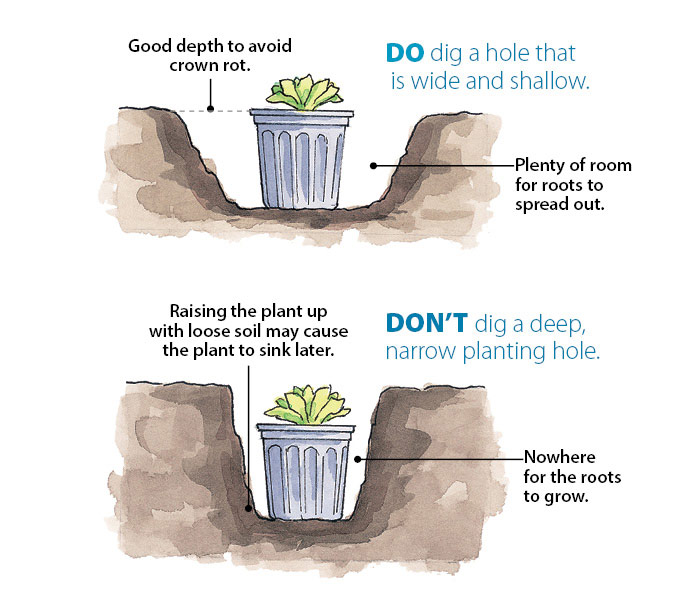
- Shrubs: Loosen 12–18 inches in a wide area, not just the hole.
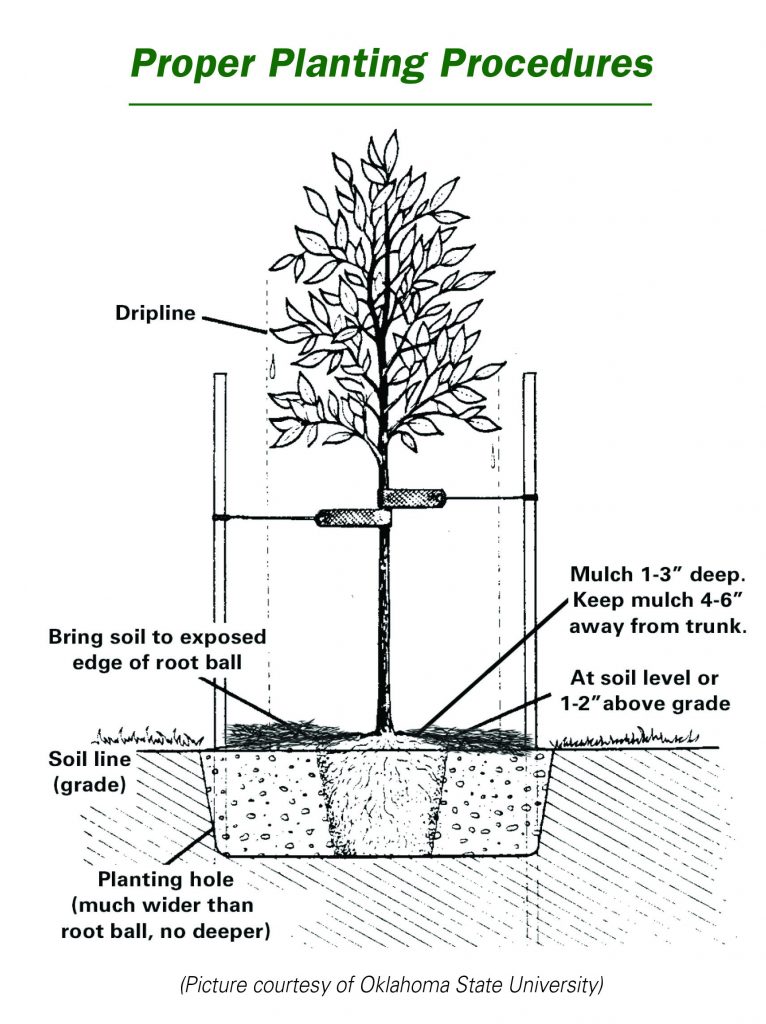
- Trees: Keep the root flare at grade and prepare soil 8–12 inches deep in a wide ring. Wider is better than deeper.
If you ask how deep should soil be prepared for plants, these targets cover most cases. Increase depth in sand and in hot, dry regions. Reduce depth if the site holds water and drains poorly.
Step-by-Step: Prepare Soil to the Right Depth
Use simple tools and a short process. It works for beds big or small.
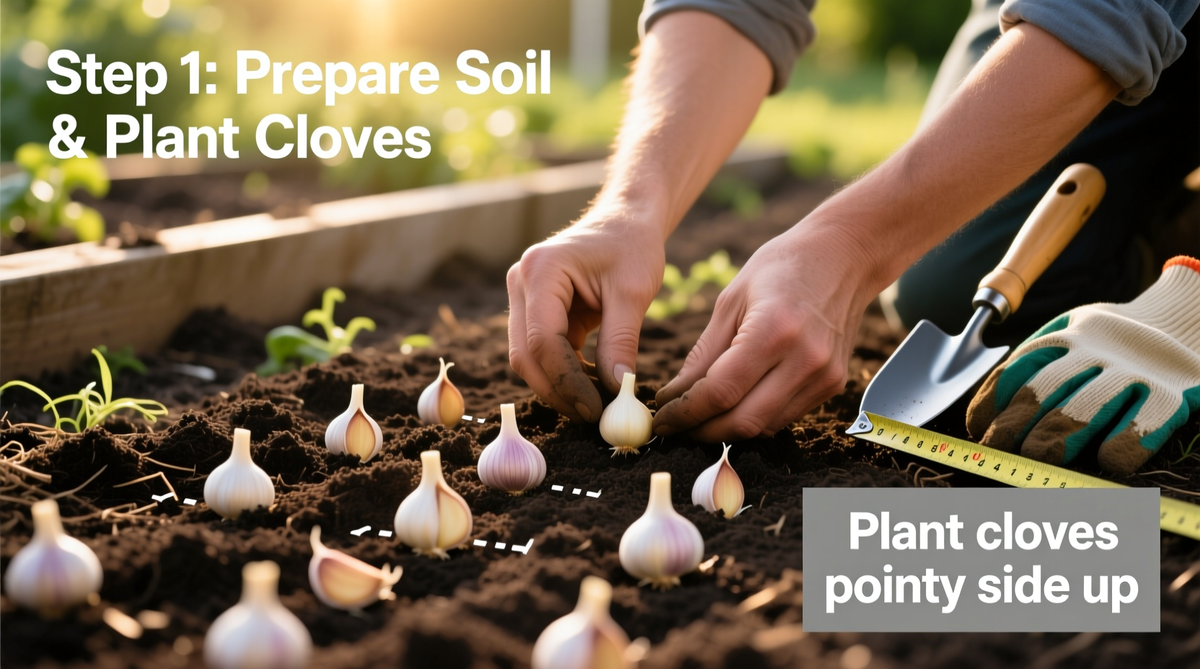
- Mark the area
- Outline the bed with a hose or string. Plan your plant spacing.
- Check current depth and compaction
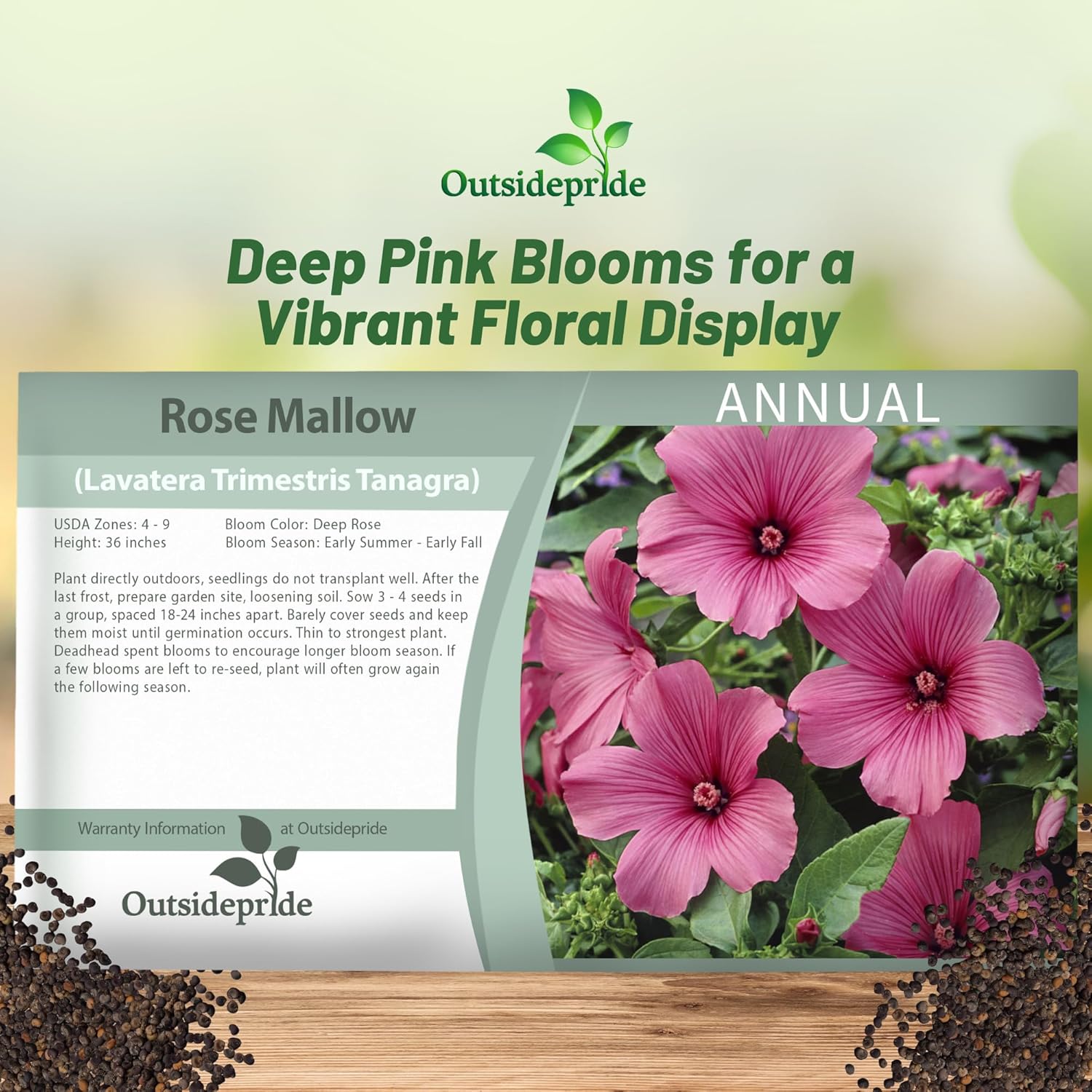
- Push a garden fork, rod, or screwdriver into the soil. Note resistance layers. If it stops at 4 inches, the soil is tight.
- Remove sod or weeds
- Lift sod in strips. Compost or use as paths.
- Add organic matter
- Spread 2–3 inches of compost over the surface. For poor soils, use up to 4 inches.
- Loosen the soil
- For 8–10 inches: Use a spade or tiller once, shallow and slow.
- For 12–18 inches: Use a broadfork or double-dig method. Keep topsoil on top and subsoil below. Do not mix deep subsoil into the top layer.
- Level and water-in
- Rake smooth. Water to settle air pockets. Recheck depth with your fork.
- Mulch after planting
– Add 2–3 inches of mulch. Keep mulch off stems and trunks.
This routine answers how deep should soil be prepared for plants in a practical way. It builds air space, holds water, and avoids compaction.
Adapting to Soil Type and Site Conditions
Soils act like sponges—some hold too much, others not enough. Match depth to the soil you have.
- Clay soil
- Goal: 10–12 inches of loose topsoil with stable structure.
- Add compost, not sand. Sand and clay can form hard layers.
- Do a drainage test. A 12-inch-deep hole should drain within 12–24 hours.
- Sandy soil
- Goal: 12–18 inches to store more water.
- Add compost and fine bark. Water soaks in fast; organic matter slows loss.
- Loam
- Goal: 10–12 inches, with 3–5 percent organic matter.
- Maintain with yearly compost top-dressing.
Watch for hardpan and old construction layers. If you hit a tight layer at 6–8 inches, break it gently with a broadfork. That improves drainage and root reach.
In windy or hot sites, go deeper. In wet low spots, improve drainage before adding depth. When you weigh how deep should soil be prepared for plants, the site often sets the limit.

Raised Beds and Containers: Depth That Works
Raised beds and pots need the right depth and mix. Roots heat up faster and dry out fast in summer.
- Raised beds
- 10–12 inches works for most crops. Go 18 inches for tomatoes or carrots.
- Use a mix of topsoil, compost, and mineral matter. Aim for a loose, crumbly feel.
- If on compacted ground, loosen the native soil 4–6 inches before you fill the bed.
- Containers
- Leafy greens and herbs: 6–8 inches.
- Peppers and eggplants: 10–12 inches.
- Tomatoes: 12–18 inches, with staking.
- Carrots and beets: 10–12 inches in tall pots or boxes.
Ask again: how deep should soil be prepared for plants in raised systems? Err on the deeper side. It gives grace in heat waves and busy weeks.
Common Mistakes and How to Avoid Them
I’ve made these mistakes so you don’t have to. They are easy to fix.
- Going too shallow
- Plants stall in summer. Aim for the targets above.
- Tilling wet soil
- It creates clods and hardpan. Wait until a squeezed handful crumbles, not smears.
- Mixing subsoil into topsoil
- Keep horizons in place. Lift and loosen, do not invert.
- Over-amending tree holes
- Roots circle in soft holes. Prepare a wide ring at grade instead.
- Skipping the drainage test
- Waterlogged beds fail. Test now, not after planting.
Each slip changes how deep should soil be prepared for plants in practice. Good timing and gentle tools protect soil life and structure.
Seasonal Timing and Maintenance for Lasting Depth
Depth is not a one-day win. It is a living system you maintain.
- Best times to prepare
- Early spring or fall. Soil moisture and cool air help structure set.
- Annual tune-ups
- Add 1 inch of compost to the surface. Let worms move it down.
- Protect the surface
- Keep mulch or cover crops on beds. Bare soil crusts and compacts.
- Traffic control
- Use fixed paths and boards. Avoid stepping on beds.
If you ask how deep should soil be prepared for plants over time, plan shallow work each year. The root zone will stay open and rich with life.
Frequently Asked Questions of how deep should soil be prepared for plants
How deep should soil be prepared for plants in a new vegetable bed?
Aim for 12 inches as a safe standard. Go to 18 inches for tomatoes, carrots, and deep-rooted crops.
How deep should soil be prepared for plants if I have heavy clay?
Target 10–12 inches with lots of compost. Do not till when wet, and test drainage first.
How deep should soil be prepared for plants in a raised bed on concrete?
Use 12–18 inches of quality mix. Ensure the bed has drainage holes and water deeply.
How deep should soil be prepared for plants when planting trees?
Keep the root flare at the soil surface and go wide, not deep. Loosen 8–12 inches in a broad ring around the hole.
How deep should soil be prepared for plants for lawns?
Prepare 4–6 inches of good topsoil before seeding or laying sod. This improves rooting and water use.
How deep should soil be prepared for plants in containers?
Match depth to the crop: 6–8 inches for greens, 10–12 for peppers, and 12–18 for tomatoes. Use a high-quality potting mix.
How deep should soil be prepared for plants if I plan to mulch thickly?
Keep the same soil depth and add 2–3 inches of mulch. Mulch protects the structure you just built.
Conclusion
Depth is the quiet driver of plant health. Set a clear target, test your soil, and build a loose root zone that fits each plant. The simple habit of checking how deep should soil be prepared for plants will pay you back with stronger growth and easier care.
Start with one bed this week. Do the fork test, add compost, and loosen to the right depth. Want more guides like this? Subscribe for updates, ask a question, or share your results in the comments.