

Tools To Dig Up Dirt: Best Picks And Pro Tips 2026
Use the right digging tools: shovels, spades, mattocks, augers, tillers, and excavators.
If you want real results fast, the right tools to dig up dirt matter more than muscle. I have spent years in gardens, jobsites, and rental yards testing gear. This guide breaks down the best tools to dig up dirt for every soil, budget, and task, with pro tips you can use today.
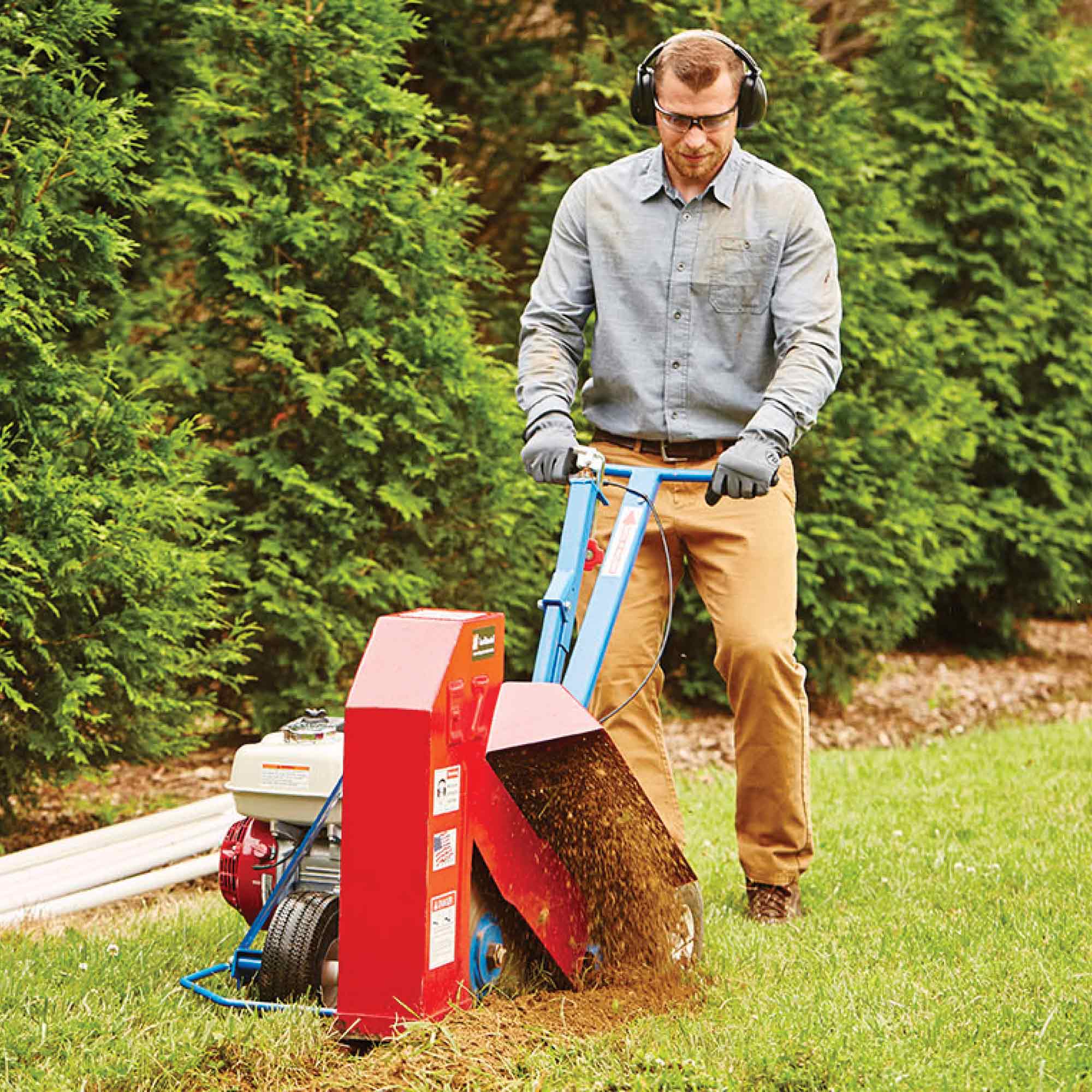
What Counts As Tools To Dig Up Dirt
Tools to dig up dirt are any hand or powered tools that move, loosen, or remove soil. Some cut and lift. Some break hard ground. Others scoop and haul. Knowing which one to grab saves time and strain.
You can group tools to dig up dirt into four sets. Hand tools handle small spaces and fine work. Power tools speed up bigger jobs. Heavy equipment moves yards of soil in minutes. Support gear keeps you safe and the site clean.
In this guide, I explain how each tool fits common jobs. I also share what has worked for me on clay, sand, and rocky fill. Use this to match tools to dig up dirt with your soil and goals.
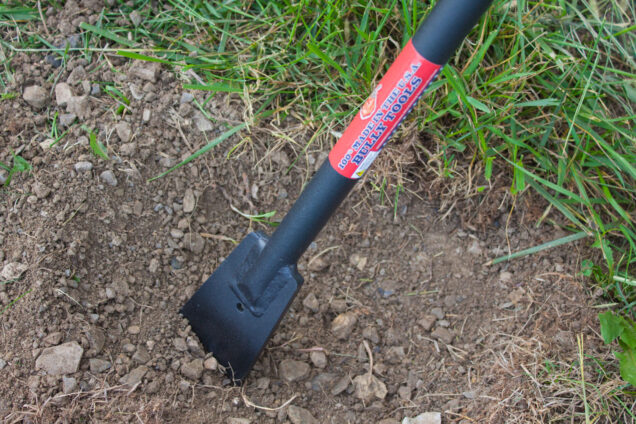
Manual Tools: Proven Workhorses For Small To Medium Jobs
Hand tools shine when you need control, quiet work, or a low budget. They are light, tough, and easy to store. Pick forged steel blades and ash, hickory, or fiberglass handles for long life.
- Round-point shovel: Best all-around digger for loose to medium soil. Great for moving soil, mulch, and gravel.
- Spade with a flat blade: Cuts clean edges, lifts sod, and shapes trenches. Ideal for beds and borders.
- Garden trowel: Precise planting and small holes. Good for container work and tight spots.
- Mattock or pick mattock: Breaks hardpan, clay, and roots. Use the adze side to chop and scrape.
- Digging bar: Long steel bar to pry rocks and break hard crust. Saves your back during stump work.
- Post-hole digger: Cuts narrow, deep holes for posts and small trees. Works well after a pilot hole.
- Hoe and cultivator: Loosens topsoil and mixes compost. Useful for weed control before digging.
- Scoop shovel: Moves loose piles fast after you break the ground.
When I face stubborn clay, I reach for a mattock first. Five minutes of chop and pry beats twenty minutes of pure shovel work. That lesson saved me more blisters than any glove ever did.

Power And Heavy Tools To Dig Up Dirt
Power tools raise output and cut labor. They cost more, yet rentals can be a great deal for short jobs. For big digs, heavy equipment rules.
- Electric or gas auger: Drills post or tree holes fast. Use two-person units for larger bits.
- Plate compactor: Not for digging, but vital to firm backfill. Prevents sag and trip hazards.
- String trimmer with blade or sod cutter: Removes sod clean before a dig. Keeps edges neat.
- Rototiller: Loosens and mixes the top 6 to 10 inches. Ideal for beds and soil prep.
- Mini skid steer or compact track loader: Moves soil, loads trucks, and grades. Good for tight yards.
- Mini excavator: Digs trenches, footings, and pits with ease. Swings spoil to a pile or trailer.
- Trencher: Cuts long, narrow trenches for drains or conduit. Clean and consistent depth.
- Backhoe loader: Versatile on larger sites. Digs, lifts, and hauls.
If you rent, ask for the right bucket or bit. I once lost an hour trenching with a bucket that was too wide. The right attachment turns tools to dig up dirt into time machines.
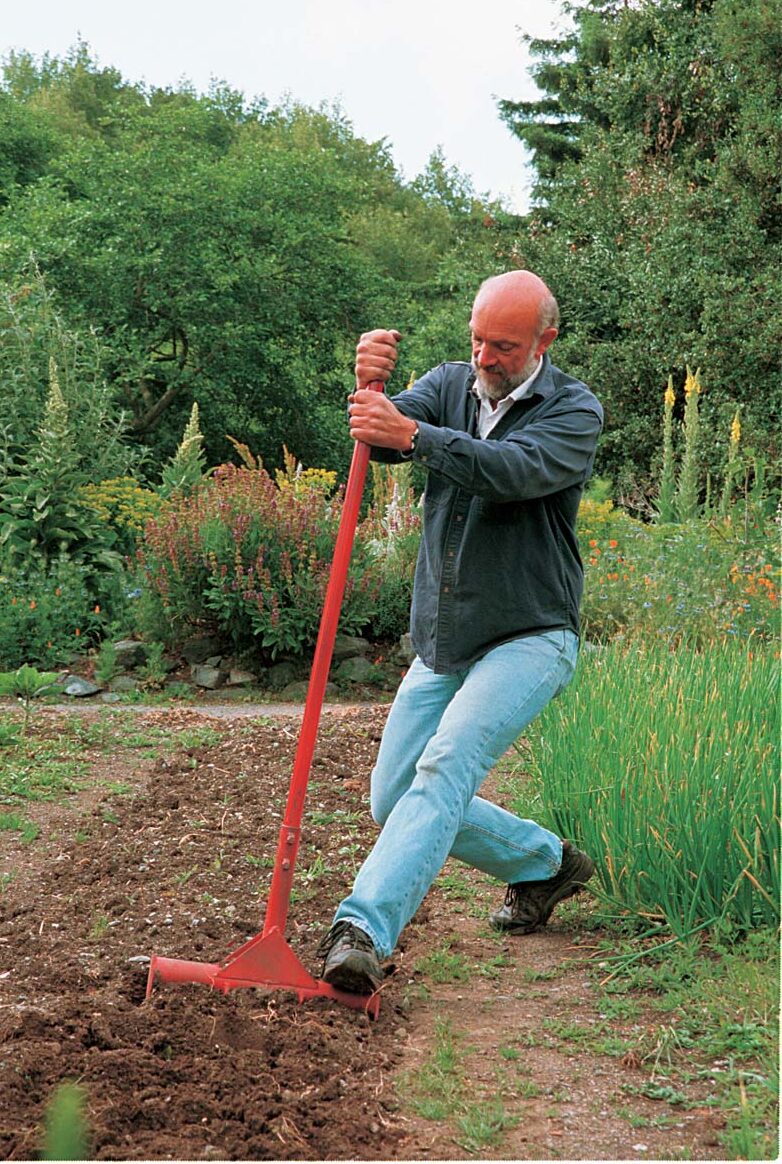
Match The Tool To Your Soil And Task
Soil type guides your pick. Wet clay clings and fights you. Dry sand caves in. Rocky fill stops blades cold. Choose tools to dig up dirt that fit the ground and the job.
For clay
- Use a mattock to break. Follow with a spade or round shovel.
- Pre-soak the area the day before. Moist, not muddy, works best.
For sand
- Cut clean edges with a spade to control cave-ins.
- Use boards to support trench walls for deeper cuts.
For rocky soil
- Start with a digging bar and pick to loosen stones.
- Sift or hand-pick rocks before you trench for lines.
For common tasks
- Planting trees: Mattock to open, round shovel to lift, spade to shape sides.
- Trenches for drains: Trencher or mini excavator for speed. Spade to square edges.
- Post holes: Auger to depth, post-hole digger to clean. Check plumb as you go.
- Sod removal: Spade or sod cutter first. Then dig with a shovel on clean soil.
I run a quick test hole with a spade before any big dig. It tells me what lies below and which tools to dig up dirt will keep me moving.

Safe Digging And Legal Checks
Safety comes first. In the US, call 811 before you dig. Crews will mark buried gas, power, water, and data lines. Every state requires it for good reason.
Wear gloves, boots with toe protection, and eye gear. In deeper holes, slope or shore the sides. Never enter a trench over waist deep without proper shoring. Keep kids and pets away from the site.
Plan spoil piles at least two feet back from the edge. Watch underground sprinkler lines and landscape lighting. Get permits when needed for walls, footings, or large grade changes. Smart safety turns tools to dig up dirt into tools you trust.

Technique Tips I Use On The Job
Good technique beats brute force. Short, repeat cuts with rests save energy. Keep your back straight and use your legs and core.
- Score your outline with a spade before you dig.
- Slice in layers, not one deep bite.
- Use the spade’s step to drive the blade with body weight.
- Flip the shovel to shake soil off roots instead of yanking.
- Stage tools to dig up dirt within reach to avoid wasted steps.
- Keep a square bucket or tarp as a soil mat for clean work.
Here is my go-to plan for a small trench
- Mark the line and depth. Call 811 if needed.
- Cut sod with a spade. Roll and set aside.
- Break hard spots with a mattock.
- Remove soil with a trenching spade.
- Shape, check grade, and place bedding.
- Backfill and compact in thin lifts.

Buy, Rent, Or Borrow: Budget And Quality Guide
Match the buy choice to how often you dig. If you dig once a year, rent power gear and buy core hand tools. If you work weekly, buy higher-grade steel and strong handles.
What to look for
- Forged, tempered steel blades resist chips and bend less.
- Full-tang or socket designs spread load into the handle.
- Fiberglass handles dampen shock and resist rot. Wood feels great and is easy to replace.
- D-handles help control loads in tight spaces.
Typical costs in the US
- Shovel or spade: 25 to 70 dollars
- Mattock: 35 to 90 dollars
- Post-hole digger: 40 to 80 dollars
- Gas auger rental: 60 to 120 dollars per day
- Mini excavator rental: 250 to 500 dollars per day
Value tip: Buy one premium spade and shovel before you buy many cheap ones. Good tools to dig up dirt hold an edge, feel better, and last for years.
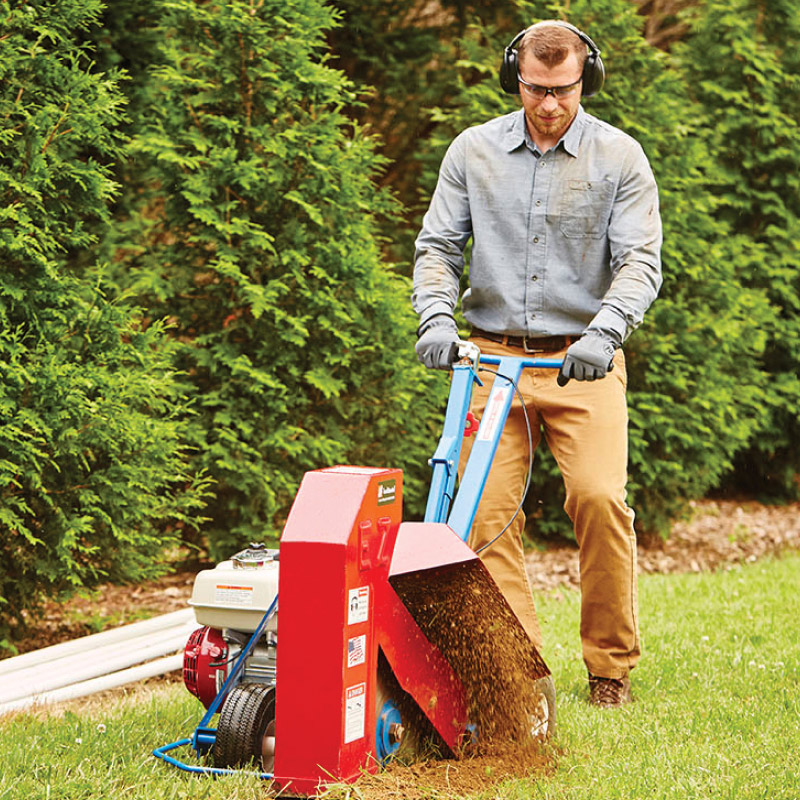
Care And Upkeep For Long Life
Clean tools right after use. Dry them before storage. Dirt holds water and salts that cause rust and pits.
Sharpen edges with a file at a slight bevel. Oil bare metal with light oil. Check and tighten handle bolts. Sand and oil wood handles at season’s end.
Power gear needs fresh fuel, clean filters, and greased fittings. A few minutes of care keeps tools to dig up dirt safe and ready for the next job.

Eco-Smart Excavation
Soil is a living system. Treat it with care. Strip and save topsoil in a separate pile. Return it last so microbes and roots thrive.
Control erosion with straw, fabric, or mulch. Keep silt out of drains. Lay plywood paths to protect lawns. Choose tools to dig up dirt that fit the job so you disturb less and fix less.
Compost and amend as you backfill. Healthy soil drains better and resists compaction. Your site will look better and last longer.
Frequently Asked Questions of tools to dig up dirt
What is the best all-purpose tool to dig up dirt?
A round-point shovel is the best all-around pick for most soil. It digs, lifts, and moves soil with ease.
How do I dig in hard clay without burning out?
Pre-soak the area and start with a mattock to break the crust. Then switch to a spade or shovel to lift and clean.
Should I buy or rent a power auger?
Rent if you have a few holes or rare jobs. Buy if you drill often through the year and can store and maintain it.
What size mini excavator should I rent for a yard trench?
A 1.7 to 3.5 ton mini excavator fits most yards and gates. Choose a trenching bucket that matches your pipe or drain width.
How do I keep trench walls from caving in?
Cut clean edges, avoid over-digging, and shore or slope as depth increases. Keep spoil piles back from the edge.
Are fiberglass handles better than wood?
Fiberglass handles resist moisture and shock. Wood feels great and is easy to replace if damaged.
How do I pick tools to dig up dirt for rocky ground?
Use a digging bar and pick to free rocks first. Follow with a spade or narrow trenching shovel to shape the hole.
Conclusion
The right tools to dig up dirt turn hard work into clean, fast results. Match your tool to the soil and task. Use smart technique, plan for safety, and care for your gear. You will save hours and spare your back.
Start small. Try one upgraded spade or a rented auger on your next project. Share your results, subscribe for more how-tos, and ask your questions so we can dig smarter together.


