

Raised Bed Gardening For Beginners: 2026 Starter Guide
A raised bed is a shallow frame filled with rich soil that boosts yields fast.
I have built, filled, and grown in more than thirty raised beds over the last decade. In this guide on raised bed gardening for beginners, I share the exact steps, soil recipes, tools, and time-saving tricks I use at home and in client gardens. You will learn what works, what does not, and how to start your first bed with confidence.
What is a raised bed and why it works
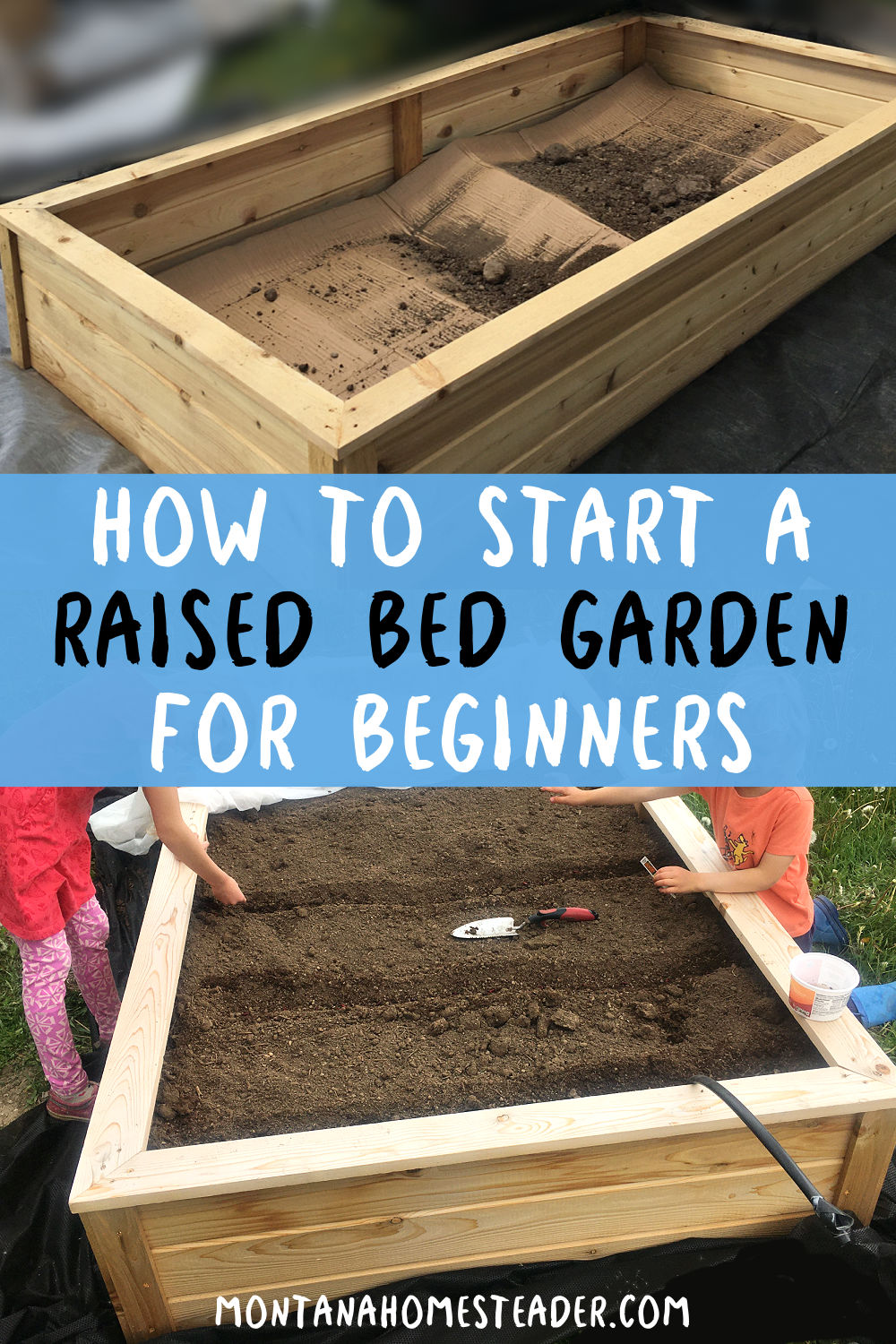
A raised bed is a box set on native ground or a patio, then filled with a loose, fertile mix. The bed lifts your plants above compacted soil. It drains well, warms fast, and makes weeding and planting easy. For beginners, it removes guesswork and gives control over soil and space. That is why raised bed gardening for beginners leads to quick wins in the first season.
Key advantages:
- Better drainage and fewer wet feet for roots
- Faster spring warm-up and longer fall harvests
- Fewer weeds and simpler crop rotation
- Defined space for dense, high-yield planting
Benefits and limitations
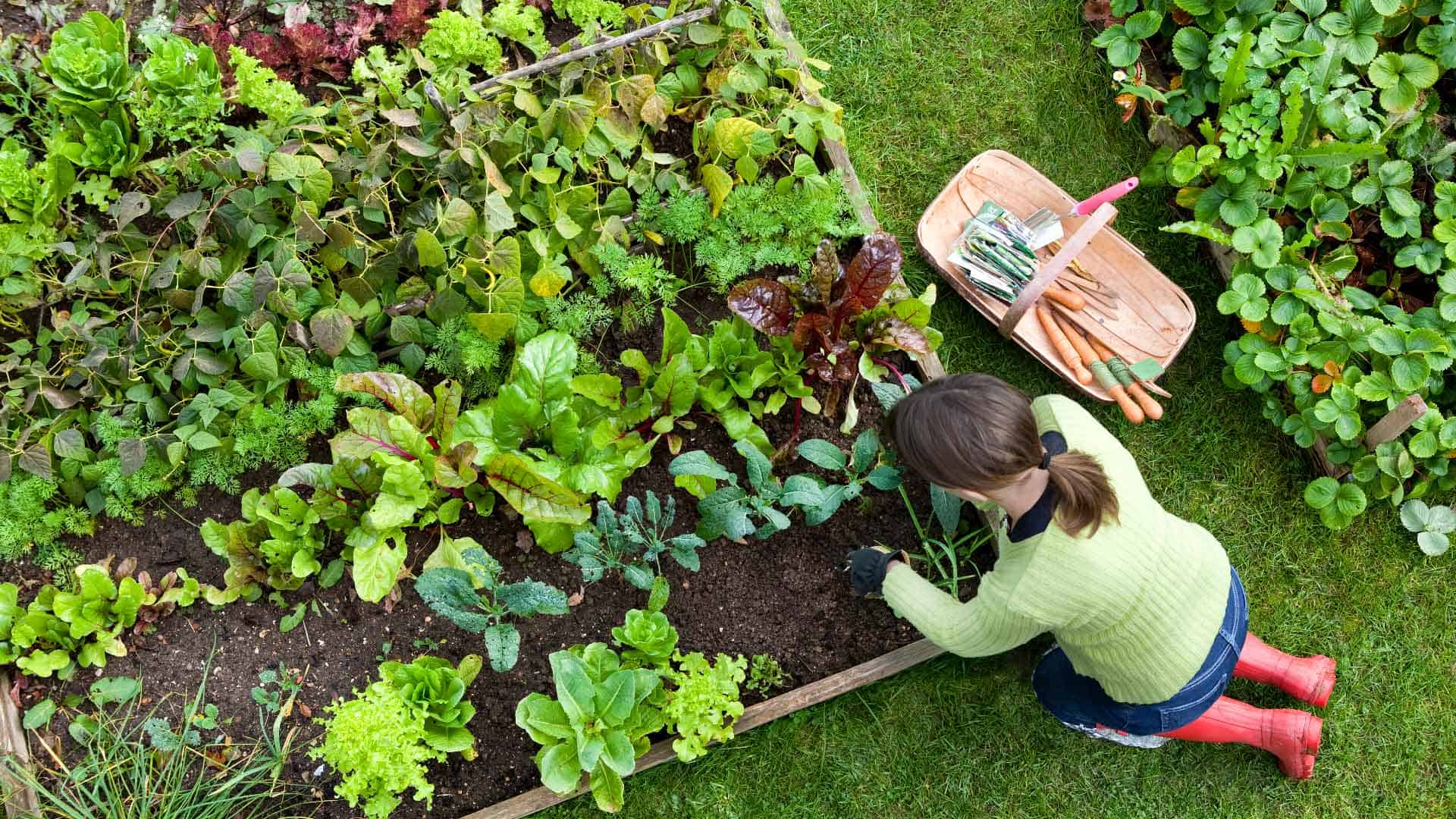
Raised bed gardening for beginners has clear pros and a few trade-offs. Know both to plan well.
Benefits:
- Less bending and strain on your back
- High yields in small spaces
- Cleaner, consistent soil with fewer diseases
- Easy to add hoops, covers, and drip lines
Limitations:
- Upfront cost for lumber and soil
- Beds can dry out faster in wind and heat
- Soil settles in year one and needs topping up
- Large-root trees nearby can invade from below

Planning your first raised bed
Good planning makes year one smooth. This is where raised bed gardening for beginners often wins or loses.
Site:
- Pick 6 to 8 hours of sun. Morning sun is ideal.
- Keep away from large trees and thirsty shrubs.
- Place near a hose spigot. You will water often.
Size and height:
- Start with one 4 by 8 foot bed. You can reach the middle from both sides.
- Aim for 10 to 12 inches tall for most crops. Go 16 to 24 inches for root crops or if mobility is a concern.
- Leave 24 to 36 inch paths between beds for a wheelbarrow.
Orientation and layout:
- Run long sides east to west for even light.
- Use cardboard under the bed to smother grass. Overlap edges well.
- Level the frame so water spreads, not pools.
Personal note: My first bed was 5 feet wide. I could not reach the center without stepping in. I rebuilt it to 4 feet and my yield went up. Simple fix. Big result.
Choosing materials and tools
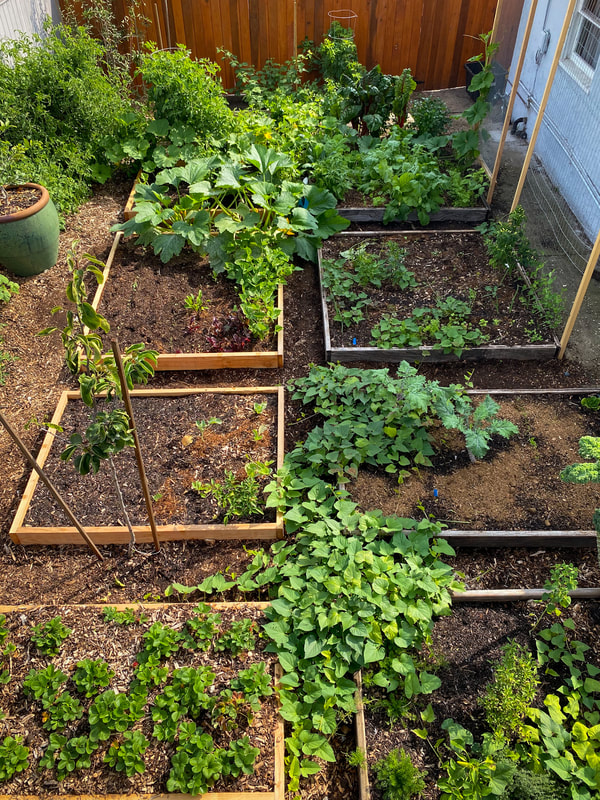
The frame sets the tone for your garden. In raised bed gardening for beginners, durable and safe materials matter.
Frame options:
- Untreated cedar or redwood lasts longest and is rot resistant.
- Construction-grade pine is budget friendly. Expect 5 to 7 years if you keep it mulched and dry between waterings.
- Galvanized steel kits are clean, fast, and long lasting. They warm a bit quicker in spring.
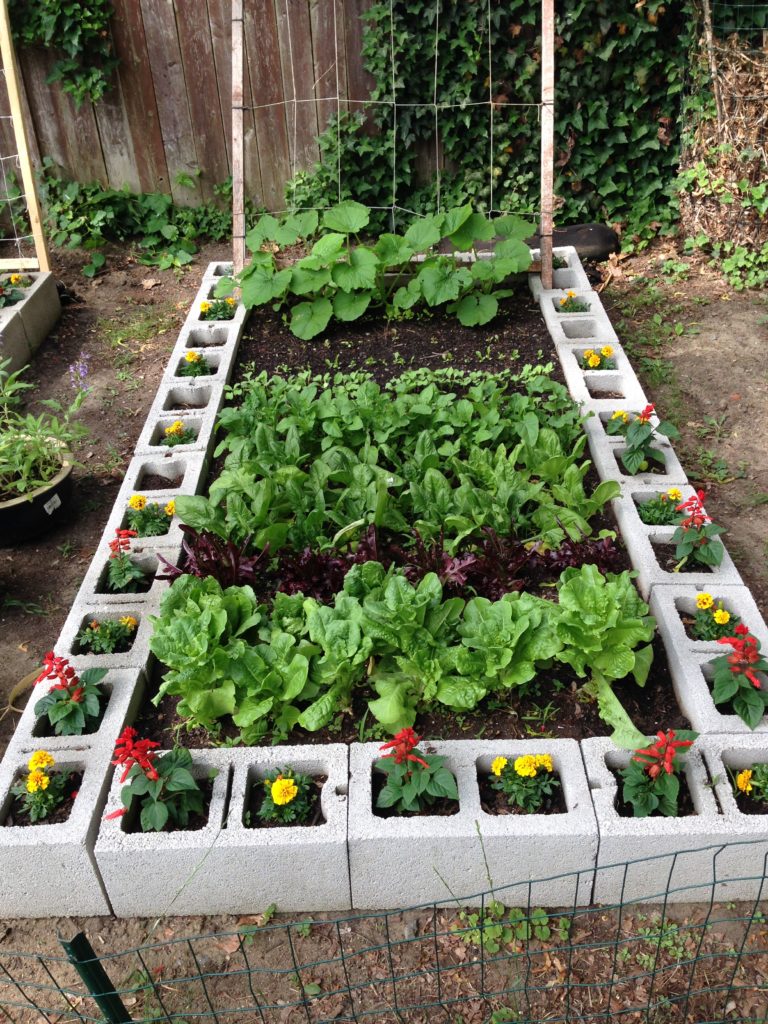
- Concrete blocks are sturdy. Cap the tops for comfort. Avoid old railroad ties due to creosote.
Safety note: Modern pressure-treated lumber is considered safe for food gardens. If you prefer extra caution, line the inside with a heavy-duty plastic liner and leave drainage holes along the bottom.
Tools you will use:
- Tape measure, square, pencil
- Saw, drill or impact driver, exterior screws
- Shovel, rake, wheelbarrow
- Hose, spray nozzle, or drip kit
- Gloves and a dust mask while handling compost
Building your raised bed step-by-step
Follow a clear build path. This is the part of raised bed gardening for beginners that feels most hands-on.
- Measure and cut boards to size. Pre-drill corners.
- Assemble the frame on a flat surface with exterior screws.
- Place on site. Check for square and level.
- Smother grass with overlapping cardboard. Wet it.
- Add a 0.5 inch layer of coarse wood chips or sticks for drainage if your soil is heavy clay.
- Fill with your soil mix in 3 to 4 lifts. Water between lifts to settle.
- Top off to 1 inch below the rim. Install drip lines if using.
- Mulch paths with wood chips to keep mud down.
Tip: Screw in 2 by 2 inch corner stakes inside the frame for extra strength in windy spots.

The best soil mix for raised beds
Great soil is the engine. In raised bed gardening for beginners, this is the most important step.
Targets:
- Texture: Fluffy and crumbly
- pH: 6.0 to 7.0 for most vegetables
- Organic matter: 5 to 10 percent
Simple, reliable mix:
- 40 percent high-quality compost
- 40 percent coconut coir or peat moss
- 20 percent perlite or coarse sand for air flow
Budget-friendly mix:
- 50 percent screened topsoil
- 30 percent compost
- 20 percent coarse sand or perlite
Compost variety matters. Blend two or more sources if you can. For example, yard waste compost plus worm castings. Avoid compost that smells sour or like ammonia.
How much soil to buy:
- Volume in cubic feet = length × width × height × 7.48 (for feet to gallons) divided by 7.48
- Or use cubic feet: 4 × 8 × 1 foot deep = 32 cubic feet
I test soil with a simple kit each spring. If nitrogen is low, I side-dress with a slow-release organic fertilizer. It keeps growth steady and less leggy.

Planting guide for beginners
Planting is where raised bed gardening for beginners becomes fun. Plan tight but smart.
Start with easy winners:
- Lettuce, spinach, kale
- Radishes and carrots
- Bush beans and peas
- Zucchini and cucumbers
- Cherry tomatoes and peppers
- Herbs like basil, chives, and parsley
Spacing and layout:
- Use square-foot gardening as a guide. Think in 12 inch squares.
- Tall crops on the north side so they do not shade others.
- Vine crops on trellises to save space.
Timing:
- Plant cool-season crops in early spring and fall.
- Plant warm-season crops after the last frost and when nights stay above 50°F.
- Use succession planting. Sow a small patch every 2 to 3 weeks for steady harvests.
Watering, mulching, and fertilizing
Water is the make-or-break factor in raised bed gardening for beginners. Beds dry out faster than ground soil.
Watering:
- Aim for 1 inch of water per week, more in heat waves.
- Water at soil level in the morning.
- Drip irrigation with a timer is a game changer.
Mulching:
- Add 1 to 2 inches of straw, shredded leaves, or fine wood chips.
- Keep mulch an inch away from stems to prevent rot.
Feeding:
- Mix in a balanced organic fertilizer at planting.
- Side-dress heavy feeders like tomatoes mid-season.
- Foliar feed with seaweed or fish emulsion if leaves pale.
Pest and disease management
Keep it simple and preventive. That is the heart of raised bed gardening for beginners.
Foundations:
- Healthy soil and steady water grow resilient plants.
- Space for airflow. Wet leaves invite disease.
- Rotate crops by family each season.
Quick fixes that work for me:
- Floating row covers for flea beetles and cabbage worms
- Hand-picking hornworms at dusk with a UV flashlight
- Beer traps for slugs and copper tape on bed edges
- Neem oil or insecticidal soap for soft-bodied pests
Disease tips:
- Water the soil, not the leaves.
- Remove and trash infected leaves. Do not compost them if disease is severe.
- Choose resistant varieties. Look for labels like VFN for tomatoes.
Seasonal care, rotation, and extending the season
With a few tools, your raised bed runs almost year-round.
Rotation basics:
- Rotate by plant family every season. For example, tomatoes after beans, greens after tomatoes.
- Aim for a 3 to 4 bed rotation cycle if space allows.
Season extension:
- Push spring with clear plastic over hoops. Vent on warm days.
- Use insect mesh in summer to block pests.
- Add frost blankets in fall to hold heat 4 to 8°F warmer.
Yearly reset:
- Top up compost at the start of each season.
- Test soil pH every year or two.
- Mulch paths to suppress weeds and improve access in rain.
Common mistakes to avoid and pro tips
I see the same pitfalls in raised bed gardening for beginners. Skip these and you will save time.
Mistakes:
- Beds wider than 4 feet that force you to step in
- Using cheap, salty compost that burns seedlings
- Skipping mulch and fighting weeds all summer
- Overwatering tomatoes and causing split fruit
Pro tips:
- Install a simple drip line on day one
- Label rows with weatherproof tags
- Plant flowers like marigold and alyssum to draw pollinators
- Keep a garden notebook for dates, yields, and lessons
Budget and small-space solutions
Raised bed gardening for beginners does not need to be pricey.
Low-cost ideas:
- Use construction-grade pine and seal the top edges with linseed oil
- Fill the lower third with sticks and leaves, then add soil on top
- Share bulk compost orders with neighbors
Tiny spaces:
- Use 10 to 20 gallon grow bags on balconies
- Plant herbs in window boxes
- Try a 2 by 4 foot mini bed against a sunny wall
Frequently Asked Questions of raised bed gardening for beginners
How deep should a raised bed be?
Most vegetables thrive at 10 to 12 inches deep. Go 16 to 24 inches for carrots, potatoes, or if you need a taller bed for comfort.
What should I put on the bottom of a raised bed?
Lay down overlapping cardboard to smother grass and weeds. Skip plastic; you want roots and water to move into the native soil.
How often should I water a raised bed?
Water when the top inch of soil is dry. In summer heat, that may mean every day, but drip irrigation makes it easy and even.
Can I use topsoil alone in a raised bed?
Topsoil alone compacts and drains poorly. Mix it with compost and a coarse material like perlite or sand for structure and airflow.
Is pressure-treated lumber safe for food gardens?
Modern treated wood is widely considered safe. If you prefer extra caution, line the inside with heavy plastic and leave drainage holes.
Conclusion
You are now ready to plan, build, fill, and plant a raised bed that produces real food fast. Start small, follow the steps, and keep notes. Each season will get easier, and your harvests will grow.
Pick one bed, buy good soil, and plant three easy crops this week. If this guide on raised bed gardening for beginners helped, subscribe for more how-tos, or leave a comment with your first bed plan. I am happy to help you fine-tune it.


