Soil Preparation Tools For Garden Beds: Top Picks 2026
The right tools loosen soil, boost drainage, and set garden beds up for success.
If you want easier planting, faster growth, and bigger harvests, start with the right soil preparation tools for garden beds. I have prepped beds for home plots and market rows, in clay, sand, and loam. In this guide, I break down what works, what to skip, and how to build a smart kit of soil preparation tools for garden beds that fits your space, soil, and budget.
What soil preparation means and why it matters
Good soil gives roots air, water, and food. Great soil has structure. It drains well but holds moisture. It supports microbes and worms. Tools shape that structure.
Soil prep is more than tilling. It covers testing, weeding, loosening, leveling, and mixing in amendments. It also protects the soil surface so rain and wind do not undo your work.
When you match soil preparation tools for garden beds to your soil type, you reduce compaction. You also save time and get steady yields. Poor matches waste effort and can harm soil life.

The essential soil preparation tools for garden beds
Think in layers: test, clear, loosen, shape, and finish. Build a core kit first. Add specialty tools as needed.
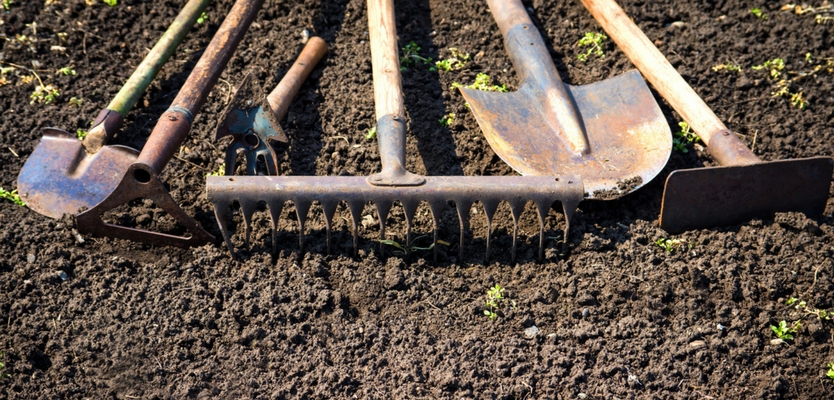
Core set for most gardens:
- Spade or digging shovel for edges, plugs, and turning sod
- Garden fork or broadfork for deep loosening without mixing layers
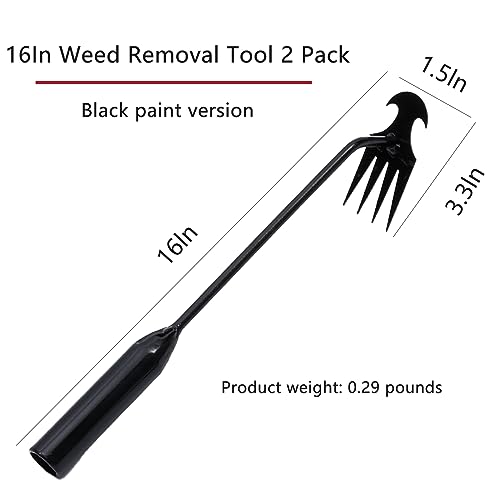
- Hoe for slicing weeds and shaping rows
- Bow rake for leveling and pulling debris
- Hand trowel for transplants and tight spaces
- Wheelbarrow or garden cart for hauling compost and mulch
Helpful add‑ons:
- Soil test kit or lab test for pH and nutrients
- Compost screen for fine topdressing
- Measuring tools like a tape and bed rake with marked teeth
- Watering wand for gentle settling after prep
This set gives you flexible soil preparation tools for garden beds that can handle new and existing plots.
Hand tools deep dive: when and how to use them
Spade
- Best for edging beds, cutting roots, and removing sod.
- Step on the top edge with your boot for power.
- Keep it sharp. A dull spade is slow and unsafe.
Garden fork
- Great for lifting and loosening heavy soil.
- Push it in and rock back. Do not churn wet clay.
- Use it to lift crop residue before composting.
Broadfork
- Ideal for deep aeration with less disturbance.
- Step on the crossbar, pull back, and walk backward.
- I use it each spring to open paths for roots and water.
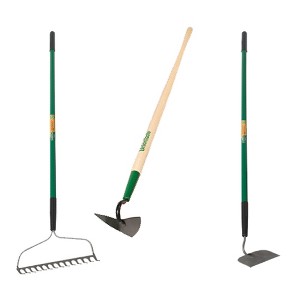
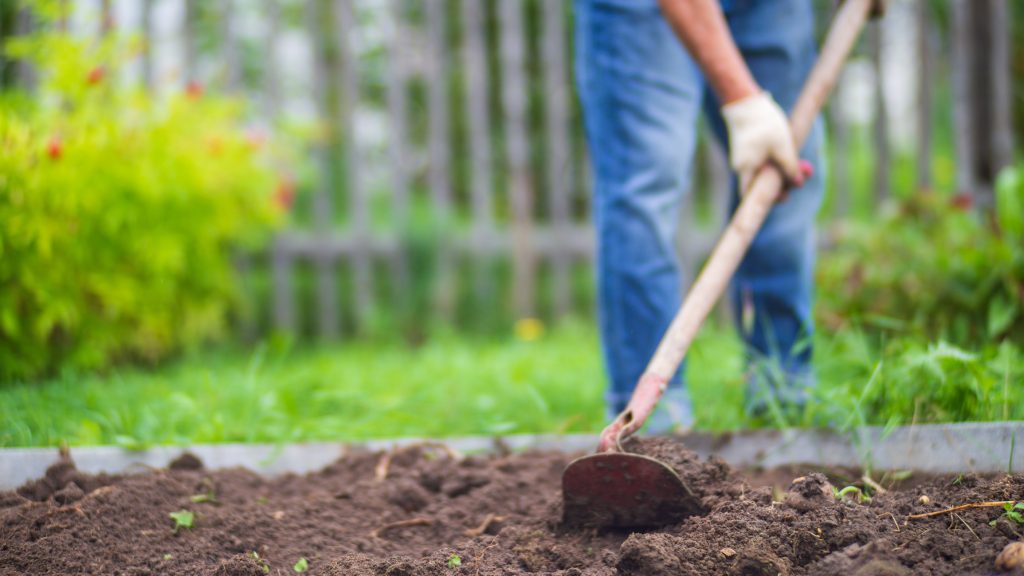
Hoe
- Slice young weeds at the surface line.
- A stirrup hoe glides and spares your back.
- Keep the blade sharp so you work faster with less strain.
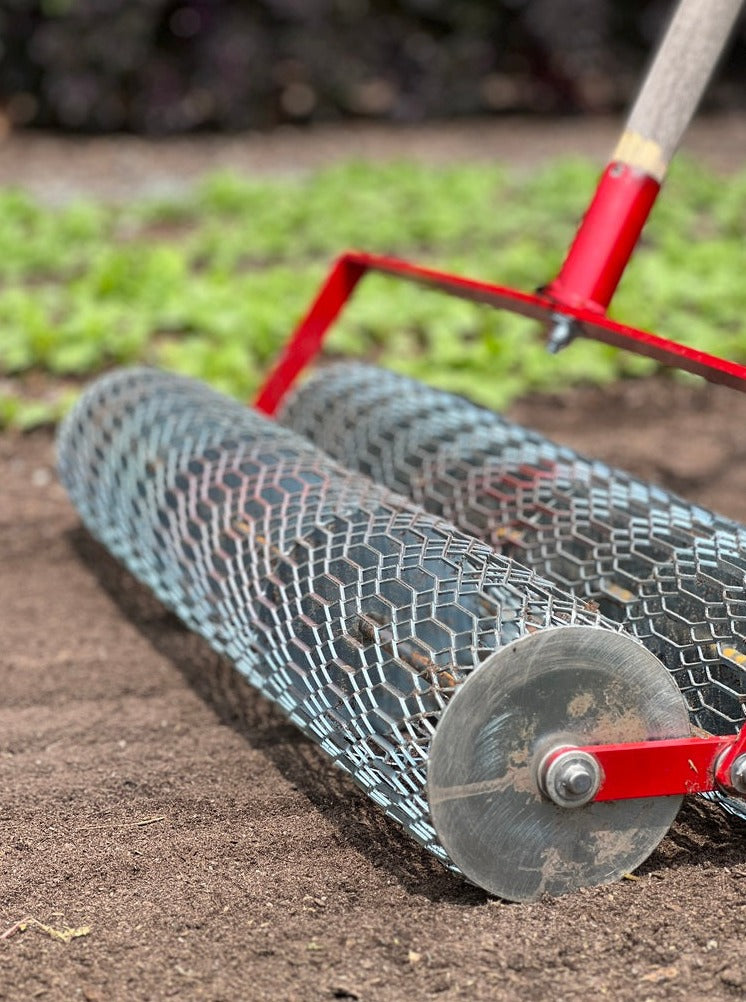
Bow rake
- Level seedbeds and spread compost.
- Flip it to smooth with the flat back.
- Use light passes to avoid compacting the surface.
Trowel
- Set transplants to the right depth.
- Mark spacing with the handle for speed.
- Narrow blades help in tight raised beds.
These hand tools are the backbone of soil preparation tools for garden beds in small and medium plots.

Power tools and when to use them
Tillers
- Break new ground fast and mix in large amounts of compost.
- Use shallow passes. Deep tilling can bring up weed seeds.
- Avoid when soil is wet, as it makes clods and compacts layers.
Cultivators
- Smaller than tillers. Good for fluffing top few inches.
- Useful for mixing topdressings in existing beds.
Drill augers
- Bore holes for bulbs or soil sampling.
- Handy for spot work with minimal mess.
Battery string trimmer with blade head
- Clears cover crops before broadforking.
- Mulch the residue or add it to the compost pile.
Rent heavy tools if you use them once or twice a year. For day‑to‑day work, hand tools often win. Smart use of machines can support, not replace, soil preparation tools for garden beds.
Soil testing and amendment tools
Soil tests guide every choice. Guessing wastes time and money.
Useful tools and supplies:
- pH and nutrient test kit or mail‑in lab test
- Measuring scoop and clean bucket for composite samples
- Lime or sulfur for pH, as tests suggest
- Compost, aged manure, or leaf mold to boost organic matter
- Slow‑release fertilizers to fill gaps without burn
- Compost screen for a fine, even top layer
- Broadcast spreader for even coverage in larger beds
University extension trials show that correct pH improves nutrient uptake and yield. Use soil preparation tools for garden beds alongside tests so you add what the soil lacks, not more.

Ergonomics, safety, and working smart
Comfort helps you work longer and better.
Tips that save your back and hands:
- Wear gloves with grip and a snug cuff.
- Use long‑handled tools to avoid hunching.
- Work in short sessions. Switch tools and muscles.
- Keep blades sharp. Sharp steel cuts effort in half.
- Lay down boards to spread weight on soft soil.
- Avoid lifting wet soil. Roll or slide heavy loads.
Good habits make soil preparation tools for garden beds safer and faster to use.
A step‑by‑step workflow for perfect beds
Use this flow for new beds or yearly refresh. Adjust to size and soil.
- Test the soil. Note pH, N‑P‑K, and texture.
- Clear the surface. Uproot weeds and remove stones and roots.
- Loosen the bed. Broadfork or garden fork from one end to the other.
- Add compost. Spread 1 to 2 inches over the top.
- Mix lightly. Use a rake or cultivator for the top few inches.
- Shape and level. Use a bow rake to set bed width and height.
- Water lightly. Settle dust and check drainage.
- Mulch or plant. Cover soil or sow seeds right away.
I follow this plan each spring and fall. It keeps soil preparation tools for garden beds in a tight, repeatable loop that saves time.

Seasonal and soil‑type playbook
Clay soil
- Work when soil is just moist, not wet.
- Broadfork first, then add compost and coarse mulch.
- Avoid deep tilling. It makes bricks.
Sandy soil
- Add lots of compost to hold water.
- Use a rake to level and a light mulch to slow drying.
- Water in the morning to reduce loss.
Loam soil
- Keep structure with gentle loosening.
- Top up organic matter each season.
Seasonal timing
- Spring: Loosen, amend, and plant cool crops early.
- Summer: Spot cultivate and topdress around plants.
- Fall: Add compost, plant cover crops, and rest the soil.
Match your plan and your soil preparation tools for garden beds to your soil and season. This keeps structure sound all year.

Budget, sustainability, and tool care
You do not need every tool on day one. Start small. Upgrade as you learn.
Budget tips:
- Buy one great rake and one great hoe. Cheap tools bend.
- Share or rent tillers and specialty tools.
- Choose multi‑use items like a sturdy garden fork.
Sustainable choices:
- Favor hand tools where possible to protect soil life.
- Add compost and mulch each season to cut tilling needs.
- Repair handles and sharpen steel to extend life.
Care basics:
- Clean soil off after each use.
- Oil metal to prevent rust.
- Hang tools to keep edges safe.
Well‑kept soil preparation tools for garden beds last for years and keep work light.
Common mistakes and easy fixes
Working wet soil
- It compacts and forms clods.
- Wait until a squeezed handful breaks apart, not smears.
Over‑tilling
- It shreds structure and wakes weed seeds.
- Loosen only as deep as needed. Use a broadfork more often.
Mixing amendments blindly
- It can lock nutrients or waste money.
- Test first. Dose based on results.
Skipping surface protection
- Bare soil erodes and crusts.
- Mulch or sow a cover crop after prep.
These issues are common. Smart soil preparation tools for garden beds and a simple plan prevent them.
Frequently Asked Questions of soil preparation tools for garden beds
What are the first tools I should buy for a new bed?
Start with a spade, a garden fork, a hoe, and a bow rake. These soil preparation tools for garden beds cover 90% of tasks with low cost.
Do I need a tiller for raised beds?
Not always. A broadfork and rake often do better and protect structure, making these soil preparation tools for garden beds a safer choice.
How deep should I loosen the soil?
Aim for 8 to 12 inches for most crops. Use a broadfork to open deeper channels without mixing layers.
How much compost should I add?
Spread 1 to 2 inches on top each season. Mix the top few inches and leave the rest for worms to pull down.
Can I prepare soil in the rain?
No. Wet soil compacts and drains poorly after. Wait until the soil crumbles in your hand.
How often should I sharpen my tools?
Check edges every few uses. A quick file keeps soil preparation tools for garden beds efficient and safe.
What is the best way to remove deep weeds?
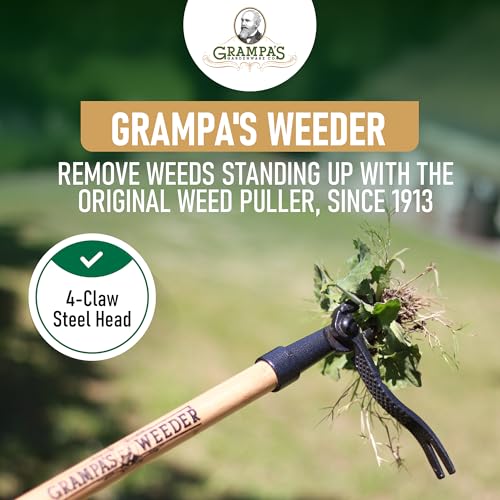
Loosen with a fork and pull the whole root. Follow up with a hoe pass to catch small regrowth.
Conclusion
Great beds come from simple, steady work. Choose soil preparation tools for garden beds that match your soil, then follow a clear, repeatable flow. Test, loosen, feed, level, and protect. Your plants will show the result in strong roots and steady yields.
Start with one upgrade this week. Sharpen your hoe. Add a broadfork session. Lay down a 1‑inch layer of compost. Small steps compound fast. If you found this helpful, subscribe for more guides or leave a comment with your soil type and tool wins.