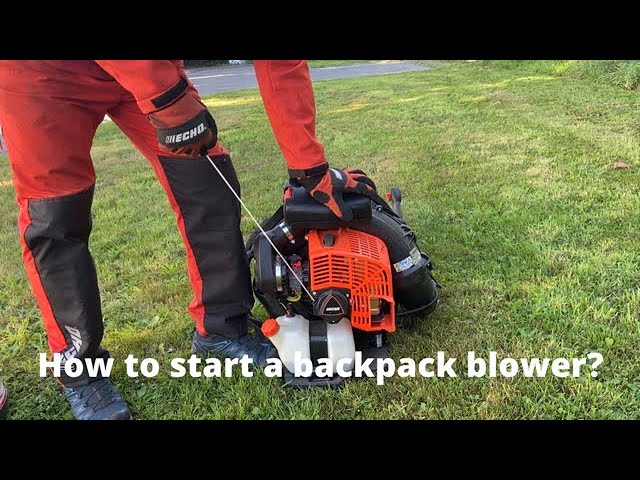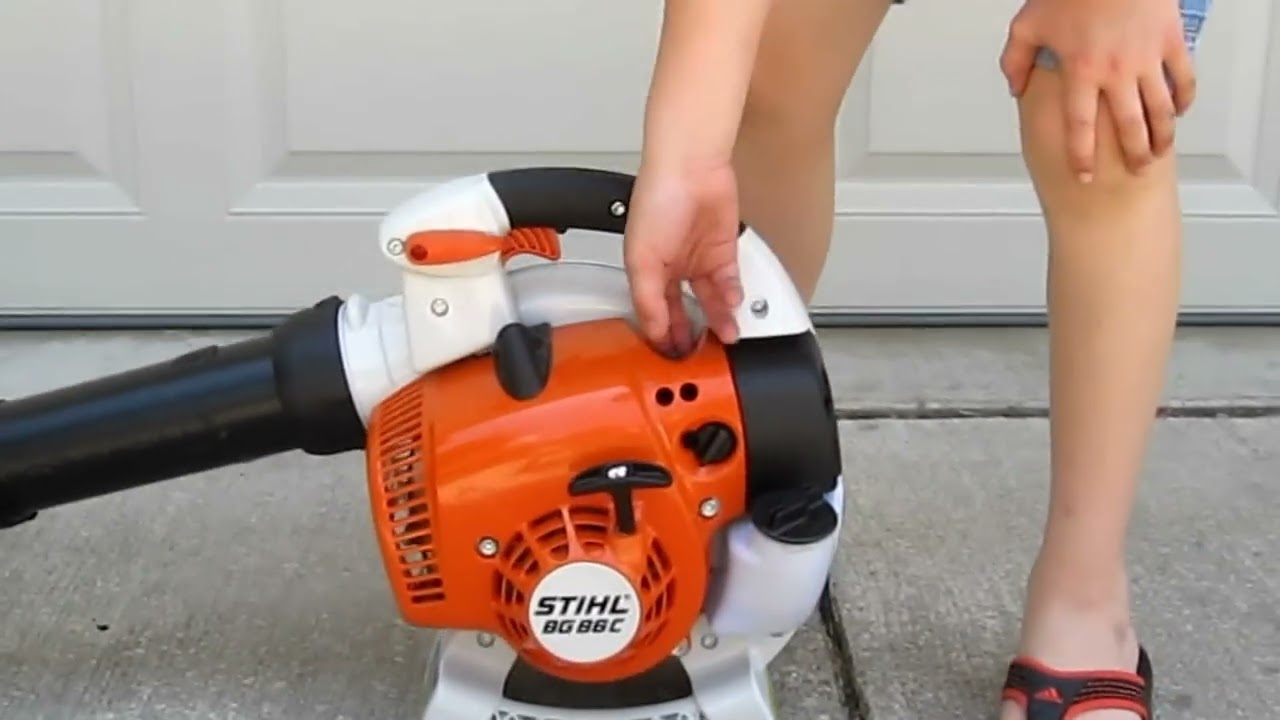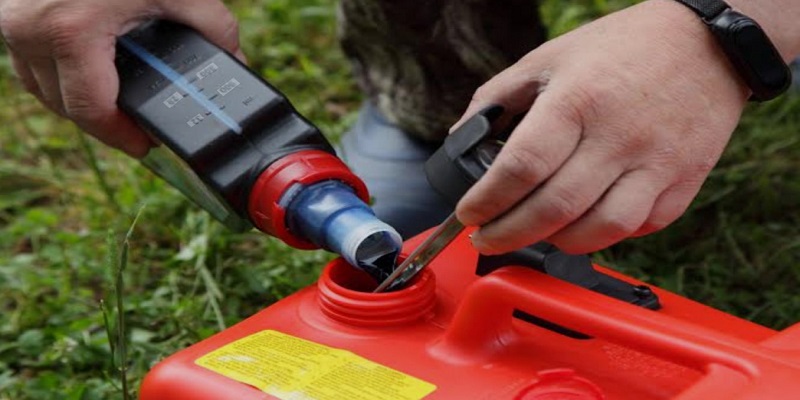
Mix fresh unleaded gas with 2-stroke oil at the exact ratio your blower needs.
If you want your blower to start easy, run strong, and last for years, you need to know how to mix gas and oil for a leaf blower the right way. I’ve mixed hundreds of batches for my own tools and customer equipment. In this guide, I’ll show you simple steps, smart ratios, and pro tips that make it foolproof.

Why the right mix matters
Two-stroke engines do not have a separate oil system. The oil in the fuel lubricates the crank, piston, and bearings. Too little oil can score the cylinder and seize the engine. Too much oil can foul the spark plug, smoke a lot, and reduce power.
Getting the ratio right protects your machine and your wallet. It also keeps starts smooth and throttle response crisp. This is the heart of how to mix gas and oil for a leaf blower.

Find your exact mix ratio
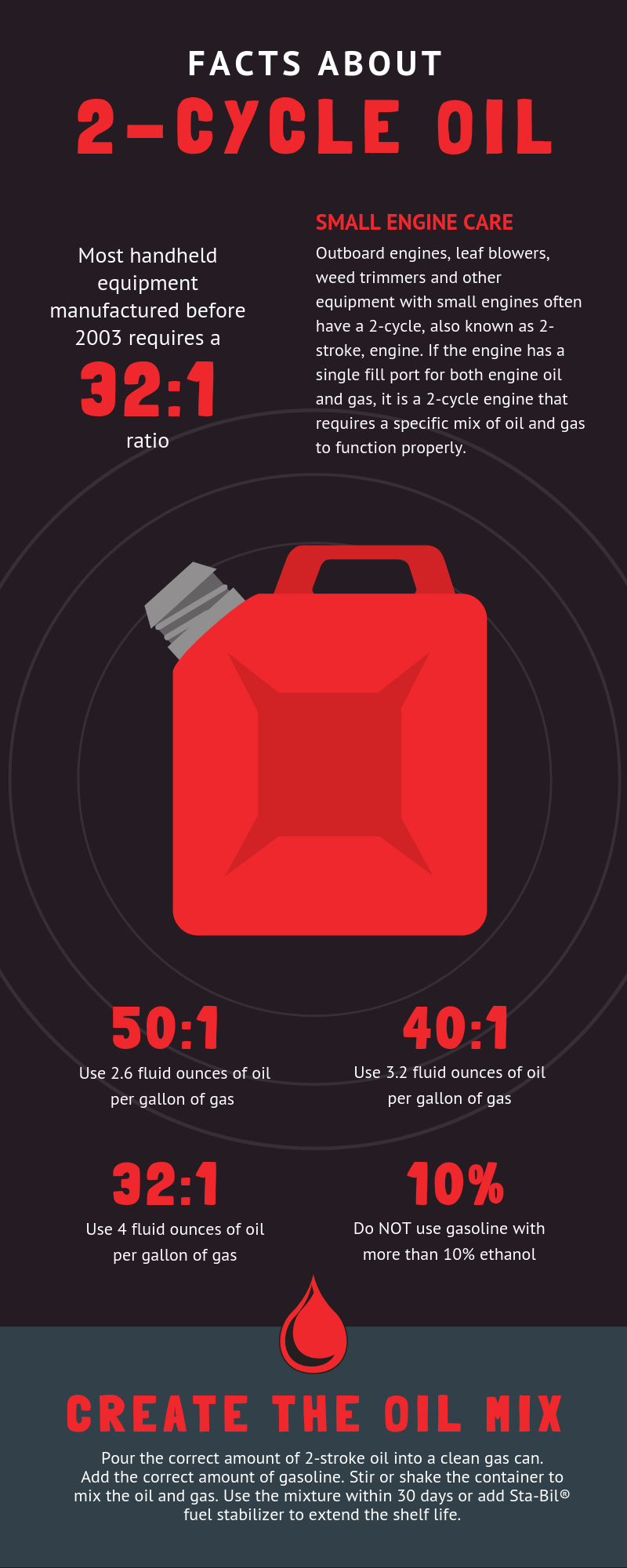
Start with your owner’s manual, fuel cap, or a sticker on the housing. Most modern handheld blowers use 50:1. Some use 40:1. Older or pro saw-style engines may call for 32:1.
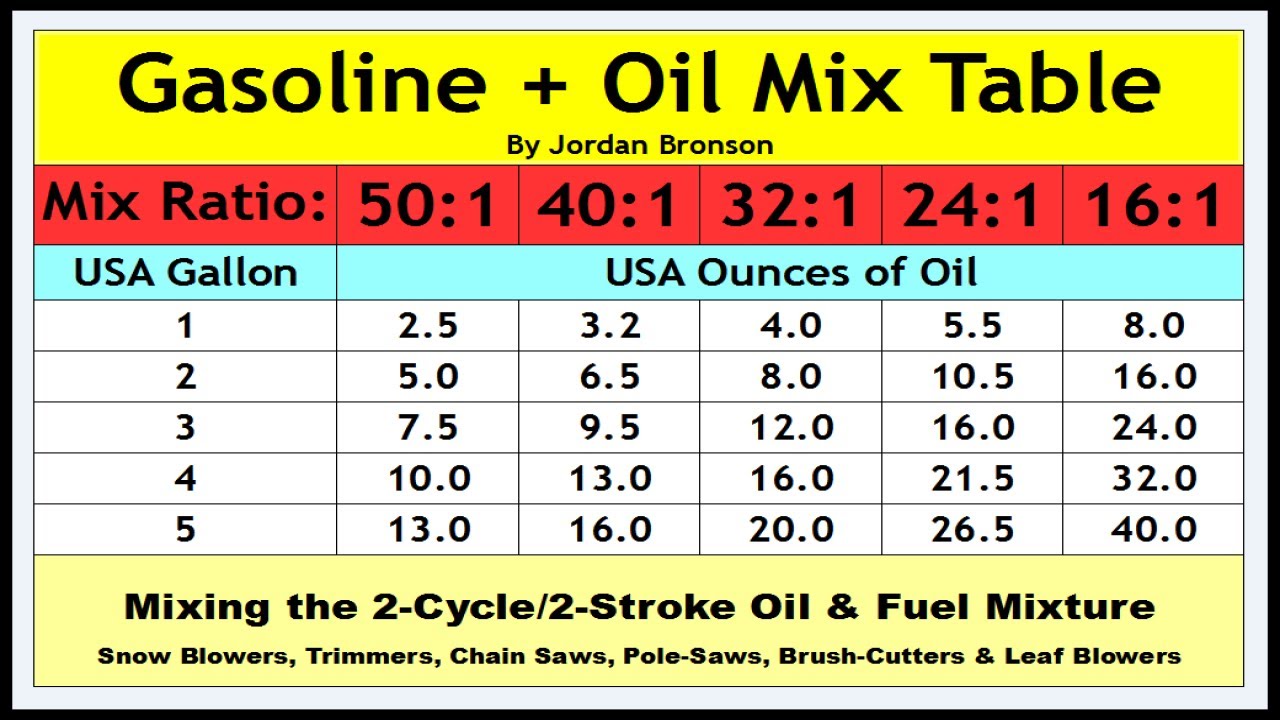
Use these quick measures with 1 US gallon of gas:
- 50:1 ratio: 2.6 ounces of 2-stroke oil
- 40:1 ratio: 3.2 ounces of 2-stroke oil
- 32:1 ratio: 4.0 ounces of 2-stroke oil
Smaller batches keep fuel fresh:
- Half-gallon at 50:1: 1.3 ounces oil
- One quart at 50:1: 0.64 ounces oil
- One liter at 50:1: about 20 milliliters oil
When in doubt, follow the manufacturer. That’s the safest path for how to mix gas and oil for a leaf blower.
What you need to mix fuel
Gather your gear first. It keeps things clean and safe.
- Approved gasoline can with a tight cap
- Fresh unleaded gas, 89 octane or higher
- 2-stroke oil rated JASO FD or ISO-L-EGD
- Measuring bottle or marked oil tube
- Small funnel and shop towel
- Fuel stabilizer if fuel will sit more than 30 days
- Marker and label for the can
These tools make how to mix gas and oil for a leaf blower simple and repeatable.

Step-by-step: how to mix gas and oil for a leaf blower
Follow these steps each time. Consistency matters.
- Check your ratio. Confirm 50:1, 40:1, or 32:1 in the manual or on the cap.
- Add fresh gas to the can. Fill it about 80% full to leave room for mixing.
- Measure the oil. Use the exact ounces or milliliters for your ratio.
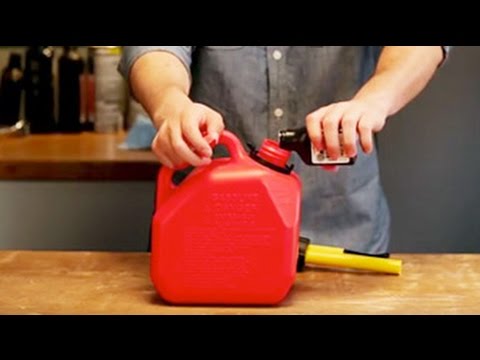
- Pour the oil into the gas can. A funnel helps prevent spills.
- Cap and mix. Gently swirl or rock the can for 10 to 15 seconds.
- Top off with gas if needed. Cap again and swirl to blend.
- Label the can. Write the ratio and the date in large print.
- Fill the blower’s tank. Never mix inside the tool’s tank.
- Prime, choke, and start. Let it warm up for a minute.
This workflow is my go-to when teaching new techs how to mix gas and oil for a leaf blower. It avoids guesswork and keeps engines happy.

Common mistakes and how to avoid them
I see the same issues again and again. Here is how to dodge them.
- Guessing the ratio. Always check and measure the oil.
- Mixing in the blower tank. Pre-mix in a can for a uniform blend.
- Using old gas. Anything older than 30 days can cause hard starts.
- Using automotive motor oil. Only use 2-stroke oil made for air-cooled engines.
- Skipping the label. Unmarked cans lead to costly errors.
- Over-oiling “just to be safe.” It can foul plugs and gum up the exhaust.
Avoiding these slips is key to how to mix gas and oil for a leaf blower the right way.
Storage, shelf life, and labeling
Small batches are best. Mix what you’ll use in 30 days. With stabilizer, you can stretch to 60 to 90 days. After that, varnish and phase separation raise the risk of clogs.
Store fuel in a cool, dry place, away from sun and heat. Keep the cap tight to limit moisture. Label each can with the ratio and date. I also add the tool name, like “Blower 50:1,” to remove doubt. Good tracking supports how to mix gas and oil for a leaf blower with confidence.
Fuel quality: ethanol, octane, and premix options
Use 89 octane or higher to reduce knock. Ethanol-free fuel is ideal. If you use E10, keep it fresh and always use a stabilizer. Ethanol pulls in water and can separate, which causes stalling and corrosion.
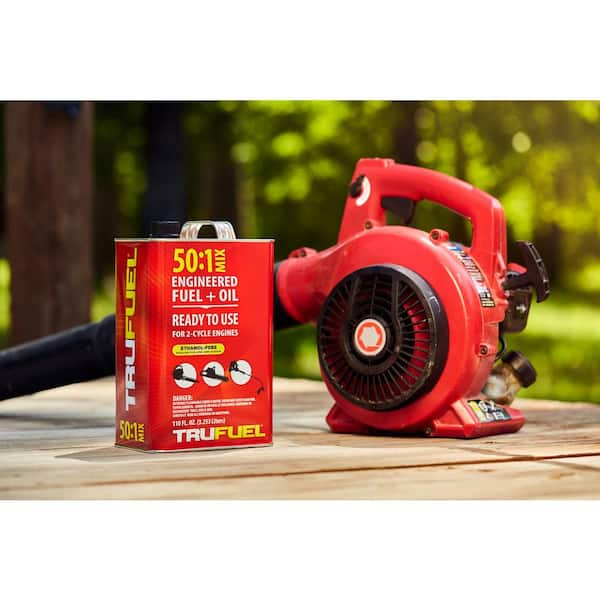
Full-synthetic 2-stroke oils burn cleaner and leave fewer deposits. Canned premixed fuel is a great option too. It costs more but stores longer, smells cleaner, and runs very smooth. For seasonal users learning how to mix gas and oil for a leaf blower, premix can be worth it.
Safety and environmental tips
Work in fresh air. Keep away from flames or sparks. Wear gloves and eye protection. Wipe up drips and keep fuel off hot surfaces.
Use a tray or cardboard under the can when mixing. If you spill, use absorbent material and dispose of it per local rules. Never pour gas down a drain or on the ground. Safe habits are part of how to mix gas and oil for a leaf blower the right way.
Troubleshooting poor performance after a bad mix
If the ratio was off, don’t panic. Drain the tank and refill with the correct mix. Run it for a few minutes.
Still rough? Check or replace the spark plug. Clean or replace the air filter. If power is weak or there is heavy smoke, inspect the exhaust screen. In stubborn cases, a carb clean or fresh diaphragm kit may help. These steps often rescue engines after a mix mistake and reinforce how to mix gas and oil for a leaf blower next time.
Frequently Asked Questions of how to mix gas and oil for a leaf blower
What ratio do most leaf blowers use?
Most newer handheld blowers use 50:1. Always confirm in your manual or on the fuel cap to be sure.
Can I use regular car motor oil to mix with gas?
No. Use only 2-stroke oil for air-cooled engines. Car oil is for 4-stroke engines and can damage your blower.
How long does mixed fuel last?
About 30 days without stabilizer. With stabilizer, you can often get 60 to 90 days if stored well.
Is ethanol-free gas better for small engines?
Yes. Ethanol-free gas stores better and reduces moisture issues. If you use E10, keep it fresh and use a stabilizer.
What happens if I use too much oil in the mix?
You may see heavy smoke, plug fouling, and lower power. Drain and refill with the correct ratio to fix it.
Can I mix directly in the leaf blower’s tank?
No. Always mix in a can. You need proper blending and a known ratio before filling the tank.
Do I need high-octane fuel?
Use at least 89 octane. Higher octane can help reduce knock in hot conditions or under heavy load.
Conclusion
Getting the mix right is simple, repeatable, and vital for engine life. Confirm your ratio, measure your oil, mix in a clean can, and label the batch. That is the safe, reliable way to handle how to mix gas and oil for a leaf blower.
Try the steps today and feel the difference in easy starts and stronger throttle. If this helped, share it with a friend, subscribe for more practical yard care guides, or leave a question so I can help you dial in your setup.