Manual Weeding Tools Vs Chemical Weed Control: 2026 Guide
Stepping outside to find a lawn dotted with dandelions forces a quick decision: reach for a puller or reach for a sprayer. It seems simple, but that choice affects your time, your budget, your soil, and everything else that shares the yard.
This guide compares manual weeding tools and chemical weed control honestly in 2026. You will see where each method genuinely wins, where it fails, which tools are worth buying, and how to combine both into a system that keeps weeds down without turning your yard into a chemical site. You can also read our guide on how to choose the right garden hose length.
Why the Manual-vs-Chemical Decision Matters in 2026
The old approach was simple: spray broadleaf weeds across the whole lawn and move on. That mindset is shifting. More municipalities now restrict blanket herbicide applications near waterways and pollinator habitat, and many soil health problems are traced back to repeated chemical use.
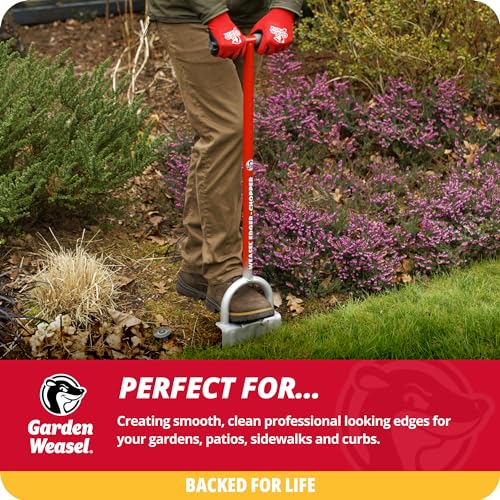
At the same time, manual tools have improved. Stand-up weed pullers now remove taproots without kneeling or bending. Long-handled hoes can clear large beds fast. For a home gardener, chemical control is no longer the automatic default—it is one option among several. You can also read our guide on how to drain a garden hose for winter.
The goal is not to declare a single winner. It is to match the method to the weed, the location, and your own physical limits.
How Manual Weeding and Chemical Control Actually Work
Manual weeding uses physical force to remove or sever the plant. Chemical control uses herbicidal compounds to interrupt growth inside the plant. Both are effective when used in the right context. You can also read our guide on how to care for lawn during dry season.
Manual Weeding Tools: What They Do Well
Manual tools shine when the plant has a clear crown and a taproot. Dandelions, thistles, and dock pull cleanly when the soil is moist and the tool grips the crown. Hand pulling also works well in flower beds, vegetable patches, and tight spots where spray drift would damage wanted plants.
Manual removal is also the safest option where children, pets, and edible crops are present. No residues, no re-entry intervals, no risk to pollinators. If the weed is easy to reach and the soil is workable, pulling is hard to beat. You can also read our guide on how to improve lawn soil health.
Where Manual Removal Struggles
Large infestations are the weak point. An acre of creeping Charlie or bindweed will take far more time than a single spraying pass. Hard, dry, compacted soil defeats most pullers because roots break before they release. And creeping perennials like bindweed regrow from any root fragment left behind, which makes manual removal a long-term persistence game.
Chemical Weed Control: What It Does Well
Chemical herbicides are fast and scale easily. A single application can cover hundreds of square feet in minutes. Systemic products like glyphosate move through the plant into the roots, which makes them useful for deep-rooted and creeping perennial weeds that resist pulling.
Selective lawn herbicides are also valuable. They target broadleaf weeds without killing grass, which makes them practical for large, weed-filled lawns where manual removal is not realistic.
Where Chemical Control Falls Short
Herbicides can harm the plants you want to keep if misapplied. Non-selective products kill everything they touch. Chemical drift on a breezy day can damage vegetables, ornamentals, or a neighbor’s garden.
There is also a sustainability problem. Repeated use of the same herbicide selects for resistant weed populations. You may get worse results over time while spending more on stronger products.
The Best Manual Weeding Tools for 2026
These tools represent the practical side of manual weed control. Each one fills a different role, and most home growers need two or three rather than one perfect tool.
Grampa's Weeder Stand-Up Weed Puller

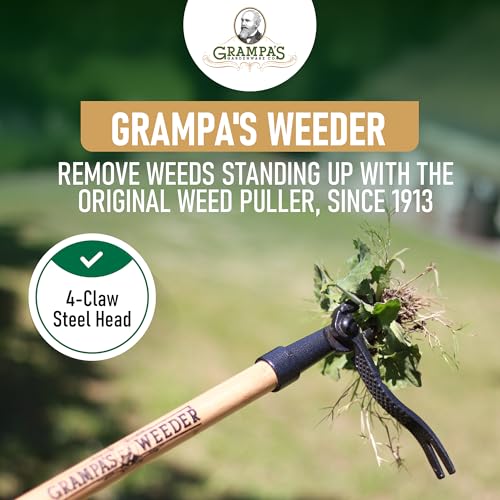
The four-claw head grips the crown so the taproot pulls free in one motion.
This classic stand-up weeder earns its reputation. The long bamboo handle and four steel claws work together simply: place the claws around the weed crown, step down to sink them, and lever backward. In moist soil, the whole taproot comes out intact more often than with any other puller in this class.
The upright posture means no bending and no kneeling. Even after clearing dozens of dandelions, your back stays comfortable. The bamboo handle flexes slightly, which reduces jarring on your hands.
In practice, timing matters. Dry, packed ground defeats the claws. Water an hour beforehand or wait until after rain, and the difference is dramatic. If you are comparing manual weeding tools vs chemical weed control for a typical suburban lawn, this is the first tool to buy.
Pros: upright posture, dependable four-claw grip, no learning curve, no chemicals near beds or play areas, durable steel head.
Cons: struggles in hard, dry, or rocky soil; wet clay sticks to the claws between pulls; woody weeds may need pre-loosening.
If you want to stop bending over every dandelion, check today’s price on Amazon: Grampa's Weeder Stand-Up Weed Puller.
Fiskars Ergo Weeder Hand Tool

The forked tip slides under the crown and pries roots free with a twist.
This hand tool delivers surgical precision in tight spaces. The forked stainless steel tip slips under the crown, and a simple twist pries the root out of the soil. The ergonomic handle reduces wrist strain, which matters when you are working along a long bed edge or between pavers.
It is especially useful in narrow raised beds, around seedlings, and in containers where a stand-up puller is too bulky. This tool also teaches good habits: if you remove small weeds early, you never need a sprayer for them.
A common mistake is using a hand weeder like a screwdriver. Instead, insert it at an angle, hook the root, and twist. That motion releases the root without snapping it.
Pros: pinpoint accuracy, comfortable grip, lightweight, affordable, dependable.
Cons: requires bending or kneeling, too slow for large areas, mature taproots may need a deeper tool.
Check today’s price on Amazon: Fiskars Ergo Weeder Hand Tool.
NICOFPHY 60-Inch Weed Puller and Hoe

The two-in-one design flips between hoeing young weeds and pulling mature plants.
This 60-inch tool combines a hoe blade and a puller head in one unit. The hoe side slices just below the soil surface, cutting young weeds off before they build deep roots. Flip the tool and the puller side handles individual weeds that need extraction.
The long handle keeps your spine straight during extended sessions. For vegetable rows, gravel paths, and open beds full of tiny seedlings, this tool clears ground quickly. It narrows the gap between manual work and chemical speed.
Use the hoe side on dry, sunny days so severed weed tops dry out instead of re-rooting. Reserve the puller side for weeds with a visible crown.
Pros: two tools in one, upright posture, fast coverage, sturdy, good for weekly maintenance.
Cons: heavier than hand tools, not precise near delicate seedlings, sections may need occasional tightening.
Check today’s price on Amazon: NICOFPHY 60-Inch Weed Puller and Hoe.
Walensee Stand-Up Weed Puller with 3 Claws

The foot pedal drives the claws into the soil around the weed’s crown.
The Walensee uses a three-claw head with a foot pedal for extra driving power. Step, twist, and pull. The motion becomes natural within minutes. An ejector mechanism lets you drop weeds into a bucket without bending or touching the plants.
This tool performs best in loamy or sandy soil where the claws penetrate easily. In dense clay, it needs help. Moisturize the soil first or wait for rain.
The ejector is the standout feature. If you weed frequently, skipping the constant bending to pick up pulled plants saves real time.
Pros: foot pedal adds leverage, secure crown grip, ejector keeps hands clean, comfortable upright posture, excellent for dandelion-prone lawns.
Cons: weak in heavy or dry clay, large woody stems may require pre-loosening, moving parts can wear over time.
Check today’s price on Amazon: Walensee Stand-Up Weed Puller with 3 Claws.
SIXCAR Portable Weed Remover Tool

The narrow tip reaches into cracks and tight corners where larger tools cannot fit.
This compact weeder is built for weeds that appear in the places nothing else reaches. The narrow tip works in cracks between pavers, along foundation edges, and inside container plantings. The rubber handle stays comfortable even with gloves on.
It also helps tease out roots tangled in mulch around shrubs. Keep it near the door and do five minutes of spot removal each day. That small habit prevents more weed buildup than a full weekend of spraying.
Pros: compact, comfortable grip, excellent for cracks and raised beds, low cost, protects nearby plants.
Cons: requires kneeling, not for large lawns, deep taproots may break without pre-soaking.
Check today’s price on Amazon: SIXCAR Portable Weed Remover Tool.
When Chemicals Are the Right Call
Manual tools are not always the best answer. Knowing when chemicals genuinely make sense is part of responsible weed control.
The Strongest Case for Herbicides
Chemicals make sense in three situations:
- Large, neglected areas. A field of thistles or a lawn overtaken by creeping Charlie is not practical to pull.
- Creeping perennials. Bindweed, quackgrass, and ground ivy regrow from small root fragments. Repeated manual pulling can exhaust you before it exhausts the weed.
- Physical access issues. If bending or kneeling is painful, a selective sprayer may be the only way to treat a large lawn yourself.
For broadleaf weeds in turf, use a selective post-emergent herbicide that targets the weed without harming grass. For patches of invasive perennials, spot-treatment with a systemic herbicide is more targeted than blanketing the whole yard.
When to Keep Chemicals Away
Do not use non-selective herbicides near wanted plants, edible crops, or open water. Avoid spraying on windy days. Check re-entry intervals before letting children or pets onto the lawn.
Also, do not reach for chemicals when the same weed could be pulled in seconds. Scattered dandelions on a small lawn are faster to pull than they are to spray, mix, and clean up.
The Missing Piece: Soil Health and Weed Prevention
Most weed problems are symptoms of thin turf, compacted soil, or poor growing conditions. A healthy lawn crowds out weeds on its own.
Build a Dense Lawn
Mow high. Taller grass shades the soil and keeps weed seeds from germinating. In practice, a mowing height of three inches or more makes a visible difference by midsummer. Water deeply and infrequently to encourage deep turf roots. If your watering setup makes that awkward, a quality spray wand helps deliver water evenly.
Stop Weeds Before They Start
Mulch is a natural pre-emergent barrier. A layer of shredded leaf mulch in garden beds suppresses annual weeds while feeding the soil. In the lawn, overseed thin areas in fall so bare patches do not become weed nurseries.
Fix the Soil, Not Just the Weeds
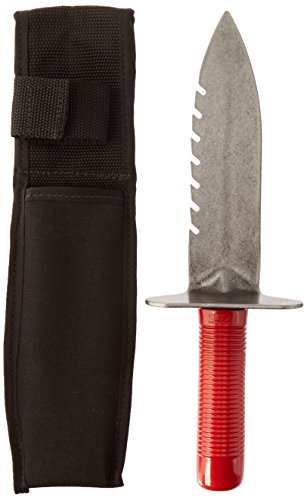
Compacted soil makes manual weeding harder and weakens turf roots. If your ground is hard enough to defeat a weed puller, start by loosening hard ground before expecting any tool to work well. A dedicated digging tool may be needed to break up dense clay layers before you can manage weeds effectively.
Manual vs Chemical: A Decision Framework for Your Yard
There is no single right answer. This table helps you decide based on your exact situation.
| Situation | Better Choice | Why |
|---|---|---|
| Scattered taproot weeds | Manual | A stand-up puller is fast and removes the root |
| Large weed-covered lawn | Chemical | Coverage speed matters at scale |
| Flower beds and vegetable gardens | Manual | No drift, no residue near edibles |
| Creeping perennials | Chemical | Systemic products reach roots you cannot pull |
| Tight spaces, cracks, pavers | Manual | A narrow hand tool removes weeds cleanly |
| Very hard, dry soil | Chemical or soil-first | Pulling breaks roots; fix compaction first |
| Play areas and pet zones | Manual | No pesticide exposure risk |
| Pollinator-friendly gardens | Manual | No chemical drift to beneficial insects |
Cost and Time: What Each Approach Really Costs
The financial picture changes depending on whether you buy once or buy repeatedly.
Manual Tools
A stand-up puller and a hand weeder cover most home needs. Expect to spend roughly $30 to $60 on tools that last years if maintained. Your second-year cost is near zero.
Time commitment: about 15 to 30 minutes per week for a typical suburban lawn. Work is steadier but lighter.
Chemical Control
A concentrated herbicide costs less per bottle, but applications repeat. A single growing season may require two or three treatments. Add sprayer costs, protective gear, and storage.
Time commitment: several hours per application, including mixing, spraying, cleanup, and waiting to let children or pets back on the lawn.
The Hybrid Approach
Most lawns benefit from a mix. Pull taproot weeds, hoe seedlings, and reserve chemicals for invasive patches or severe infestations. Each manual pass reduces the seed bank, which means fewer weeds next season. Over time, your need for chemicals drops.
A Seasonal Weed-Control Plan That Combines Both
Weeds follow predictable cycles. A year-round plan uses manual and chemical tools at the right moments.
Spring
Start with a cleanup pass. Pull overwintered dandelions before they flower. Hoe winter annuals like chickweed on dry afternoons when the soil surface is firm. If you plan to use a pre-emergent product, apply it when soil temperatures are right and keep treated beds undisturbed.
Summer
Mow high and keep the lawn thick. Spot-pull after rain when roots slip out cleanly. If you must use a post-emergent herbicide, apply it on a calm, dry day and follow the label exactly. Water deeply enough to favor turf roots, not shallow weed roots.
Fall
Pull late bloomers before they set seed. Overseed bare areas to close gaps. Make a final hoe pass to break up small rosettes before winter. Clean and store your tools so steel parts do not rust through the off-season.
Winter
Plan for next year. Note which weeds caused problems. Learn their life cycles. Annual weeds die with frost, but biennials and perennials survive. Set reminders for spring soil temperatures and first cleanup passes.
Safety, Environmental, and Regulatory Considerations
If you choose chemical control, treat every product with respect.
Read and Follow Labels
The label is not paperwork; it is legal, safety, and application guidance all in one. Always read the full label before mixing. Follow protective gear recommendations and observe re-entry intervals strictly.
For current guidance on pesticide use, the EPA’s pesticide program is a reliable reference. University extension services also treat weed control as part of integrated pest management, not a spray-only solution.
Protect the Spaces Around the Lawn
Avoid spraying near edible beds, open water, and pollinator habitat. Maintain buffer zones. If runoff from treated lawns reaches a pond or storm drain, the damage extends beyond your yard.
Manual removal avoids all residue concerns. It also protects soil life. Earthworms, mycorrhizal fungi, and beneficial bacteria all contribute to turf health. Repeatedly sterilizing the soil with broad-spectrum products works against that.
Frequently Asked Questions
Do manual weeding tools work as fast as chemicals?
For scattered weeds, often faster. A stand-up puller clears dozens of dandelions in minutes. For large infestations, chemicals win on speed. Most homeowners benefit from both.
Will weeds come back after pulling?
They can if roots break. Choose tools that grip the crown, pull after rain or watering, and follow up within two weeks. Over time, consistent removal depletes the seed bank and reduces the weed population.
Are chemical herbicides safe for pets and children?
Safety depends on the product and the label. Re-entry times vary. Many pet owners prefer manual tools in play areas to eliminate risk entirely.
What is better for the environment?
Manual removal causes zero drift, runoff, or residue. However, for serious invasive infestations, targeted chemical use may prevent worse ecological damage. A thoughtful approach considers both.
How important is soil health in weed prevention?
Critical. Dense, healthy turf crowds out weeds naturally. Keep a proper mowing height, water deeply and infrequently, and address soil compaction before it becomes a weed problem.
Which manual tool should I buy first?
Start with a stand-up puller for taproot weeds and a hand weeder for precision work. Add a hoe if you maintain large beds or paths.
Final Verdict: Build a Balanced System
The manual weeding tools vs chemical weed control debate does not need a permanent winner. Each side has a place. Manual tools give you control, safety, and long-term reduction of the weed seed bank. Chemicals provide speed and the ability to handle creeping, invasive weeds that resist pulling.
Start with a stand-up puller and a hand weeder. Add a hoe for large beds and paths. Use selective chemicals only when a patch explodes or physical limits make manual removal impossible. Reassess every season, keep your soil healthy, and let your own results guide next year’s plan.