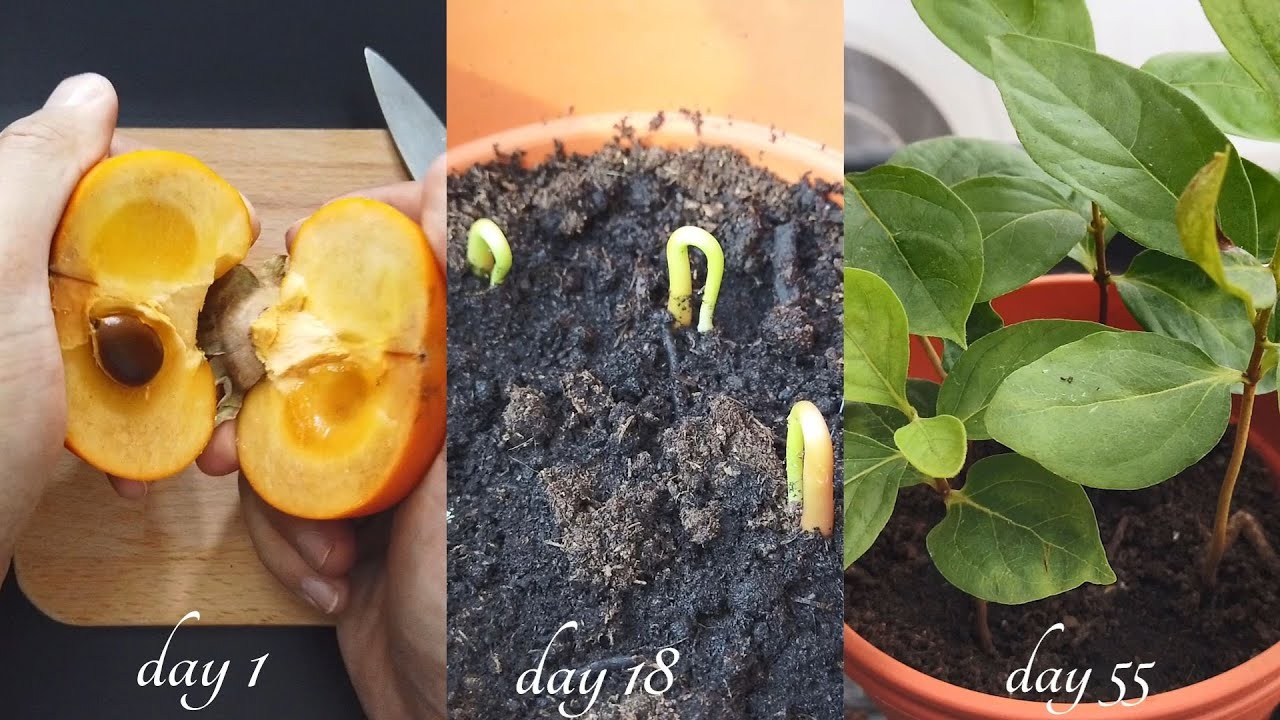
Rinse fresh seeds, cold stratify 8–12 weeks, then sprout warm in moist medium.
If you want a clear, proven path for how to germinating persimmon seeds, you are in the right place. I have started hundreds of seeds for rootstocks and home orchards. In this guide, I share what works, what fails, and why. You will get step-by-step instructions, timing tips, and practical checks that raise your success rate fast.
 germination”
style=”max-width: 100%; height: auto; border: 2px solid black; border-radius: 10px; display: block; margin: 0 auto;”
loading=”lazy”
/>
Understanding persimmon seeds and what affects germination
Persimmons come from two main types. American persimmon (Diospyros virginiana) and Asian persimmon (Diospyros kaki). Both can sprout from seed with the same core steps.
Seed set depends on pollination. Some fruits are seedless. Pick ripe fruit that has seeds you can feel and see. Fresh, fully ripe fruit gives the best seed.
Dormancy is the key hurdle. Cold time is needed to wake the embryo. That is why guides on how to germinating persimmon seeds focus on cold stratification. The seed coat is hard, so warm sprouting alone often fails.
- American persimmon is cold hardy and easy to use for rootstock.
- Asian persimmon can be slower to sprout and may need longer cold time.
- Seedlings will not match the parent fruit. Grafting later gives known fruit.

Selecting and testing viable seeds
Start with clean, mature seeds from soft, ripe fruit in fall. Avoid green or damaged seeds. Your starting material sets the ceiling for success.
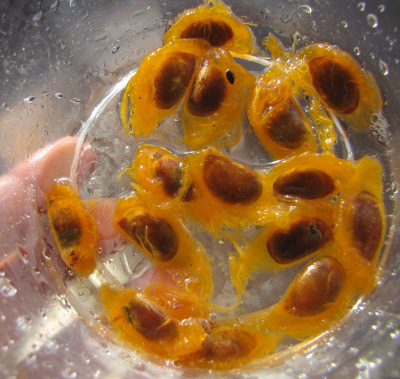
Do a float test. Place seeds in water for 15 minutes. Remove floaters and keep sinkers. It is simple and fast.
For anyone asking how to germinating persimmon seeds with the highest success, pick more seeds than you need. Some will fail even in ideal steps.
- Choose seeds from healthy trees.
- Use seeds harvested in season.
- Store short term in the fridge, not at room heat.

Cleaning and prepping seeds
Pulp left on seeds invites mold. Clean them well. A clean start prevents many issues later.
- Rinse seeds under cool water. Rub off all fruit residue.
- Soak in clean water for 12–24 hours to rehydrate.
- Optional: Soak 10 minutes in a mild 3% hydrogen peroxide solution. Rinse again.
- Air dry on a paper towel for one hour. Do not let them dry hard.
This prep saves weeks of problems. It also boosts any how to germinating persimmon seeds plan you follow.

Cold stratification: why it works and how to do it right
Cold stratification mimics winter. It breaks dormancy. Without it, most seeds do not sprout.
Aim for 8–12 weeks at 34–41°F. The fridge crisper drawer is ideal. I see best results at 10 weeks in my zone 7 setup.
- Mix a medium that holds moisture but drains. Use moist peat, coco coir, or vermiculite.
- Squeeze out extra water. The medium should feel like a wrung-out sponge.
- Place seeds in the medium inside a labeled zip bag or small box.
- Keep a small air gap. Open the bag once every two weeks for fresh air.
- Check for mold spots. If you see any, rinse seeds and refresh the medium.
When people ask how to germinating persimmon seeds with fewer losses, this careful cold stage is my top answer. Some seeds may show a tiny root in the fridge. That is fine. Plant them right away after.
Germination methods: paper towel, soil, or direct sowing
After cold stratification, give steady warmth. Target 70–80°F. Use a heat mat if your room runs cool.
Paper towel method
- Place seeds between damp paper towels. Not wet, just damp.
- Slip into a vented bag or box. Keep warm with bright, indirect light.
- Check every three days. Plant when you see a white root tip.
Soil method
- Fill deep pots with a sterile, well-drained mix. I like 60% seed mix and 40% perlite.
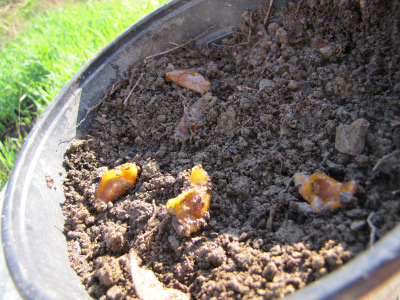
- Plant seeds 1 inch deep, pointed end sideways or down.
- Water to settle the mix. Keep it moist but not soggy.
Direct outdoor sowing
- In mild zones, sow in fall at 1–1.5 inches deep.
- Mulch lightly to buffer soil swings.
- Protect from rodents and frost heave.
If your focus is how to germinating persimmon seeds fast, paper towel shows action sooner. For fewer transplant shocks, the soil method is best. I use paper towel for checking viability, then pot up right at root emergence.

Potting up and early care
Use tall, narrow pots. Persimmons grow a strong taproot. Give it room from day one.
- Pot when the root is 0.5–1 inch long. Handle by the seed shell, not the root.
- Plant root down. Keep the top of the seed level with the soil surface.
- Provide bright light. A sunny window or 16 hours under LEDs works well.
- Water when the top inch is dry. Avoid standing water.
This stage is where many how to germinating persimmon seeds plans fail. Damping-off is common. Use clean pots and a sterile mix. Gentle airflow helps.

Moving outdoors and first-year care
Harden off seedlings over 10–14 days. Start with shade, then move to morning sun. Watch for leaf scorch.
Plant out after frost. Choose a site with full sun and well-drained soil. Neutral to slightly acidic soil is fine.
- Space trees 15–20 feet apart.
- Water deeply once a week in dry spells.
- Mulch 2–3 inches, but keep mulch off the trunk.
If your goal is how to germinating persimmon seeds for future grafting, let seedlings grow strong the first season. Graft in year two for quicker fruit.

Troubleshooting and common mistakes
Seeds mold in the fridge
- The medium was too wet. Reset with drier mix and add airflow.
- Clean seeds again. Refresh the bag.
No sprout after 12 weeks warm
- Cold time was short. Chill seeds again for 3–6 more weeks.
- Temperature was low. Raise to 75–80°F.
Seedlings collapse
- Damping-off. Use sterile mix. Water less. Improve airflow.
Slow growth
- Root bound. Use deeper pots early.
- Low light. Increase light hours.
Every how to germinating persimmon seeds journey has a few duds. Work with batches of 10–20 seeds to smooth out odds.
Frequently Asked Questions of how to germinating persimmon seeds
How long does it take to germinate persimmon seeds?
Most seeds sprout 2–6 weeks after cold stratification. Some take longer, so keep them warm and evenly moist.
Can I skip cold stratification?
You can try, but success drops a lot. Cold time triggers enzymes that end dormancy and guide root growth.
What temperature is best for sprouting?
Aim for 70–80°F. Below 65°F, germination slows and rot risk rises.
Will seedlings be true to the parent tree?
No, seedlings vary. For known fruit quality, graft a named variety onto your seedling later.
How many seeds should I start?
Start more than you need. For how to germinating persimmon seeds with high success, I start at least 8–10 to get a few strong trees.
Do I need to scarify persimmon seeds?
Light scarification can help, but it is not required. If you do it, rub gently with fine sandpaper and avoid the embryo.
Can I germinate seeds from store-bought fruit?
Yes, if the fruit has mature seeds. Many store fruits are seedless, so check before you plan a batch.
Conclusion
You now have a clear plan to turn ripe fruit seeds into healthy trees. Clean seeds, give them a proper cold rest, then provide steady warmth and light. Protect that taproot and keep your mix clean and airy.
Treat this season as your best test run for how to germinating persimmon seeds. Start a batch, take notes, and adjust your timing and temps. If you found this guide helpful, subscribe for more practical orchard tips, ask a question in the comments, or share your results so others can learn too.