Best Compost For Garden Beds: Expert Picks For 2026
The best compost for garden beds blends diverse organics and mature humus.
You want rich soil that drains well, holds water, and feeds plants. I’ve been in that same spot, staring at stunted tomatoes and hard, crusted soil. The fix is simple: feed your beds with quality compost. The right mix jump-starts roots, buffers pH, and keeps moisture locked in while preventing soggy messes. In this review, I break down the best compost for garden beds and in-bed composting options that actually work. I cover manure blends, plant-based composts, biochar-enriched mixes, and in-ground worm composters that turn kitchen scraps into gold—right where plants need it.
Michigan Peat Compost & Manure Blend, 40 lb

This Michigan Peat blend pairs compost with well-aged manure to boost soil fertility fast. I like it for new or tired beds that need a strong organic push. The texture is fine and consistent, so it spreads and mixes with ease. It is odor-controlled, which I appreciate when working close to patios or walkways.
Use it to topdress around heavy feeders, like tomatoes and squash, or to amend a fresh raised bed. Aged manure adds slow-release nitrogen and micronutrients. The compost side improves structure and water retention. For many gardeners, this is the best compost for garden beds when they want quick, visible gains.
Pros:
- Balanced blend of compost and aged manure
- Fine texture mixes well into existing soil
- Odor-controlled for pleasant application
- Great for kickstarting new or depleted beds
- Improves water holding without creating mud
Cons:
- Heavier bags; moving 40 lb may require a cart
- Manure-based mixes can be saltier; avoid overuse in pots
- Not OMRI-listed; organic purists may prefer certified options
My Recommendation
This is a strong, dependable pick for fast nutrient gains in home beds. It is ideal if your soil feels lifeless or crusts after watering. If you want the best compost for garden beds to energize growth in spring, this blend delivers value and consistency.
| Best for | Why |
|---|---|
| Reviving tired beds | Manure plus compost adds immediate organic nutrition. |
| New raised beds | Fine texture integrates evenly with base soil. |
| Heavy feeders | Supports tomatoes, squash, and corn through the season. |
Charlie’s Compost Organic Mix, 10 lb

Charlie’s Compost is a premium organic compost that stays clean and low-odor. It often includes biochar, which helps lock in nutrients and improve water use. The result is steady growth and fewer watering swings in heat. I find it ideal for raised beds and containers where control matters.
The particle size is consistent, so seedlings and roots thrive without clumps. It works as a topdress, side-dress, or amendment at 20–30% by volume. For gardeners who want the best compost for garden beds with a polished feel, this is a smart pick. It performs well in soil mixes and seed-starting blends.
Pros:
- Organic inputs with low odor
- Biochar improves nutrient retention
- Uniform texture suits beds and pots
- Good moisture balance for hot climates
- Versatile for topdressing or blending
Cons:
- Smaller bag size; best for targeted use
- Premium price compared to bulk compost
- Limited availability in some regions
My Recommendation
Choose this if you want a refined organic compost with biochar benefits. It fits gardeners who value consistency, especially in raised beds and planters. It’s one of the best compost for garden beds when you need reliable texture and clean inputs.
| Best for | Why |
|---|---|
| Raised beds | Uniform texture helps roots explore fast. |
| Containers | Biochar buffers nutrients and moisture. |
| Seed starting | Clean, fine particles support young roots. |
Dan’s Gold Organic Dairy Compost, OMRI

Dan’s Gold is an OMRI-listed dairy compost that is rich and well-aged. The curing process helps stabilize nutrients and reduce odor. I like how it improves tilth and water holding without clumping. It spreads smoothly, then blends with native soil or raised bed mixes.
Apply a 1–2 inch layer and mix into the top 6–8 inches, per extension guidance. It is gentle enough for veggies yet strong for perennials and shrubs. Many gardeners consider it the best compost for garden beds when organic certification matters. It pairs well with mulches and drip irrigation for consistent growth.
Pros:
- OMRI-listed for organic use
- Well-aged, low odor dairy compost
- Improves soil structure and tilth
- Good nutrient release over time
- Works across vegetables, herbs, and ornamentals
Cons:
- Heavier compost; may compact if overused in pots
- Availability can vary by season
- Shipping adds to cost for large beds
My Recommendation
Pick Dan’s Gold if you prefer certified organic compost with stable results. It is a great fit for food gardens and pollinator beds. It stands out as the best compost for garden beds when you want trusted, OMRI-listed inputs and reliable soil improvement.
| Best for | Why |
|---|---|
| Organic vegetables | OMRI listing supports certified practices. |
| Soil structure | Aged compost boosts tilth and aeration. |
| Perennial beds | Steady nutrient release aids long-term growth. |
2-Pack In-Ground Worm Composter Kit
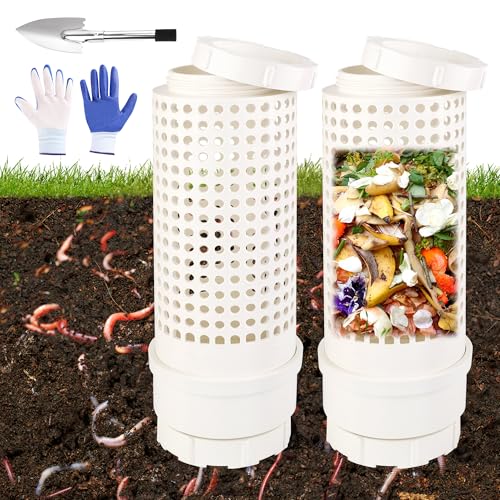
This in-ground vermicomposting kit turns kitchen scraps into worm castings right in the bed. The two units let you spread fertility zones across larger gardens. Aeration vents support healthy worm activity, which keeps smells down. The lid helps deter pests and keeps rain from flooding the bin.
The included shovel and gloves are handy for quick installs. Feed with chopped scraps and browns, like shredded leaves. Over time, roots reach for the castings around the bin, which is powerful for growth. If you want the best compost for garden beds made on-site, this is an easy entry point.
Pros:
- In-bed castings for immediate plant access
- Two bins cover more garden area
- Aeration design reduces odors
- Pest-resistant lid and simple maintenance
- Eco-friendly way to use kitchen scraps
Cons:
- Requires a healthy worm population
- Cold climates slow activity in winter
- Not a bulk compost replacement by itself
My Recommendation
Choose this kit if you want ongoing, in-place fertility with minimal fuss. It suits busy gardeners who love low-waste systems. It creates some of the best compost for garden beds because castings form where roots live, which boosts nutrient uptake and resilience.
| Best for | Why |
|---|---|
| On-site composting | Worms convert scraps into castings in-bed. |
| Raised beds | Compact bins fit neatly in corners or centers. |
| Low-maintenance care | Simple feeding and rare harvesting needed. |
Wakefield Biochar Blend with CarbonBoost, 4 qt

Wakefield’s Biochar Blend uses CarbonBoost to charge biochar with nutrients for immediate use. Biochar increases cation exchange capacity and water retention, based on extension-backed soil science. I add it to raised beds to reduce watering needs in heat. It blends with compost or soil to amplify benefits.
This is not a complete compost, but a compost partner. I suggest mixing 10–20% biochar with quality compost and bed soil. The combo helps keep fertilizer in the root zone, not washed away. For gardeners chasing the best compost for garden beds with long-term resilience, this blend is a smart upgrade.
Pros:
- Pre-charged biochar improves nutrient holding
- Helps soil hold moisture between waterings
- Supports microbial life and soil structure
- Great in raised beds and planters
- Pairs well with manure or plant-based composts
Cons:
- Small volume bag; use for targeted zones
- Not a standalone compost product
- Benefits are cumulative and build over time
My Recommendation
Add Wakefield’s blend if you struggle with drought stress or nutrient loss. It is best for gardeners who want efficient compost systems. When combined with a rich compost, it helps create the best compost for garden beds by locking nutrition in place.
| Best for | Why |
|---|---|
| Hot, dry climates | Biochar reduces watering frequency. |
| Fertility retention | Holds nutrients near roots longer. |
| Raised bed mixes | Pairs with compost to stabilize beds. |
TOP XIAN 2-Pack In-Ground Worm Composter

This two-pack vermicomposter suits beginners who want simple, in-bed composting. The size works well in 3×6 or 4×8 raised beds. The lids are easy to open, which makes feeding fast. Venting supports airflow for odor control and worm health.
Use with red wigglers and balance greens and browns. In time, worm castings enrich the soil around each unit. It reduces kitchen waste while feeding your garden. It helps you build some of the best compost for garden beds with little hassle.
Pros:
- Beginner-friendly design
- Two units cover multiple beds
- Simple lids and airflow vents
- Neat, low-profile look
- Great for family gardens and schools
Cons:
- Requires steady feeding habits
- Winter slowdown in cold regions
- Limited capacity for large households
My Recommendation
Get this if you’re new to vermicomposting and want an easy start. It suits small to mid-size raised beds and busy families. It supports the best compost for garden beds by creating fresh castings where roots can find them.
| Best for | Why |
|---|---|
| Beginners | Simple setup and feeding routine. |
| Small raised beds | Compact size fits neatly. |
| Waste reduction | Turns scraps into plant-ready castings. |
Old Potters Organic Plant-Based Compost, 25 lb

Old Potters focuses on plant-based inputs, which means low salts and smooth texture. I like it for seed beds, herbs, and greens that dislike hot mixes. It blends into potting soils well and supports strong root systems. It is an easy, clean choice for indoor and outdoor use.
Apply as a topdress or blend 20–30% into raised beds. Expect better moisture balance and nutrient cycling. It pairs nicely with biochar for extra water retention. If you aim for the best compost for garden beds with a gentle profile, this plant-based option shines.
Pros:
- Plant-based inputs reduce salt risks
- Fine, consistent texture
- Great for greens, herbs, and seedlings
- Works indoors and outdoors
- Blends well with potting mixes
Cons:
- Milder nutrient charge than manure composts
- May need added fertilizer for heavy feeders
- Bag size might not cover large beds
My Recommendation
Use Old Potters if you want a clean, plant-based amendment for delicate crops. It suits gardeners who prefer gentle, low-odor compost. It’s among the best compost for garden beds when you value seedling safety and consistent structure.
| Best for | Why |
|---|---|
| Herbs and greens | Low salts and smooth texture. |
| Seed starting | Gentle nutrient profile supports sprouts. |
| Indoor planters | Clean, low-odor inputs preferred inside. |
Vego Garden 7-Gal In-Ground Worm Composter

Vego’s 7-gallon unit is a larger in-ground composter built for raised beds. The BPA-free design is sturdy and blends with bed aesthetics. The capacity reduces how often you feed or harvest. Venting supports worms while minimizing odor.
This unit works well in Vego or similar modular beds. Fill with alternating greens and browns, and keep it moist but not soggy. Over the season, you will see stronger root growth near the bin. It’s a smart path to the best compost for garden beds without hauling heavy bags.
Pros:
- Large capacity for fewer maintenance trips
- Durable, BPA-free construction
- Clean look that suits modern beds
- Strong aeration for healthy worms
- Great for no-waste gardening
Cons:
- Takes up bed space in small gardens
- Initial cost is higher than DIY bins
- Winter performance dips in cold zones
My Recommendation
Choose the Vego if you want a large, long-term vermicomposting system. It suits gardeners with bigger beds or heavy scrap output. It helps create the best compost for garden beds by producing steady castings right in your soil profile.
| Best for | Why |
|---|---|
| Large raised beds | 7-gal capacity supports steady feeding. |
| Modern garden designs | Clean, integrated appearance. |
| Low-waste lifestyles | Turns kitchen scraps into castings. |
HCGADON 2-Pack In-Ground Compost Bins, 8L

HCGADON’s 8-liter bins come in a two-pack for flexible placement. The animal-proof lids and ventilation support odor-free use. I like them for small to mid-size beds where space is tight. The capacity is enough for steady feeding without crowding plants.
Install them in opposing corners or the center of a bed. Add worms for faster breakdown and richer castings. Over months, soil health improves around each unit. If you want the best compost for garden beds made quietly in place, this is a neat solution.
Pros:
- Two bins for wider coverage
- Animal-proof lids for peace of mind
- Ventilation keeps microbes and worms happy
- Compact footprint fits tight beds
- Easy to feed and maintain
Cons:
- Limited capacity per bin
- Not ideal for very large families’ scraps
- Performance slows in cold seasons
My Recommendation
Pick HCGADON if you need compact, secure in-bed composters. They suit small gardens and urban beds. They help build the best compost for garden beds by producing castings where plants can use them fast.
| Best for | Why |
|---|---|
| Urban gardens | Compact and discreet in tight spaces. |
| Pet-heavy yards | Animal-proof lids reduce worries. |
| Targeted fertility | Place near heavy-feeding crops. |
FAQs Of best compost for garden beds
What makes the best compost for garden beds?
Diversity, maturity, and balance. Use mixed organics, fully cured, with a fine texture. Aim for neutral pH and low salts.
How much compost should I add to raised beds?
Blend 20–30% by volume into the top 6–8 inches. Topdress 1–2 inches between plantings per season.
Is manure compost safe for vegetables?
Yes, when it’s well-aged and fully composted. Avoid fresh manure and use moderate amounts to prevent salt buildup.
Do I need biochar with compost?
No, but it helps. Biochar holds nutrients and water, which improves compost performance over time.
Are in-ground worm composters enough by themselves?
They enrich the root zone but don’t replace bulk compost. Use them with seasonal topdressing for best results.
Final Verdict: Which Should You Buy?
For ready-to-use, the best compost for garden beds comes from OMRI-listed Dan’s Gold for organic reliability, or Michigan Peat’s Compost & Manure for fast gains. For refined texture, Charlie’s Compost shines, and pairing any with Wakefield’s biochar boosts long-term soil health.
If you prefer on-site fertility, choose Vego for capacity or a 2-pack in-ground kit for flexibility. Each path gets you closer to the best compost for garden beds with less work and better harvests.