How To Start A Vegetable Garden For Beginners: 2026 Guide
Starting your first vegetable garden can feel overwhelming, but it doesn't have to be. Every successful gardener began with a single bed, a handful of seeds, and a willingness to learn by doing. This guide walks you through the entire process—from choosing a location to harvesting your first meal—with practical advice that works whether you have a sprawling backyard or a small balcony.
Why Grow Your Own Vegetables?
Growing your own food delivers fresh, chemical-free produce that tastes noticeably better than store-bought options. It also saves money on groceries, reduces your carbon footprint by cutting out transport and packaging, and provides a satisfying outdoor activity that gets you moving and learning. You can also read our guide on how to choose the right garden hose length.
For beginners, the key is starting small and building momentum. A modest garden that thrives is far more rewarding than an ambitious one that becomes a chore.
Choose Your Garden Style and Location
Sunlight is your garden's most important resource. Most vegetables need 6 to 8 hours of direct sunlight daily. Fruiting crops like tomatoes and peppers require the full 8 hours, while leafy greens can tolerate a bit of shade. Spend a day observing your yard or balcony to identify the sunniest spots before you commit. For more on this, see our guide on digging tools for raised garden beds guide.
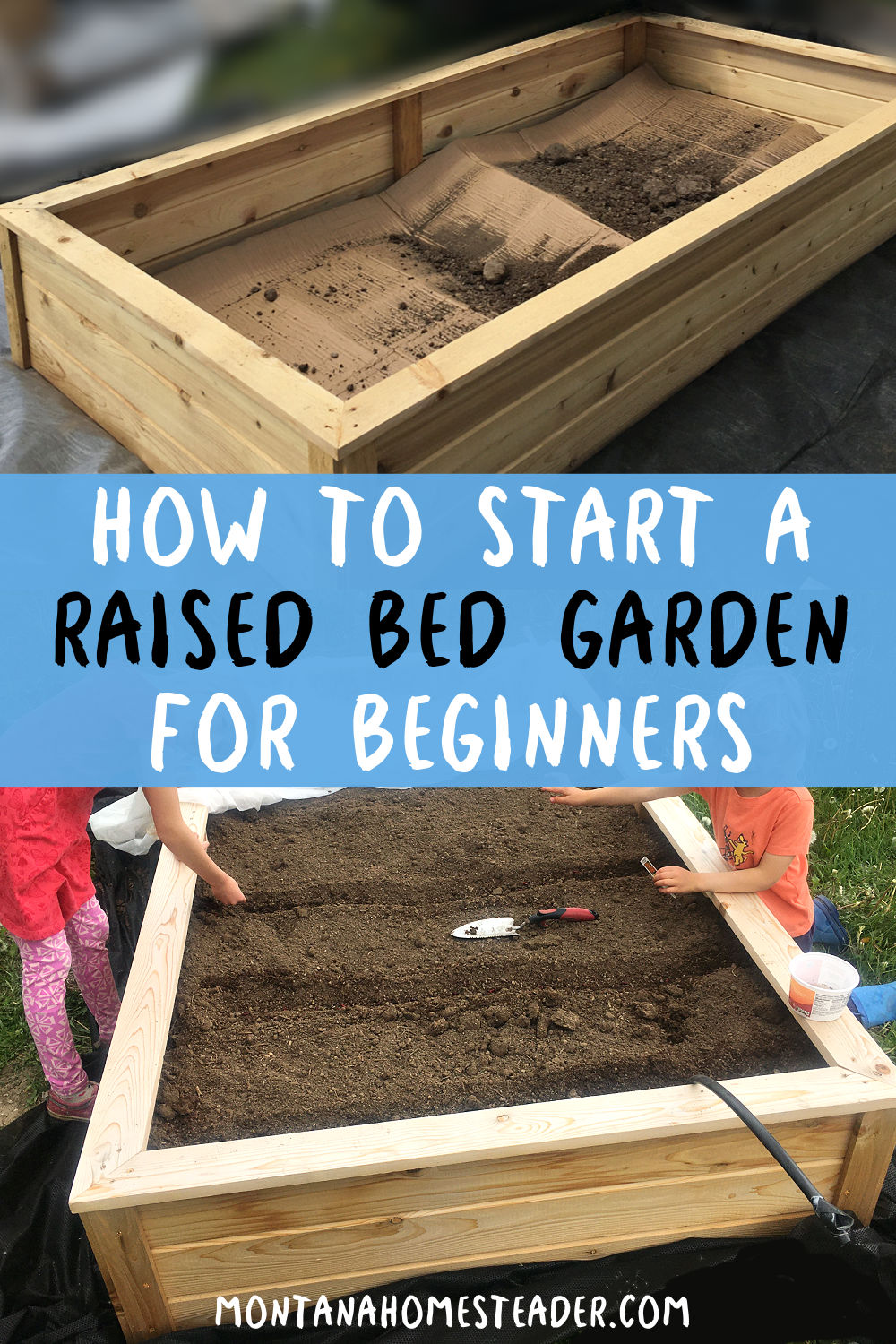
Start with a manageable footprint. A 4×8 foot raised bed or four to six large containers is perfect for a first season. This size gives you enough room to grow several crops without becoming overwhelming. You can always expand once you've built confidence and experience.
Raised Beds vs. In-Ground vs. Containers
| Garden Style | Best For | Key Considerations |
|---|---|---|
| Raised Beds | Beginners, poor native soil, mobility needs | Warmed soil in spring, excellent drainage, easier weed control |
| In-Ground Beds | Larger gardens, established soil, budget-minded | Requires soil testing and amendment; more weeding |
| Containers | Balconies, patios, renters | Use at least 5-gallon pots for most vegetables; need more frequent watering |
Choose a location with convenient access to water, stable footing, and protection from strong winds. Avoid areas with tree roots competing for nutrients or low spots that stay waterlogged after rain. If you're growing over a lawn, consider laying cardboard covered in compost—a technique that suppresses grass while enriching the soil below.
Plan What to Grow
Resist the urge to plant everything you love to eat. Your first season should focus on a short list of reliable, high-yield crops that are forgiving of mistakes:
- Salad greens (lettuce, arugula, spinach) — harvest in as little as 30 days
- Bush beans — productive, compact, and nearly foolproof
- Cherry tomatoes — sweeter and more forgiving than large varieties
- Zucchini — abundant; two plants feed a family
- Peppers — slow to start but low-maintenance once established
- Herbs (basil, parsley, chives) — easy wins that elevate any meal
Match your crops to your growing season. Cool-season vegetables like lettuce, peas, and kale prefer the mild temperatures of spring and fall. Warm-season crops—tomatoes, peppers, beans, and squash—need nighttime temperatures consistently above 50°F. Look up your local frost dates, then count backward to determine planting times.
Test and Improve Your Soil
Healthy soil is the foundation of a productive garden. Before planting, test your soil to understand what you're working with. A simple home test kit measures pH and basic nutrient levels, while a laboratory analysis through your local university extension office provides a more detailed picture. Most vegetables thrive in soil with a pH between 6.2 and 6.8.
Organic matter makes good soil great. Mix 2 inches of compost into the top 6 inches of soil before planting. Compost improves water retention in sandy soils, breaks up heavy clay, and feeds beneficial microorganisms. If your native soil is rocky, compacted, or contaminated, skip the headache and build raised beds with a quality soil blend.
A reliable raised bed mix:
- One part compost
- One part peat moss or coco coir
- One part coarse sand or fine bark
For ongoing soil health, explore how to improve garden soil naturally—composting kitchen scraps, growing cover crops, and rotating plant families each year keeps your soil fertile without synthetic fertilizers.
Build Beds and Prepare the Site
Make your beds narrow enough to reach the center comfortably. A width of 4 feet is ideal—you can tend the entire bed without stepping on the soil and compacting it. Keep pathways at least 18 inches wide so you can move freely with tools and harvest baskets.
Remove existing weeds completely, then lay cardboard in pathways to block regrowth. Top with wood chips or gravel for clean, stable footing. Inside the beds, loosen the soil with a garden fork rather than turning it with a shovel. This preserves soil structure and the beneficial fungal networks beneath.
Consider sun exposure when laying out your garden. Position tall crops like tomatoes and pole beans on the north side so they don't shade shorter plants. Think about sight lines from your house too—placing the garden where you'll see it daily reminds you to water and weed.
Planting Basics for Beginners
Timing is everything. Cool-season crops go in as soon as the soil can be worked in early spring. Warm-season crops wait until nighttime temperatures stay above 50°F. Cold soil stunts growth, so patience pays off.
Seeds vs. Transplants
Deciding whether to sow seeds directly or buy transplants depends on the crop:
- Direct-sow seeds: beans, peas, squash, lettuce, carrots, radishes, beets
- Buy transplants: tomatoes, peppers, eggplant—they need a long, warm season
Follow spacing and depth guidelines on seed packets meticulously. As a general rule, plant seeds two to three times as deep as their width. Water gently after planting to settle the soil around the seeds. Label everything—it's surprisingly easy to forget what you planted where.
Watering Made Simple
A consistent watering routine is what separates thriving gardens from struggling ones. Water deeply and less frequently rather than giving plants a light sprinkle daily. Most vegetables need about one inch of water per week, more during heat waves or if you're gardening in containers.
Water in the morning when possible. Leaves dry quickly, which reduces the risk of fungal diseases. If you must water in the evening, aim for the base of the plants and keep foliage dry.
Mulch is your best watering ally. A 2-inch layer of straw, shredded leaves, or wood chips around your plants keeps soil cool, blocks evaporation, and suppresses weeds. A drip line or soaker hose delivers water directly to the root zone, reducing waste and keeping leaves dry.
Feeding and Mulching
Fertile soil reduces the need for heavy feeding, but most gardens benefit from a boost. Mix a slow-release organic fertilizer into the soil at planting time. Heavy feeders like tomatoes, peppers, and squash appreciate a side-dressing of compost or balanced fertilizer mid-season.
Mulch does more than regulate moisture. It blocks weed seeds from germinating, keeps root zones cool during heat waves, and gradually breaks down to feed the soil. Apply mulch after the soil has warmed in spring—mulching too early can delay soil warming.
For a quick nutrient boost, compost tea or fish emulsion provides readily available feeding without risk of burning roots. Apply every 2 to 3 weeks during the active growing season.
Easy Pest and Disease Control
Pests are inevitable. The secret to keeping them manageable is early detection. Scout your plants two to three times weekly, paying special attention to the undersides of leaves where insects lay eggs and young pests hide.
Start with the gentlest control methods first:
- Hand-pick large insects like tomato hornworms and beetles
- Row covers or fine netting physically block cabbage moths and other pests
- Proper spacing improves airflow, reducing fungal diseases
- Clean tools between garden areas prevent disease spread
- Healthy soil produces resilient plants that resist pests naturally
Avoid broad-spectrum pesticides, which kill beneficial insects along with the pests. Encourage natural predators like ladybugs and lacewings by planting flowers like marigolds and dill alongside your vegetables.
Weekly Care and Seasonal Tasks
A simple weekly rhythm keeps your garden thriving without consuming all your time:
- Monday: Check soil moisture and weed quickly
- Wednesday: Scout for pests and tie up climbing plants
- Friday: Harvest ripe produce and replant spent beds
Succession planting keeps your harvest going all season. After early lettuce finishes, sow beans in its place. When beans fade, plant fall spinach or radishes. This continuous cycle maximizes production from the same footprint.
Budget, Tools, and Time
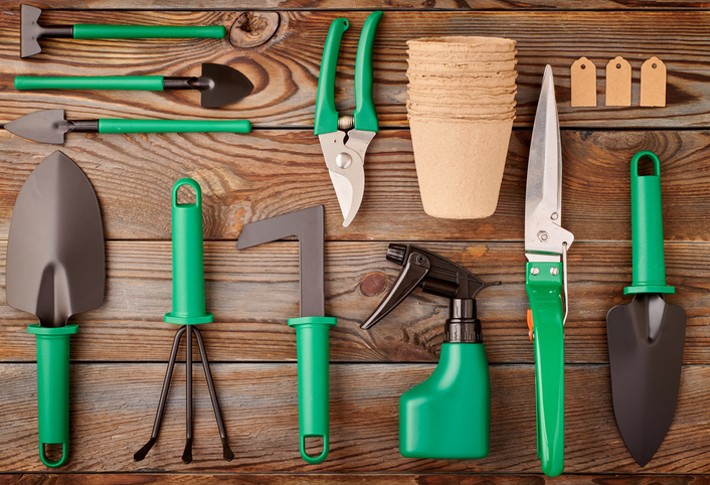
You don't need an expensive arsenal of equipment to grow great vegetables. The essential toolkit for a beginner:
- Hand trowel for planting
- Pruners for harvesting and cleanup
- Garden fork or shovel for soil preparation
- Watering can or hose with gentle spray nozzle
- Gardening gloves
- Five-gallon bucket for hauling compost and harvest
Expect to invest $100 to $200 initially for soil amendments, seeds, transplants, and basic tools—most of which will last for years. Plan for 2 to 4 hours per week of garden time during peak season. Less during slow weeks, more during planting and harvest peaks.
Common Mistakes to Avoid
New gardeners tend to make the same correctable errors. Keep these in mind:
Starting too big. A small garden you can maintain beats a large one you ignore. Expand only after you've mastered the basics.
Crowding plants. Intimate spacing may look productive, but it reduces airflow and invites disease. Follow recommended spacing, and be honest about how the plants will mature.
Overwatering. Drowning roots is as harmful as drought. Check soil moisture with your finger before watering—if the top inch is dry, water deeply.
Skipping mulch. Unmulched beds dry out faster, grow more weeds, and stress plants during heat. Mulch is the single easiest way to reduce garden workload.
Impatience with timing. Cold soil slows germination and growth. Trust the calendar and resist the urge to plant too early.
Sample 4×8 Beginner Garden Plan
One modest bed can feed you well all season if planned thoughtfully.
Spring
- Two rows of lettuce mixed with radishes
- One row of snap peas on a short trellis
- One row of kale
Summer
- Two cherry tomato plants on cages
- Two pepper plants
- Bush beans in two short rows
- Basil and parsley along the edges
Fall
- Remove spent beans and peppers
- Plant spinach, arugula, and green onions
This plan gives you continuous harvests from early spring through late fall with minimal wasted space.
Frequently Asked Questions
How much sun do vegetables need?
Most vegetables need 6 to 8 hours of direct sun daily. Leafy greens tolerate light shade, but fruiting vegetables like tomatoes and peppers demand full sun.
Should I use seeds or transplants?
Start with transplants for tomatoes, peppers, and eggplant. Sow seeds directly for beans, peas, squash, lettuce, and root crops.
How often should I water a new garden?
Water when the top inch of soil feels dry. In summer, this typically means every 2 to 3 days, potentially daily during extended heat waves.
What is the easiest vegetable for beginners?
Lettuce, bush beans, and cherry tomatoes are exceptionally forgiving. They germinate quickly, produce fast results, and bounce back from common mistakes.
How do I know when to harvest?
Trust your senses. Tomatoes turn deep in color and soften slightly. Beans snap cleanly without visible seeds bulging. Lettuce is ready when leaves reach usable size.
Can I garden in containers?
Absolutely. Use 5-gallon pots minimum for most vegetables, choose a quality potting mix, and expect to water more frequently than in-ground beds.
How do I improve poor soil fast?
Mix 2 inches of compost into the top 6 inches. If native soil is severely compacted or contaminated, build raised beds with a quality soil blend.
Conclusion
You now have everything you need to transform empty ground—or a bare balcony—into a productive vegetable garden. The path is clear: choose a sunny spot, start small, build healthy soil, plant reliable crops, and maintain a simple weekly rhythm.
This week, take the first step. Prepare one bed or arrange a few pots. Choose three easy crops suited to your season. Plant them, water them, and watch them grow. Each small success builds confidence and experience for the seasons ahead. Your journey from novice to skilled gardener starts now—and the fresh food you'll enjoy makes every step worthwhile.