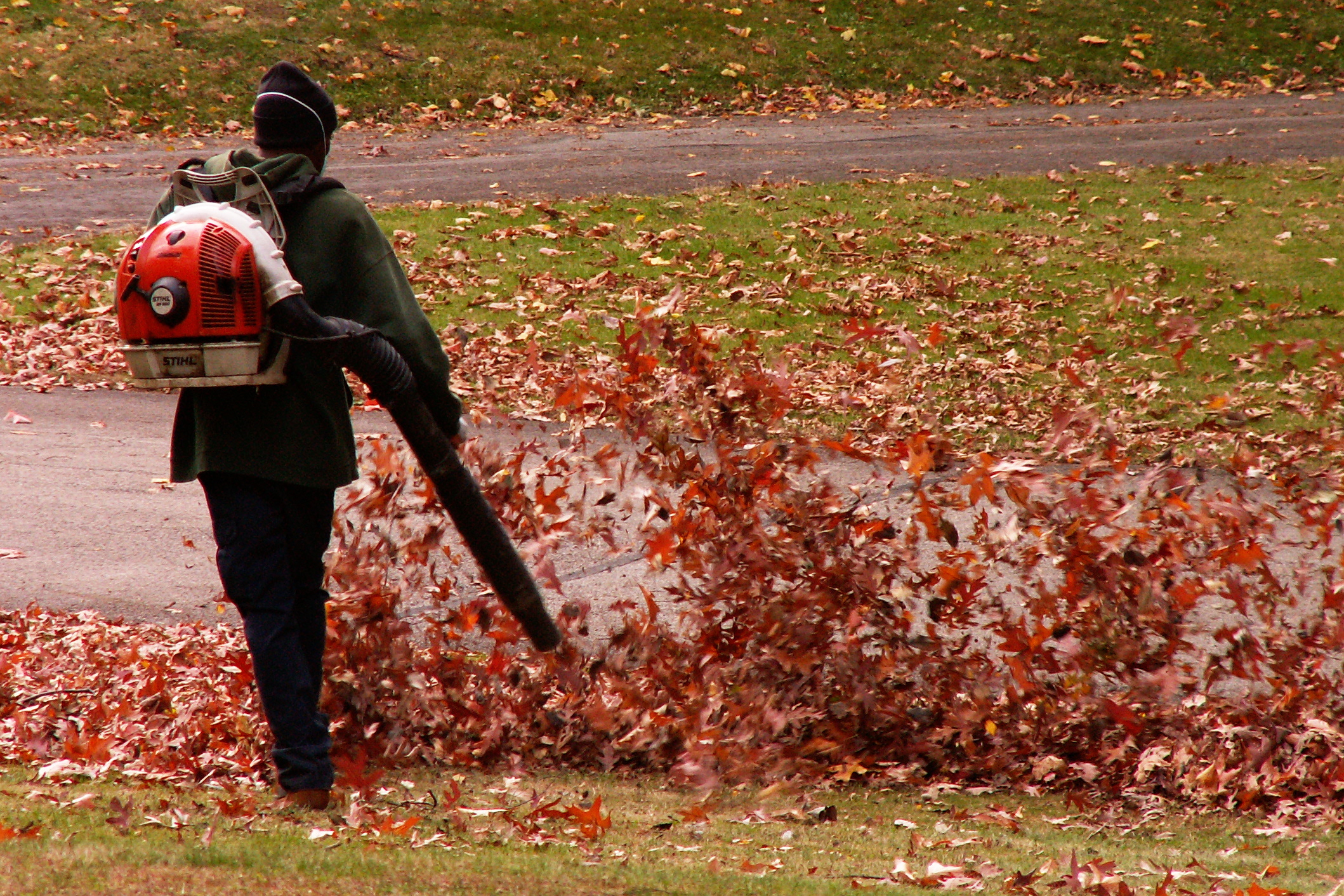
Hold the nozzle low, sweep with the wind, and guide leaves into piles.
If you want a clean yard without strain, you need a clear plan. I have spent years clearing parks, sidewalks, and steep lawns. In this guide, I show how to blow leaves with a leaf blower the right way. You will learn safe setup, proven patterns, and simple fixes. Follow along to save time, avoid mess, and get pro-level results.
Safety and preparation
Before you learn how to blow leaves with a leaf blower, set a safe work zone. A few minutes of prep prevents damage and injury. It also keeps you on good terms with your neighbors.
Wear eye protection, hearing protection, gloves, and closed shoes. Many blowers reach 85 to 100 decibels at the ear. Use ear muffs or plugs with a good NRR. A dust mask helps on dry days. Tie back long hair and avoid loose clothes.
Walk the area and pick up sticks, rocks, and toys. Check wind and plan to work with it at your back. Avoid early mornings and be mindful of local quiet hours. Some places limit blower types or hours.
Set a staging area for piles. Use a tarp, paper yard bags, or a mulching mower. Choose a finish spot near curb pickup or your compost bin. A plan for the last 10 minutes saves the first 30.

Choose the right leaf blower
Your tool shapes how to blow leaves with a leaf blower, fast and clean. Pick based on yard size, debris load, and local rules.
Handheld corded models work for small yards and patios. They are light and quiet. Battery units fit most suburban lots. Look for 400 to 600 CFM and 100 to 150 MPH. Gas backpack blowers push heavy wet leaves and pine needles. They run long, but are loud and need more care.
Watch two specs. CFM moves volume and clears wide areas. MPH helps lift stuck leaves and debris. A narrow nozzle boosts speed but can scatter gravel. A wider tip sweeps better on lawns. Fit matters too. Try the strap, grip, and weight. Comfort keeps you accurate and steady.

Pre-start checklist
A quick check saves time. It also guides how to blow leaves with a leaf blower without stalls.
- Inspect the tube, intake, and guard. Remove clogs and cracks.
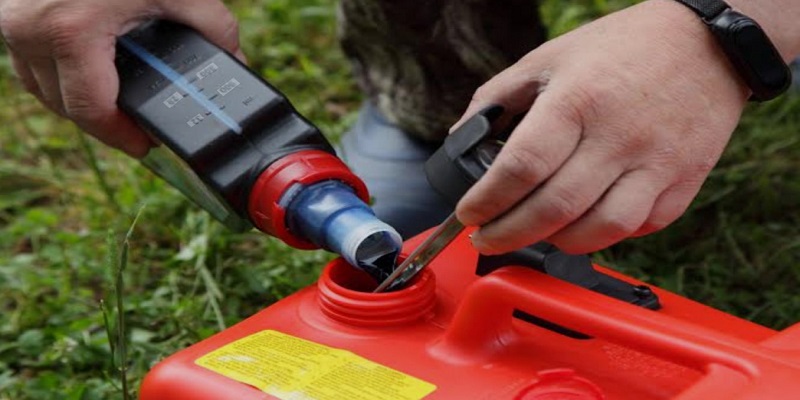
- Check the battery charge or cord. For gas, use fresh fuel and the right oil mix.
- Confirm throttle, trigger lock, and cruise control work well.
- Adjust the strap so the nozzle sits just above your knee.
- Plan your route with the wind. Mark the finish zone with a tarp.
Start the tool and run it for 30 seconds. Listen for surges or rattles. Fix small issues now, not an hour later.
Step-by-step: How to blow leaves with a leaf blower
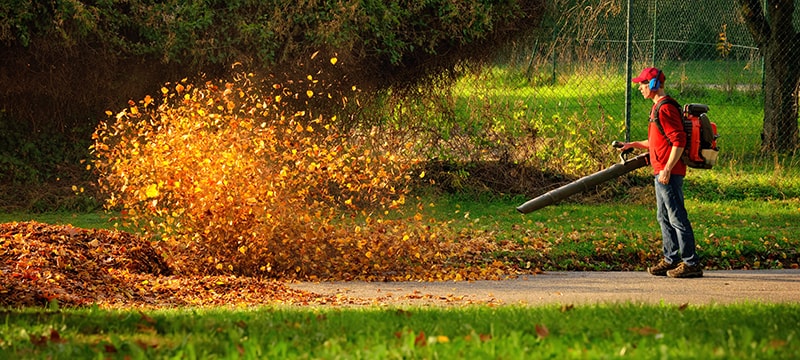
This method works on most yards. It is calm, quick, and low stress.
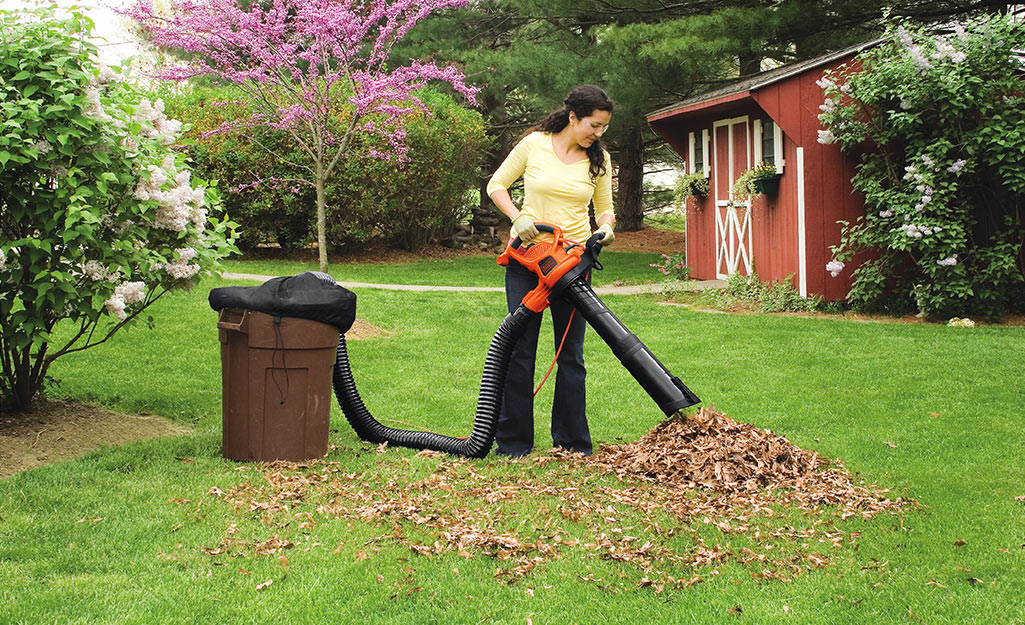
- Stand tall with feet shoulder width apart. Keep your back straight.
- Hold the nozzle 2 to 4 inches above the surface. Angle it at 20 to 30 degrees.
- Use steady sweeps from side to side. Move your feet, not only your arms.
- Feather the throttle. Low power gathers. High power lifts stuck leaves.
- Start at the far edge. Work toward your finish zone with the wind at your back.
- Form rows first. Turn rows into piles. Then move piles to the tarp.
This is how to blow leaves with a leaf blower on lawns with control. Avoid wild bursts. Smooth, even passes beat raw power.
Patterns that work in real yards
Great results come from clear patterns. The right pattern is how to blow leaves with a leaf blower faster and with less effort.
Perimeter in: Walk the boundary first. Pull leaves away from fences, beds, and walls. Then sweep inward in long lanes.
Grid and lanes: On large lawns, split the area into lanes 10 to 15 feet wide. Clear one lane at a time. Overlap the next pass by a foot.
Edge and funnel: On driveways and sidewalks, pull leaves from edges to the center. Aim the row toward your tarp. Avoid pushing leaves into the street.
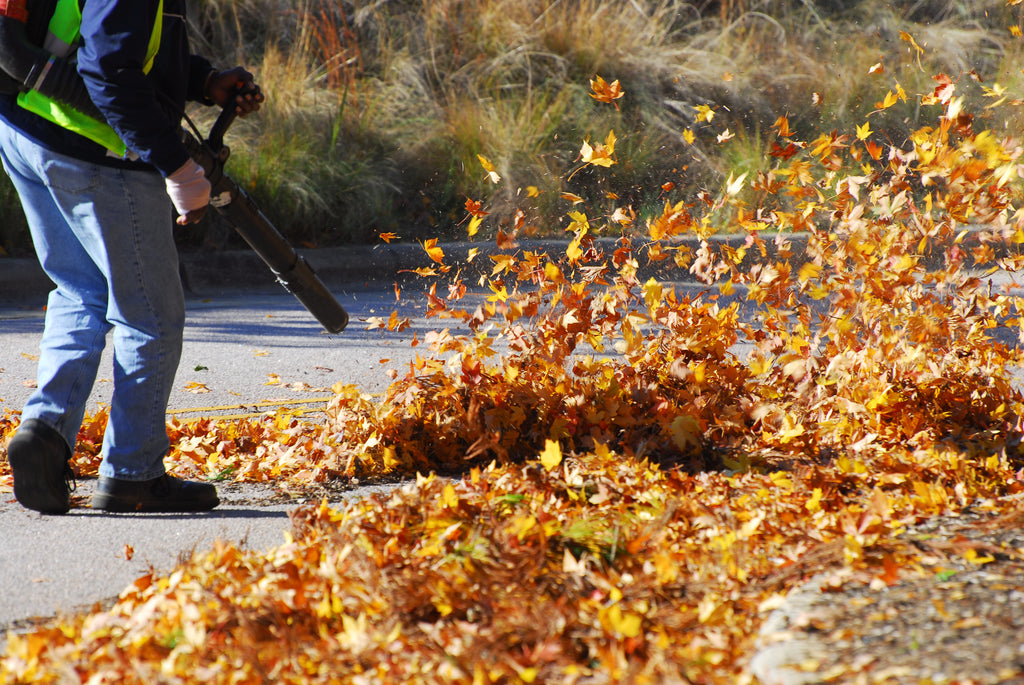
Wet-leaf shuffle: For mats, use short bursts and a steeper angle. Break the mat. Then drop power to gather. Repeat in small steps.
Wind partner: Keep the breeze at your back. If it shifts, adjust your lanes. The wind is your helper, not your rival.
Surfaces and conditions
You need small tweaks for each surface. These simple tweaks show how to blow leaves with a leaf blower without making a mess.
Lawns: Use medium power and a wider arc. Keep the nozzle low but not digging. Avoid blasting bare soil.
Gravel: Go low power and a shallow angle. Sweep gently so stones stay put. Use a wider tip if you have one.
Mulch beds: Pulse the throttle. Aim across the mulch, not down into it. Clear in layers from back to front.
Hardscape: Use low to medium power. Hold the nozzle a bit higher to avoid dust clouds. Pull from edges first.
Hills: Work across the slope. Do not fight gravity. Make short, stable steps for control and safety.

Build piles and collect without chaos
Good piles make bagging easy. They also keep you from chasing leaves again and again. This is how to blow leaves with a leaf blower into neat, stable piles.
Build rows first, then feed rows into a main pile. Keep piles 2 to 3 feet tall. Taller piles topple and spread.
Stage a tarp at the finish spot. Blow the main pile onto the tarp. Grab the corners and drag. For curb pickup, keep piles off drains and out of the street.
Consider a mulching mower for dry leaves. Mow over rows to shred. Shreds feed your soil and reduce bags.
Cover piles if wind picks up. A light net or the tarp edge will do. You will thank yourself later.

Field-tested efficiency tips
If you ask pros how to blow leaves with a leaf blower quicker, they talk timing and touch. Small changes bring big gains.
Work when leaves are dry. Morning dew helps a bit on dusty patios. Full wet mats slow you down. Wait for sun if you can.
Keep the nozzle moving. Aim ahead of the pile and lead it like a slow dance. Do not point deep into the pile. That scatters the front edge.
Take breaks. Swap hands on long runs. Use cruise control if your tool has it. Your back and shoulders will last longer.
From my own rounds, the best gains came from route planning. I mark pinch points, gates, and slopes first. Less backtracking means less time on the trigger.
:strip_icc()/BHG_GreenworksPro80VCordlessBackpack_20_RM_5022-a5d1c7c9f166443f8bfd79bbb853569a.jpg)
Maintenance and storage
A well-kept tool makes how to blow leaves with a leaf blower smoother every season. It also keeps noise and fumes down.
Clean the air filter and intake screen often. Leaves shed dust and fine grit. Check the tube and impeller for buildup.
For gas units, use fresh fuel and the right mix. Add stabilizer for storage. Inspect the spark plug once a season. Tighten loose mounts and straps.
For battery units, store packs at 40 to 60 percent charge. Keep batteries cool and dry. Check contacts for debris. Replace worn tips if airflow feels weak.
Coil cords without kinks. Wipe the housing and tube. A clean tool runs cooler and lasts longer.
Troubleshooting common issues
These quick fixes keep your routine tight. They also show how to blow leaves with a leaf blower without stalls.
Won’t start: Check fuel, battery charge, and safety switches. For gas, confirm the choke and prime steps. Replace a fouled plug.
Weak airflow: Inspect for clogs at the intake, tube, and nozzle. Clean the filter. Check for a cracked tube that leaks air.
Surging power: Bad fuel, dirty carb, or dying battery cause surges. Replace fuel or recharge. For gas, clean the carb and check lines.
Vibration or rattle: Stop at once. Inspect the impeller for damage. Tighten mounts and tube joints.
Dust clouds: Use less throttle and a higher angle. Work in layers. A light mist of water can help on very dry days.
Frequently Asked Questions of how to blow leaves with a leaf blower
What is the best time of day to blow leaves?
Late morning is ideal when dew lifts and wind is light. Avoid early quiet hours and gusty afternoons.
How do I blow wet leaves without making a mess?
Break the mat with short bursts at a steep angle. Then drop power to gather the loosened leaves into rows.
What do CFM and MPH mean for a blower?
CFM is air volume and clears wide areas fast. MPH is air speed and lifts stuck debris.
Can I use a leaf blower on gravel?
Yes, use low power and a shallow angle. Sweep gently so stones stay in place.
How big should leaf piles be for easy bagging?
Keep piles 2 to 3 feet tall and stable. Move them onto a tarp for fast hauling.
Is hearing protection really necessary?
Yes. Many blowers exceed safe noise levels. Use ear muffs or plugs to protect your hearing.
How often should I service my leaf blower?
Check filters and screens every few uses. Do seasonal checks on plugs, fuel, and fasteners.
Conclusion
You now have a clear plan for a clean yard. You learned how to blow leaves with a leaf blower with safe prep, smart patterns, and simple care. Start at the edge, move with the wind, build rows, and finish at a tarp.
Put this guide to work on your next cleanup. Save your back, your time, and your gear. Want more yard tips and tool tests? Subscribe, share your results, or ask a question in the comments.