Start with safety gear, a sharp saw, a stable stance, and small, straight cuts.
Learning how to use a chainsaw for beginners should feel clear, safe, and simple. I’ve trained first-time users in yards, trails, and storm cleanups. This guide shows you how to use a chainsaw for beginners with step-by-step tips, pro habits, and no fluff. Read on to get results without guesswork.

Safety first: the non‑negotiables for new users
If you want to know how to use a chainsaw for beginners, begin with safety. A chainsaw can clear a yard in minutes, yet one mistake can cause harm. Build safe habits before you pull the cord or pull the trigger.
Wear full protective gear every time you cut.
- Helmet with face shield or safety glasses and hearing protection
- Chainsaw chaps that meet current safety standards
- Cut‑resistant gloves with good grip
- Steel or composite toe boots with good tread
- Snug, bright outerwear so nothing snags
Set a safe work zone.
- Keep people and pets at least two tree lengths away
- Work on level ground with clean footing
- Plan at least two clear exit paths
Use the saw the right way.
- Hold with two hands, thumbs wrapped, elbows bent
- Keep the bar below shoulder height
- Never cut with the bar tip; that is the kickback zone
- Engage the chain brake when you move your feet
Have an emergency plan.
- Keep a first aid kit on site
- Carry a phone and know your exact location
- Stop work when you feel tired, rushed, or distracted

Choose the right chainsaw and gear
Picking the right tool is key to how to use a chainsaw for beginners. The best saw is the one you can start, control, and maintain with ease.
Match the power source to your job.
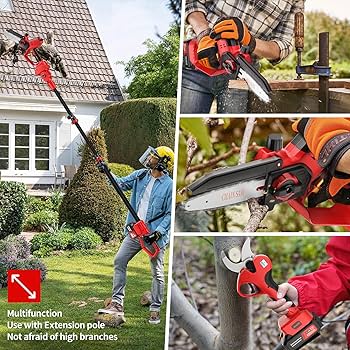
- Battery saws are quiet, light, and easy to start. Great for yard work and small logs.
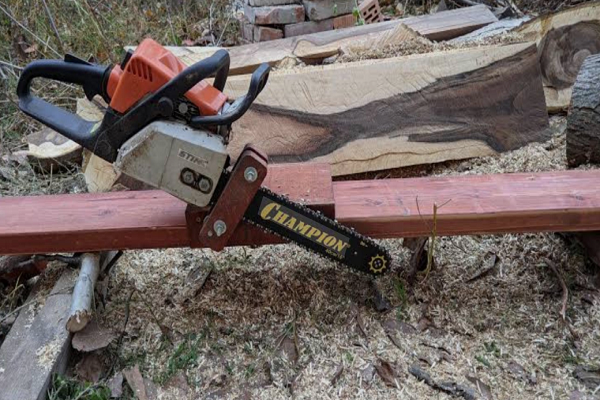
- Gas saws cut faster and run longer. Better for bigger jobs and hardwood.
- Corded saws work for short tasks near outlets. Least flexible outdoors.
Think about bar length.
- 12 to 16 inches is a sweet spot for beginners
- Shorter bars are lighter and reduce kickback risk
- Longer bars need more skill and power
Choose chain type and safety features.
- Low‑kickback chain for new users
- Chain brake that stops the chain fast
- Metal bucking spikes for better control
Bring the basics with you.
- Bar and chain oil
- Plastic felling wedges
- Scrench or tool kit
- Chain file and guide
- Spare chain and battery or mixed fuel
A quick note from the field: I put most first-timers on a 14‑inch battery saw with a fresh chain. This reduces noise, recoil, and stress in the first hour.
%20(1).jpg)
Pre‑start checks and site prep
A simple pre‑start routine helps you master how to use a chainsaw for beginners. These checks take two minutes and prevent costly mistakes.
Check the saw.
- Chain tension should be snug, but you can pull it by hand to see one or two drive links
- Chain is sharp, clean, and oiled
- Chain brake engages and releases with a click
- Bar and chain oil tank is full
- For gas saws, use fresh fuel mix as specified
* Nuts, covers, and bar studs are tight
Prep the work area.
- Scan for nails, wire, or rocks
- Clear brush and trip hazards
- Plan your cuts and exit paths
- Mark logs if you need guide lines
Pro tip: Do a dry run. Grip the saw, set your stance, and walk through the first cut without the chain moving.
Start the saw step by step
A good start builds control and calm. This is where many new users gain early confidence.
For gas saws
- Engage the chain brake.
- Set the choke as needed.
- Place the rear handle on the ground. Put your right foot through the rear handle. Hold the front handle with your left hand.
- Pull the starter until it pops. Push the choke to run. Pull again until it starts.
- Let it warm up. Tap the throttle to settle.
- Keep the brake on until you are in cutting position.
For battery or corded saws
- Engage the chain brake if fitted.
- Insert battery or plug in power.
- Stand ready with two hands and a stable stance.
- Release the brake and start the trigger only when the bar is clear of anything.
Keep the bar clear when you start. Never blip the throttle with the tip near wood or the ground. This is a key rule in how to use a chainsaw for beginners.

Basic cutting techniques for beginners
Start small. Work on clean logs set on a stand or two support blocks. You will feel the saw, learn the balance, and avoid pinched bars.
Know compression and tension.
- The top of a supported log may be in compression
- The bottom may be in tension
- Make a small relief cut on the compression side, then finish from the other side
Make a clean crosscut.
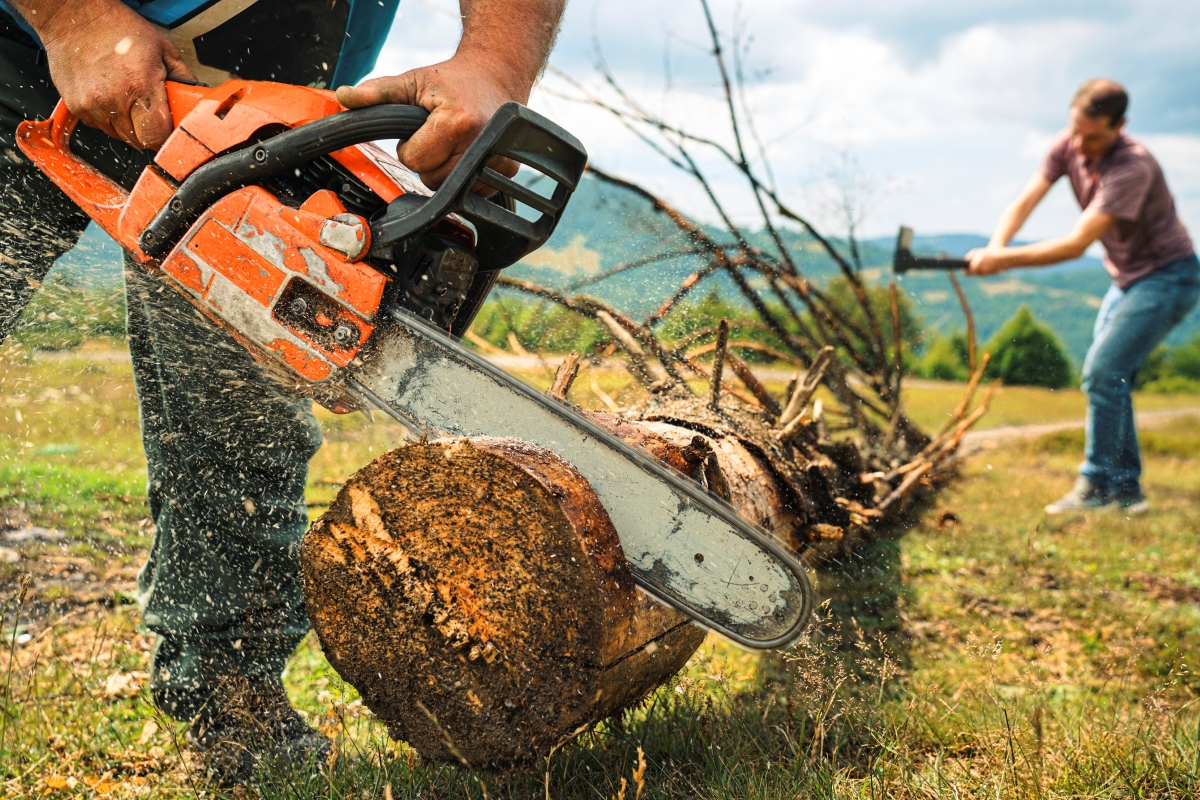
- Plant your feet and bend your knees.
- Rest the dogs or spikes on the wood for control.
- Bring the chain up to speed before it touches the wood.
- Let the chain do the work. Do not force it.
Limbing and bucking tips.
- Always cut with the bar body, not the tip
- Keep the log stable so it does not roll
- Stand on the uphill side if the log is on a slope
- Cut branches from the far side to keep the bar clear
- Use a plastic wedge to keep the kerf open on bigger cuts
Avoid advanced felling cuts until trained by a pro. For how to use a chainsaw for beginners, stick to small logs and simple crosscuts first.

Smart stance, grip, and body position
Good body position keeps you safe and reduces fatigue. It also makes your cuts straight and smooth.
Use a stable athletic stance.
- Feet shoulder‑width apart
- One foot slightly forward
- Knees bent, back straight
Lock your grip.
- Thumb under the front handle
- Firm grip with both hands
- Elbows soft, not rigid
Control the bar.
- Keep the bar close to your body
- Cut between knee and waist height when you can
- Do not cut above your shoulders
- Set the chain brake when you step or move
These habits are core to how to use a chainsaw for beginners. Practice them until they feel natural.

Common mistakes to avoid
Most mishaps come from the same few errors. Skip them and you will be ahead of the curve.
Avoid these traps.
- Cutting with a dull chain; it burns wood and forces you to push
- Letting the chain get loose; it can derail
- Hitting the ground; dirt kills sharp edges fast
- Using the bar tip; it can kick back in a flash
- Skipping bar oil; heat and smoke mean damage
- Working tired or rushed; that is when errors stack up
I once watched a new user chase a wandering cut for five minutes. The chain was dull. One quick sharpen, and the saw cut straight again.
Routine maintenance and sharpening basics
A few simple habits keep your saw safe, fast, and reliable. This is the secret sauce in how to use a chainsaw for beginners.
Sharpen often.
- File little and often rather than waiting
- Use a file size that matches your chain and a guide for angle control
- Keep raker depth correct with a gauge so the chain bites but does not grab
Care for the bar and chain.
- Flip the bar each time you sharpen to even wear
- Clean the oil groove and oil hole
- Check the sprocket tip for smooth spin
Keep the powerhead healthy.
- Clean or replace the air filter
- Check the spark plug on gas saws
- Keep battery contacts clean and dry
- Store bar oil and fuel clean and sealed
A sharp, oiled chain is safer and far easier to control than a dull, dry one.
Troubleshooting and when to stop
Part of how to use a chainsaw for beginners is knowing when to pause. Weird sounds, smoke, or poor cuts are your early warnings.
Watch for these signs.
- Blue smoke from the bar means poor oil flow; stop and check the oiler and groove
- Crooked cuts point to a dull chain or uneven teeth; sharpen or swap chains
- Excess vibration may mean a loose chain or damaged drive links
- Chain keeps stretching fast; it may be worn out
Stop work if the chain brake feels weak, the throttle sticks, or the bar is bent. Fix the problem first. Then get back to cutting.
Storage and transport
How you store and move your saw affects safety and life span. This last step is easy to do well.
After work
- Let the saw cool
- Wipe off chips and sap
- Top up bar oil
- Loosen chain tension slightly for storage
- Sheath the bar
For longer storage
- For gas saws, drain fuel or add stabilizer and run it a few minutes
- Store dry and off the ground
- Remove the battery and store it cool and dry
- Keep files, wedges, and PPE together so nothing is missing next time
Transport with the bar cover on and the chain brake set. In a vehicle, secure the saw so it cannot roll. This is part of how to use a chainsaw for beginners that many skip.
Frequently Asked Questions of how to use a chainsaw for beginners
What size chainsaw is best for beginners?
A 12 to 16‑inch bar is ideal for most yard jobs. It is light, easy to guide, and reduces kickback risk.
Should I buy gas or battery for my first chainsaw?
Battery saws are great for simple cuts and low noise. Gas is better for large logs, hardwood, and longer sessions.
How tight should the chain be?
It should be snug on the bar but still pull by hand to expose one or two drive links. If it sags under the bar, tighten it.
How do I avoid kickback?
Do not let the upper bar tip touch anything. Keep two hands on the saw, use a low‑kickback chain, and keep the chain sharp.
How often should I sharpen the chain?
Touch up after every tank of fuel or battery pack, or sooner if you hit dirt. Little and often keeps cuts straight and safe.
Can I cut wet wood?
Yes, but the chain can dull faster and sap can build up. Keep oil flowing and clean the chain more often.
What oil do I use for the bar and chain?
Use bar and chain oil designed for chainsaws. It sticks to the chain and bar better than motor oil.
Conclusion
You now have a clear plan for how to use a chainsaw for beginners. Start with safety gear, simple cuts, and a sharp chain. Build good habits with stance, grip, and checks before every start. Keep the saw clean, oiled, and sharp, and you will cut better with less effort.
Put these steps into practice on a few small logs this week. Then level up one skill at a time. Want more step‑by‑step tips and gear guides? Subscribe for updates or drop your questions in the comments.