Use a leaf blower with the wind, sweep in rows, then bag or mulch.
If you want clean, fast results without wasting time or energy, you need more than a quick sweep. You need to know how to use a leaf blower for yard cleanup with control, safety, and smart technique. I have spent years cleaning properties for clients, and this guide breaks down real methods that work in every season and on every surface. Stick with me, and you will master how to use a leaf blower for yard cleanup like a pro.

Choose the Right Blower and Setup
Picking the right tool is half the job. The best choice depends on yard size, noise limits, and how much debris you face. This step matters if you want to learn how to use a leaf blower for yard cleanup in a way that is fast and safe.
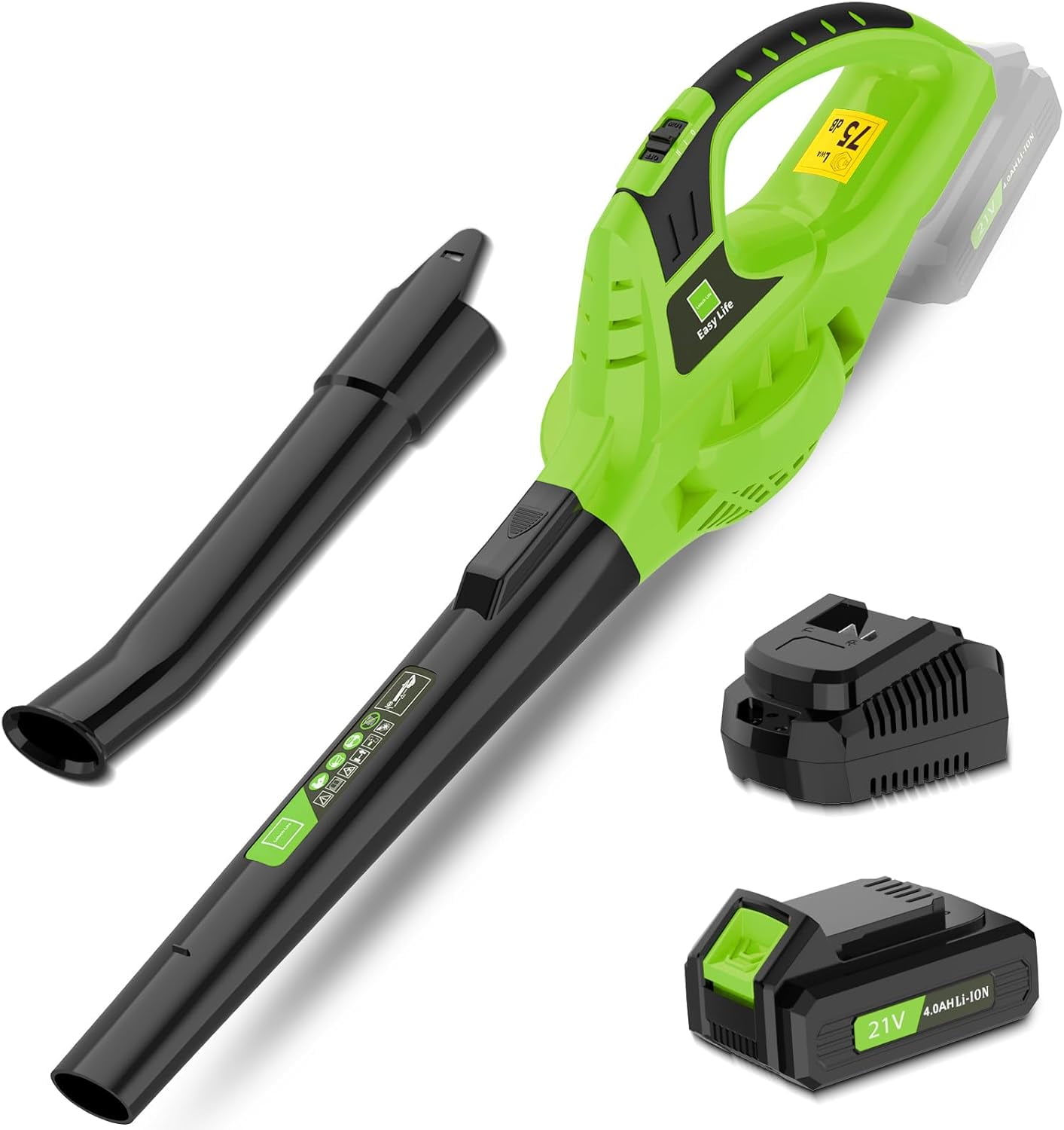
- Corded electric works for small yards. It is light and steady. You need an outdoor-rated cord.
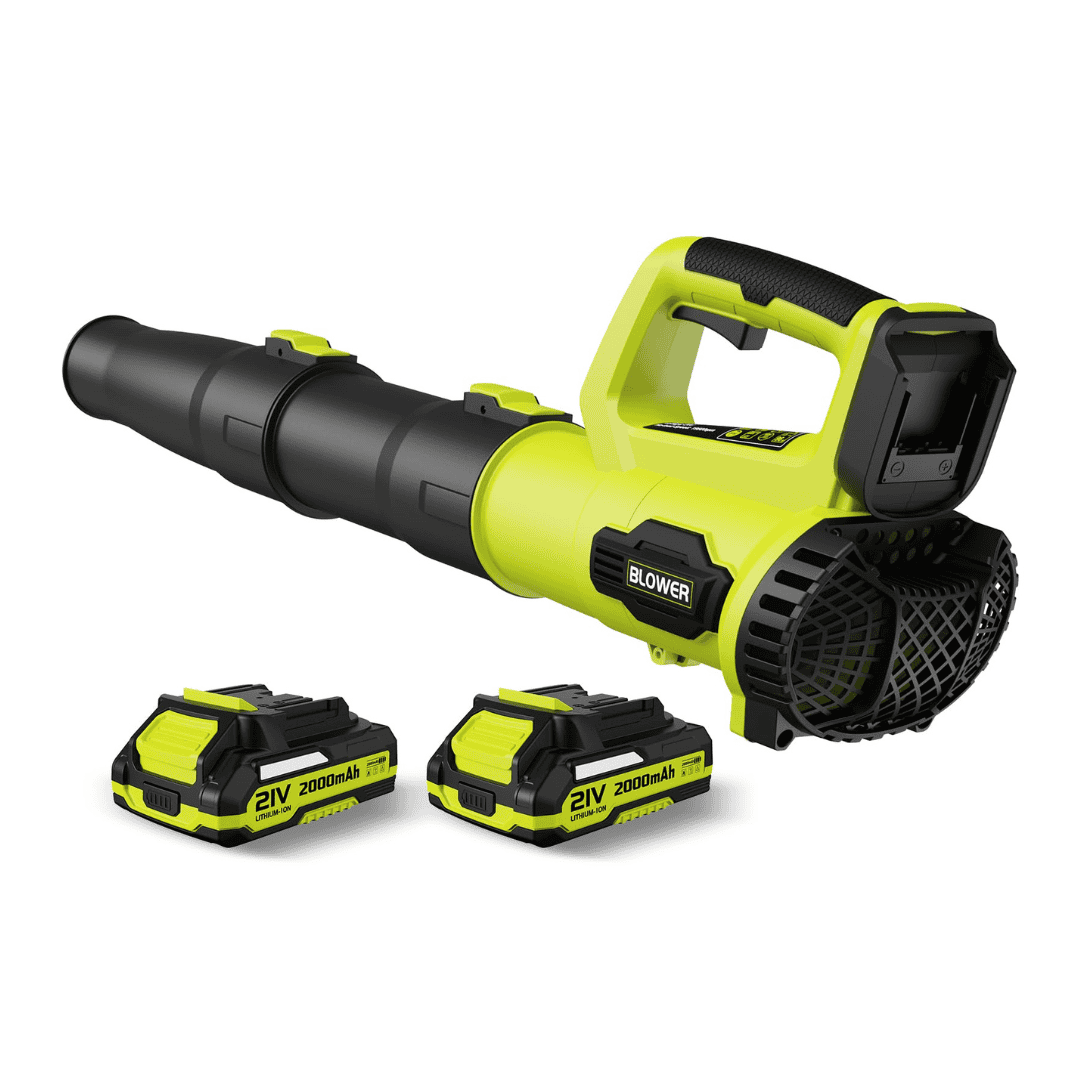
- Cordless battery is great for mid-size yards. It is quiet and mobile. Keep a spare battery if your yard is large.
- Gas backpack handles big jobs. It has high power and long run time. It is louder and needs fuel care.
- CFM shows how much air you move. Higher CFM moves big piles. MPH shows air speed. Higher MPH lifts stuck debris.
- Round nozzles move bulk leaves. Flat nozzles cut under wet or stuck leaves.
Quick setup tips from real jobs:
- Check the forecast. Work with a light breeze, not against it.
- Clear kids, pets, and cars. Blowing raises dust and pebbles.
- Plan the dump spot. A tarp or compost bin saves time later.
:max_bytes(150000):strip_icc()/RSP_RyobiONE18V100MPH280CFMCordlessBatteryVariable-SpeedJetFanLeafBloweratHomeDepot_17_RM_4929-4562c60019a845888ffde5cf3788d56e.jpg)
Safety First: Protect Yourself and Your Yard
Safety is part of how to use a leaf blower for yard cleanup the right way. It also keeps you productive.
- Wear eye protection. Dust and grit fly fast.
- Use hearing protection, even with battery blowers.
- Wear a dust mask if leaves are dry or moldy.
- Use gloves and closed shoes for grip and protection.
- Check local noise rules and allowed hours.
Pro tip from the field: I once skipped goggles on a “quick” job. A pebble hit my eye shield the next time. That could have been my eye. Never skip safety.
Prep the Yard Before You Blow
Good prep makes the blow easy. Many mistakes happen before you even start. If you want a clean finish, learn how to use a leaf blower for yard cleanup by doing this prep every time.
- Walk the area. Pick up branches, toys, and stones.
- Check your blower. Charge or fuel up. Inspect the tube and filter.
- Plan zones. Divide the yard into small sections so you do not chase leaves.
- Work with the wind. Start upwind and move downwind.
- Close gates and cover vents to keep leaves out.
I also like to place a big tarp near the final pile. It speeds up bagging or mulching later.
Core Technique: Step-by-Step Leaf Blower Method
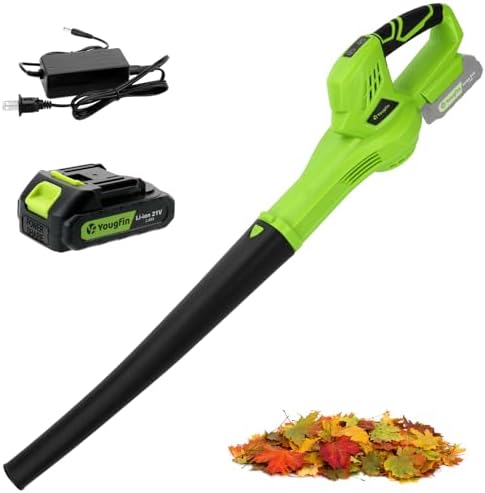
This is the heart of how to use a leaf blower for yard cleanup. Keep your moves simple and repeatable.
- Start at the edges. Blow leaves away from fences and corners first.
- Use low to medium power. Too much power scatters leaves and dust.
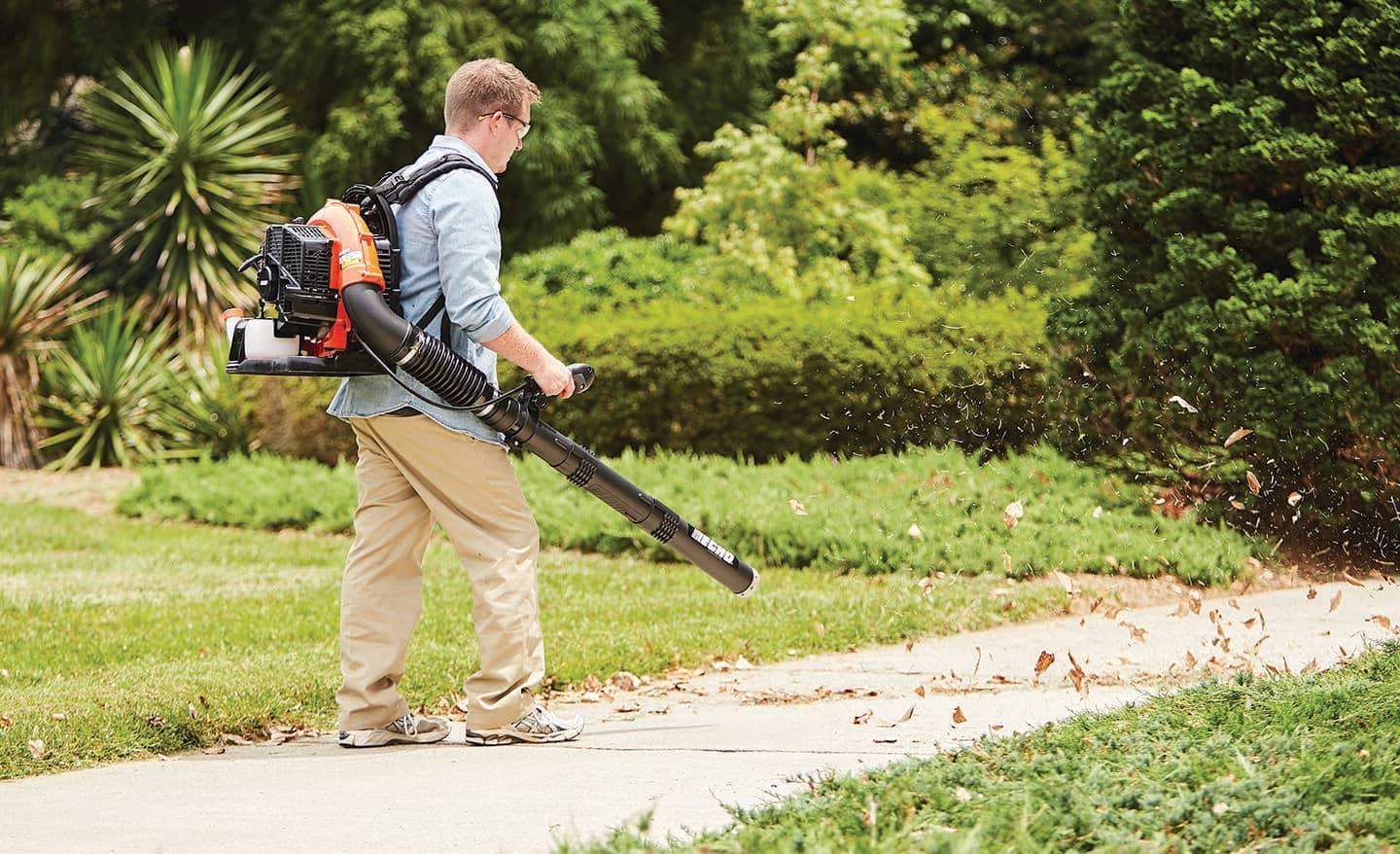
- Sweep in smooth arcs. Keep the nozzle a few inches above the ground.
- Guide leaves into long rows. These are windrows. They keep piles under control.
- Combine rows into one pile. Work with the wind, not against it.
- Finish with a tarp. Pull the pile onto a tarp for easy removal.
- Bag or mulch. Use paper lawn bags, compost, or a mulching mower.
Hardscape technique:
- On driveways and patios, keep the nozzle low.
- Push debris in one direction only.
- Do a final light pass to catch fine dust.
Around shrubs and beds:
- Use a low throttle to avoid blowing mulch.
- Angle the air to skim the top.
- If mulch shifts, reset it by hand after.
I learned to slow down in small steps. When I stopped “chasing” leaves with full blast, my cleanups got faster and cleaner.
Special Situations and Pro Tricks
Real yards are messy. Here is how to use a leaf blower for yard cleanup when things get tricky.
Wet leaves:
- Use a narrow or flat nozzle to cut under them.
- Lift in short bursts, then push in low, steady sweeps.
- If they are soaked, flip them with a rake first.
Pine needles:
- Work in short strokes and low angles.
- Push onto a tarp. Needles tangle and are hard to bag loose.
Gravel drives:
- Aim air just above the stones.
- Use low power so you do not scatter gravel.
- Pull debris off in thin layers.
Gutters:
- Only use gutter kits that are made for your blower.
- Wear goggles and a mask. Wet gutter dust is nasty.
- Keep feet planted. Never lean from a ladder with a running blower.
Vacuum and mulch modes:
- Useful for tight spaces and patios.
- Do not vacuum sticks or stones.
- Empty the bag often so airflow stays strong.
Seasonal tips:
- Fall leaves: Work twice a week during peak drop. Small piles are easy.
- Spring: Blow old thatch and twigs before the first mow.
- After storms: Start with branches by hand. Blow last for a clean finish.

Work Smart: Ergonomics, Efficiency, and Care
Good habits save your back and your blower. This is a big part of how to use a leaf blower for yard cleanup without fatigue.
Posture and movement:
- Keep elbows close and shoulders relaxed.
- Switch hands on long jobs to avoid strain.
- Walk in straight lines. Do not zigzag.
Time savers:
- Make rows first, then combine piles. Do not finish one corner at a time.
- Keep a spare battery on the charger.
- Use a tarp, not a trash can, for bulk leaves.
Maintenance:
- Clean or replace the air filter on schedule.
- Check and tighten the tube connections.
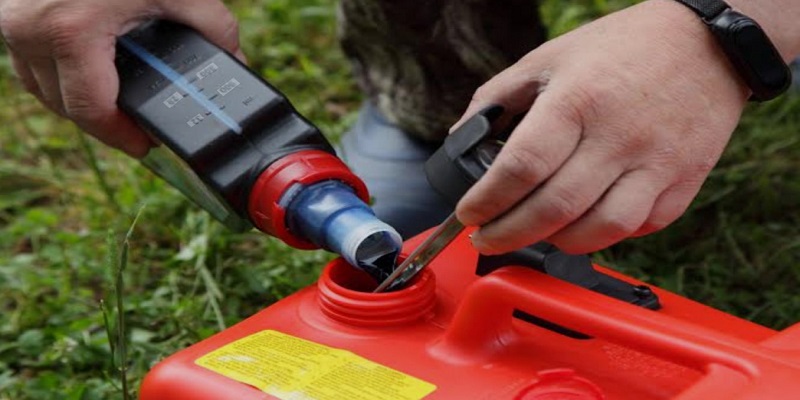
- For gas models, use fresh fuel and stabilize it.
- Store batteries at moderate charge, not full or empty.
I once struggled with power loss mid-job. The fix was simple: a clogged filter and a loose tube. A two-minute check now saves me every week.

Troubleshooting and Mistakes to Avoid
If your results look messy, it is often technique. Here is how to use a leaf blower for yard cleanup without common errors.
- Over-throttling blows leaves everywhere. Use just enough power to move them.
- Blowing against the wind doubles the work. Always go with it.
- Making random piles wastes time. Build long rows first.
- Ignoring wet spots causes clumps. Break them up with bursts or a rake.
- Not checking the yard can fling stones. Walk the site first.
Quick fixes:
- Weak airflow: Check the filter, tube, battery, or spark plug.
- Static cling on dry days: Lightly mist the area or take a short break.
- Dust clouds: Use low power and tighter arcs. Mist the ground if needed.

Be Neighbor and Eco Friendly
How to use a leaf blower for yard cleanup also means being a good neighbor. Keep it clean, quiet, and legal.
- Respect quiet hours. Mid-morning or late afternoon is best.
- Control dust on dry days with light misting.
- Keep leaves out of storm drains. They clog and cause flooding.
- Compost or mulch leaves. They are great for soil health.
- Follow local rules on yard waste bags and pickup days.
I always message close neighbors before a big cleanup. It keeps peace and helps me plan the best time to work.
Mastering How to Use a Leaf Blower for Yard Cleanup
You now have the complete plan. This section ties it all together so you can recall how to use a leaf blower for yard cleanup on any property.
- Prepare the yard and gear.
- Work with the wind.
- Sweep in arcs at low to medium power.
- Build rows, then one big pile.
- Bag, mulch, or compost.
- Maintain your tool and body.
With this method, my average suburban yard takes half the time and looks better. Your results will feel the same once you use these steps.
Frequently Asked Questions of how to use a leaf blower for yard cleanup
What power setting should I use most of the time?
Use low to medium power for control. High power is for wet clumps or thick piles only.
How close should the nozzle be to the ground?
Keep it a few inches above the surface. This lifts leaves without blasting dirt or gravel.
Is a battery blower strong enough for big yards?
Yes, if you have a high-CFM unit and spare batteries. For very large areas, a gas backpack is faster.
What is the best way to deal with wet leaves?
Use short bursts with a narrow nozzle to lift them. Then push in steady, low sweeps into rows.
Can I use a leaf blower on gravel without blowing stones?
Yes. Aim above the stones and use low power. Move debris off in thin layers.
Should I blow or rake first?
Blow first to gather bulk leaves fast. Rake after for tight spots and final touch-ups.
How do I keep from annoying my neighbors?
Work during reasonable hours and control dust. Let them know before big cleanups.
Conclusion
When you know how to use a leaf blower for yard cleanup, the job feels easy and quick. Plan the work, set the power right, move in smooth arcs, and build rows before piling. Add good safety and smart gear care, and your blower will feel like a precision tool, not a noisy broom.
Make your next cleanup the test. Use the steps, time yourself, and compare the finish. If you found this guide helpful, subscribe for more hands-on yard tips and share your results in the comments.