Garden Weeder Tools: Top Picks And Tips For 2026
Weeding is the job most gardeners put off, yet it is also the one where the right equipment changes everything. A good garden weeder tool turns a morning of sore knees into a short, clean sweep. This guide covers the tool styles that actually earn their place in the shed, the best categories to buy for the 2026 season, and the techniques that make any weeder work harder.
Why a Purpose-Built Weeder Beats Brute Force
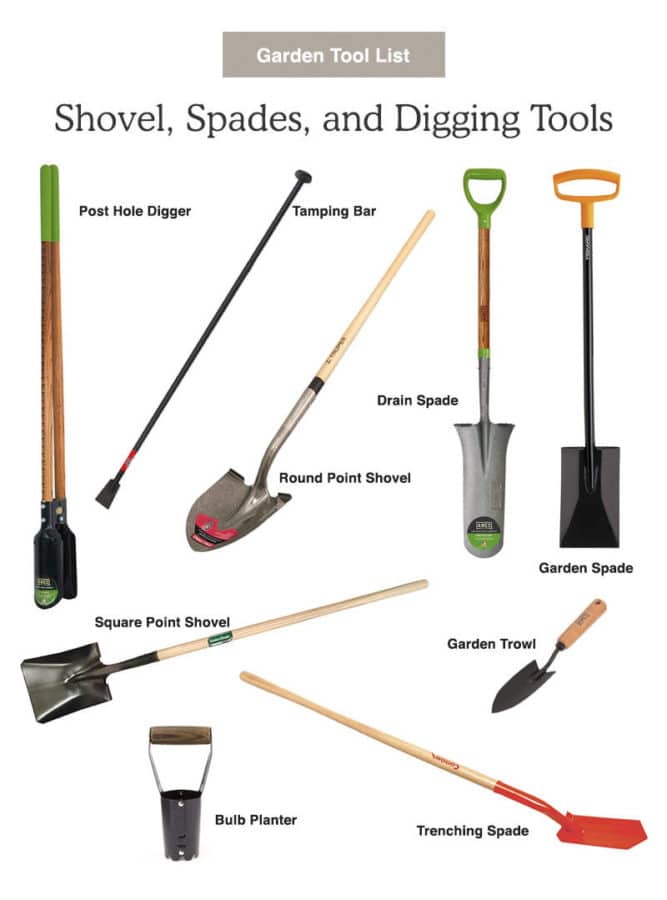
Pulling harder is the most common mistake. A dandelion with a six-inch taproot will snap off at the crown if you yank the leaves, then regrow within days. Grassy weeds with fibrous roots hold the soil like they are anchored with glue. Brute force treats every weed the same way, which is why so much weeding effort ends in frustration. You can also read our guide on ground digging tools.
A purpose-built weeder works with the plant’s biology. A narrow fork slides down beside a taproot and pries it out whole. A sharp hoe slices seedlings off just below the surface before they can establish. When the tool matches the root structure, you stop fighting the plant and start removing it cleanly.
Timing matters just as much. Young weeds in the “white thread” stage, where they have just sprouted, die from one light scrape. Waiting until they are large forces deeper digging, which churns soil and brings dormant seeds to the surface. A quick, shallow pass every week is far more effective than an intense dig once a month. You can also read our guide on manual weeding tools vs chemical weed control.
Repeated deep digging also damages fungal networks, earthworm tunnels, and the soil structure that healthy beds depend on. Mechanical weeding should stay shallow. When you do need to break ground for a new plant, using a dedicated tool for preparing planting holes keeps the disturbance contained.
The Main Types of Garden Weeder Tools
Weeders fall into three broad groups. Understanding each one helps you build a small, effective kit instead of a drawer full of unused gadgets. You can also read our guide on how to improve garden soil naturally.
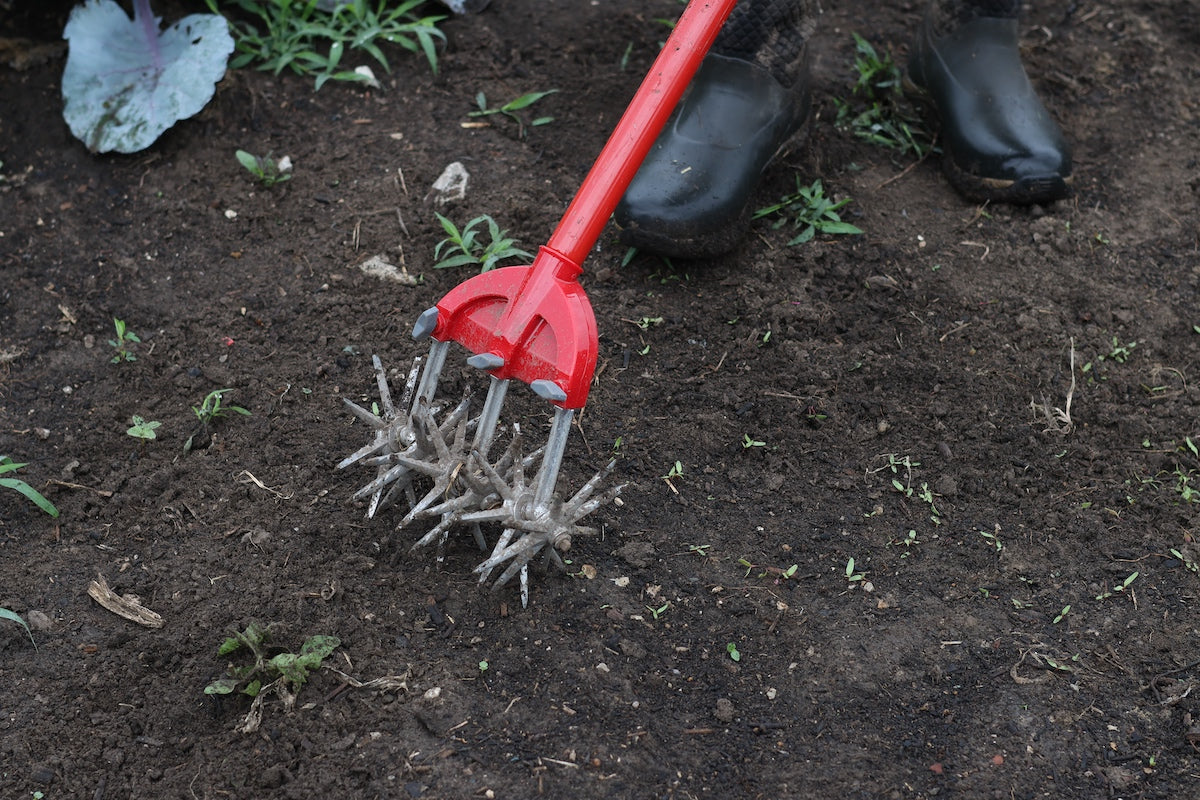 Different weeding tool shapes suit different root systems.
Source: sowrightseeds.com
Hand Weeders for Precision Work
Hand weeders are small tools used close to the ground. They are ideal for raised beds, containers, and tight spots around established plants, where you need maximum control.
| Tool | Best For | How It Works |
|---|---|---|
| Fishtail / dandelion weeder | Taproots in lawns and beds | A forked tip slides down the root and pries it loose |
| Hori-hori knife | Cutting roots, dividing plants, planting | A thick, sharp blade with a serrated edge |
| Crevice / patio knife | Weeds in cracks and paving | A hooked or sharpened blade that scrapes narrow gaps |
| Corkscrew weeder | Dandelions and other taproots | A spiral tip twists around the root and lifts it out |
In practice, a fishtail weeder is the most versatile of the group. Its narrow fork reaches beside a taproot without disturbing neighboring plants. A hori-hori is closer to a multi-tool: it cuts roots, opens planting holes, and even serves as a small trowel. A crevice knife is worth owning if your garden has paths, patios, or brick edges. You can also read our guide on cape cod weeder tool.
Hand weeders fit naturally into raised-bed digging setups because they slip between plants without wrecking root zones. Reserve them for precision work, though. Using a hand tool on open ground is slow and tiring.
Long-Handled Hoes and Weeders
Long-handled tools keep you standing upright, which saves your back and dramatically increases speed. These are the workhorses for vegetable rows, paths, and any area measured in square feet rather than square inches. You can also read our guide on action hoe vs garden hoe.
- Stirrup or oscillating hoe: A U-shaped blade that cuts on both push and pull strokes. It stays just under the soil surface, slicing weed stems cleanly without moving much soil.
- Collinear hoe: A thin, sharp blade set at a right angle to the handle. It excels at fine, shallow cutting close to crop rows.
- Draw hoe: The classic rectangular blade that you pull toward yourself. It is excellent for making furrows and moving soil, though more aggressive than needed for simple weeding.
- Dutch or push-pull hoe: A flat blade that cuts with a sweeping motion in both directions. It is lighter and easier to control than a draw hoe.
Look for a handle that reaches about your sternum when the blade rests on the ground. Hardwood and fiberglass shafts absorb shock, while foam or rubber grips reduce hand fatigue. Replaceable blades cost a little more upfront but save money over the life of the tool.
Specialty Weeders for Tough Jobs
Some situations call for dedicated equipment.
- Flame weeders pass a carefully controlled flame over small weeds, heating the tissue until it wilts. They work well on paths, driveways, and stale seedbeds where you want to kill germinating weeds without disturbing the soil.
- Wheel hoes are walk-behind frames with interchangeable blades and cultivators. They are overkill for a small backyard but save hours in a market garden with long rows.
- Stand-up weed pullers let you remove lawn weeds like dandelions without kneeling. A claw mechanism grips the root while the long handle provides leverage.
- Weeding sickles with curved blades work well for dense, matted growth or clearing mulch edges, though they require a careful hand.
These are second-tier purchases. Add them to your kit only when your specific garden conditions demand it.
Top Picks for 2026
For the 2026 season, the best tools are not the most expensive or the most complicated. They are the ones that solve a specific problem without straining your body. You can also read our guide on how to mix oil and gas for leaf blower.
| Role | Tool Type | What Makes It a Top Pick |
|---|---|---|
| Fastest open-bed weeding | Stirrup / oscillating hoe | Cuts on push and pull, shallow blade angle, replaceable edge |
| Precision taproot removal | Fishtail / dandelion weeder | Narrow fork, high-carbon steel, comfortable grip |
| Cracks and paving | Crevice / patio knife | Short hooked blade that reaches gaps without scraping knuckles |
| Lawns without kneeling | Stand-up weed puller | Long handle, claw mechanism, no bending |
| Long vegetable rows | Wheel hoe | Interchangeable blades, wide wheel base, saves hours |
The exact model matters less than the features. In 2026, prioritize high-carbon steel, a solid connection between blade and handle, and a grip that does not punish your hands after twenty minutes of work.
If you are starting from zero, buy one long-handled hoe and one precise hand weeder before anything else. That two-tool kit covers the vast majority of garden weeding. Add a specialty tool later, but only when a particular weed keeps beating you. You can also read our guide on digging tools names with pictures.
How to Choose the Right Garden Weeder Tool
Match the Tool to Your Weeds
Walk through your garden and identify the weed types first. Deep taproots like dandelion, dock, and thistle require a prying tool such as a fishtail or corkscrew weeder. Shallow-rooted annuals like chickweed, bittercress, and young crabgrass die easily from a slice with a stirrup or collinear hoe. Established grassy clumps may need a stronger draw hoe or a knife.
Consider Your Soil Type
Heavy clay demands sturdy tools with thicker blades and strong shafts. A thin, delicate hoe blade will skate over clay instead of cutting into it. Rocky soil also calls for narrower tools that can slide between stones without jamming. Sandy or loose loam is forgiving, and thin, sharp blades will cut through cleanly. You can also read our guide on how to improve lawn soil health.
Working compacted ground with a flimsy hoe is an exercise in frustration. For tough soil, choose a tool with enough weight and blade strength to bite in.
Prioritize Ergonomics
Hold the weeder before you buy it, or stand it upright at home. The handle should reach approximately your sternum when the blade rests on the ground. This lets you work with a straight back instead of a curved spine. You can also read our guide on best sharpener for garden tools.
Handle material matters too. Ash and fiberglass shafts last for years and absorb shock. Foam or rubber grips reduce hand fatigue. If you have wrist or arthritis issues, look for lightweight models with thin blades that require less force per cut.
Invest in Blade Quality
High-carbon steel holds an edge far longer than soft stainless steel. Some manufacturers now offer replaceable blades, which cost more upfront but save money over the tool’s life because you only replace the worn part.
The best approach for most gardeners is to buy two high-quality tools rather than a complete inexpensive set. One good long-handled hoe and one precise hand weeder will handle the most common situations well.
Technique: How to Weed Faster and With Less Effort
The right technique makes weeding feel effortless. The wrong technique makes even the best tool feel clumsy.
Weed Early and Often
Make a shallow pass with a hoe every 7 to 10 days during peak growing season. Seedlings at the white thread stage die from a light scrape because they have not yet developed roots that hold the soil. This habit takes far less time than monthly removal of established weeds.
Work With Moisture and Sun
Timing your sessions to the weather multiplies your effort. Hand-pull weeds in the morning after rain or a thorough watering, when soil is soft and roots slide out cleanly. A thorough soaking with a spray wand the evening before makes hand-pulling noticeably easier. On dry, sunny afternoons, use a hoe, because the sliced weed tops will desiccate quickly in the sun.
Keep It Shallow
Deep churning brings dormant seeds to the surface, where they germinate and restart the cycle. A slicing motion in the top inch of soil is enough for most annual weeds. Cutting off the top growth starves the roots, and the root dies without regrowing.
Use Clean, Sweeping Strokes
With a stirrup hoe, glide the blade just under the surface using a smooth, continuous path rather than chopping. With a collinear hoe, skim the surface like you are shaving, not digging. Let the sharp edge do the work and never force the blade through the soil.
Protect Your Crop Roots
Angle the blade away from your vegetable and flower stems. For weeds growing right at the base of a cultivated plant, switch to a hand weeder for precision. After the weeds are gone, keeping bed edges crisp gives the garden a clean line to work from next time.
Maintenance, Sharpening, and Storage
A dull weeder is dangerous and ineffective. It slips off roots, requires excessive pressure, and strains your wrists. Sharpening is not optional if you want your tools to last.
Clean After Every Session
Soil left on a blade holds moisture and accelerates rust. Brush or rinse the blade after each use and wipe it dry. A light coat of food-safe oil on the metal prevents oxidation and helps the blade slide through soil more easily.
Sharpen Regularly
Hold a file or sharpening stone at a consistent angle, typically 20 to 30 degrees, and push it along the bevel away from the edge. A few strokes after each use are more effective than an hour-long sharpening session once a season. A sharp blade cuts roots cleanly, while a dull one tears and strains your wrists.
Manage Rust Immediately
Light surface rust scrapes away with a scouring pad or fine steel wool. Heavier rust can be removed with a wire brush, followed by an immediate oil coating. If rust has pitted the edge deeply, grind away the damaged material and re-establish the bevel.
Store Properly
Hang tools on a wall or rack in a dry shed or garage. Never leave them leaning on the ground, where moisture wicks up the handle and encourages rot. Check wooden handles periodically for cracks and splinters, sand rough spots smooth, and apply linseed oil to preserve the wood.
Safety, Ergonomics, and Sustainability
Weeding should not leave you in pain, and your methods should not damage the soil you are trying to protect.
Protect Your Body
Alternate hands regularly and change grip positions to rest different joints. Stand with your back in a neutral position and let the tool’s length do the bending. If you feel persistent wrist or forearm ache, consider a lighter model with a thinner blade. Take short breaks to stretch your fingers and shoulders during longer sessions.
Protect the Soil
Mechanical weeding is inherently more sustainable than chemical control, but only when done correctly. Disturb only the surface layer. Leave the roots of annual weeds in place; they decompose and add organic matter. For stubborn perennial roots, remove them with minimal soil disruption.
Mulching is the ultimate companion to weeding. A thick layer of organic mulch blocks light from reaching weed seeds, preventing germination. You can even make leaf mulch for free from autumn leaves if you shred them first. The USDA’s soil health resources explain the biology behind these practices well.
Use Flame Weeders Responsibly
When using a flame weeder, the goal is a slow pass that wilts the leaf, not a prolonged burn that torches everything. Keep a water source nearby and avoid use during dry, windy weather. Fire prevention is nonnegotiable, so review the EPA’s fire-prevention guidance before your first session.
Common Mistakes to Avoid
Most weeding frustration traces back to a handful of avoidable errors.
- Weeding too late: Big weeds have strong roots that tear the soil and take serious effort. Address them early.
- Working too deep: Churning the soil brings new seeds to the surface, guaranteeing more weeds later.
- Using dull blades: A dull edge slips, strains your wrists, and pulls rather than cuts. Keep blades sharp.
- Mismatching tools to weeds: A pry tool is wrong for seedlings, and a slicing hoe is wrong for established taproots.
- Poor posture: A hunched back causes fatigue and long-term injury. Use the right handle length and stand tall.
- Weeding soaking-wet soil: Working heavy clay while waterlogged compacts the soil and makes the next pass harder.
Frequently Asked Questions
What is the best type of weeder for dandelions?
A fishtail or corkscrew weeder is most effective. Both have narrow tips that slide down beside the taproot and pry it out whole, preventing regrowth from severed root fragments.
How often should I weed my garden beds?
A quick pass every 7 to 10 days during peak growing season is the most effective schedule. Short, regular sessions are dramatically more efficient than occasional marathon weeding.
Are flame weeders safe to use near vegetable plants?
They are safe when used with care. Pass the flame quickly over the weed’s leaves, avoid dry and windy days, and keep the flame away from mulch and tender crop foliage.
What is the difference between a stirrup hoe and a collinear hoe?
A stirrup hoe has a U-shaped blade that cuts on both push and pull strokes, making it faster for larger areas. A collinear hoe has a thin, straight blade set at a right angle, which is more precise for close work near crop rows.
Should I buy a full set of weeding tools?
Usually not. A good long-handled hoe and one quality hand weeder cover most gardens. Add specialty tools only when a specific weed problem, hard surface, or large planting area demands them.
Conclusion
The right garden weeder tools turn a tedious chore into a quick, satisfying routine. Match your tool to your soil and weeds, keep the blade sharp, and work shallow and often. Your back will thank you, your soil will stay healthy, and your plants will thrive without competing for water and nutrients.
Start with one small change this week: sharpen your main hoe and spend ten minutes skimming a bed that needs attention. That single pass will set the tone for the rest of the season.