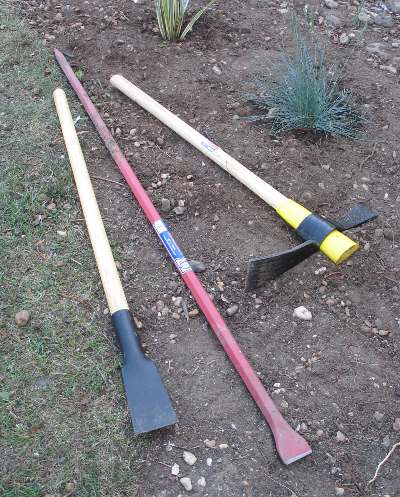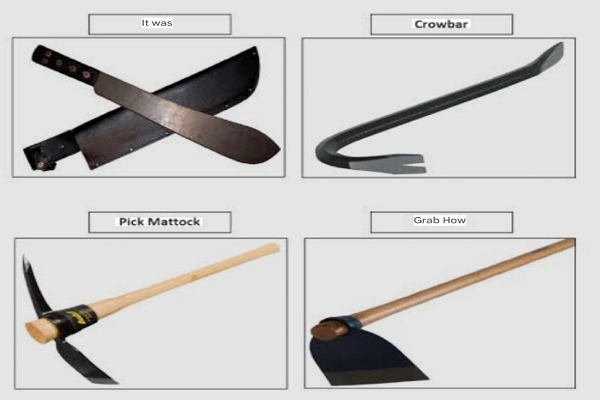
Common digging tools include shovels, spades, trowels, forks, mattocks, and augers.
If you want a clear list of digging tools names with pictures, you are in the right place. I work with these tools in real yards and job sites, and I know what actually works. In this guide, I break down each tool, when to use it, and how to pick the right one. You will see digging tools names with pictures explained in plain language, with tips you can use today.
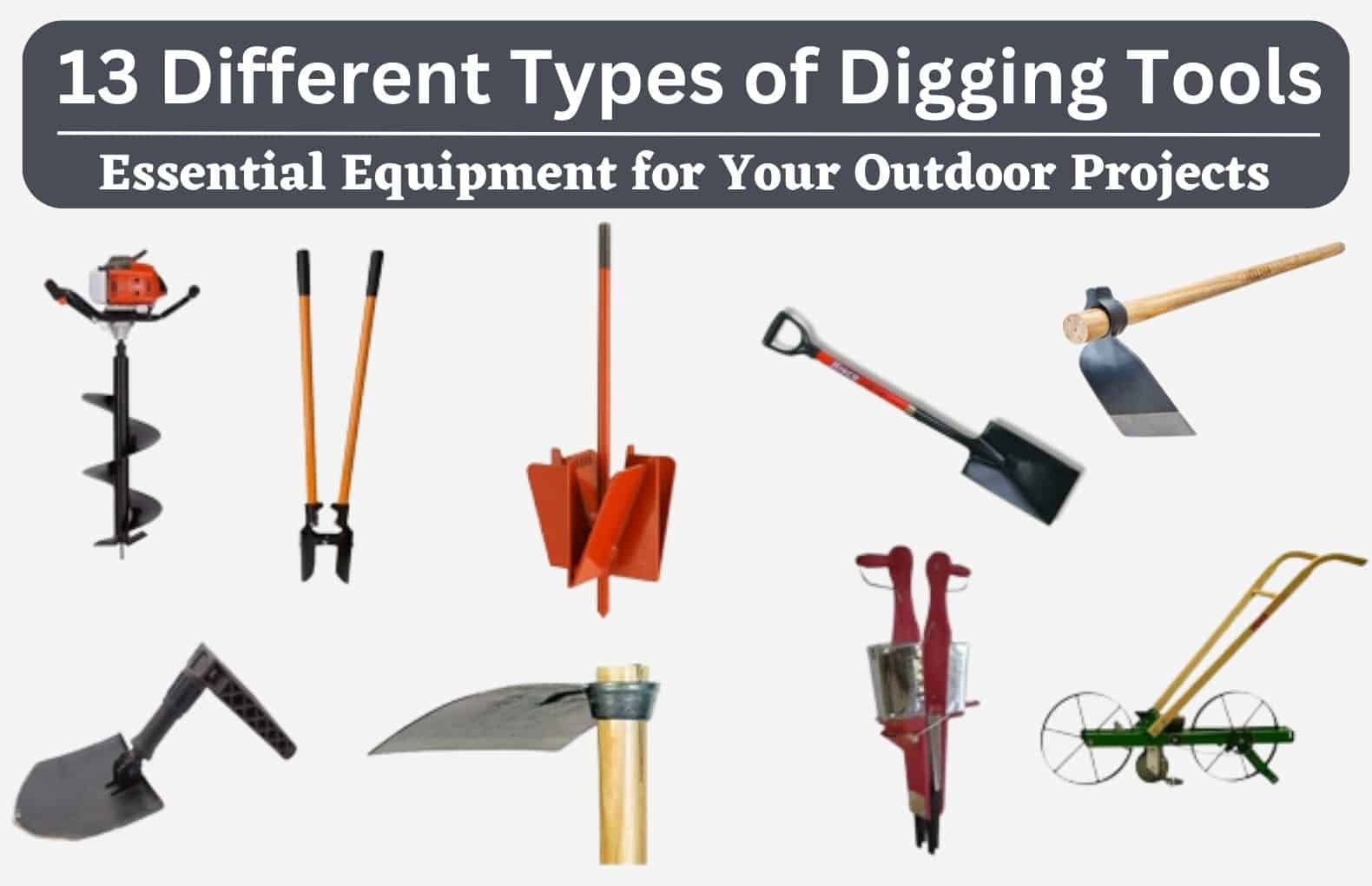
What counts as a digging tool?
A digging tool is any hand or power tool that helps you move soil, cut roots, or make a hole. The list includes shovels, spades, forks, bars, and augers. It also covers trenching and small hand tools. This guide maps the most common digging tools names with pictures so you can match your task to the right tool.
What makes a good digging tool? Strong steel, a handle that fits your grip, and a blade shaped for the job. Round-point blades pierce ground. Flat blades shape edges. Forks loosen soil without crushing it. I test these in clay, sand, and loam to see how they hold up.
Handle shape matters more than most people think. D-handles help you lift heavy soil. Straight handles give you reach and leverage. If you deal with roots, pick a tool with a sharpened edge or a cutting head. This is key when you compare digging tools names with pictures online and need to choose fast.
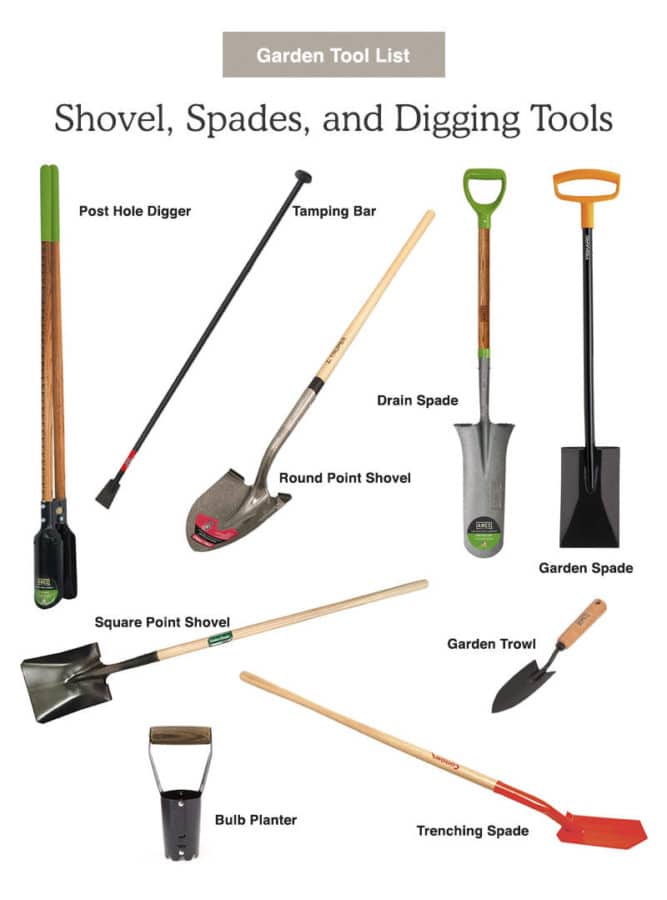
Essential digging tools for gardens and yards
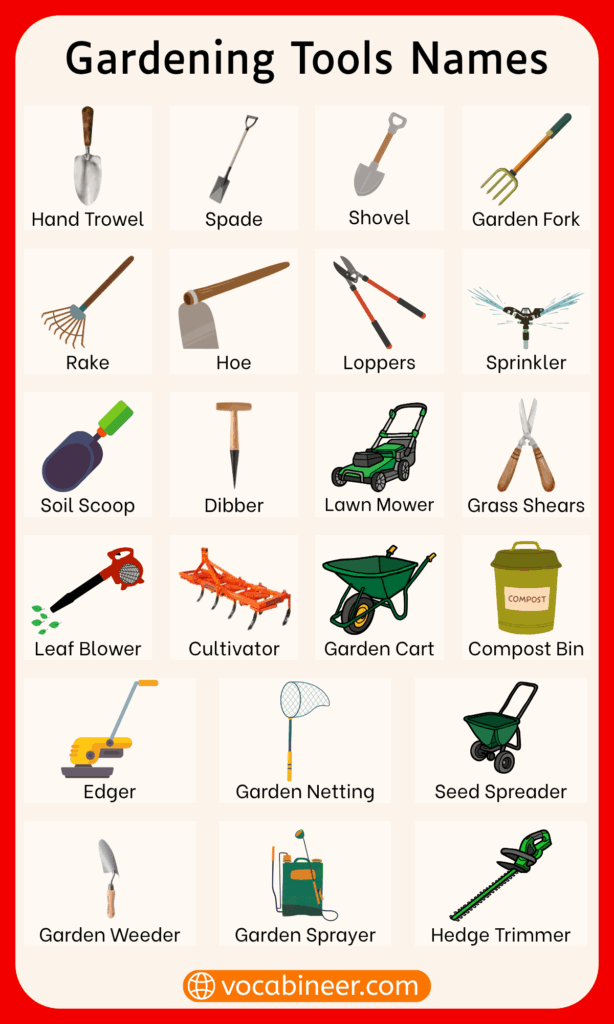
These are the first tools I grab for most jobs. If you are building a starter set, begin here. When people search for digging tools names with pictures, these core tools show up first for good reason.
Round-Point Shovel
- Best for: Breaking ground, moving soil, general digging.
- Why it works: The pointed tip pierces compacted dirt.
- Pro tip: Step on the top edge to drive the blade deeper.
Square Spade
- Best for: Clean edges, shifting sod, shaping beds.
- Why it works: A flat blade slices straight lines and lifts turf.
- Pro tip: Keep the edge sharp for crisp lawn borders.
Hand Trowel
- Best for: Small holes, pots, tight spots.
- Why it works: Short blade gives control near roots.
- Pro tip: Use a narrow trowel for transplants in crowded beds.
Garden Fork (Digging Fork)
- Best for: Loosening soil, lifting roots, compost turning.
- Why it works: Tines slide through soil without smearing layers.
- Pro tip: In clay, rock the fork to break clods without strain.
Hori-Hori Soil Knife
- Best for: Root cutting, small holes, weeding.
- Why it works: Serrated edge slices roots while you dig.
- Pro tip: Use depth marks to set bulb height right.
Dibber (Dibble)
- Best for: Planting seeds and bulbs at a set depth.
- Why it works: Makes quick, uniform holes.
- Pro tip: Mark your dibber for common depths you use often.
Heavy-duty digging tools for hard ground
If the soil is like brick or full of roots, reach for these. In fence jobs or in dry summers, these tools save the day. Many readers who look up digging tools names with pictures want to solve hard-ground problems fast.
Mattock
- Best for: Breaking compacted soil, cutting roots.
- Why it works: The adze blade chops and pries in one swing.
- Pro tip: Swing from the hips, not the back, to protect yourself.
Pickaxe
- Best for: Rocky ground, hardpan, gravel.
- Why it works: The pointed ends focus force into tough spots.
- Pro tip: Let the head’s weight do the work. Do not overgrip.
Pulaski
- Best for: Roots near stumps, fire line work.
- Why it works: Axe on one side, adze on the other.
- Pro tip: Use the axe for roots, then the adze to clear soil.
Digging Bar (San Angelo Bar)
- Best for: Breaking rock, prying, post hole cleanup.
- Why it works: Heavy, narrow tip applies force in a tight space.
- Pro tip: Leverage is your friend. Use the bar as a fulcrum.
Grub Hoe
- Best for: Weedy, rooty soil and shallow trench work.
- Why it works: Wide blade pulls and chops while you stand tall.
- Pro tip: Work in rows. Pull soil toward you in smooth passes.

Tools for deep holes and posts
When depth and clean sides matter, use tools made for holes. I learned this the hard way while building a fence. A shovel made a mess. The right tool made each hole fast and straight. Below are the most useful digging tools names with pictures for deep holes.
Post Hole Digger (Clamshell)
- Best for: Straight, narrow post holes.
- Why it works: Two scoops grab soil from a deep, tight shaft.
- Pro tip: Break soil first with a bar, then scoop with the digger.
Manual Earth Auger
- Best for: Deep, uniform holes with less effort.
- Why it works: The spiral pulls soil up as you turn.
- Pro tip: Clear the spiral often so it keeps biting cleanly.
Power Auger
- Best for: Many holes or tough ground.
- Why it works: Engine power drills fast and steady.
- Pro tip: Wear eye and ear protection and watch for buried lines.
Bulb Planter
- Best for: Quick, repeat bulb holes.
- Why it works: Core cutter makes consistent size and depth.
- Pro tip: In dense soil, twist as you pull to keep the plug intact.
Transplanting Spade
- Best for: Deep, narrow cuts around root balls.
- Why it works: Long, thin blade slices with minimal root damage.
- Pro tip: Wet the soil first for smoother, cleaner cuts.

Trenching and edging tools
Need a cable trench, a French drain, or a clean lawn edge? Use tools designed to shape lines. When you scan digging tools names with pictures for trench work, look for narrow blades and strong shafts.
Trenching Shovel
- Best for: Narrow trenches for cables or drip lines.
- Why it works: Long, slim blade digs deep with little width.
- Pro tip: Mark your target depth on the handle with tape.
Drain Spade
- Best for: Shallow trenches and transplanting.
- Why it works: Narrow, curved blade moves soil in tight lines.
- Pro tip: Ideal for digging along foundations without wide pits.
Half-Moon Edger
- Best for: Clean lawn edges and bed lines.
- Why it works: Semicircle blade stamps crisp borders.
- Pro tip: Edge after rain when soil cuts cleaner.
Trenching Hoe
- Best for: Pulling a precise trench by hand.
- Why it works: A flat blade slices and scoops in one motion.
- Pro tip: Keep passes shallow and repeat for control.

Precision hand tools and small jobs
Small spaces need nimble tools. These are the pocket players I keep close. For many shoppers comparing digging tools names with pictures, these hand tools solve daily tasks fast.
Folding Shovel (E-Tool)
- Best for: Camping, cars, and emergency use.
- Why it works: Packs small, unfolds to dig or trench.
- Pro tip: Choose a steel blade. Aluminum bends under load.
Transplanter Trowel
- Best for: Deep, narrow hole work in tight beds.
- Why it works: Slim blade protects nearby roots.
- Pro tip: Use the depth marks to set uniform planting.
Bulb Auger Drill Bit
- Best for: Many holes at the same size in soft soil.
- Why it works: Attaches to a drill and bores fast.
- Pro tip: Use a low gear and firm grip to prevent kickback.
Mini D-Handle Spade
- Best for: Confined spaces and raised beds.
- Why it works: Short handle gives control near obstacles.
- Pro tip: Great for lifting small root balls without damage.
Hand Mattock
- Best for: Root chopping in small areas.
- Why it works: Scaled-down head with real cutting power.
- Pro tip: Short swings, high control. Perfect under shrubs.
How to choose the right digging tool
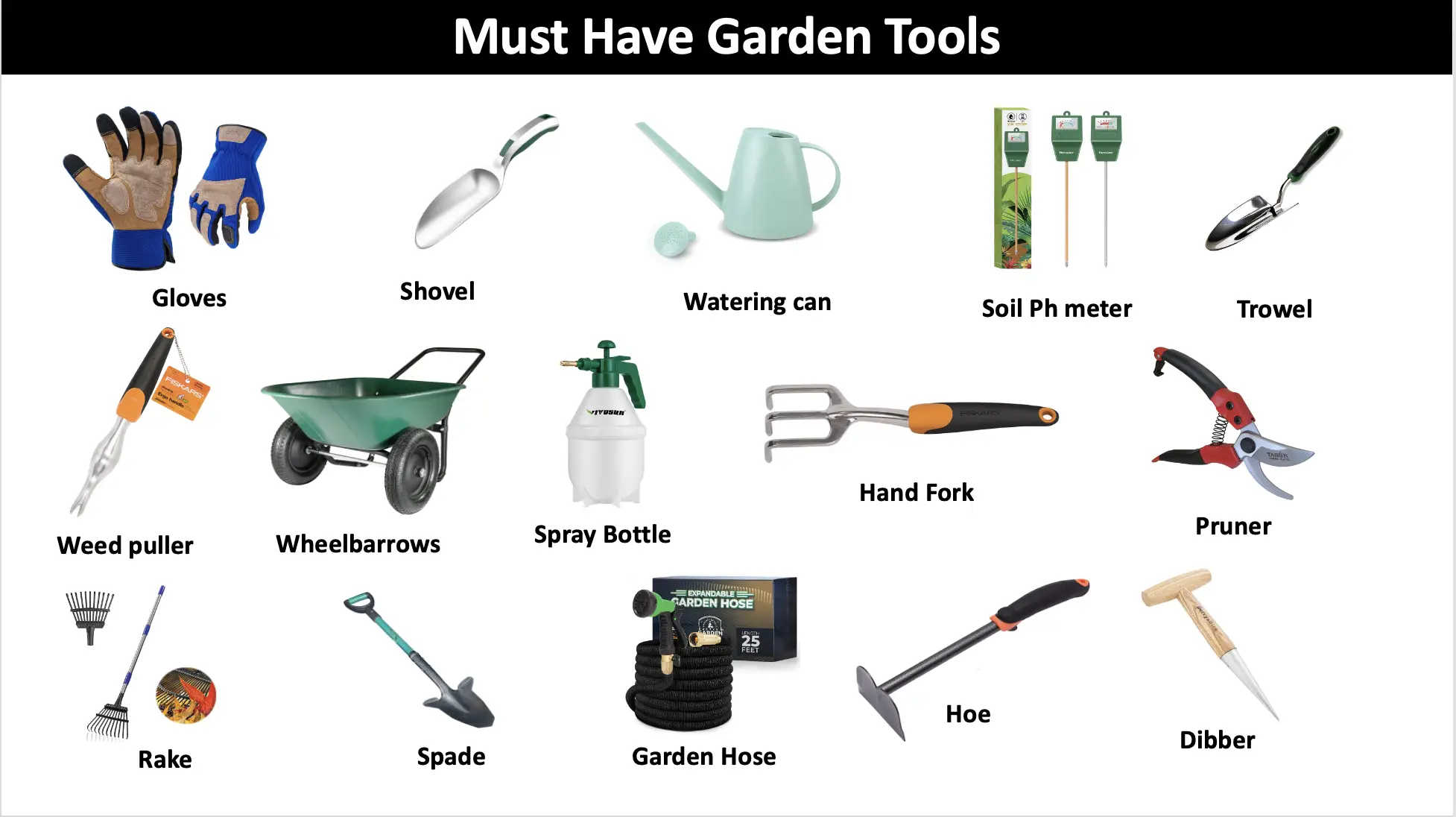
Start with your soil. Clay needs blades that cut and pry. Sand needs wider blades that hold soil. Rocky soil needs points and picks. When I guide clients through digging tools names with pictures, we always match the tool to soil first.
Next, match the job. Holes need augers or clamshell diggers. Edges need spades or edgers. Root work needs a mattock or soil knife. If you only buy one, get a round-point shovel and a good trowel. That pair covers most home tasks.
Check comfort. A D-handle helps with lift. A straight handle helps with reach. Fiberglass is light and strong. Wood feels good and is easy to replace. Steel handles are tough but heavy. When you compare digging tools names with pictures online, look for real dimensions and weight.
Price does not equal performance. I have mid-priced shovels that outlasted fancy models. Look at blade thickness, welds, and ferrule strength. A strong collar where the handle meets the head is key.

Safety, care, and maintenance
Good habits keep you safe and your tools ready. Wear boots, gloves, and eye protection. Warm up your back and shoulders. Plan your hole before you dig. Always call to check for buried lines if you dig deep.
Clean tools after each use. Knock off soil. Rinse and dry. Oil the steel to stop rust. Sharpen edges with a file. A few strokes make a big difference. Store tools off the ground. Protect handles from sun and rain.
A simple routine extends tool life. After a big job, I scrub blades, dry them, and wipe on light oil. I check handles for cracks. I tighten loose bolts. Do this and your set of digging tools names with pictures will stay useful for years.

Frequently Asked Questions of digging tools names with pictures
What is the difference between a shovel and a spade?
A shovel has a curved, pointed blade for digging and moving soil. A spade has a flat, straight edge for slicing, edging, and clean cuts.
Which tool is best for digging in clay?
Use a mattock to break the clay and a round-point shovel to remove it. A garden fork also helps loosen clay without smearing layers.
How do I choose the right post hole tool?
For a few holes, use a clamshell digger and a digging bar. For many holes or hard ground, a manual or power auger saves time.
Can I use a garden fork instead of a shovel?
Yes, for loosening soil or lifting roots. No, if you need to move loose soil or dig deep holes, a shovel works better.
How often should I sharpen digging tools?
Light touch-ups every few uses keep edges effective. File more after hitting rocks or cutting many roots.
Are fiberglass handles better than wood?
Fiberglass is strong, weatherproof, and low maintenance. Wood feels great and is repairable, but needs care to avoid cracks.
What size auger bit should I use for fence posts?
Pick a bit 2 to 4 inches wider than the post. This gives room for backfill and helps set the post straight.
Conclusion
You now have a clear map of digging tools names with pictures and what each tool does best. Start with a round-point shovel and a good trowel, then add a fork, a spade, and a mattock as your needs grow. Match tools to soil and task, and keep them sharp and clean.
Try one new tool on your next project and feel the difference in speed and comfort. If this guide helped, subscribe for more practical tool breakdowns, or leave a comment with your favorite digging tip.