Choose tools that match your tasks, fit your hands, and last years.
If you want a clear, friendly guide on how to choose gardening tools, you’re in the right place. I’ve tested hundreds of tools in home beds, orchards, and tight balconies. I’ll show you simple steps, pro tips, and small details that save time and money. Read on to learn how to choose gardening tools with confidence and buy gear you’ll love to use.

Start With Your Garden and Goals
The best plan for how to choose gardening tools starts with your space. A small patio garden needs light, compact gear. A big yard with trees needs stronger tools.
Write down your main tasks. Then match tools to those jobs. This way you avoid clutter and waste. It also keeps your hands happy and your budget safe.
Use this quick task map:
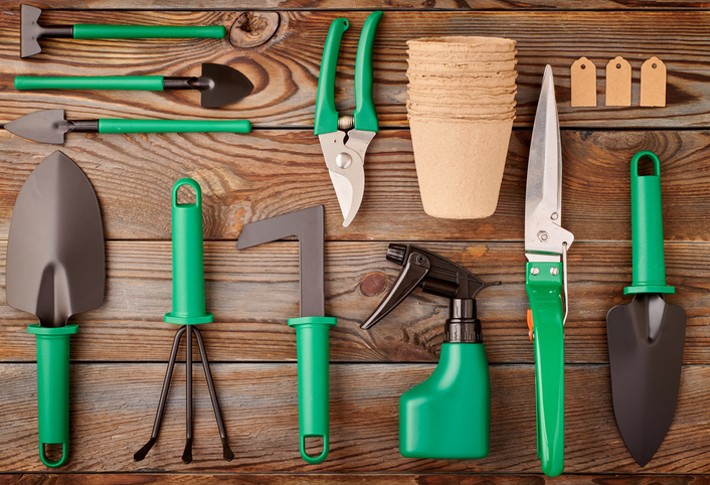
- Planting: trowel, transplanter, hand fork
- Weeding: stirrup hoe, hori-hori, hand weeder
- Pruning: bypass pruners, loppers, folding saw
- Soil work: shovel, spade, garden fork, rake
- Cleanup: leaf rake, tub, wheelbarrow
When people ask how to choose gardening tools, I suggest they start small. Buy tools for the jobs you do each week. Add more only when you need them.

Hand Tools: What to Look For
Hand tools get used the most. This is where comfort and build quality matter. If you want to know how to choose gardening tools that feel right, start here.
Pruners
Pick bypass pruners for live stems. Choose anvil only for dead wood. Look for a clean cut, a sap groove, and easy lock. Many good models list a cut size, like 0.75 inches. That rating helps.
Trowel and Transplanter
A strong, one-piece blade will not bend. A narrow transplanter with depth marks helps with seedlings. A scoop-shape trowel moves soil fast.
Hori-Hori or Hand Weeder
A hori-hori cuts roots, weeds, and sod. A narrow, forked weeder pops taproots clean. Try both and see what fits your soil.
Hand Cultivator
Three tines loosen crust and mix compost. It saves your wrists and helps water sink in.
Folding Saw
A sharp pull-stroke saw is safe and fast. Use it for thick branches a pruner cannot handle.

Long-Handled Tools: Shovels, Rakes, and Hoes
Long tools protect your back. This is the next step in how to choose gardening tools that last.
Shovel vs Spade
A round-point shovel digs and moves soil. A straight-edge spade cuts edges and slices roots. If you do edging or transplant shrubs, get both.
Garden Fork
Use a fork to loosen soil and lift roots. It is kinder to soil life than heavy tillers.
Rakes
A bow rake levels soil and spreads mulch. A leaf rake gathers leaves without damage. Both earn their keep.
Hoes
A stirrup hoe cuts weeds under the surface with less effort. A shuffle motion is all you need. For tight rows, a collinear hoe slides close to stems.
Power Tools: When They Make Sense
Power tools save time in big spaces. They can also wear you out if they are heavy or loud. Think tasks first, then pick a tool.
A string trimmer keeps edges neat. A cordless hedge trimmer shapes shrubs fast. A small cordless chainsaw handles pruning up to moderate limbs. For most yards, 18–20V battery gear is enough. When you ask how to choose gardening tools with motors, favor brands with battery systems you can share across tools.
Check weight, noise, and run time. Brushless motors last longer and need less care. Keep chain oil and sharp blades on hand.

Materials and Build Quality
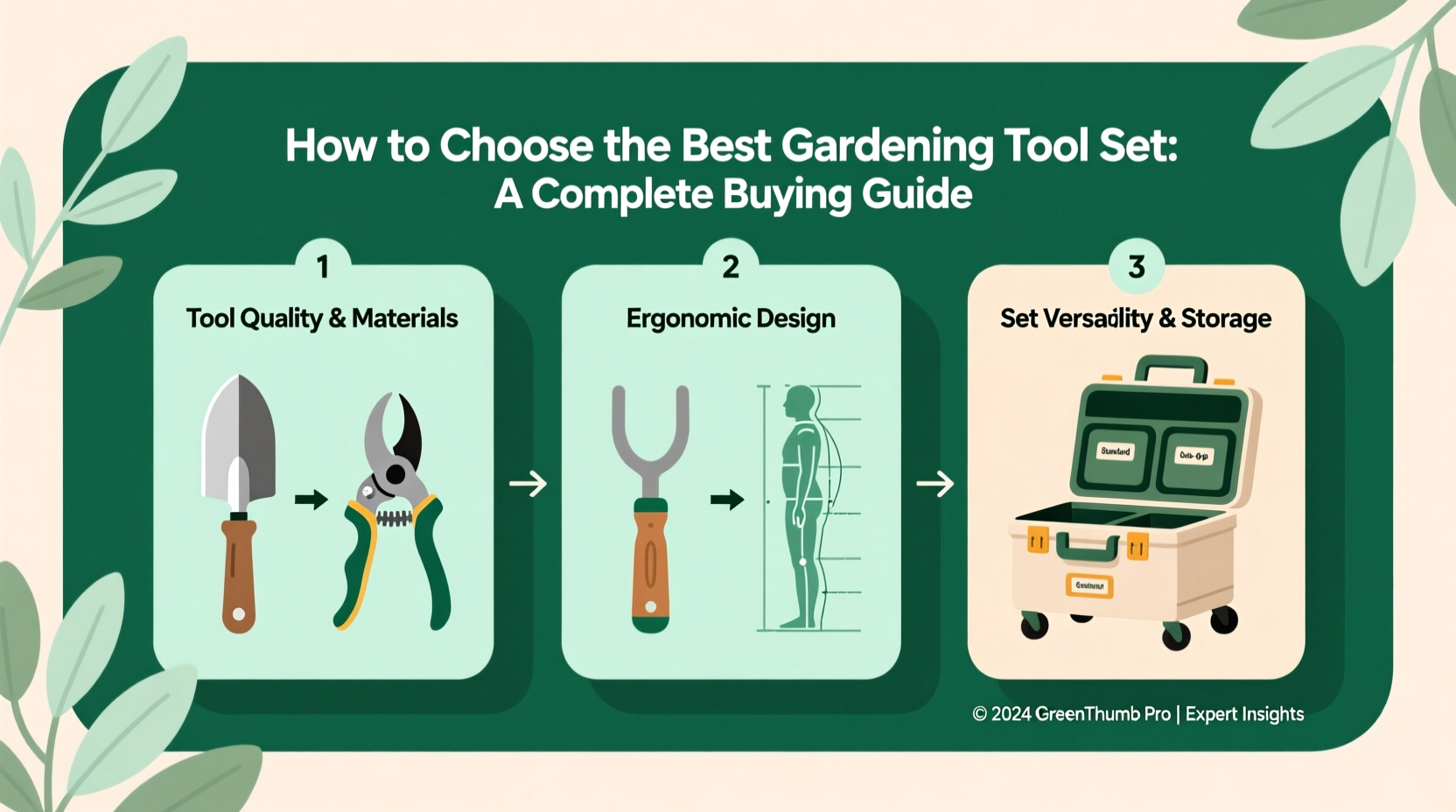
Good materials make work easy. They also cut the risk of breaks and slips. This is a key layer in how to choose gardening tools.
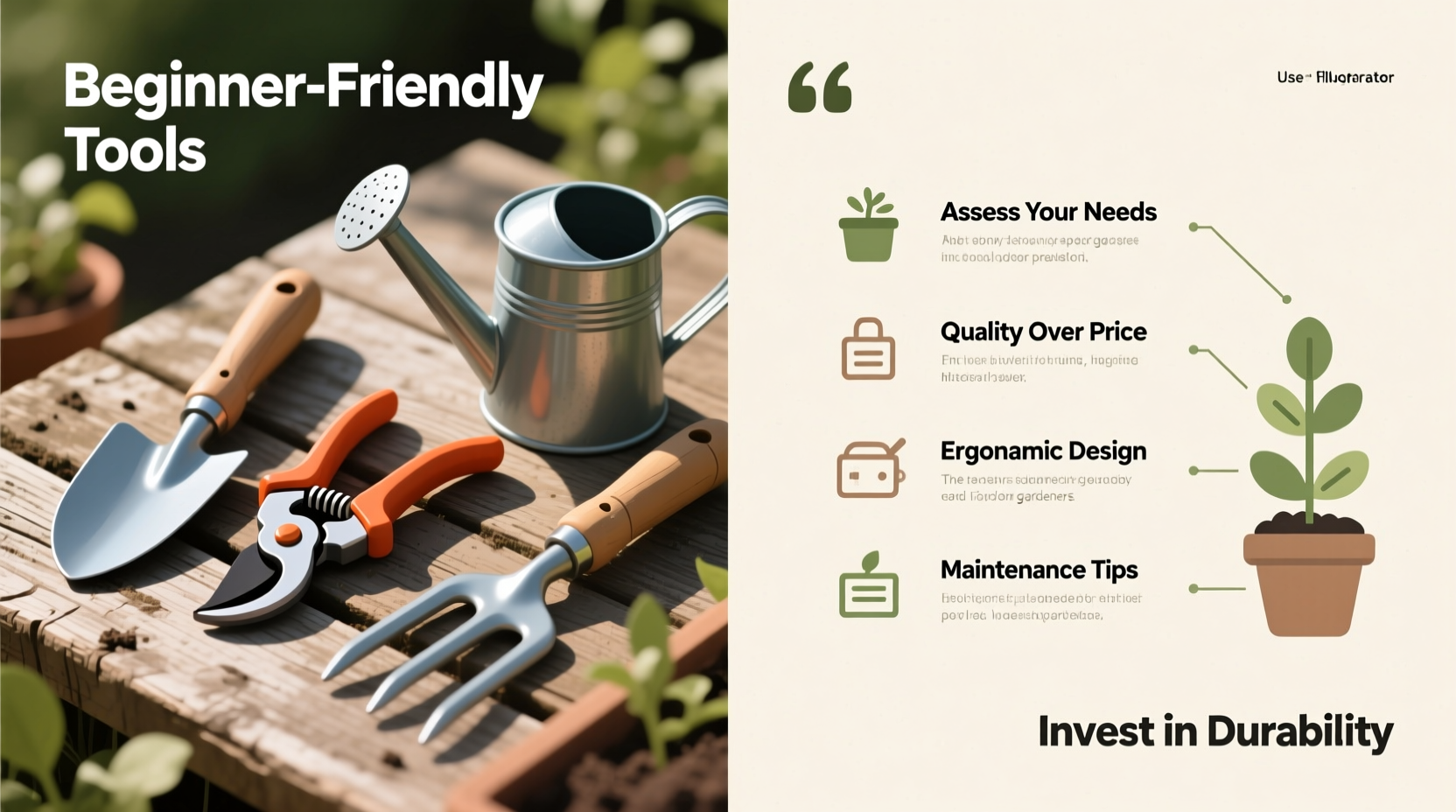
- Steel: High-carbon steel takes a sharp edge and holds it. Stainless resists rust and is easy to clean. Many pros like carbon steel for cutting tools.
- Handles: Ash and hickory are strong, light, and flex a bit. Fiberglass resists rot and is low care. Metal shafts add weight and can be cold.
- Ferrules and Rivets: Look for solid joints where blade meets handle. Loose joints cause breaks.
- Finish: Powder coat and polished steel shed soil. That means less stick and easier cleanups.
A quick test: press the blade on firm soil in-store (with help). If it flexes a lot, skip it.
Ergonomics: Fit Your Hands and Body
Comfort matters more than you think. The best advice on how to choose gardening tools is to fit the tool to you.
Pick grips that match your hand size. Smaller hands need shorter span pruners. A soft, non-slip grip helps when wet. Tools should feel balanced. If the head drags or twists your wrist, choose another.
Try to keep your wrist straight as you work. D-shaped or offset handles help. If you are left-handed, check for true left-hand models in pruners and shears.

Try Before You Buy and Buy Smart
Hold the tool. Make a few motions like you would at home. If a store has demo soil or branches, test there. This step alone can decide how to choose gardening tools that you will love.
Compare warranty terms. Good brands back their tools with strong support. Read return policies. That way you can swap a tool that hurts your hands.
Watch for bundle deals with batteries if you go cordless. A shared battery platform saves money over time.
Care, Sharpening, and Storage
A well cared-for tool works better and lasts longer. This also keeps you safe. It is part of how to choose gardening tools you can keep for years.
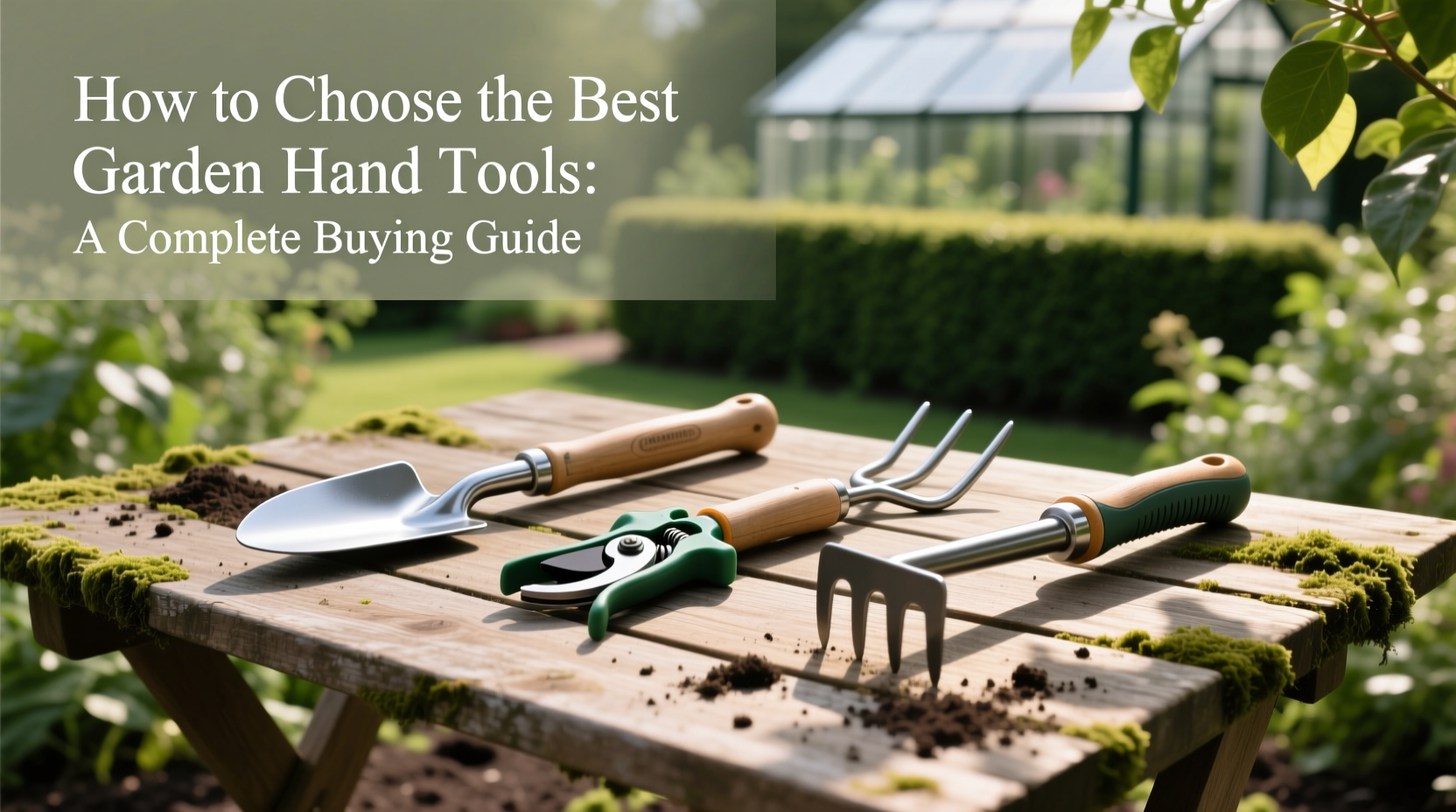
Clean blades after each use. A quick wipe and dry is enough most days. Use alcohol to stop disease spread on pruners. Sharpen edges at a steady angle. Light oil stops rust. Hang tools off the floor so handles stay dry and straight.
Make a simple kit:
- Hand file or diamond stone
- Lubricant and light oil
- Brush and rag
- Spare springs and screws for pruners

Safety, Sustainability, and Value
Good safety is smart and kind. Gloves, eye protection, and steady shoes help a lot. Keep blades sharp to reduce force and slips.
Choose tools you can repair. Replace a handle instead of the whole tool. Look for FSC-certified wood or recycled steel where you can. This is a mindful way to think about how to choose gardening tools and lessen waste.
Buy once, cry once is true for core tools. Spend more on pruners, shovels, and hoes you use each week. Save on niche tools you use once a season.
Tool Sets vs Individual Tools
Sets can be a deal, but check each piece. A set is only as good as its worst tool. If one item is weak, skip the set.
For most people, singles win. Build your kit around the jobs you do most. This steady path is a smart way to plan how to choose gardening tools without overspending.
Real-World Starter Kit (By Garden Type)
Here is a simple plan I use when friends ask me how to choose gardening tools for their space.
Small patio or balcony:
- Bypass pruners
- Trowel or transplanter
- Hand fork or cultivator
- Compact folding saw
Typical suburban yard:
- Bypass pruners and loppers
- Shovel and square spade
- Bow rake and leaf rake
- Stirrup hoe
- Garden fork
- Cordless string trimmer
Large lot or mini orchard:
- Heavy-duty pruners, loppers, and folding saw
- D-handle shovel, spade, and fork
- Broad hoe and stirrup hoe
- Sturdy wheelbarrow or garden cart
- Cordless hedge trimmer and small chainsaw
Money-Saving Buying Checklist
Use this quick list each time you shop. It keeps your plan clear and helps you decide how to choose gardening tools with less stress.
- Does this tool solve a job I do often?
- Does it fit my hand and height?
- Is the build solid at blade and handle joint?
- Can I sharpen or repair it?
- Is the warranty strong and clear?
- Do I already have a tool that does this job?
Frequently Asked Questions of how to choose gardening tools
What is the first tool I should buy?
Start with a sharp pair of bypass pruners. You will use them weekly for cuts, harvests, and quick fixes.
Are stainless or carbon steel tools better?
Carbon steel holds an edge longer. Stainless resists rust and is easier to clean; it is great in wet areas.
How do I pick the right shovel length?
Stand the shovel next to you. The handle top near your hip bone is a good fit for most people.
Are cordless tools worth it for small yards?
Yes, if you pick light models with shared batteries. They start fast, need little care, and cut noise.
How often should I sharpen garden tools?
Light touch-ups after a few uses keep edges keen. Do a deeper sharpen at the start and end of each season.
Conclusion
You now know how to choose gardening tools that match your space, your tasks, and your body. Focus on fit, build, and the few jobs you do most. Care for your tools, and they will care for you.
Pick one upgrade this week and try it in your garden. Small, smart choices add up fast. Want more tips like this? Subscribe, share your favorite tools in the comments, and let’s grow better, together.