To get more pressure from a garden hose, reduce length, increase diameter, fix leaks, and add a quality nozzle.
If you want how to get more pressure from garden hose, you’re in the right place. I’ve spent years troubleshooting low-pressure hoses for home gardens and job sites. In this guide, I’ll show you what actually works, why it works, and how to do it safely. You’ll learn simple steps, pro tools, and a few secrets that can turn a weak trickle into a strong, useful stream.
Why your hose “loses” pressure: the basics
Before you fix how to get more pressure from garden hose, it helps to know where it goes. In simple terms, pressure is the push, and flow is the amount of water. Every foot of hose, every kink, and every small fitting steals some of that push.
Key points in plain language:
- Household pressure is often 40–60 psi. That is set by your water system or pressure regulator.
- Long, narrow hoses add friction. Friction turns pressure into heat and slows flow.
- Nozzles don’t create pressure in the line. They convert available pressure into a focused jet by narrowing the opening.
- Going uphill costs pressure (about 0.43 psi per foot of rise). Going downhill adds a little.
If you want how to get more pressure from garden hose, you either reduce losses or raise the source pressure. Most wins come from reducing losses first.

Quick diagnostic checklist
Use this 10-minute checklist to track down why pressure feels low and how to get more pressure from garden hose today.
- Time your flow. Fill a 5-gallon bucket from the spigot with no hose. Under 30 seconds is strong. Over 45 seconds is weak.
- Add the hose back. If the fill time gets much slower, the hose is part of the problem.
- Check for kinks, tight coils, and crushed spots. Straighten and test again.
- Inspect washers and fittings. Replace cracked or flat washers. Hand-tighten, then a quarter turn more.
- Remove extra attachments. Splitters, filters, timers, and quick-connects can restrict flow.
- Try a shorter hose or a wider one (3/4 inch). Compare performance.
- Note elevation. If you’re watering uphill, move the supply closer or lower the hose route.
If your bare spigot is weak, the issue is your water supply or a valve setting.
Start at the source: measure and fix supply issues
If you want how to get more pressure from garden hose, confirm the source pressure first. You cannot get more than the system can give.
- Measure pressure at the hose bib. Use a simple screw-on gauge. Check while water is running and when it’s off.
- Compare to a healthy range. Most homes run 40–60 psi; many codes cap at 80 psi to protect plumbing.
- Adjust the pressure-reducing valve (PRV) if you have one. A small clockwise turn raises pressure. Move in small steps. Stop if you approach 75 psi.
- Make sure all upstream valves are fully open. Partially closed main or branch valves often mimic low pressure.
Personal note: I’ve found half-closed gate valves after renovations more times than I can count. Opening them fixed “low pressure” in minutes.

Choose the right hose: shorter and wider wins
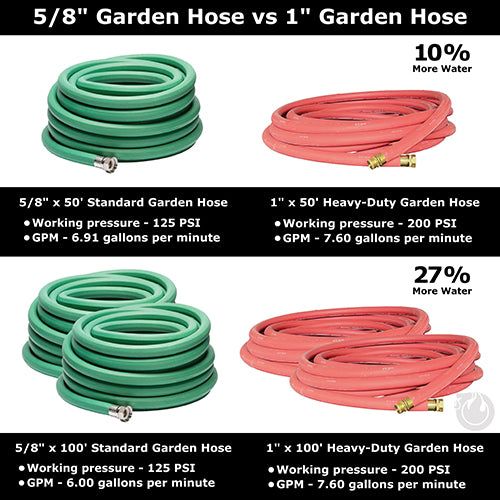
One of the easiest ways to solve how to get more pressure from garden hose is to reduce friction. Length and diameter matter a lot.
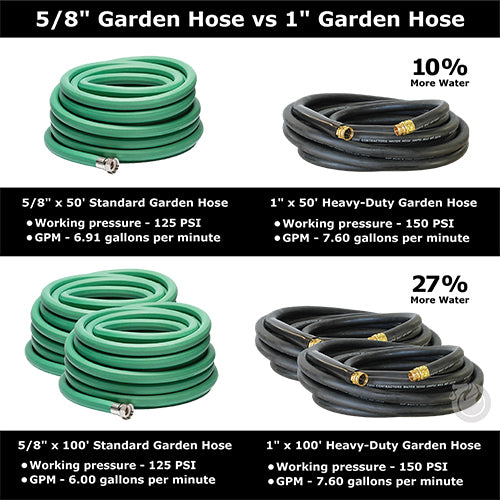
- Use the shortest hose that reaches your task. Every 50 feet can cost several psi, especially on 5/8 inch hoses.
- Step up in size. A 3/4 inch hose can carry more water with less pressure loss than a 1/2 or 5/8 inch hose.
- Avoid coiled or “pocket” hoses for heavy flow. They’re handy, but many restrict volume and kink.
Simple example: On a long run, switching from a 5/8 inch, 100-foot hose to a 3/4 inch, 50-foot hose can feel like installing a new faucet.
Stop the leaks and bottlenecks
To improve how to get more pressure from garden hose, fix the small stuff that steals power.
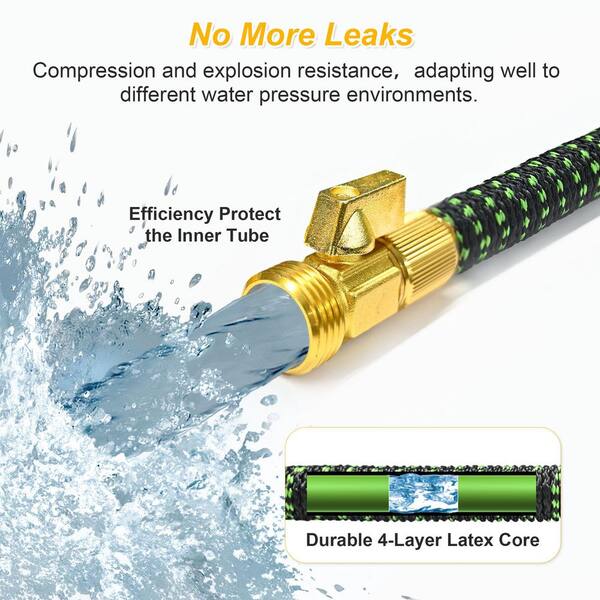
- Replace worn washers and O-rings. Drips are lost pressure and wasted water.
- Use high-flow fittings. Some quick-connects and Y-splitters have small internal openings. Choose full-port versions.
- Ditch sharp bends. Route hoses in wide curves. Use hose guides around corners.
- Keep the hose flat and straight when in use. Don’t leave it coiled on the reel while running water.
Pro tip: Brass full-flow fittings often beat plastic on internal diameter and durability.
Use the right nozzle and attachments
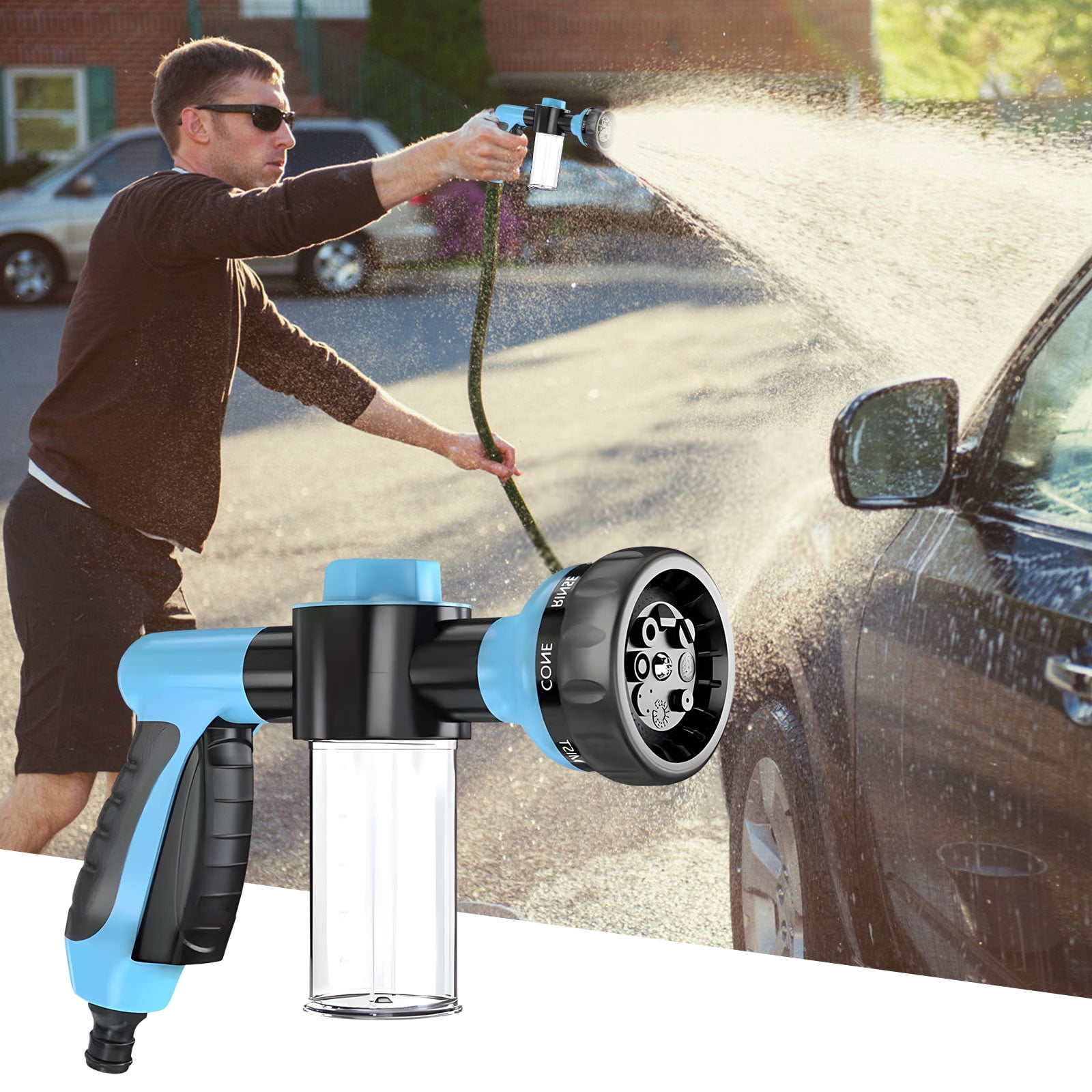
If you’re focused on how to get more pressure from garden hose, a good nozzle turns decent pressure into a powerful, useful jet.
- Choose a jet-sweep or fireman-style nozzle. These handle higher flow and produce a strong, controlled stream.
- Avoid multi-pattern heads for tough jobs. Many have small internal parts that limit flow.
- Use an inline shutoff valve at the end. It preserves pressure and makes control easy without walking back to the spigot.
- For sprinklers, pick low-pressure, high-flow models. High-pressure sprinklers can disappoint on typical home systems.
Remember: A nozzle increases exit velocity, not the system pressure. Better flow in means better performance out.

Optimize layout, elevation, and demand
Small layout tweaks can solve how to get more pressure from garden hose without buying new gear.
- Reduce elevation gains. If you must go uphill, move the water source closer to the work area.
- Avoid running multiple hoses or sprinklers at once. Each open line divides flow and drops pressure.
- Water during off-peak hours. Early morning often has higher municipal pressure and fewer household demands.
- Keep runs direct. Fewer fittings and turns mean less friction.
Analogy: Think of water like traffic. The more lanes and the fewer exits, the faster it moves.
Filter and maintain for steady flow
Grit and scale can choke fittings and reduce pressure. This is a silent culprit in how to get more pressure from garden hose.
- Clean hose-end and spigot screens. Sediment collects fast, especially after main breaks or well work.
- Flush the hose. Disconnect the nozzle and run water to clear debris.
- Use a high-flow inline filter if you have well water or gritty city water. Pick a filter with a large surface area.
- Descale removable parts if you see white crust. A quick vinegar soak helps.
I’ve restored “dead” nozzles by soaking and brushing out scale. It feels like magic, but it’s just maintenance.

When to add a booster pump or tank
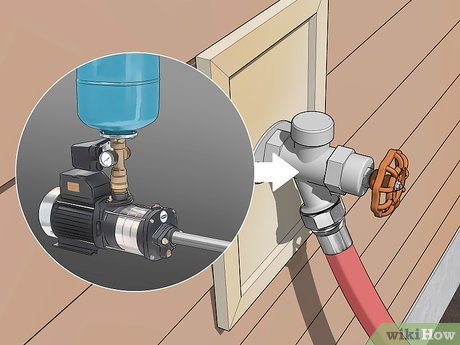
Sometimes the only way to fix how to get more pressure from garden hose is to raise supply pressure. This is common on wells or in low-pressure neighborhoods.
- Install a small booster pump with a pressure switch. These can add 20–40 psi to your line.
- Pair with a pressure tank. It smooths starts and stops, extends pump life, and holds reserve flow.
- Size the system to your needs. For one strong hose, a compact booster is enough.
- Respect system limits. Keep total pressure under the safe limit for your plumbing and hose rating.
According to plumbing best practices, keeping home systems under 80 psi protects fixtures and hoses from damage.
Safety, limits, and best practices
Safety matters when you work on how to get more pressure from garden hose. A small mistake can cause a big leak.
- Check hose max ratings. Many garden hoses are safe up to 80–100 psi, but verify the label.
- Keep a backflow preventer at the spigot. It protects your drinking water.
- Don’t cap or block the hose to “build pressure.” That stresses the system and can cause bursts.
- Secure the hose before opening a strong nozzle. High-velocity jets can whip.
If you’re unsure about a PRV, main valve, or booster pump, call a licensed plumber. It’s cheaper than a flood.
Real-world examples and lessons learned
Here are quick wins I’ve used to solve how to get more pressure from garden hose in the field.
- The renovation fix. Pressure was weak after a kitchen remodel. The main gate valve was only half open. Turning it fully open solved it on the spot.
- The hose swap. A 100-foot, 5/8 inch hose watered a new sod lawn poorly. Switching to a 50-foot, 3/4 inch hose doubled flow and improved coverage.
- The nozzle upgrade. A multi-pattern sprayer failed to clean a driveway. A jet-sweep nozzle made the same job easy with the same water.
- The booster solution. A home at the top of a hill had 35 psi at peak hours. A small booster pump and tank raised it to 55 psi. The hose finally did what it should.
Mistakes to avoid:
- Running two sprinklers on a long hose chain.
- Ignoring worn washers and gritty screens.
- Expecting a nozzle alone to fix low source pressure.
Frequently Asked Questions of how to get more pressure from garden hose
Does a smaller nozzle increase pressure?
A smaller nozzle increases water speed at the tip, not the actual system pressure. It can improve cleaning power if your source pressure and flow are adequate.
Will a 3/4 inch hose help more than a 5/8 inch hose?
Yes, a 3/4 inch hose reduces friction loss and keeps more pressure at the end. It is a strong upgrade for long runs or high-flow tasks.
How can I test my water pressure at the spigot?
Screw on a hose-bib pressure gauge and read it with water off and on. Aim for about 50–60 psi for strong hose performance.
Can I adjust my home’s pressure to get a stronger hose stream?
If you have a PRV, you can adjust it slightly to raise pressure. Stay within safe limits and consider a plumber if you’re unsure.
Do hose quick-connects reduce pressure?
Some do, especially narrow or low-cost versions. Choose full-flow quick-connects to avoid creating a bottleneck.
What if I have well water with grit?
Use a high-flow sediment filter and flush the hose often. Grit can clog screens, nozzles, and fittings, which cuts pressure.
Will a booster pump damage my hose?
Not if it’s sized well and pressure stays under the hose’s rating. Use a gauge and a pressure switch to control it.
Conclusion
Getting a stronger, more useful stream from your hose is simple when you follow a plan. Start at the source, fix the small leaks, shorten and widen the hose, and choose the right nozzle. If your supply pressure is low, a careful PRV tweak or a small booster can make all the difference.
Put one or two tips to work today and test again. You’ll feel the change right away. If you found this guide helpful, subscribe for more outdoor DIY tips, or drop a comment with your own wins and questions.