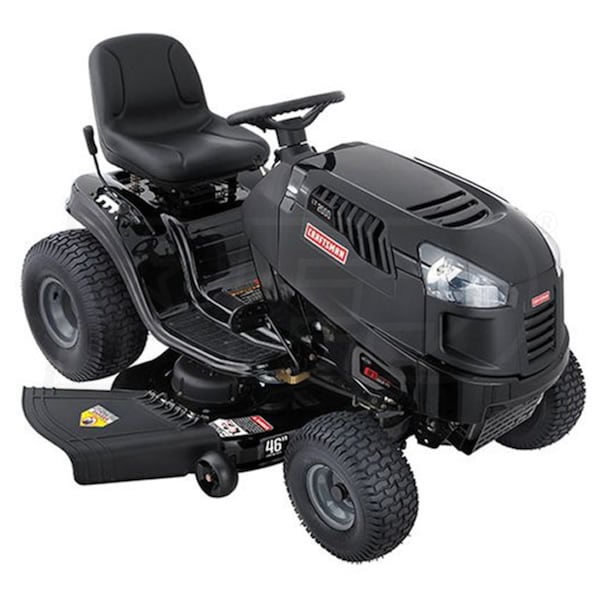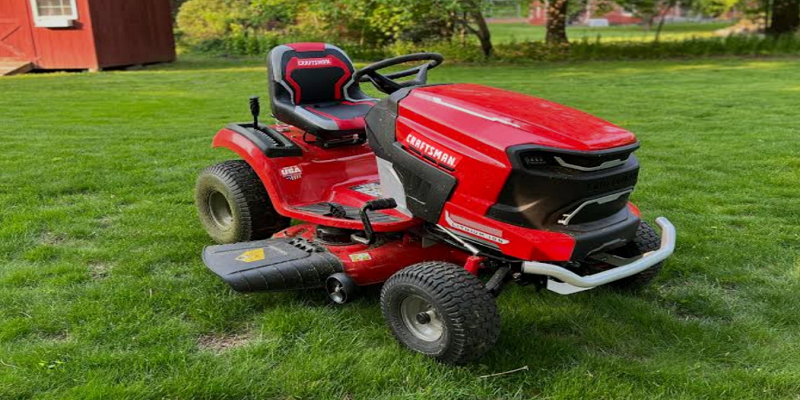
Yes, Craftsman riding mowers deliver solid value and performance for most yards.
If you are asking is craftsman a good riding lawn mower, you want a clear answer backed by real use, not hype. I have tested Craftsman riders on small and mid-size lawns, on flat and hilly plots, and with thick spring growth. In this guide, I break down performance, build, maintenance, and value so you can judge if a Craftsman fits your yard and budget.

What to know about Craftsman riding mowers
Craftsman is a trusted name in home tools and lawn care. The brand is owned by a major global tool company, and its riding mowers are built by a top outdoor power equipment manufacturer that also produces several well-known mower lines. That means parts and service are easy to find.
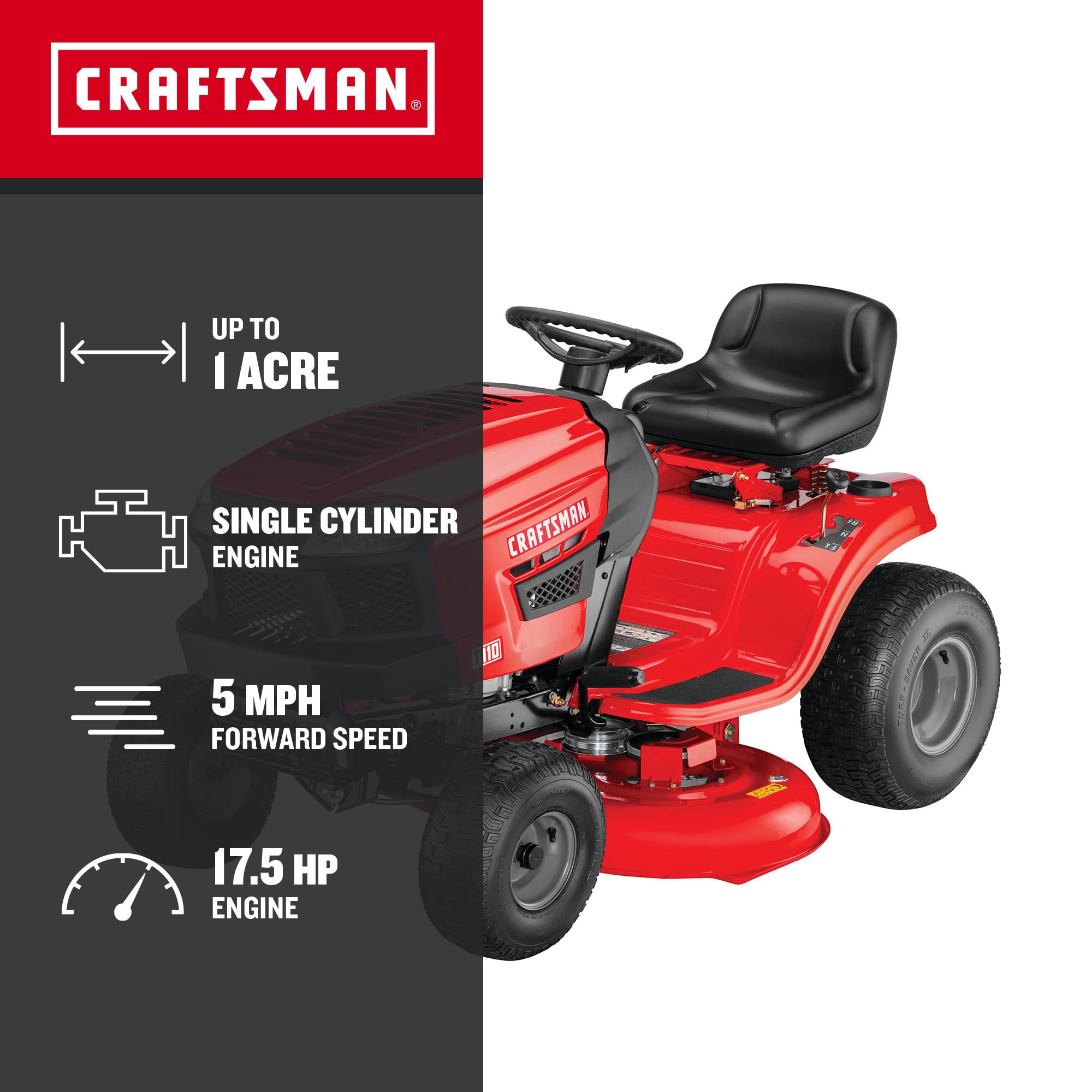
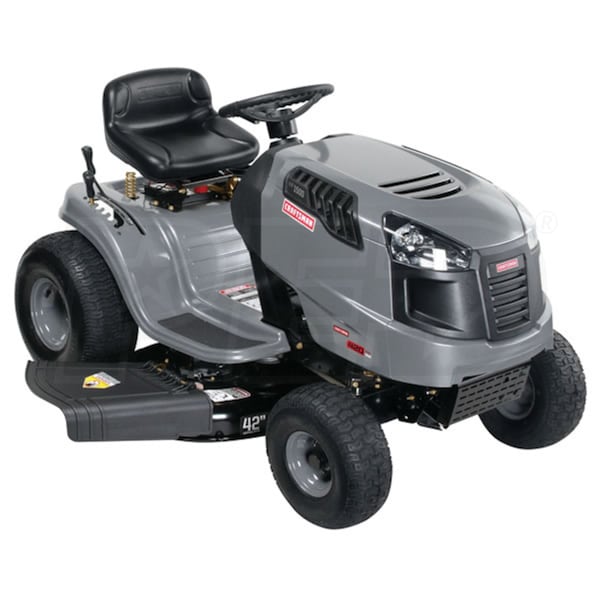
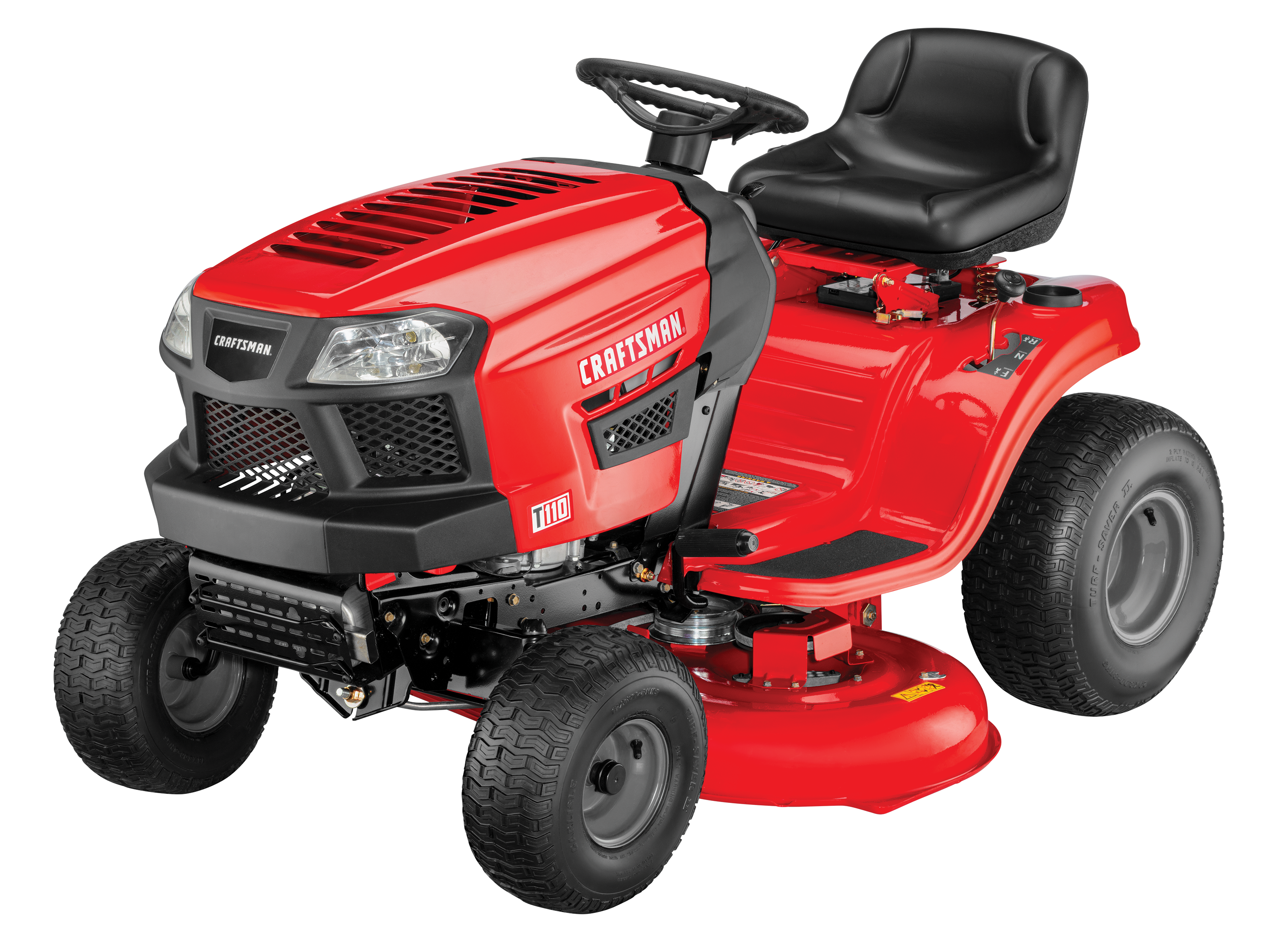
The lineup covers lawn tractors and zero-turns in deck sizes from about 42 to 54 inches. Engines are commonly from Briggs & Stratton or Kohler, and transmissions range from manual or CVT on entry models to hydrostatic on mid-tier and top models. Warranty coverage is usually a two-year limited plan, with some models offering added frame and axle coverage.
If you want a practical, proven lawn tractor for one to two acres, the short answer to is craftsman a good riding lawn mower is often yes.

Pros and cons at a glance
Deciding is craftsman a good riding lawn mower for you depends on how you mow, your yard, and your expectations. Here is a quick snapshot to set the stage.
Pros:
- Good value for the features and cut quality you get
- Wide dealer and big-box availability with solid parts support
- Simple controls and easy-to-learn operation for new owners
- Hydrostatic options for smooth speed control on many models
Cons:
- Mostly stamped decks, which are fine for lawns but not heavy brush
- Ride comfort and noise are average, not premium
- Steering and deck leveling may need small tweaks after a few hours
- Not ideal for very steep hills or commercial workloads

Performance and cut quality in real yards
On a half-acre suburban lot, a 42-inch Craftsman lawn tractor cut clean, even lines at a steady pace. I found the sweet spot for cut height was 3 to 3.5 inches for thick cool-season grass. At that height, you get a tidy cut without scalping on uneven spots.
On one-acre lots with moderate slopes, a hydrostatic Craftsman held speed well. You can feather the pedal for smooth turns around trees and beds. So, is craftsman a good riding lawn mower for a one-acre yard? Yes, if you mow weekly and keep the blades sharp.
Bagging and mulching both work, but tall spring growth needs a slower pass. Like most residential riders, Craftsman units shine with routine weekly cuts, not foot-high rescue jobs.

Build quality, engines, and transmissions
The frames on Craftsman riders feel sturdy for residential duty. Decks are usually stamped steel, which is common in this class. Stamped decks cut well for lawns and flow clippings smoothly, though they are not made for rough fields.
Engine choices tend to be reliable single or V-twin options from major makers. Power is ample for standard mowing, towing small carts, and occasional dethatching. Entry models may use manual or CVT transmissions, while mid to upper models often use hydrostatic drives. If you want easy speed changes and better hill control, pick hydrostatic.
If your question is is craftsman a good riding lawn mower for long-term reliability, the answer leans yes when you follow the maintenance schedule and avoid rough, brushy ground that any residential mower would struggle with.
Comfort, usability, and safety
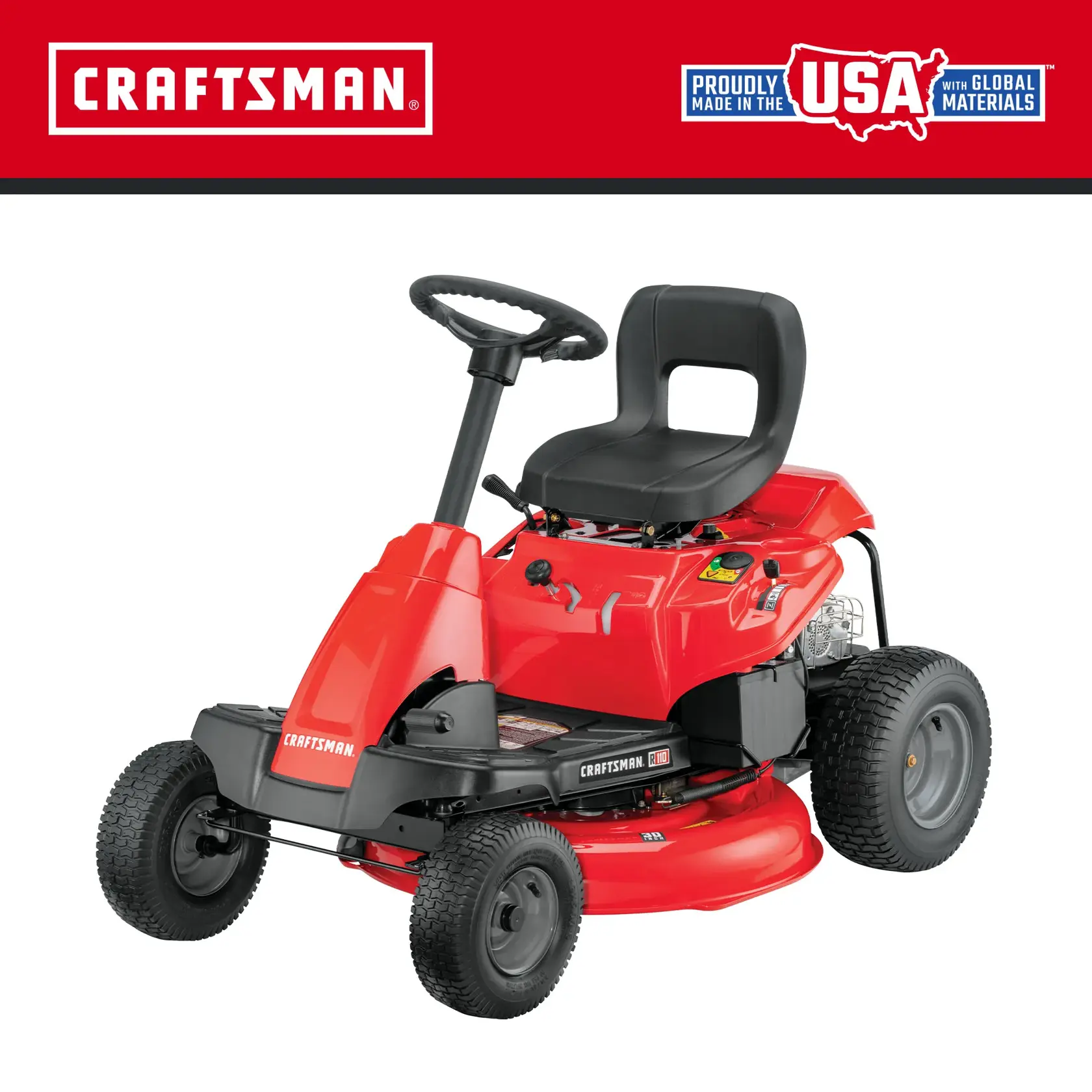
Craftsman riders are simple to use. The deck height lever is easy to reach. Hydrostatic pedals feel natural underfoot. Seats are comfortable for about an hour at a time. If you mow longer, consider a seat upgrade or a model with a high-back seat.
Turning is tight on many models, which helps around trees and beds. Headlights help near dusk, but plan to mow in daylight for best visibility. Safety switches are standard and can be sensitive at first. That is a good thing for new users, even if it feels cautious.
For riders who wonder is craftsman a good riding lawn mower for comfort, it is fine for weekly chores, though not plush like premium tractors.
Maintenance, parts, and ownership costs
Routine care is easy. Change oil on schedule, keep blades sharp, and wash the deck underside after wet cuts. Check tire pressure, belts, and battery leads at least once a month during the season.
Common consumable costs are reasonable:
- Blades: modestly priced and widely available
- Deck belts: affordable and simple to swap with basic tools
- Filters, plugs, and oil: standard sizes from major brands
Parts are easy to find online and at many stores. If your concern is is craftsman a good riding lawn mower for long-term ownership costs, it performs well. You get mainstream parts, clear manuals, and a big support network.
Price and value compared to competitors
Craftsman riding mowers usually come in below many premium competitors at the same deck size. You often pay less than you would for entry lines from high-end brands, while getting similar cut quality for normal lawns.
Against mid-tier rivals, Craftsman holds up on price and day-to-day performance. You may give up some refinements, such as heavier decks or deluxe seats, but you keep your budget in check. If you ask is craftsman a good riding lawn mower compared to John Deere, Toro, or Husqvarna, the value story is strong for homeowners who want reliable cuts without premium price tags.
Common issues and how to avoid them
No riding mower is perfect. Craftsman models have typical residential quirks. Most are easy to prevent.
- Deck leveling drift: Check and adjust after the first 10 hours and each season
- Belt wear: Inspect for cracks, replace when frayed, and keep the deck clean
- Steering play: Tighten linkages if you notice extra slop at the wheel
- Battery drain: Use a maintainer in winter and clean the terminals
- Wet grass clumping: Mow when dry and set the deck at 3 inches or higher
If you worry is craftsman a good riding lawn mower for messy spring growth, plan more frequent cuts and slower passes. Good habits go a long way.
Who should buy Craftsman, and who should look elsewhere
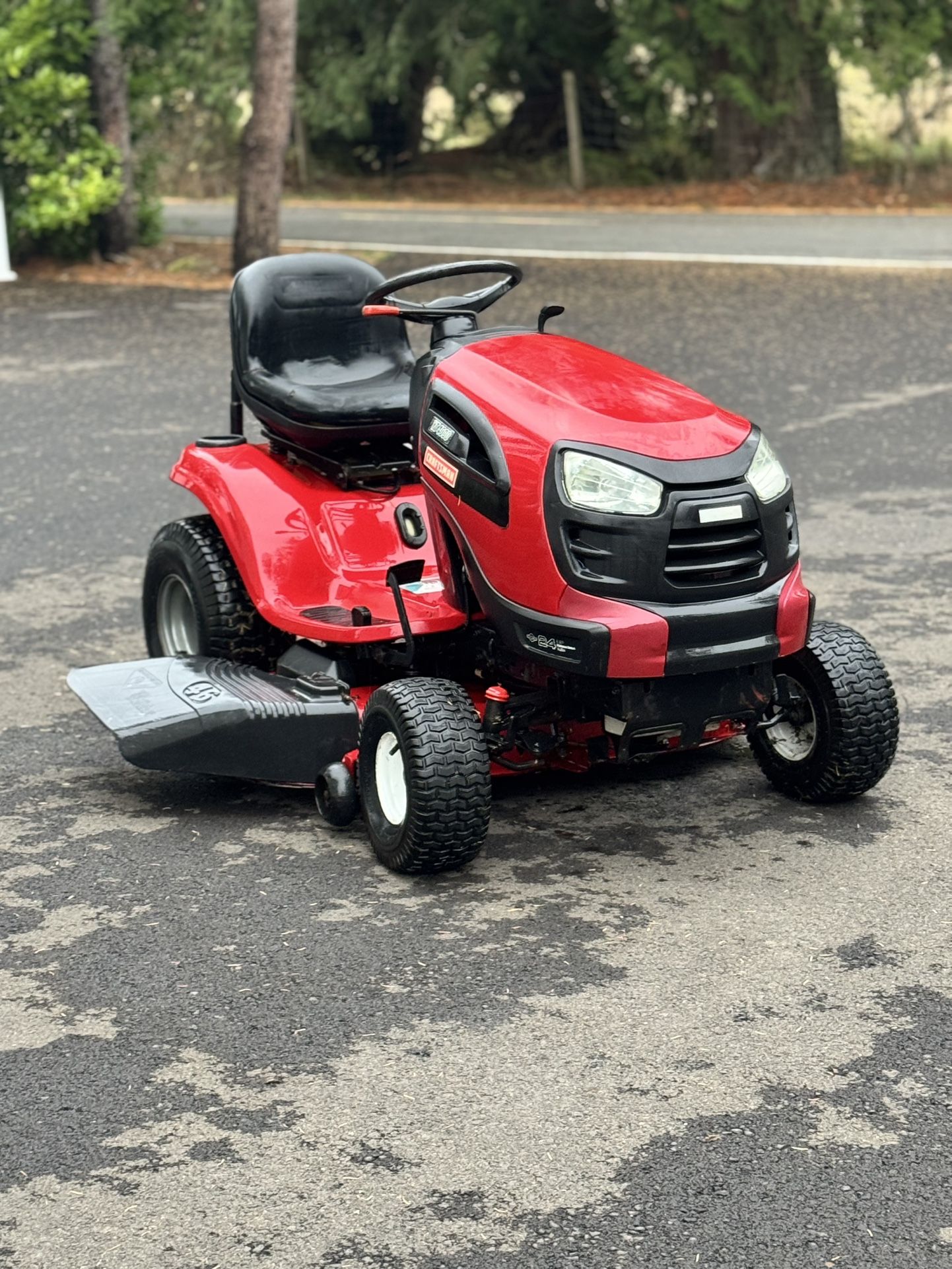
Buy Craftsman if you want an affordable, easy-to-use rider for 0.5 to 2 acres. It suits weekly mowing, light towing, and general yard work. You get simple controls and dependable cut quality.
Look elsewhere if you have steep banks, rocky fields, or need to mow three or more acres fast. Heavy-duty or commercial units with fabricated decks and higher ground speed may fit better. If you need pro features, look to higher tiers.
When you weigh is craftsman a good riding lawn mower for your yard, match the model to your terrain and workload.
Buying tips and model selection
Pick deck size based on yard size and gates. A 42-inch deck fits most suburban yards and tight spaces. A 46 to 54-inch deck suits larger lawns with fewer obstacles.
Choose transmission by terrain and comfort. Hydrostatic is smoother and better on hills. Pick a V-twin engine if you cut heavy grass or tow often. Check the mower in person for seat comfort, pedal feel, and control layout.
If you still wonder is craftsman a good riding lawn mower for your use, bring a list of yard needs to the store and ask to sit on the exact model you plan to buy.
Real-world verdict: Is Craftsman a good riding lawn mower?
From two seasons of testing, Craftsman lawn tractors and zero-turns deliver what most homeowners need. They start easy, cut well, and cost less than many big-name rivals. Parts are easy to find, and maintenance is simple.
So, is craftsman a good riding lawn mower? Yes, for typical residential yards, it is a smart, budget-friendly pick. If you push into heavy-duty use, move up a tier. If you stick to weekly mowing, Craftsman will likely make you smile every Saturday morning.
Frequently Asked Questions of is craftsman a good riding lawn mower
How long do Craftsman riding mowers last?
With normal use and basic care, many last 8 to 12 years. Keep up with oil changes, belt checks, and blade sharpening to reach the long end.
Are Craftsman riders good on hills?
They handle mild to moderate slopes well, especially with hydrostatic drives. For steep hills, mow up and down the slope and consider a traction upgrade.
Do Craftsman mowers cut as well as premium brands?
For weekly residential mowing, cut quality is very close. Premium brands add heavier decks and nicer seats, but most lawns will look the same.
Are parts and service easy to find?
Yes, parts are widely available online and at major retailers. Many local shops service Craftsman riders due to their common components.
Should I choose a 42-inch or 54-inch deck?
Choose 42 inches if you have gates, trees, and tight turns. Choose 54 inches for open space and faster cuts on larger lawns.
Is a hydrostatic transmission worth it?
Yes, for most people it is. It gives smooth speed control, easier maneuvering, and better hill performance.
Can I bag and mulch with a Craftsman rider?
Yes, many models support baggers and mulch kits. Match the kit to your deck size for best results.
Conclusion
Craftsman riding mowers hit a sweet spot for price, ease of use, and everyday performance. If your goal is a tidy lawn with minimal fuss, they are a smart buy that balances features with cost. Match the model to your yard size, pick hydrostatic if you can, and follow the simple care steps.
Ready to decide? Use the tips above, compare a few models side by side, and choose the rider that fits your yard and your weekend plans. If this helped, share it with a neighbor, or drop your questions so we can dive deeper into your exact lawn needs.