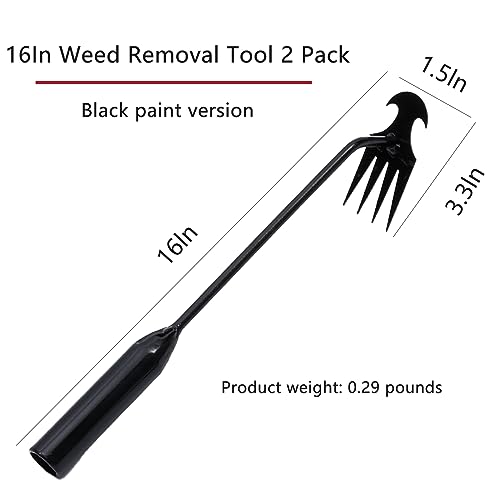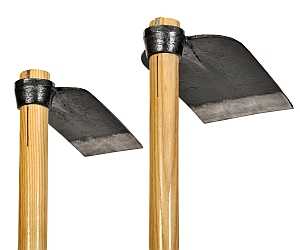
Digging garden tools are designed to cut, lift, and shape soil with ease.
If you want clean holes, straight edges, and less strain on your body, you need the right digging garden tools. I have spent years testing gear in clay, loam, and rocky sites. In this guide, I explain what works, why it works, and how to pick digging garden tools that last.
Understanding digging garden tools: types and uses
Choosing the right tool turns hard ground into simple work. Each tool solves a different problem. Good fits save time, protect joints, and improve results.
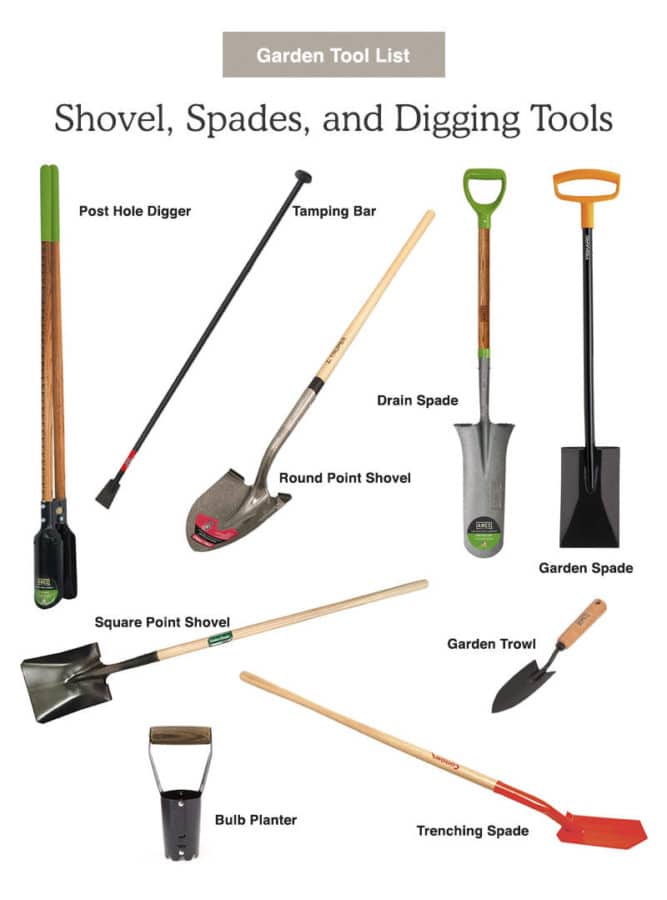
- Spade. Flat blade for edging beds, cutting sod, and straight planting holes.
- Shovel. Curved blade for moving loose soil, compost, mulch, and gravel.
- Garden fork. Tines for loosening compacted soil and lifting roots and tubers.
- Trowel. Small hand tool for pots, small holes, and tight spaces.
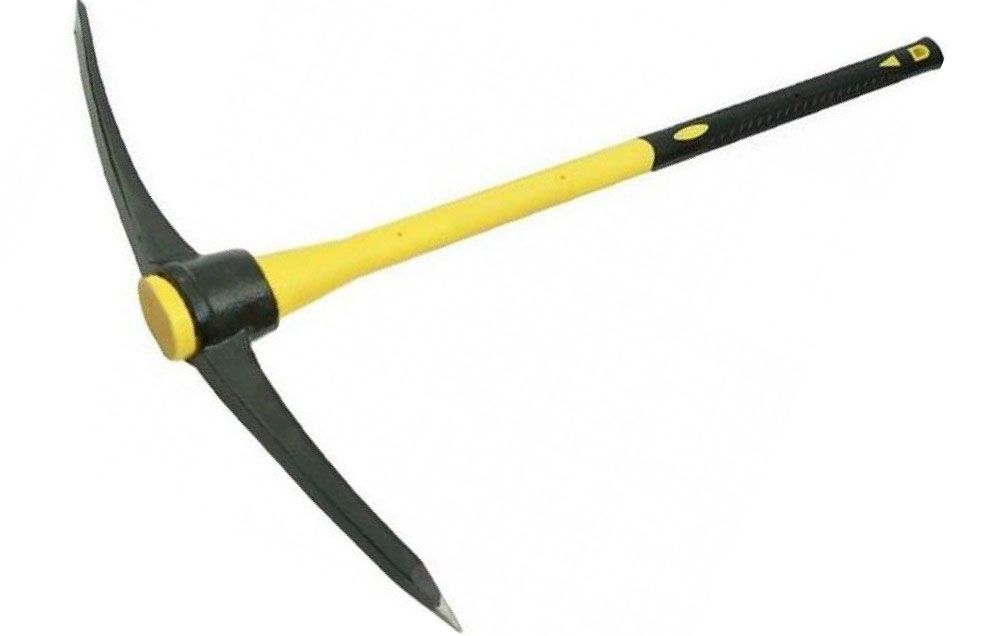
- Mattock or pick. Heavy head for roots, hardpan, and stony ground.
- Post hole digger. Two scoops for narrow, deep holes for posts and stakes.
- Bulb planter or auger. Clean plugs for bulbs and small transplants.
- Trenching shovel. Long narrow blade for drains, cables, and drip lines.
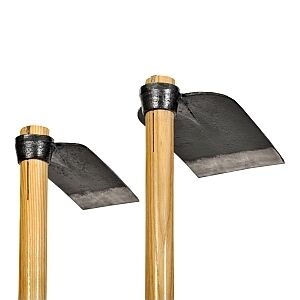
- Grub hoe. Wide blade for breaking crust and shaping rows.
A good kit covers most tasks with fewer trips to the shed. For new gardens, start with a spade, a shovel, and a garden fork. Add a trowel and a mattock for tough soil.

How to choose the right digging garden tools
The best digging garden tools match your body, soil, and tasks. Check build, balance, and comfort first.
- Steel and finish. Look for forged or tempered steel. A smooth powder coat sheds soil and resists rust.
- Handle material. Ash and hickory absorb shock. Fiberglass handles are strong and weatherproof. Steel handles are tough but can feel harsh.
- Handle length. Short handles suit tight spots. Long handles give more leverage and protect your back.
- Socket and ferrule. A deep, riveted socket reduces wobble and breakage.
- Weight and balance. Heavier heads bite better. Lighter tools reduce fatigue. Hold it at the grip and see if it feels neutral.
- Blade shape and bevel. A sharp bevel enters soil faster. Flat vs curved blades suit different tasks.
- Foot treads. Wide treads protect boots and spread force.
- Grip texture. Non-slip grips matter in rain and mud.
Try before you buy if you can. If your wrist or back aches in the store, it will ache more in the yard. The right digging garden tools feel like an extension of your body.
Tool-by-tool guide and best practices
Spade
Use for clean edges and square holes. Drive with one foot, then lever with straight arms. Keep the blade sharp to slice sod and roots.
Shovel
Pick a round-point for breaking ground and a square-point for scooping. Load only what you can throw without twisting. Move your feet, not your spine.
Garden fork
Great for aeration and lifting. Rock the fork to loosen, not pry hard. It shines in clay and in beds with roots.
Trowel
Ideal for precise planting. Use depth marks on the blade for seeds and bulbs. Keep a spare in a bucket to avoid trips.
Mattock and pick
Use when the soil laughs at the shovel. Swing from your shoulders with short, controlled arcs. Let the tool’s weight do the work.
Post hole digger
Twist to bore, then close the jaws to lift. Work in stages to keep walls tidy. Wet hard soil lightly the day before.
Bulb planter and auger
Press or drill for uniform holes. Check depth for each bulb type. Backfill with loose soil for fast rooting.
The best digging garden tools reward small habits. Keep edges sharp, clean after use, and store dry. This prevents rust and saves your next session.
Digging techniques for different soils and jobs
Great results come from timing and technique as much as from tools. Work with the soil, not against it.
- Soil moisture. Dig when soil is moist like a wrung-out sponge. Too wet makes clumps. Too dry is hard on tools and arms.
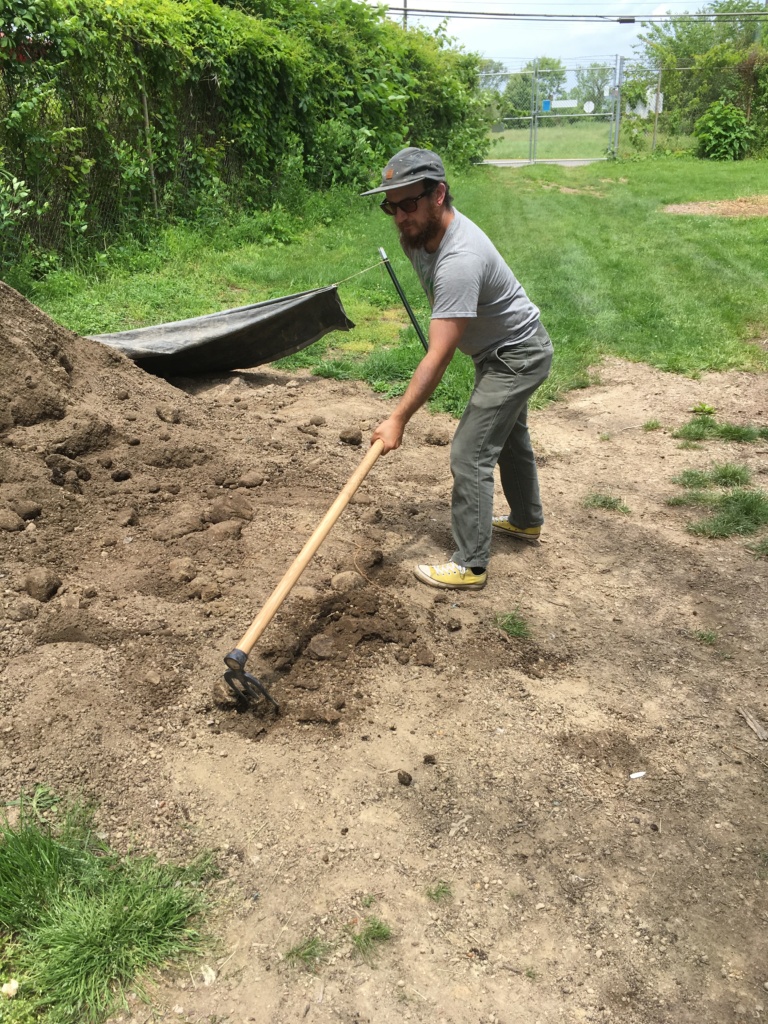
- Leverage. Keep your back neutral. Use legs and body weight. Short strokes save energy.
- Slicing sod. Score the shape with a spade, then lift thin sheets. Stack grass upside down to compost.
- Double digging. For deep beds, fork to loosen, then add compost. Rotate soil layers to boost root depth.
- Trenching. Mark a line. Use a trenching shovel for width control. Keep spoil on one side for easy backfill.
- Roots and rocks. Switch to a mattock or fork. Loosen first, then lift with a shovel.
- Cold or heat. In cold, let sun soften the top inch. In heat, work early and drink water.
These simple moves extend the life of your digging garden tools and your body.

Care, maintenance, and safety
Well-kept tools dig faster and last longer. A few minutes of care pays back for years.
- Cleaning. Knock off soil. Rinse if needed. Dry before storage.
- Sharpening. File the bevel on spades and shovels a few times each season. Sharp edges reduce effort.
- Rust control. Wipe metal with a light oil. A sand-and-oil bucket can clean and coat at once.
- Handle care. Sand rough spots. Treat wood with linseed oil. Inspect for cracks.
- Storage. Hang tools off the floor. Keep out of sun and rain.
- Safety. Wear boots, gloves, and eye protection. Step on treads, not blade edges. Lift with legs.
Research on tool care and ergonomics points to fewer injuries and better output when tools are maintained. Treat your digging garden tools like precision gear.

Budget vs premium: smart buying order
You do not need a full wall of tools to start. Build a core set, then upgrade based on need.
- Start here. Spade, round-point shovel, garden fork, and trowel.
- Next adds. Mattock for roots and hardpan. Trenching shovel for drains or cables.
- Nice-to-have. Post hole digger, bulb planter, and a soil auger for speed.
- When to go premium. If you dig weekly, invest in forged steel, deep sockets, and ash or fiberglass handles.
- Save smart. Buy mid-range for light use. Watch for warranties and replaceable parts.
This path keeps costs down while you learn which digging garden tools you love most.
Sustainable and ergonomic choices
Good tools help you and the planet. Small choices add up.
- Materials. Choose forged steel with long service life. Pick FSC wood or recycled materials when possible.
- Ergonomics. Look for D-handles or padded grips to reduce strain. Long handles can prevent stooping.
- Work style. Plan tasks to reduce trips and digging time. Mulch and compost cut future digging by improving soil.
- No-dig areas. In some beds, try no-dig methods. Use a fork to aerate and layer compost instead of deep turning.
By picking smarter digging garden tools, you reduce waste, strain, and downtime.

Real-world lessons and field tips
I learned many lessons the hard way. Here are a few that will save your back.
- If the shovel stops, switch tools. A fork or mattock often frees the path with less force.
- Keep a small file in the shed. A two-minute touch-up turns a dull spade into a cutter.
- Mark depth on handles with tape. It speeds uniform planting and stops guesswork.
- Wet stubborn clay the night before. In the morning, digging feels two grades easier.
- Rotate tasks. Ten minutes digging, then ten minutes hauling. You will last longer and avoid sore joints.
These habits help your digging garden tools work with you, not against you.
Frequently Asked Questions of digging garden tools
What is the difference between a spade and a shovel?
A spade has a flat blade for cutting and edging. A shovel has a curved blade for scooping and moving material.
Which digging garden tools should a beginner buy first?
Start with a spade, a round-point shovel, a garden fork, and a trowel. These handle most home jobs with low cost.
How do I sharpen digging garden tools safely?
Clamp the tool and file the bevel in one direction. Keep the edge smooth, not razor sharp, to avoid chips.
What length handle is best for me?
Choose a length that lets you stand tall with a slight bend in elbows. Taller users often prefer longer handles for leverage.
How do I dig in hard clay without burning out?
Work when the soil is slightly moist. Use a mattock or fork to break it up, then scoop with a shovel.
Are fiberglass handles better than wood?
Fiberglass resists weather and is very durable. Wood feels warmer, absorbs shock well, and is easy to repair.
Can I use a drill auger for planting?
Yes, a soil auger in a drill makes fast, uniform holes. Use low speed and avoid rocks to protect the bit and drill.
Conclusion
The right digging garden tools turn hard work into clean, quick results. Match each tool to the task, keep edges sharp, and use simple body mechanics. Small choices in build, balance, and care will pay off every season.
Start with a core set and add tools as your projects grow. Try a few tips from this guide on your next job. Want more step-by-step help and gear picks? Subscribe for updates or leave a question, and I will help you choose with confidence.