Do not place hoses in curbside recycling; reuse, donate, or use special drop off programs.
If you have ever wondered how to dispose of garden hose the right way, you are not alone. I have handled dozens through community cleanups, and I have seen what goes wrong at recycling plants when hoses slip into blue bins. This guide shares expert, real-world steps on how to dispose of garden hose in a safe, simple, and eco-smart way. You will learn what to do, what to avoid, and where to take it for the best outcome.
Why most garden hoses are not curbside recyclable
Garden hoses are a problem item at recycling centers. They wrap around belts and gears. Workers call them tanglers. That leads to downtime and safety risks.
Most hoses are not a single material. Many have PVC, rubber, fabric mesh, and metal ends. That mix makes them hard to process. Some hoses may also contain lead or plasticizers. Those do not belong in standard recycling streams.
If you want to know how to dispose of garden hose without harm, skip the curbside bin. Use reuse, special drop offs, or proper trash steps instead.
Identify your hose type and condition
Before you decide how to dispose of garden hose, check what you have. A quick review helps you pick the best path.
Look for:
- Material type. PVC, rubber, polyurethane, or fabric soaker hose.
- Condition. Kinks, leaks, cracks, UV damage, or mold.
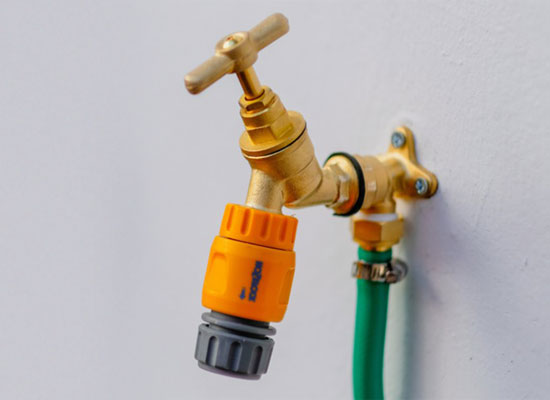
- Fittings. Brass, aluminum, or plastic couplers.
- Safety marks. Some older hoses may have lead warnings.
Note the length and the style. Short sections are easy to repurpose. Solid brass ends can go to metal scrap if accepted in your area.

Best options first: repair, reuse, donate, and repurpose
The greenest choice is to extend the life of the hose. When you plan how to dispose of garden hose, always try reuse before disposal.
Try these:
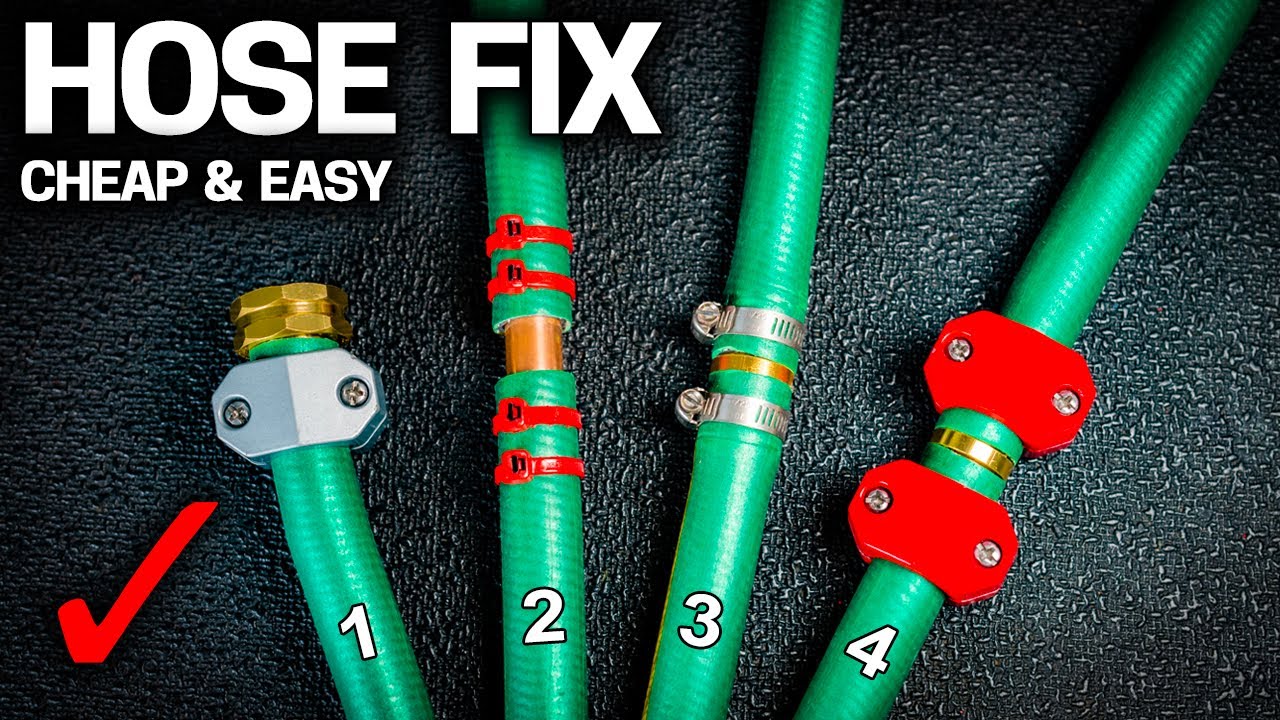
- Repair a small leak with a connector kit and a clean cut.
- Use as a soaker line for trees or hedges.
- Donate clean, intact hoses to community gardens, schools, or shelters with gardens.
- Repurpose for home tasks.
Smart repurpose ideas:
- Slip sections over sharp edges on saws and sleds.
- Protect young tree trunks from ties by threading ties through a hose sleeve.
- Make soft grips for buckets and wheelbarrow handles.
- Use as a siphon tube for rain barrels.
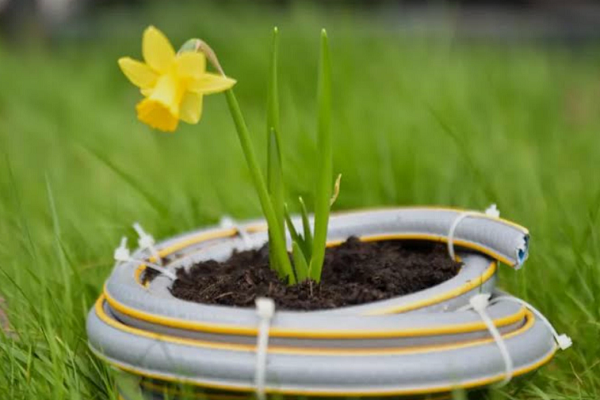
- Create a drip ring for planters with a small circle and pinholes.
These simple actions reduce waste and save money. It is a practical way to handle how to dispose of garden hose without a trip to the dump.

Special recycling and take-back options
Some places offer targeted solutions. This is often the best route when planning how to dispose of garden hose.
Check these options:
- Local reuse stores. Some accept hoses for resale if clean and intact.
- Community swap days. Good for working hoses and fittings.
- Transfer stations. Ask about a separate bin for tanglers or bulky soft plastics.
- Mail-in recycling boxes. Some services accept flexible plastics and mixed items.
- Retail events. Hardware stores sometimes host tool and gear take-back days.
Call first. Ask if they accept hoses, what prep is needed, and any fees. Remove metal ends if they ask for only flexible parts. Keep the hose coiled and tied for safe handling.
Step-by-step: how to dispose of garden hose responsibly
Use this simple checklist. It shows how to dispose of garden hose in the right order.
- Clean it. Run water to flush dirt and bugs. Wipe the outside.
- Inspect it. Decide if it can be repaired, reused, or donated.
- Remove fittings if needed. Brass ends may be recyclable at a metal drop off.
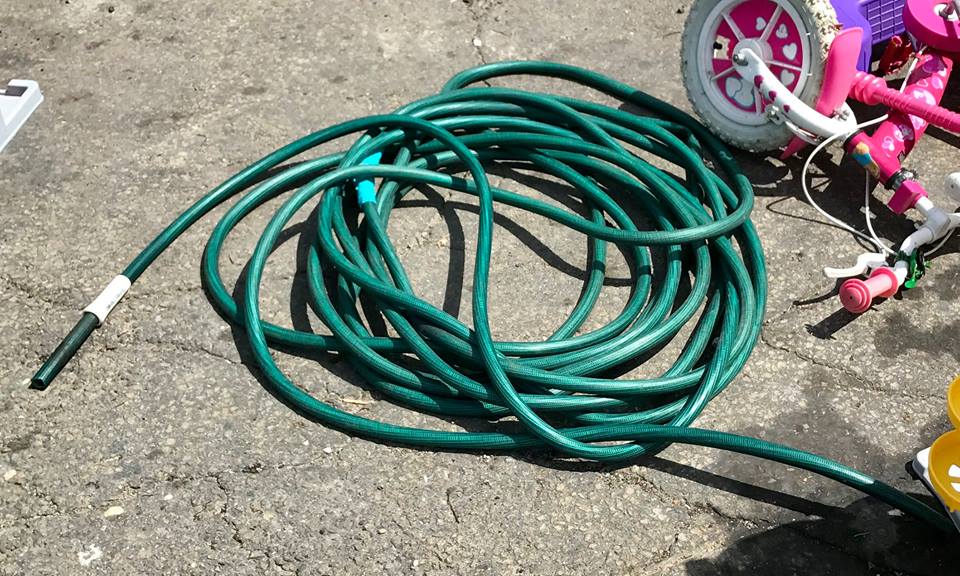
- Coil and secure. Tie with a string to prevent tangles.
- Choose the path.
- Reuse or donate if it still works.
- Take to special drop offs if available.
- As a last step, place in trash as directed.
- Label if asked. Some sites want items marked as trash or tanglers.
Follow these steps and you will handle how to dispose of garden hose with care and speed.
If you must trash it, do it safely
Sometimes reuse and special programs are not an option. Here is how to dispose of garden hose in regular trash with less risk.
- Cut the hose into short lengths. Aim for 12 to 24 inches.
- Bag the pieces. This keeps them from snagging equipment.
- Remove and recycle metal ends at a scrap drop off if allowed.
- Do not burn the hose. Burning PVC or rubber can release toxic fumes.
- Do not place it in the recycling bin. It will cause jams.
These steps protect workers and equipment and reduce the chance of mess.
Environmental and health notes to consider
Older hoses may contain lead and other additives. Keep them away from kids and pets. If you used the hose for potable water, check that it is drinking water safe.
PVC hoses can shed microplastics as they age. Cracked sheaths leave small bits in soil and drains. If you are deciding how to dispose of garden hose that is brittle, retire it. Choose a safer hose next time, such as lead-free and BPA-free types.
Store any new hose in the shade and drain it after use. This extends life and delays disposal.
Cost, time, and tools for a smooth process
You do not need much to handle how to dispose of garden hose well. A few minutes and simple tools will do.
What you may need:
- A utility knife or sharp shears for cutting.
- A screwdriver or wrench for metal fittings.
- A marker and tape for labels.
- A sturdy bag for small pieces.
Time estimate:
- Inspection and cleaning. 10 minutes.
- Cutting and coiling. 10 minutes.
- Drop off or donation. 20 to 40 minutes, depending on travel.
Small effort, big impact. You keep the recycling line safe and reduce waste.
Mistakes to avoid and pro tips
Over the years, I have seen the same errors. Learn from them as you plan how to dispose of garden hose.
Avoid these:
- Placing a hose in the curbside bin. It will jam equipment.
- Leaving metal ends on when a site asks for flexible parts only.
- Donating dirty or moldy hoses. Clean first to respect the receiver.
- Burning or burying hoses. That pollutes air and soil.
Pro tips that help:
- Keep a short, repaired hose as a backup. You will use it.
- Store hoses on a reel in shade. They last longer and kink less.
- Label a stored old hose as non-potable if you keep it for chores.
- Save good brass ends. They fit repair kits and can extend another hose’s life.
These habits make how to dispose of garden hose simple and safe, every time.
Frequently Asked Questions of how to dispose of garden hose
Can I put a garden hose in my recycling bin?
No. Garden hoses are tanglers and can shut down sorting lines. Keep them out of curbside recycling to protect workers and equipment.
Where can I recycle a garden hose?
Look for special drop offs, reuse centers, or mail-in programs. Call your local waste service or transfer station to confirm accepted items.
Should I remove metal ends before disposal?
Yes, if asked by the site or if you plan to recycle the metal. Brass ends may be accepted at scrap metal drop offs.
Is it safe to burn an old garden hose?
No. Burning hoses can release toxic fumes and create harmful ash. Use reuse, special recycling, or trash as directed instead.
Can I donate a used hose?
Yes, if the hose is clean and still works. Check with community gardens, schools, or local nonprofits before dropping it off.
How do I cut a hose for trash?
Use sharp shears or a utility knife and cut it into short pieces. Bag the pieces so they do not snag equipment.
Are old hoses safe for drinking water?
Many older hoses are not safe for drinking water. Look for hoses labeled lead-free and drinking water safe for that use.
Conclusion
Getting rid of a hose does not need to be hard. Start with reuse and donation, then look for special programs, and use the trash only as a last step. When you follow these steps for how to dispose of garden hose, you protect workers, reduce waste, and keep your home tidy.
Take action today. Check your hose, pick a path, and handle it the right way. Want more simple waste hacks like this? Subscribe for updates or leave a comment with your local tips and wins.