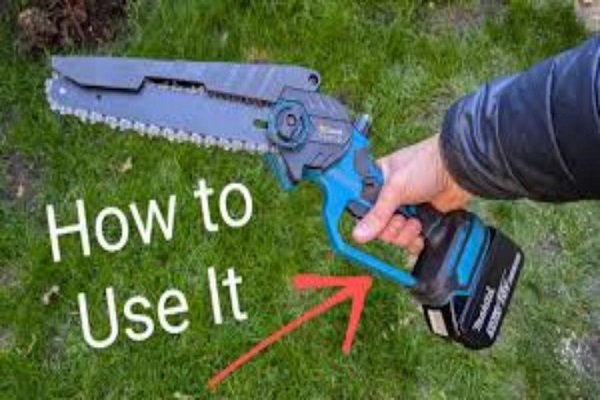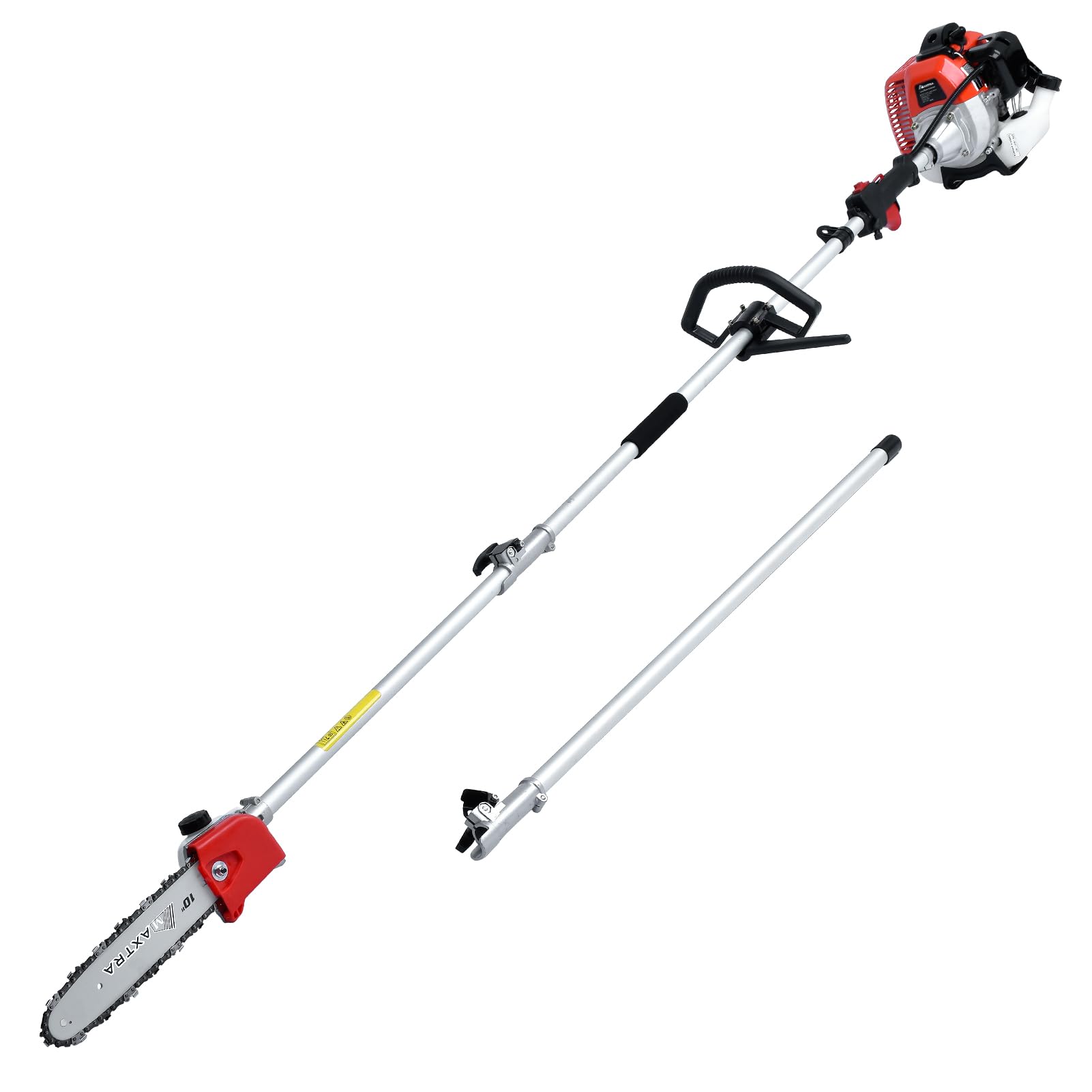
Extend, secure, and cut in small sections while standing clear and stable.
If you want to learn how to use a pole chainsaw with control and care, you are in the right place. I have trained crews, pruned hundreds of trees, and tested many models in the field. This guide explains how to use a pole chainsaw step by step, with real tips you can trust. Read on to work safer, cut cleaner, and protect your trees and tools.
What a Pole Chainsaw Is and When to Use It
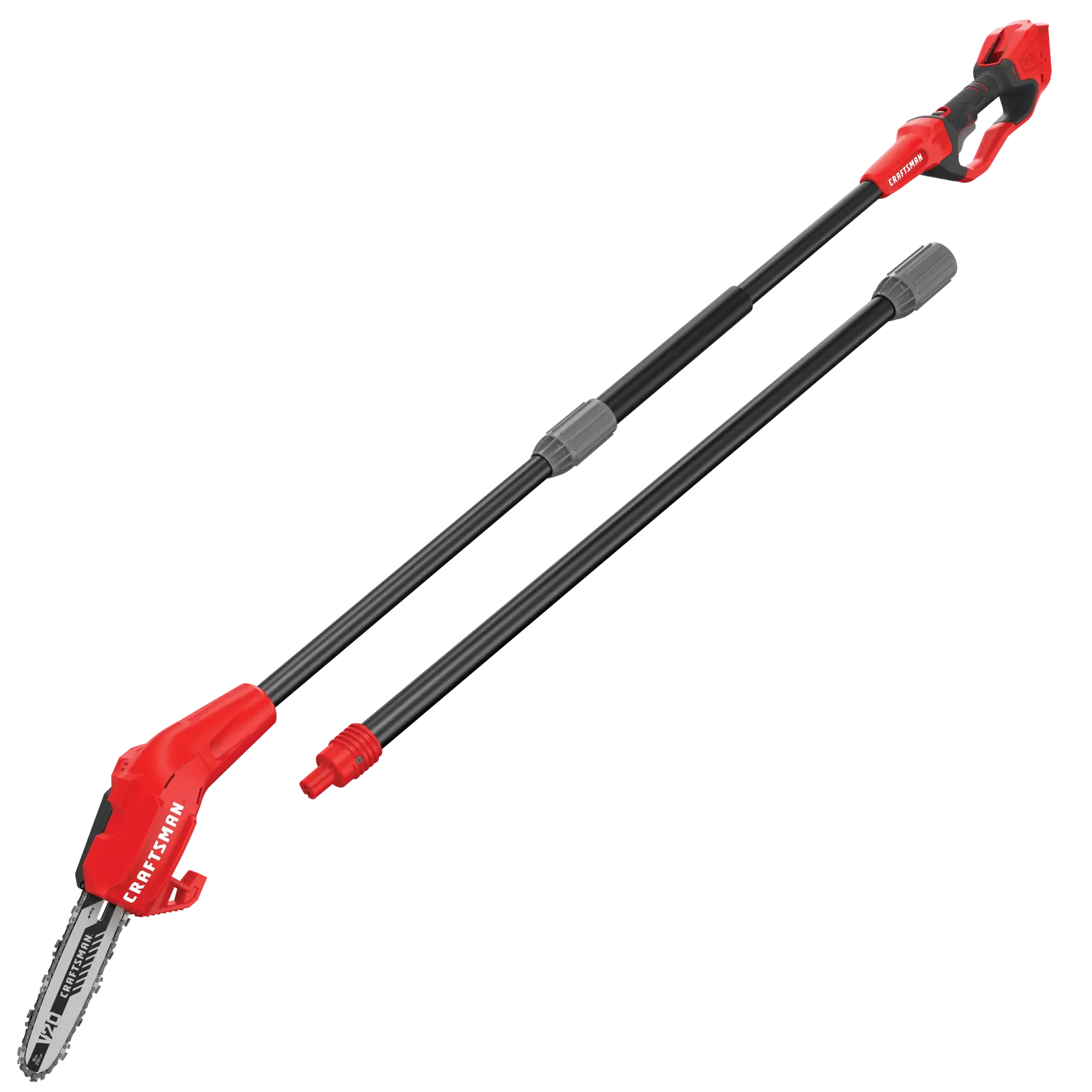
A pole chainsaw is a small chainsaw on a telescoping pole. It lets you reach branches without a ladder. Most are battery, corded, or gas. Reach can range from 8 to 14 feet, sometimes more.
Use it for pruning small to medium limbs. It shines for deadwood, storm cleanup, and limb weight reduction. Avoid it on very large limbs, rotting wood, or near power lines. For those, hire a certified arborist.
Key benefits:
- Safer reach from the ground when the site is clear and level
- Fast cuts with less effort than a manual pole saw
- Cleaner pruning when used with the right technique

Safety Essentials and PPE
Before you learn how to use a pole chainsaw, set up your safety gear. A simple rule: protect eyes, head, hands, legs, and ears. Wear snug clothes. Remove jewelry and tie back hair.
Minimum PPE:
- Helmet with face shield or safety glasses plus hearing protection
- Cut-resistant gloves with good grip
- Chainsaw chaps or sturdy pants and boots with traction
- High-vis vest if near roads or other people
Keep a first-aid kit close. Set a drop zone that is twice the height of the cut limb. No people or pets in that zone. Follow ANSI Z133 and OSHA tree work guidance for safe work zones and controls.
Pre-Use Checks and Setup
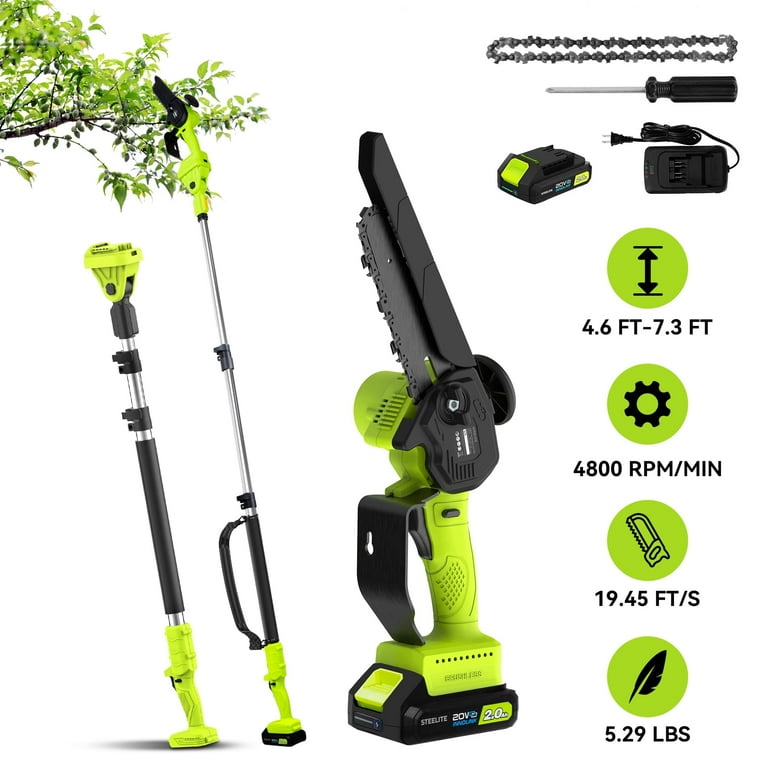
Knowing how to use a pole chainsaw starts with a careful check. It takes two minutes and can prevent big problems.
Do this before any cut:
- Inspect the bar, chain, and sprocket. Look for cracks or loose parts.
- Check chain tension. Pull the chain mid-bar. It should snap back but still move by hand.
- Fill bar and chain oil. Confirm oiling by a light test cut or running on a log.
- Lock the telescoping sections. Shake the pole. It should feel solid.
- Confirm the chain brake and trigger lockout work.
- Plan your escape path. Remove trip hazards.
Power setup:
- Battery models: Use a fully charged pack. Seat it until it clicks. Carry a spare.
- Corded models: Use the right gauge outdoor cord. Keep slack behind you to avoid snags.
- Gas models: Use fresh fuel mix. Prime per the manual. Warm up at idle with the chain brake on.
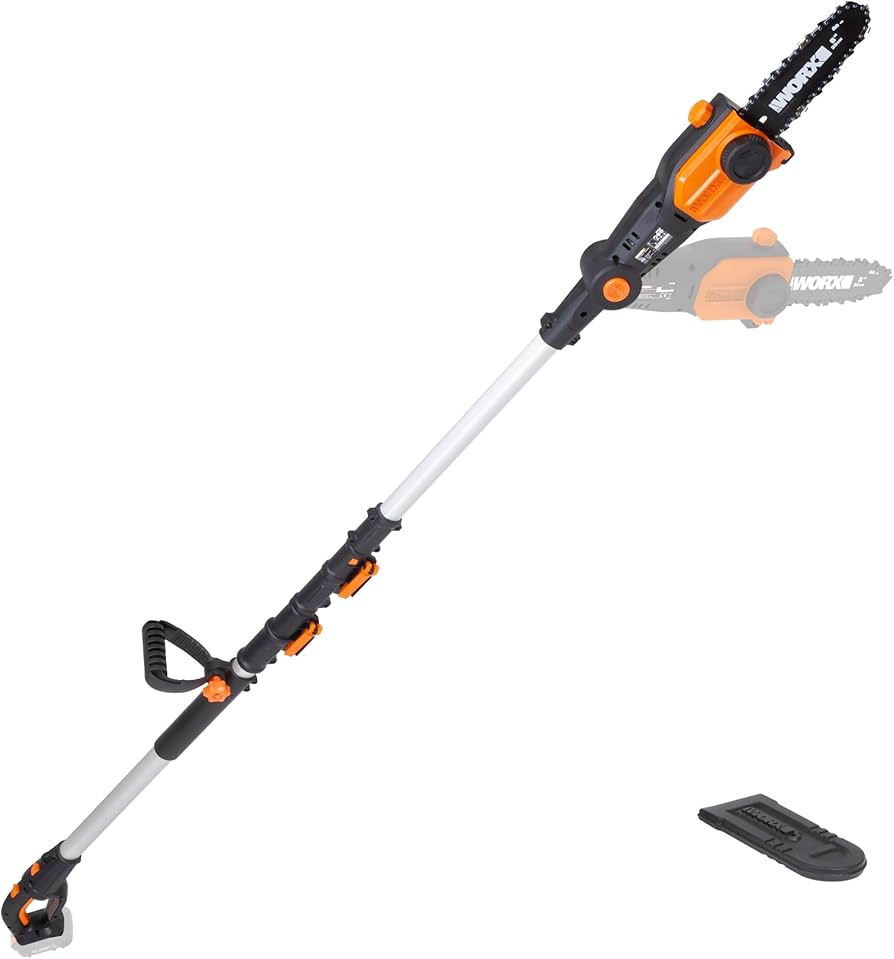
How to Use a Pole Chainsaw: Step-by-Step
This section breaks down how to use a pole chainsaw in simple steps. Keep your cuts small. Take your time. Think “control first, speed later.”
Steps:
- Stand clear of the fall path. Keep feet wide and stable. Knees soft.
- Extend the pole only as far as needed. Shorter poles are easier to control.
- Hold low hand on the rear grip. Place front hand midway for balance.
- Start the saw at idle or ready mode. Keep the chain brake on until you are set.
- Set the chain against the branch top with light pressure. Disengage the brake.
- Let the chain do the work. Use slow, steady pressure. Do not force it.
- Watch the tip. Avoid the upper quadrant of the bar nose to prevent kickback.
- Cut in small sections. Big limbs should be reduced in parts before the final cut.
- When the limb begins to move, ease off. Never stand under a loaded branch.
- Re-engage the chain brake when moving, walking, or repositioning.
Pro cue: When you feel wobble, lower the pole, shorten it, or change stance. The best way to learn how to use a pole chainsaw is to keep the tool stable and your body relaxed.

Cutting Techniques for Clean, Safe Pruning
Clean cuts help trees heal. A rough cut can tear bark and invite pests. Follow the three-cut method on limbs that can tear.
Use these techniques:
- Undercut: Make a small notch 6 to 12 inches from the trunk under the limb. This stops bark tear.
- Top cut: Move out a few inches and cut from the top until the limb drops.
- Final cut: Make the finish cut just outside the branch collar. Do not flush cut into the trunk.
For light pruning, you can use a single top cut with light pressure. For heavy or long limbs, reduce the weight first with small cuts. If you are unsure where the collar is, stop and step closer to see it. Good pruning follows ANSI A300 standards.

Body Mechanics, Stance, and Balance
Good posture saves energy and prevents strain. It also makes your cuts straighter. This is key when you learn how to use a pole chainsaw for longer sessions.
Keep this form:
- Feet shoulder-width apart. One foot a bit forward.
- Elbows slightly bent. Wrists straight.
- Keep the pole in front of your torso, not far off to one side.
- Work at chest to eye level when possible. Overhead cuts cause wobble and fatigue.
Take breaks every 10 to 15 minutes. Shake out your hands. Hydrate. Fatigue causes sloppy cuts and mistakes.
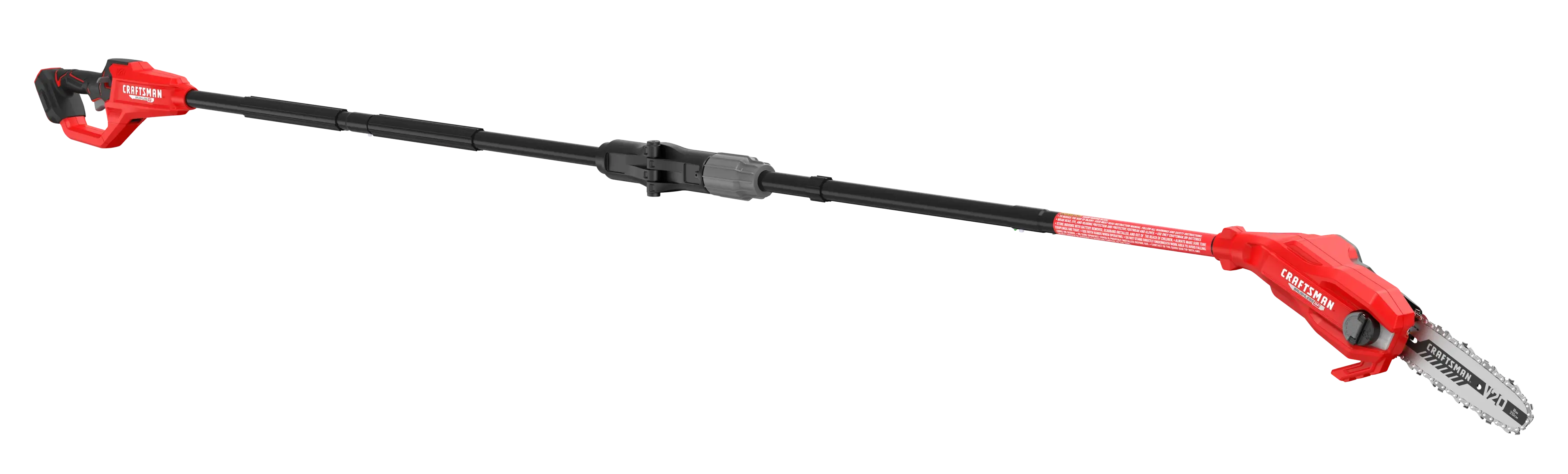
Hazard Zones: Power Lines, Kickback, and Loaded Wood
Some risks deserve extra care. If you doubt a cut, stop and reassess. Learning how to use a pole chainsaw includes knowing when to call a pro.
Key hazards:
- Power lines: Stay at least 10 feet away. If a limb could fall on a line, call the utility or a licensed arborist. Do not cut.
- Kickback: The top front of the bar is the kickback zone. Avoid it. Keep the tip in view.
- Tensioned wood: Limbs under load can snap. Look for bending or pinching. Make small relief cuts from the safe side.
If wind speeds rise or rain begins, stop. Wet bark is slick. Your footing and cut control both drop.

Maintenance: Aftercare and Storage
A sharp, well-oiled chain cuts fast and safe. This is a core part of how to use a pole chainsaw the right way.
After each job:
- Brush off chips and sap. Clean the bar groove and oil hole.
- Check chain sharpness. If it pulls to one side, it needs a touch-up.
- Sharpen with the correct file size and guide. Keep depth gauges set right.
- Flip the bar every few sharpenings for even wear.
- Top off bar oil. For gas, empty the tank if storing long-term.
- Store the saw dry, covered, and away from dust and sun.
Follow the manufacturer manual for specs on file angles, chain pitch, and tension. Replace worn chains, bars, and sprockets on schedule.
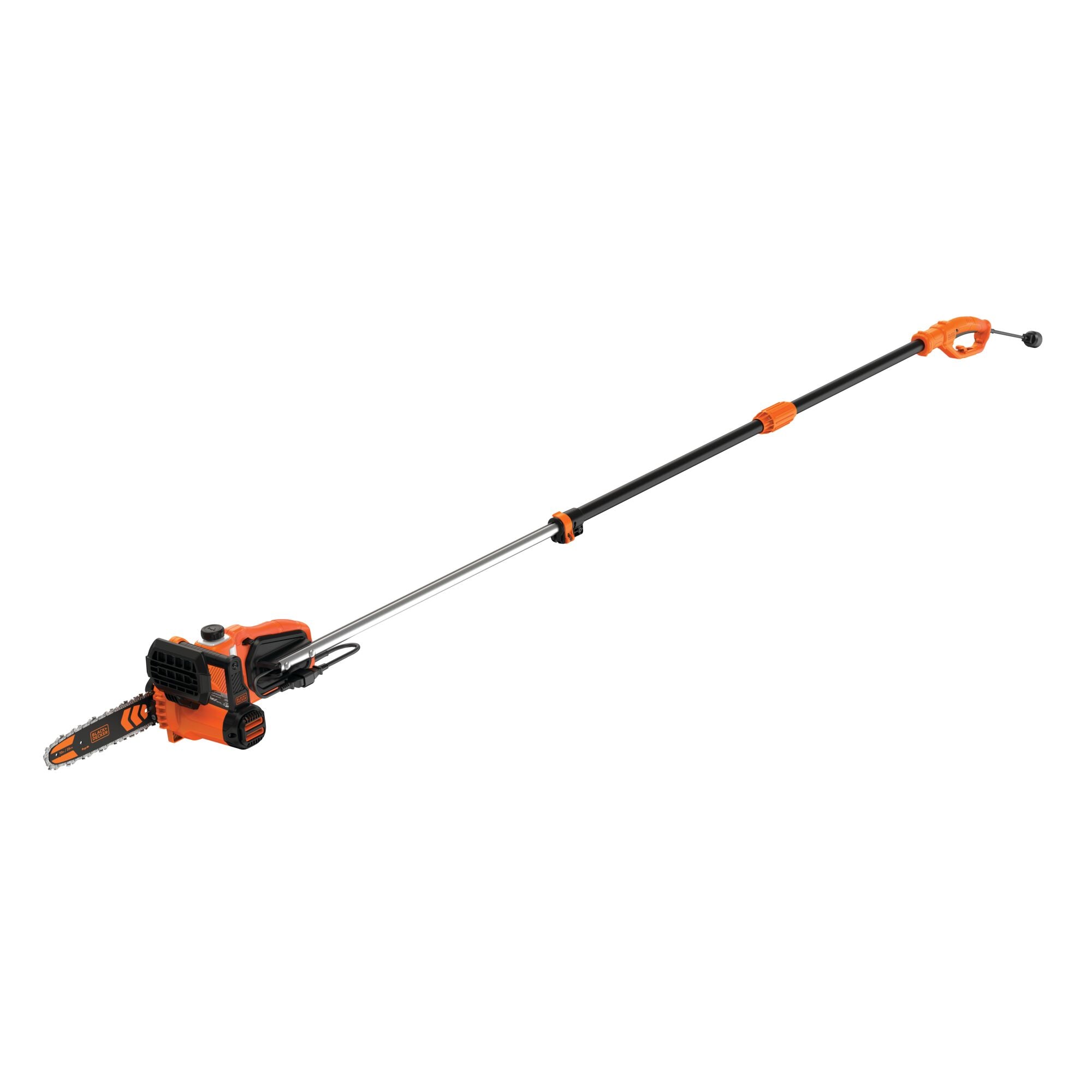
Common Mistakes and How to Fix Them
Even careful users slip into bad habits. These tips can save your day.
Mistakes and fixes:
- Overreaching with a fully extended pole. Fix: Move your feet, shorten the pole, and reset stance.
- Cutting too big a limb at once. Fix: Reduce in sections, then finish near the collar.
- Dull chain and no oil. Fix: Sharpen often and confirm oil flow before cuts.
- Standing under the limb. Fix: Set a clear drop zone. Stand off to the side.
- Ignoring chain tension. Fix: Re-check after the first few cuts. Chains stretch as they warm.
Troubleshooting and Pro Tips from the Field
Here are quick wins I use with crews and homeowners. They make a real difference when you learn how to use a pole chainsaw.
Try these:
- Saw bogs in the cut: Ease pressure. Let the chain spin faster. Sharpen if needed.
- Chain keeps loosening: Let the saw cool, retension, and lock nuts tight.
- Bar runs hot and smokes: Add oil. Clean the bar groove. Check the oiler port.
- Cuts wander: File evenly on both sides. Replace a bent bar.
- Hard-to-see tip: Use a bright paint mark near the bar nose to track position.
Frequently Asked Questions of how to use a pole chainsaw
What size branch can a pole chainsaw cut?
Most homeowner models handle branches up to 6 to 8 inches. For larger or suspect wood, reduce in smaller sections or hire a pro.
Can I use a pole chainsaw from a ladder?
No. A ladder and a pole saw is a high-risk mix. Work from the ground or use professional access gear and training.
How often should I sharpen the chain?
Touch up after every tank of fuel or battery cycle, or when cutting slows. A few light file strokes keep cuts straight and safe.
What is the right chain tension?
Pull the chain mid-bar. It should snap back yet still move by hand. Re-check after the first cuts since warm chains stretch.
Is bar oil different from motor oil?
Yes. Bar oil is sticky and designed to cling at speed. Use the type your manual recommends for your climate.
How do I avoid kickback?
Keep the bar tip visible and off the upper quadrant. Start cuts with the mid-bar, use firm grip, and keep the chain sharp.
What is the three-cut method?
It is an undercut, a top cut to drop the limb, then a finish cut at the branch collar. This prevents bark tearing and protects the tree.
Conclusion
You now know how to use a pole chainsaw with clear steps, safe habits, and clean pruning techniques. Start small, keep your stance solid, and cut in sections. Protect your tree with proper finish cuts and guard your body with good PPE.
Put these tips to work on your next pruning job. If the site is risky or the timber is large, make the smart call and bring in a pro. Want more guides and tool checklists? Subscribe, share your questions, or leave a comment with your own lessons from the field.