How To Use A Mini Chainsaw: Essential Tips For 2026
Mini chainsaws have exploded in popularity, and for good reason. These compact, battery-powered tools make pruning, limbing, and light cutting dramatically easier than manual saws—but they demand respect. A 6-inch bar spinning at thousands of RPM can still cause serious injury if handled carelessly.
After years of using these tools professionally in yards and on job sites, I’ve developed a workflow that balances speed with safety. This guide walks you through every step: choosing the right tool for the job, preparing safely, making clean cuts, and keeping your saw in top condition throughout 2026 and beyond. You can also read our guide on how to use a chainsaw for beginners.

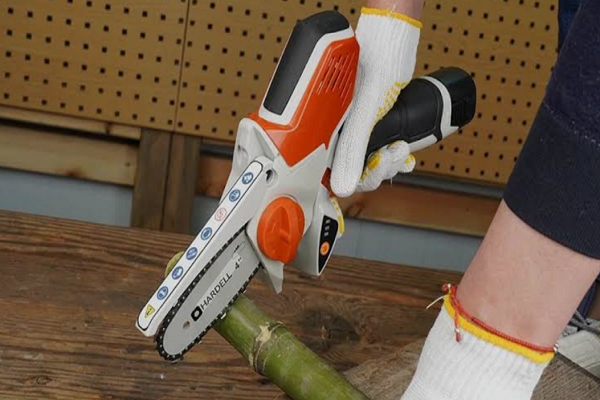
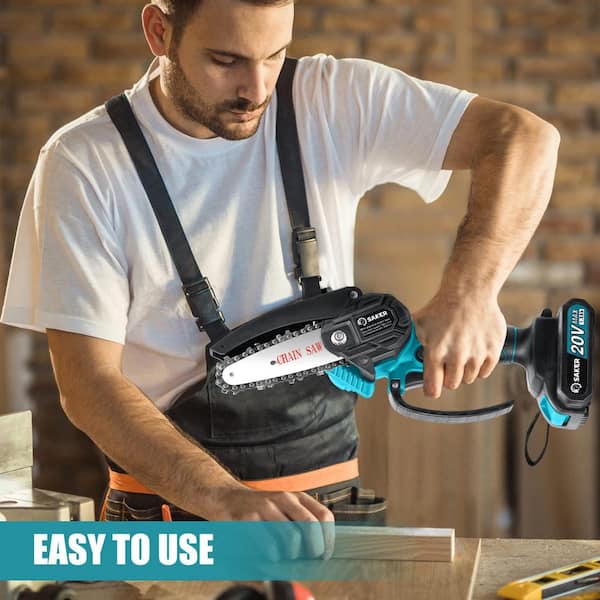
The defining feature of a mini chainsaw is its short bar—typically 4 to 8 inches—which makes it ideal for precise, one-handed-portable work.
Source: hardell.com
What Exactly Is a Mini Chainsaw?
A mini chainsaw is a compact, lightweight saw designed with a short guide bar, usually measuring between 4 and 8 inches. Unlike full-size gas or electric chainsaws, these tools are built for maneuverability and ease of use in tight spaces.
The vast majority of models available in 2026 are battery-powered. They feature a simple trigger mechanism with a safety switch, making them far more approachable than their gas-powered counterparts. There are no pull cords, no fuel mixing, and no warm-up period—just press the trigger and cut.
What It Excels At
- Pruning live branches up to the length of your bar
- Limbing fallen trees and storm damage cleanup
- Cutting small firewood and kindling
- Trimming fence posts, pallets, and PVC pipe
- Working in tight corners where a full-size saw won’t fit
What It Cannot Do
- Felling large trees or cutting trunks thicker than your bar length
- Heavy-duty logging or all-day milling work
- Cutting through dirt, rocks, or metal (this will destroy the chain)
Understanding these limits is the first step toward safe, effective use. Using the right tool for the right job isn’t just about efficiency—it’s about safety.

Even with a small saw, proper protective equipment is non-negotiable.
Source: youtube.com
Safety First: Essential Gear and Pre-Operation Checks
A mini chainsaw may be small, but it can still bite. The chain moves at high speed, and kickback is a real risk. Treat it with the same caution you would a full-size saw.
The Complete PPE Checklist
Before you make your first cut, put on:
- Safety glasses or a face shield — branches snap back; sawdust flies. Protect your eyes.
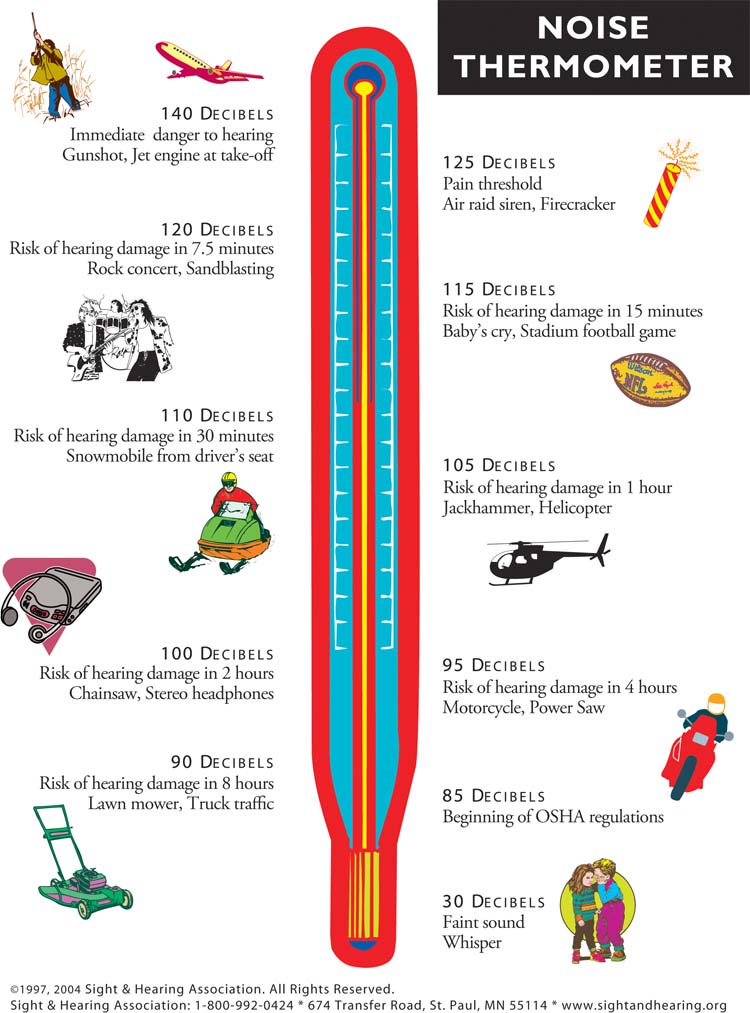
- Hearing protection — even small saws generate 90+ decibels. Earplugs or muffs prevent cumulative damage.
- Cut-resistant gloves — look for gloves rated for chainsaw use (EN 381 or ANSI levels). They provide grip and protect against accidental contact.
- Long pants and sturdy boots — denim or work pants, steel-toe boots with good tread. No shorts, no sandals, ever.
- A snug-fitting shirt — tuck in loose fabric. Loose sleeves or hoodie strings can get caught in the chain.
Pre-Operation Inspection Checklist
Take 60 seconds before each use to run through this list:
- Chain sharpness — dull chains are dangerous; they require more pressure and produce dust instead of chips.
- Chain tension — the chain should be snug against the bar but still pull freely by hand.
- Bar condition — check for burrs, cracks, or excessive wear on the rails.
- Bar and chain oil — fill the reservoir; a dry chain will overheat and seize within minutes.
- Battery charge — confirm the pack is fully charged and properly clicked in.
- Safety features — test the chain brake (if equipped), trigger lock, and safety switch.
Site Preparation
A safe work area prevents most accidents:
- Clear tripping hazards — ropes, hoses, uneven ground. Create a clean zone.
- Keep bystanders at least 10 feet away — especially children and pets.
- Plan your escape route — know where the branch will fall and where you’ll step back.
- Set work at a comfortable height — use a sturdy workbench or sawhorse for smaller pieces.
Step-by-Step: How To Use a Mini Chainsaw Correctly
This is the exact workflow I teach beginners. Master these steps, and you’ll build muscle memory that keeps you safe.
Step 1: Plan the Cut
Before you touch the trigger, study the wood:
- Look at the grain — wood is weaker along the grain. Cuts that follow the grain are easier and safer.
- Identify knots — these are dense, hard spots that can cause the saw to jerk.
- Determine where the piece will fall — gravity is your friend or your enemy, depending on how you plan.
Step 2: Establish a Solid Stance
- Plant your feet shoulder-width apart.
- Keep your knees slightly bent for balance.
- Never reach above shoulder height — this destroys leverage and control.
- Position yourself so you’re not directly in line with the cut’s travel path.
Step 3: Grip Correctly
- Front hand on the handle or guide bar housing.
- Rear hand on the trigger grip.
- Keep your wrists straight and elbows close to your body. This reduces fatigue and increases control.
Step 4: Start the Saw
- Engage the safety lock, then squeeze the trigger.
- Let the chain reach full speed before it touches the wood. A chain moving at partial speed will grab and jerk.
Step 5: Position the Bar
- Use the mid-bar for cutting, never the tip. The tip is where kickback originates.
- Touch the wood lightly with the chain moving at full speed.
- Let the saw settle into the cut gently.
Step 6: Make the Cut
- Apply light, steady pressure. The weight of the saw plus gravity should do most of the work.
- Don’t force the saw. If you’re pushing hard, the chain is dull or you’re cutting too fast.
- Keep the bar straight in the cut. Do not twist or torque the saw.
Step 7: Finish and Release
- Ease the saw out of the cut.
- Release the trigger.
- Wait for the chain to completely stop before moving the saw.
Step 8: Set the Saw Down Safely
- Use a flat, stable surface.
- Keep the bar clear of dirt, stones, and debris.
- Engage the chain brake if your model has one.
What To Do When the Bar Binds
Binding happens when the kerf (the cut slot) closes on the bar, pinching it. This is normal—here’s the correct response:
- Release the trigger immediately. Do not yank the saw free.
- Support the work piece to open the cut.
- Insert a plastic wedge into the kerf to open it.
- Slowly and carefully back the saw out.
Never force a bound saw. That’s how bars bend and chains snap.
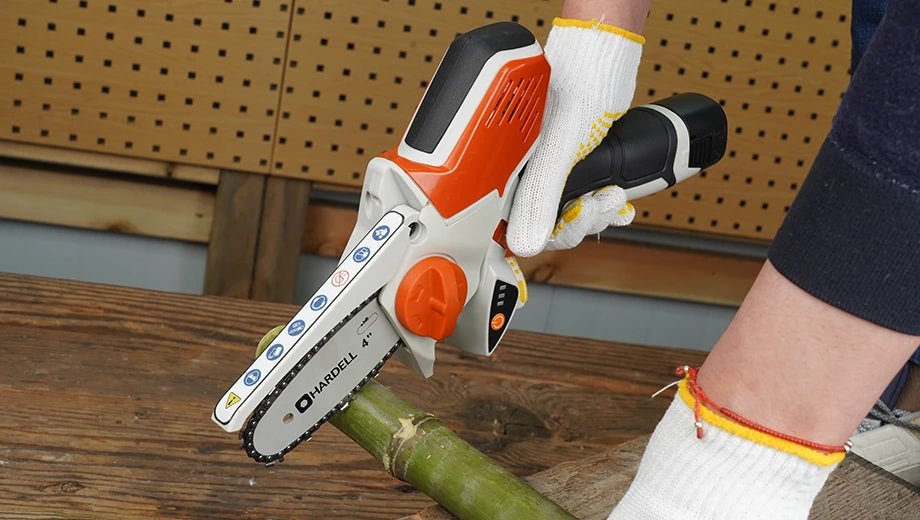
Let the saw do the work—light pressure and full chain speed produce clean, safe cuts.
Source: hardell.com
Cutting Techniques for Common Jobs
Different jobs require slightly different approaches. Here’s how to handle the most common mini chainsaw tasks.
Pruning Live Limbs
Proper pruning prevents disease and promotes healthy growth. Use the three-cut method:
- Undercut — cut one-third of the way through the branch, 1-2 inches from the trunk. This prevents bark tearing.
- Top cut — cut from above, slightly farther out than the undercut. The branch will break cleanly at the undercut.
- Final cut — cut the remaining stub just outside the branch collar (the swollen area where the branch meets the trunk). Do not cut into the collar.
Limbing Downed Wood
When clearing storm damage or processing fallen trees:
- Stabilize the log with wedges or blocks.
- Cut limbs from the far side of the log, working from the base toward the tip.
- This prevents the weight of the log from pinching the bar.
Cutting Small Logs and Lumber
For firewood or dimensional lumber:
- Support the work piece on both sides of the cut whenever possible.
- If you must leave one end unsupported, keep the majority of the weight on the supported side.
- Use a sawhorse for repetitive cuts. It saves your back and makes cuts more accurate.
Brushing and Root Cutting
This is where mini chainsaws really shine:
- Expect dirt — soil will dull your chain instantly. Brush away as much as possible before cutting.
- Use light pressure and be prepared for the chain to slow.
- For very thin brush (under ¾ inch), use loppers instead. It saves your chain and is faster.
Chain Maintenance: Tension, Oil, and Sharpness
A sharp, properly tensioned, well-oiled chain is the difference between a joy to use and a dangerous frustration.
Checking Chain Tension
The correct tension:
- Pull the chain at the mid-point of the bar.
- The drive links should lift slightly—about 1/8 inch—then snap back when released.
- Too loose — the chain can derail, which is dangerous.
- Too tight — it will overheat, wear rapidly, and drain battery life.
Re-tension a new chain after the first few cuts. New chains stretch as they seat.
Bar and Chain Oil
- Always use dedicated bar and chain oil. It’s formulated to cling to the chain through high-speed rotation.
- Check the oil reservoir each time you change the battery.
- Test the oiler by holding the tip near a piece of scrap and running the saw. You should see a light spray of oil.
When To Sharpen
A sharp chain produces chips, not dust. If you see dust or need to push hard, it’s time to sharpen.
- Use the correct file size for your chain (check the manual).
- File each tooth with the same number of strokes (typically 3-5).
- Follow the file angle marked on the tooth.
For a deeper look at chain longevity and replacement schedules, see our guide on typical chain lifespan.
Proper lubrication is visible—the chain should have a thin film of oil after running.
Source: balletpalmbeach.org
Maintenance That Anyone Can Do
Ten minutes of care after each job keeps your saw ready for the next one. Here’s your after-use routine:
After Every Use
- Brush off sawdust and debris from the bar, motor housing, and vents.
- Top up the oil reservoir.
- Clean the air intake (if accessible) with a soft brush.
- Check chain tension and adjust if needed.
- Inspect the chain for blue spots (overheating), cracks, or damaged teeth.
Periodic Deep Care
- Flip the bar every few uses to distribute wear evenly.
- Clean the bar groove and oil hole with a narrow pick or stiff wire.
- Lubricate the bar tip sprocket (if your model has one) per manufacturer instructions.
- Replace worn parts — a bent bar or damaged chain is not worth the risk.
When To Replace the Chain
Signs it’s time for a new chain:
- You’ve hit dirt or rocks and the cutters are visibly damaged.
- The chain has “stretched” so much that tension can’t be maintained.
- Teeth are broken or filed below the drive links.
- The chain has blue discoloration from overheating.
For more detail on chain lifespan and when to replace, check our explainer on chainsaw chain durability.
Troubleshooting Common Problems
Even with good care, things go wrong. Here’s how to diagnose and fix the most common issues.
Why Is My Chain Cutting Crooked?
- Uneven sharpening — one side is sharper than the other. Sharpen evenly or replace.
- Worn bar rails — the bar is worn more on one side. Flip it if not badly worn.
Why Does the Chain Keep Coming Off?
- Tension is too loose — retension per the manual.
- Bar not seated properly — remove, clean, and reseat the bar.
Why Is the Cut Smoking?
- No oil — fill the reservoir immediately.
- Too much pressure — let the chain do the work.
- Dull chain — sharpen it.
Why Does the Saw Stall?
- Too much pressure — ease off and let the chain reach full speed.
- Low battery — swap to a fresh pack.
- Chain too tight — recheck tension.
What Are the Most Dangerous Mistakes?
I’ve seen these errors repeatedly in the field:
- ✘ Cutting above shoulder height — terrible leverage, high risk.
- ✘ Using the tip of the bar on unknown wood — kickback zone.
- ✘ One-handed cutting — removes all control and safety.
- ✘ Working from a ladder without secure support — one hand for the saw, one for the ladder is never acceptable.
- ✘ Cutting embedded or buried wood — dirt destroys chains instantly.
When to Choose a Bigger Saw
A mini chainsaw is the right tool for many jobs—but not all. Here’s an honest comparison:
| Job Factor | Mini Chainsaw | Full-Size Chainsaw |
|---|---|---|
| Branch diameter | Up to 4-8 inches | 12-24+ inches |
| Cutting time | 15-45 minutes | Hours, all day |
| Weight | 2-5 lbs | 10-20+ lbs |
| Noise | Quieter | Louder |
| Skill required | Beginner-friendly | Experience recommended |
| Price | $50-$150 | $200-$600+ |
For a detailed breakdown of the trade-offs between battery and gas power, our comparison of saw types covers the key differences in depth.
If you’re cutting wood thicker than about 8 inches, doing milling work, or need all-day runtime, step up to a full-size saw. The extra capacity and power are worth the weight.
Accessories That Make a Real Difference
The right accessories turn a good tool into a great system.
Worth Buying
- A spare battery — the single most useful investment. Swap and keep working.
- A dual charger — charges two packs simultaneously.
- Plastic wedges — prevent pinch cuts and binding.
- A bar cover — protects the chain during transport and storage.
- A compact file kit — for quick field sharpening.
Setup Tips From the Field
- Label your batteries and chains with dates or hours of use. This helps track wear and replacement cycles.
- Keep a clean rag and small brush in the carrying case.
- Pre-fill a small oil bottle for grab-and-go convenience.
Field Notes From Real Use
After years of working with these tools, here are the habits that make the biggest difference:
Do a dry run. Practice the cut with the saw off. Visualize where the weight is, where the branch will fall, and how you’ll move. It takes 10 seconds and prevents mistakes.
Keep your elbows close to your body. This simple habit dramatically improves control, especially when cutting at odd angles.
Respect the tip. Ninety percent of kickback accidents happen at the tip. Use the mid-bar. Always.
Swap batteries early. Running a pack to zero tempts you to push the saw harder, which is unsafe. Replace when power starts to drop.
Slow is smooth, smooth is fast. Light pressure and patience produce cleaner cuts, longer chain life, and fewer mistakes.
Frequently Asked Questions
What Size Limb Can a Mini Chainsaw Cut?
Most models can handle limbs up to the length of their bar—typically 4-8 inches in diameter. For larger wood, use a full-size saw. Cutting beyond the bar’s capacity invites kickback and binding.
Do I Need Bar and Chain Oil on a Battery Mini Chainsaw?
Yes, without exception. Bar oil reduces heat, minimizes friction, and prevents premature wear. Running a dry chain can ruin the bar and chain in a single session.
How Do I Learn To Use a Mini Chainsaw Safely?
Start with small cuts at waist height wearing full protective gear. Read the manual thoroughly. Practice your stance, grip, and trigger control before cutting anything. Consider watching a local community college course on chainsaw safety.
How Often Should I Sharpen the Chain?
Sharpen whenever you notice dust instead of chips, or when cuts feel slower. Light, frequent sharpening (every few hours of use) is better than heavy, infrequent sharpening. A dull chain is dangerous because it requires excess force.
Can I Use One Hand for Quick Cuts?
Never. Always use two hands. Even on small branches, one-handed operation removes your ability to control kickback. It’s a habit that leads to injuries.
Why Does My Chain Keep Coming Loose?
New chains stretch during the first few cuts. Retension after the first 5-10 minutes of use, then check regularly. Also verify the bar is seated correctly. If the bar is worn or the tension mechanism is faulty, that’s another culprit.
What Battery Size Should I Choose?
Use the largest pack your model supports that fits your needs. Bigger packs provide longer runtime but add weight. For most users, looking at the battery life comparison guides for cordless equipment is a smart starting point—many of the same principles apply.
When to Call a Professional
While a mini chainsaw is a capable DIY tool, some jobs are best left to professionals:
- Tree work near power lines
- Large or hazardous tree removals
- Any work requiring climbing or aerial access
- Arborist-level pruning of mature trees
When in doubt, consult a certified arborist. Safety is far more important than saving a few dollars.
Final Thoughts: Your 2026 Mini Chainsaw Checklist
A mini chainsaw is a genuinely transformative tool for gardeners and homeowners. In 2026, the battery technology has never been better—lighter packs, longer runtime, faster charging.
Before your next cutting session, run through this mental checklist:
- Gear on — glasses, hearing protection, gloves, boots
- Saw checked — sharp chain, proper tension, oil reservoir full, battery charged
- Area cleared — no hazards, no bystanders, escape route planned
- Two hands — always
- Mid-bar cutting — never the tip
- Light pressure — let the chain do the work
Start small, build your skills gradually, and always prioritize safety over speed. Your mini chainsaw is an incredibly useful tool—respect it, maintain it, and it will serve you well for years to come.
Have you used a mini chainsaw for your yard work? What surprised you most about the experience? Drop your questions or tips in the comments below. Ready to get started? If this is your first time picking up a mini chainsaw, grab an old, dry branch or a piece of scrap lumber and practice the full workflow from this guide—from the pre-operation checklist to the final cut. Slow, deliberate practice builds the muscle memory you’ll rely on in real conditions.
For seasonal cleanup, combine your mini chainsaw with other tools in your arsenal. Pair it with a leaf mulcher for efficient garden waste processing to turn pruning sessions into mulch for your beds. That synergy saves time and keeps your yard looking tidy.
If you’re expanding your toolkit, pay attention to how different tools complement each other. A mini chainsaw handles the branches, but you’ll still need hand tools for detail work—understanding the differences between digging tools helps you build a complete, efficient setup.
Finally, remember that maintenance connects everything. The same care principles that keep your chainsaw sharp apply to your entire shed. Regular upkeep—whether it’s your saw, your garden hoe, or your pruning shears—extends tool life and keeps every job safer and more enjoyable.
Now get out there and make some clean cuts. Your trees will thank you, and you’ll have the satisfaction of a job done right.