

How Many dB Is A Chainsaw: 2026 Guide To Noise Levels
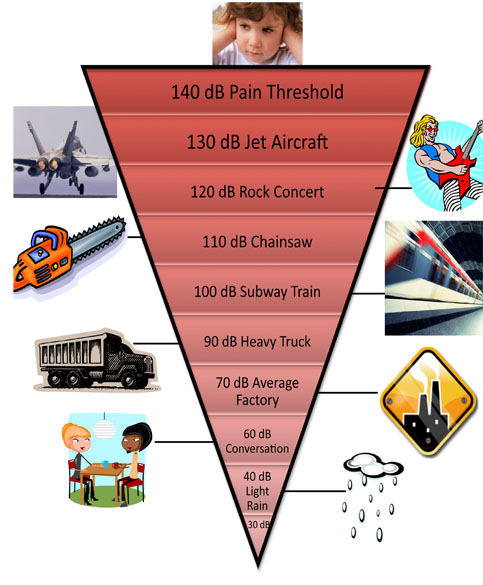
Most chainsaws measure 106–120 dB at the operator’s ear during cutting.
If you want clear, field-tested facts on how many db is a chainsaw, you’re in the right place. I’ve logged, pruned, and milled in loud sites and quiet yards. In this guide, I break down real numbers, safe limits, how to measure, and how to protect your hearing. By the end, you’ll know exactly how many db is a chainsaw and what to do about it.
What “dB” really means for chainsaw noise
Decibels (dB) show sound level on a log scale. A 10 dB jump sounds about twice as loud to most people. That is why a small change in dB feels huge.
Most safety data use dBA. The A means A-weighting. It matches how our ears hear. Chainsaw specs may list dBA at 1 meter in open air. At your ear, levels are higher.
Key points to know:
- dBA vs dBC: A-weighting is for hearing risk. C-weighting is better for peak blasts.
- Distance matters a lot. Sound drops fast with space in open areas.
- The operator’s ear number is the one that matters for your health.
If you came here asking how many db is a chainsaw, the short answer is still 106–120 dB at the ear. The rest shows you why and how to act on it.
Typical chainsaw noise levels by type and task
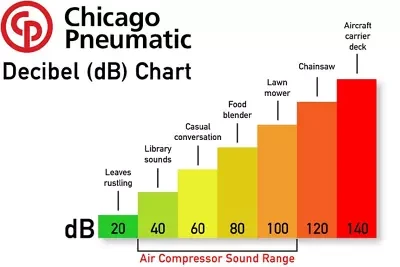
Here is what I see and measure on real jobs. These are operator-ear levels during normal cutting, not idle.
- Gas homeowner saws, 30–45 cc: 106–112 dBA
- Gas pro saws, 50–90 cc: 110–120 dBA
- Corded electric saws: 98–108 dBA
- Battery saws: 94–104 dBA
- Idle for most gas saws: 88–96 dBA
- Revving with no load: 98–110 dBA
- Ripping big hardwood logs: often near the high end of each range
Why the spread?
- Bar length, chain type, and chain speed change noise.
- Hard, dry wood screams more than green wood.
- Dull chains are louder. Sharp chains cut faster and quieter.
- Reflective spaces, like garages or sheds, boost noise at your ear.
What does this mean for how many db is a chainsaw? A quiet battery model may sit near 100 dBA at your ear. A big pro gas saw can hit 115+ dBA. Both can harm hearing without good protection.
Are electric and battery saws always quiet?
They are quieter than gas for the same job, but they can still pass 100 dBA. You still need hearing protection.
How loud is 110 dB in real life?
It is about as loud as a rock show in front of the speakers. At 110 dBA, unprotected ears can be damaged fast.
Does bar length affect noise?
Yes. Longer bars often mean higher load and more noise at the same cut. But a sharp chain on a long bar can beat a dull short setup.

Health risks and safe exposure limits
Hearing damage is sneaky. It builds fast and does not heal. Tinnitus can stick with you for life. So can a notch of lost hearing at 4 kHz, the classic “saw notch.”
Trusted limits:
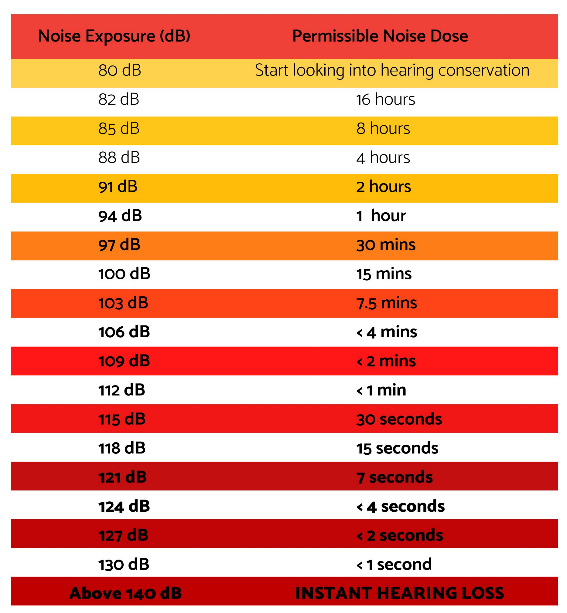
- NIOSH recommends 85 dBA for 8 hours. Every 3 dB up, cut time in half.
- OSHA allows 90 dBA for 8 hours. It uses a 5 dB exchange rate.
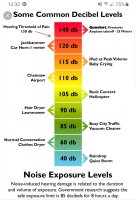
- Many chainsaws hit 110 dBA or more. That leaves almost no safe time without protection.
Simple math with NIOSH:
- 88 dBA: 4 hours
- 94 dBA: 1 hour
- 100 dBA: 15 minutes
- 110 dBA: about 1.5 minutes
- 115 dBA: under 1 minute
If you wondered how many db is a chainsaw in the context of risk, now you see why that answer matters. At 110+ dBA, protection is not a nice-to-have. It is a must.
How to measure your chainsaw’s dB the right way
You can measure sound with a phone app or a sound level meter (SLM). A calibrated SLM gives better data. A phone is fine for a quick check.
What to do:
- Use A-weighting and slow response for average levels. Use fast for peaks.
- Measure at your ear with the saw at working height. That is your risk level.
- Also measure at 1 meter in open air for a reference number.
- Log the task: species, bar, chain pitch, chain sharpness, and cut type.
Tips:
- Wind can fool your mic. Shield it or measure on calm days.
- Run more than one cut. Take the highest A-weighted level and the time-weighted average.
- Compare after you sharpen. You will hear and see the drop.

Practical ways to reduce chainsaw noise
You can cut sound at the source, along the path, or at the ear. Do all three if you can.
At the source:
- Keep the chain sharp. File angles and depth gauges matter.
- Service the muffler and spark arrestor. Do not remove or drill them.
- Use the right chain for the wood. Full chisel is fast but can scream more.
- Choose lower chain speed when the task allows.
Along the path:
- Add distance. A few feet can shave several dB.
- Avoid walls and corners. Work outdoors and face sound away from hard surfaces.
- Use soft barriers like brush piles to break reflections.
At the ear:
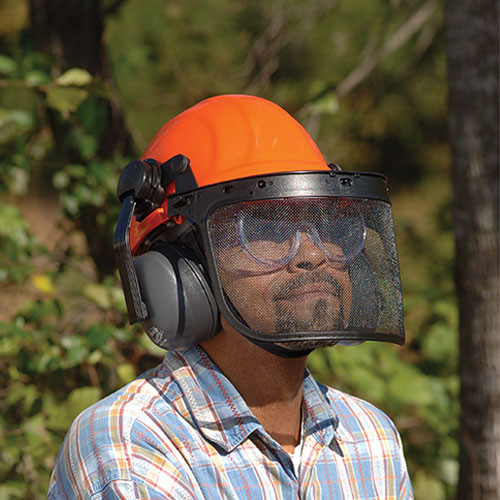
- Wear hearing protection with a real NRR. Fit is key.
- Earmuffs with NRR 30 have an effective reduction around 11–12 dB using the OSHA method.
- Plugs with NRR 33 reduce about 13 dB when fit right.
- Double protection adds about 5 dB to the higher of the two, so around 18 dB total.
Example:
- If your saw is 112 dBA at the ear, good muffs plus plugs can drop it to about 94 dBA. That turns seconds of safe time into almost an hour with NIOSH math. Still plan breaks.
One more tip for anyone asking how many db is a chainsaw today: try a modern battery saw for limbing or pruning. The drop in noise and stress is real.
Field notes from my own jobs
I have used loud 70 cc pro saws on storm days. On oak trunks, my meter often read 114–116 dBA at my ear. With double protection, I could work blocks of time and still hear my spotter.
For residential pruning, I switched to a 36V top-handle with a 12-inch bar. At the ear, cuts ranged from 96–102 dBA. Neighbors did not rush to the window, and my crew left with clear heads.
Lessons learned:
- Sharp chain first. It lowers noise, kickback risk, and fatigue.
- Plan your stance to face noise away from you and others.
- Always stage plugs in your pocket or hard hat. No excuses on “just one quick cut.”
- Log your own numbers. When clients ask how many db is a chainsaw, you can show them data.
Choosing quieter tools and better hearing protection
Saw choices:
- Battery saws with brushless motors and well-tuned chain speeds run quieter.
- Anti-vibration handles help you keep a light, steady grip, which reduces strain and noise perception.
- Look for listed sound power or pressure in dBA. Ask for operator-ear levels if not shown.
- Match bar and chain to the motor. An over-bared saw is louder and slower.
Hearing protection:
- Pick high NRR or SNR, but focus on fit. A lower NRR that seals well beats a loose 33.
- For helmets, use muffs that mount clean and seal over your glasses.
- Keep spare foam plugs in sealed bags. Old plugs do not seal well.
- For long days, switch between plugs and muffs to avoid hot spots.
Buying tip:
- If how many db is a chainsaw is the top question for your next tool, demo first. Bring a meter. Make the same cut with each saw. Choose the one that hits your needs at the lowest dB.
Frequently Asked Questions of how many db is a chainsaw
How many db is a chainsaw at the operator’s ear?
Most saws read 106–120 dBA during cutting. Battery models often sit near 100 dBA, while big gas saws can exceed 115 dBA.
Is 100 dB from a chainsaw dangerous?
Yes. At 100 dBA, recommended safe time without protection is about 15 minutes. Always use hearing protection.
Are electric chainsaws quiet enough to skip ear protection?
No. Many electric saws still hit 98–108 dBA at the ear. Wear plugs or muffs every time.
How many db is a chainsaw in a garage or shed?
It can be higher than outdoors due to reflections. Expect a few extra dB compared to open air.
What hearing protection is best for chainsaw work?
Use high-NRR earmuffs or foam plugs, or both together. Double protection often gives about 18 dB real-world reduction.
Does a sharp chain lower noise?
Yes. A sharp, well-set chain cuts faster and makes less noise. Dull chains whine and grind, which raises dB and risk.
How many db is a chainsaw when idling?
Many gas saws idle around 88–96 dBA. That is still loud enough to justify hearing protection on the job.
Conclusion
Chainsaws are loud tools, often 106–120 dBA at your ear. That is far above safe limits without protection. The smart path is simple: pick quieter tools when you can, keep your chain sharp, control your space, and wear hearing protection that fits. If you came here asking how many db is a chainsaw, now you have real numbers, context, and steps you can use today. Protect your ears, cut clean, and keep working for years to come.
Ready to go deeper? Subscribe for more field-tested gear tips, safety guides, and measurement how-tos.


