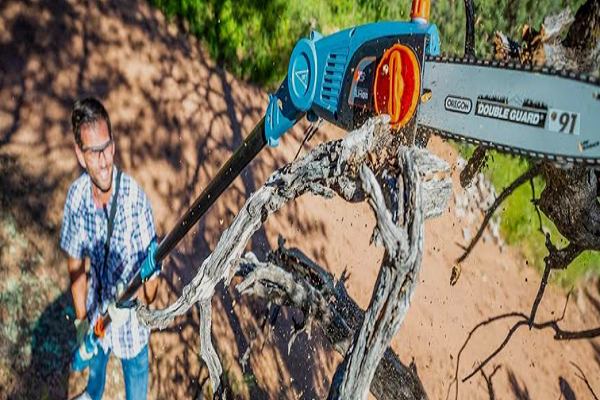
Gear up, check tension and oil, extend the pole, undercut, top cut, and clear.
If you want to master how to use an electric pole chainsaw, you are in the right place. I have trained homeowners and crews for years, and I have made the early mistakes so you do not have to. This guide shows how to use an electric pole chainsaw with safe steps, clear tips, and pro habits you can trust. Read on to learn simple methods that work on real trees, in real yards.

Safety essentials you must follow
Safety is the first skill. Treat the pole chainsaw with full respect every time. Your goal is to plan the cut, manage the drop, and protect the ground area.
Wear the right gear. Use eye protection, a hard hat or helmet, cut resistant gloves, long sleeves, and sturdy boots. Hearing protection helps too. A face shield is a good add when you cut overhead.
Set a clear zone. Keep people and pets at least 50 feet away. Look for power lines. If the limb is near a line, stop and call the utility or a pro. Do not use a ladder with a pole saw.
Mind the weather. Avoid high wind, rain, and poor light. Wet bark is slick. Wind can swing a branch into you.
I teach users how to use an electric pole chainsaw with a simple rule. Keep the motor head above the cut and your hands low. The pole should sit at a gentle angle. You control the cut with light touch, not force.
Know your electric pole chainsaw
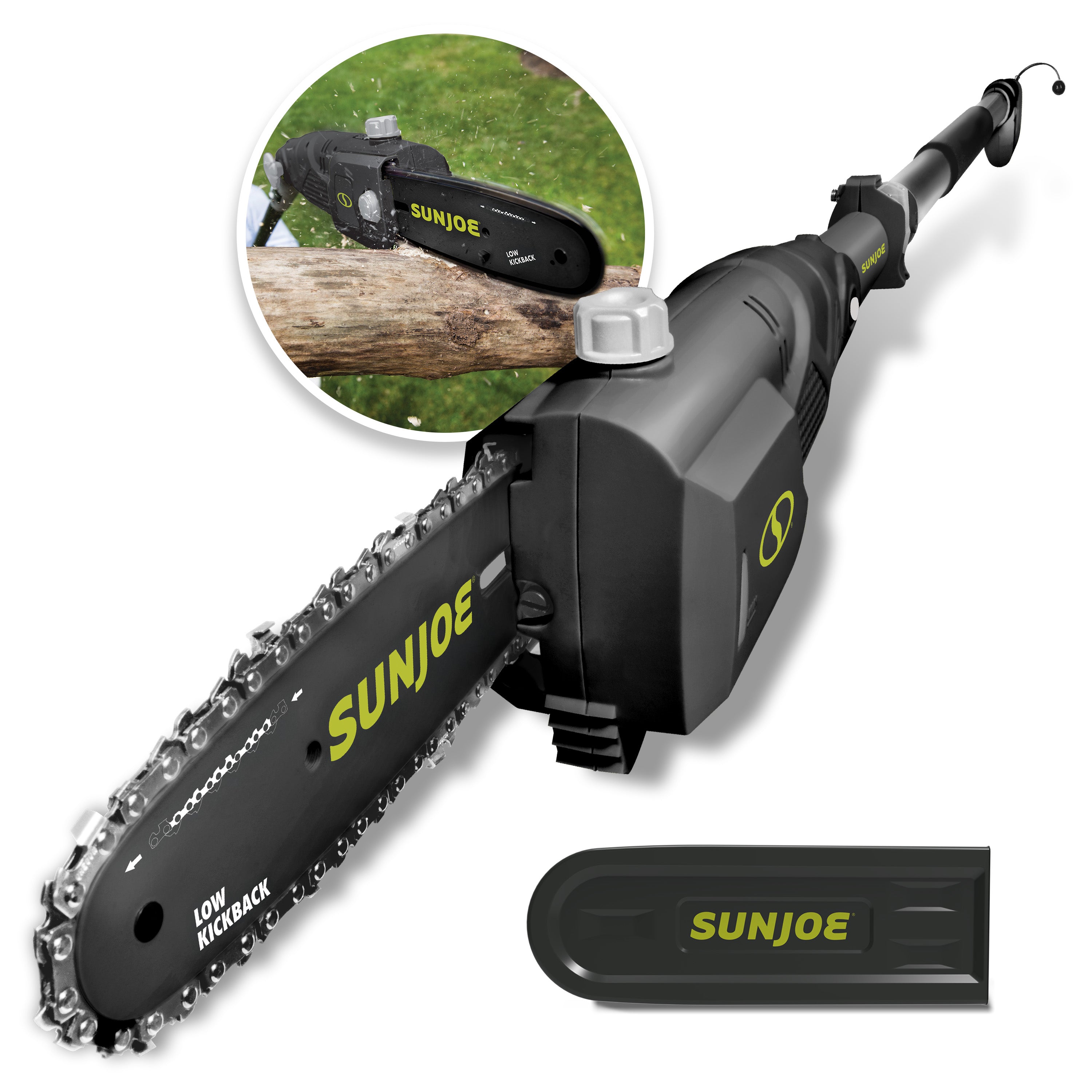
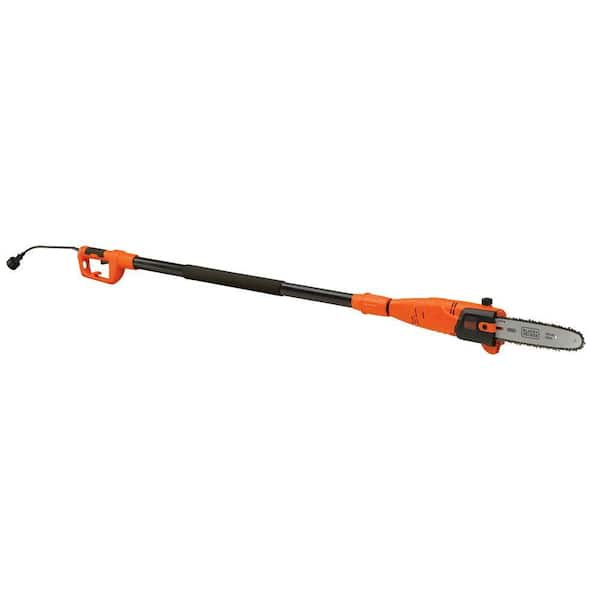
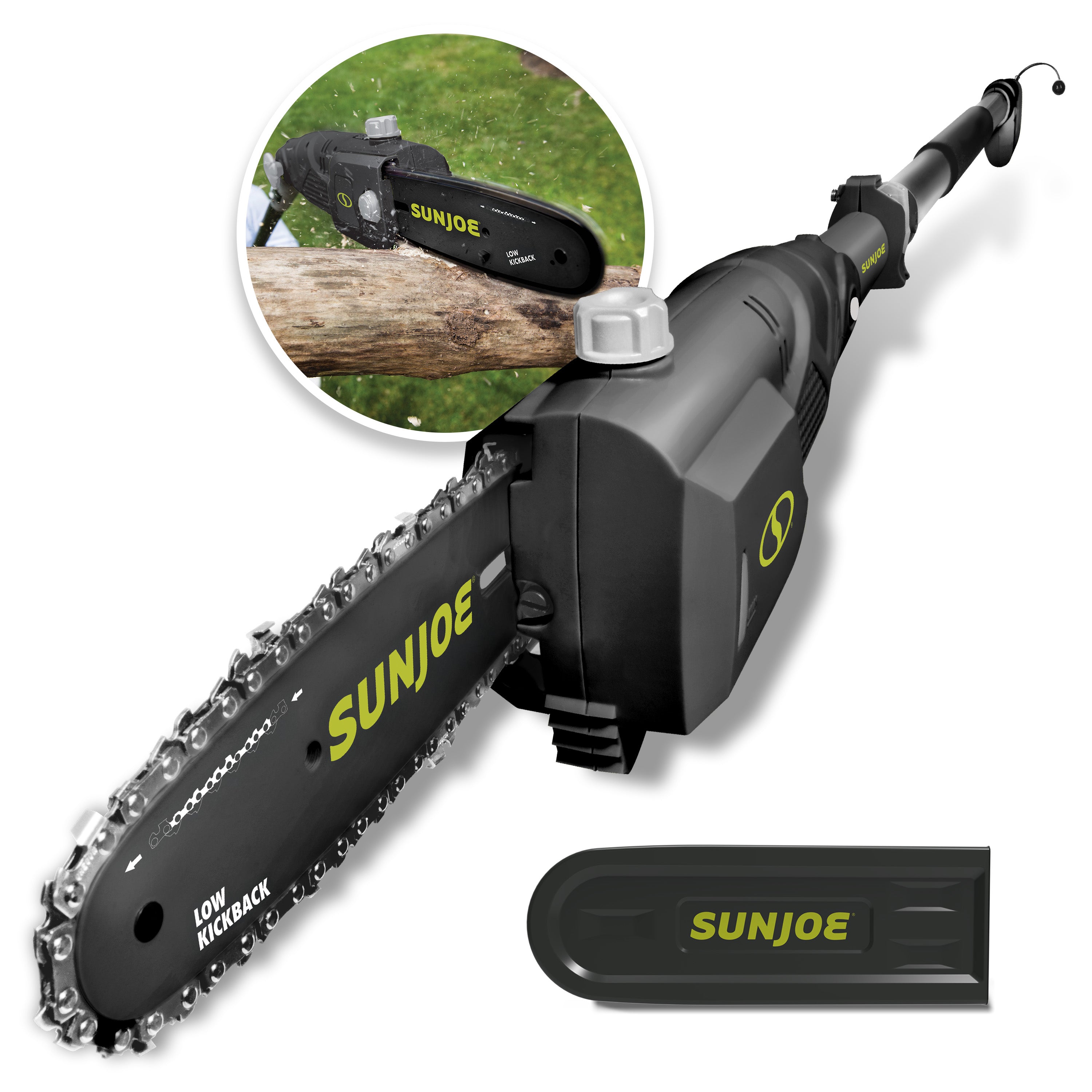
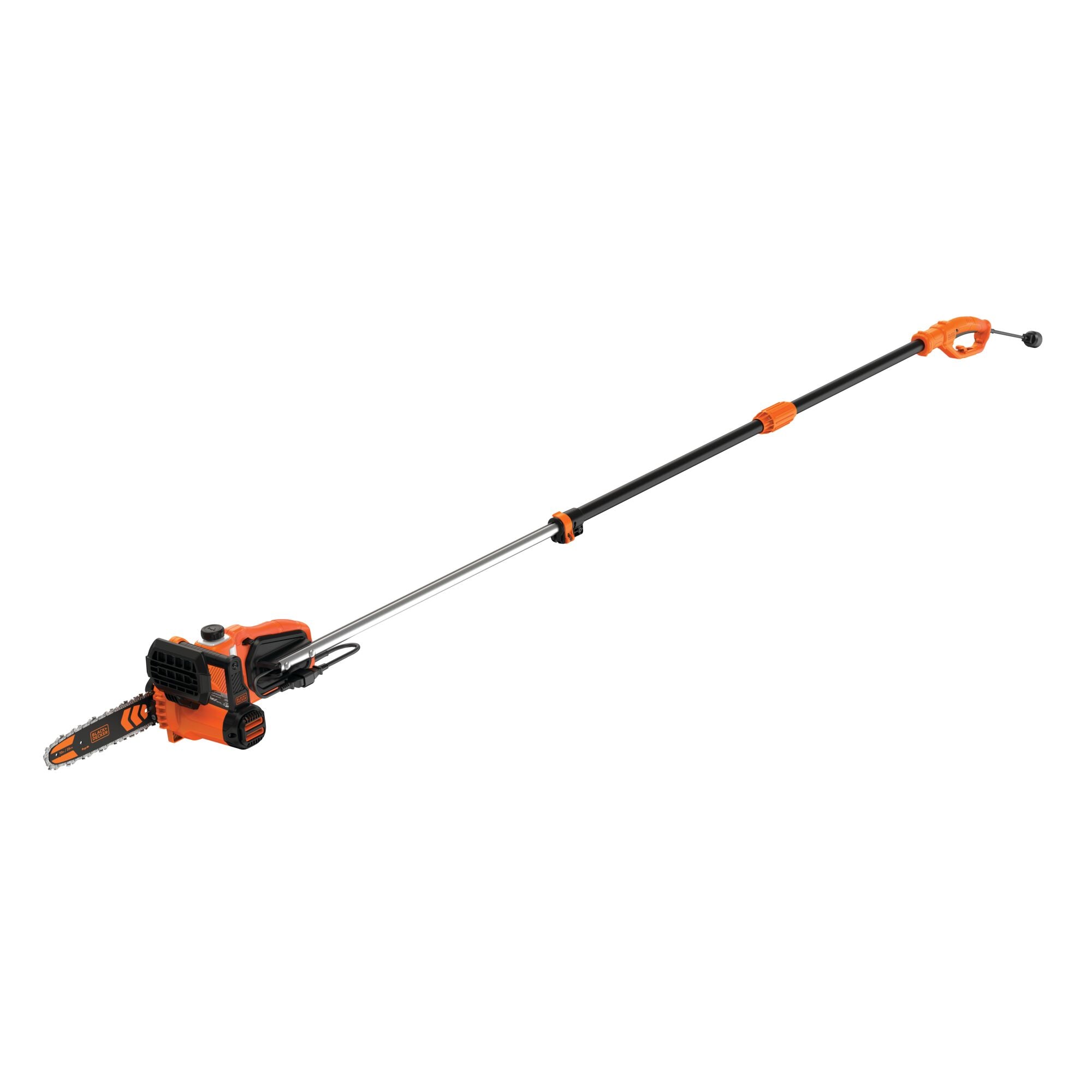
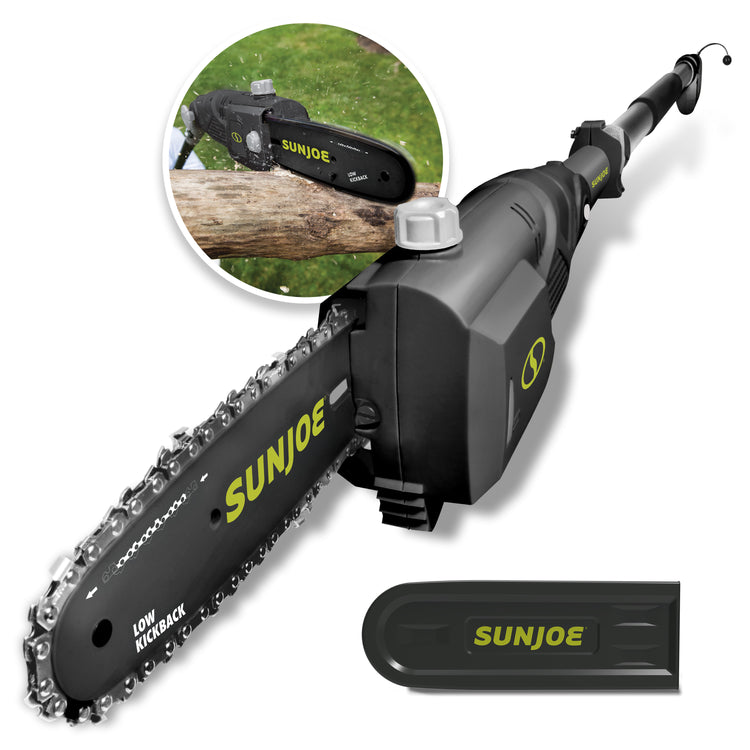
A short tour of the tool builds skill fast. Most models have a motor head with the bar and chain, a telescoping pole, a trigger with a safety lock, and a bar oil tank. Some heads pivot to set a better angle on the branch.
Corded and battery models work a bit different. Corded tools need an outdoor rated, grounded cord with the right gauge. Battery models need charged packs and good cooling time.
Check the bar length and chain pitch. Use only the chain type the maker specifies. Fill the oil tank with bar and chain oil. Never use old motor oil.
When I show people how to use an electric pole chainsaw, I point to balance. Slide the pole so the head feels light but steady. Lock the collar tight. A good balance reduces arm strain and keeps the cut true.
Pre-use checks and setup
Do these quick checks before you make a cut. They take two minutes and prevent most issues.
Numbered steps:
- Inspect the chain. Teeth should be sharp and even. If the chain makes dust, not chips, it needs a sharpen or swap.
- Set chain tension. Pull the chain at the bar middle. It should lift a bit and snap back. Drive links must stay in the groove.
- Fill bar oil. Run the saw for two seconds pointed at a board. You should see a light oil line on the wood.
- Check guards and locks. Test the trigger lock and any chain brake. Confirm the head angle lock is firm.
- Manage power. Use a 12–14 gauge outdoor cord for long runs, or a GFCI outlet. For batteries, bring a spare pack.
- Plan the drop zone. Pick a safe direction for the limb to fall. Clear hoses, chairs, and glass.
These are core to how to use an electric pole chainsaw with confidence. Small steps add up to safe work and clean cuts.
Step-by-step: how to use an electric pole chainsaw
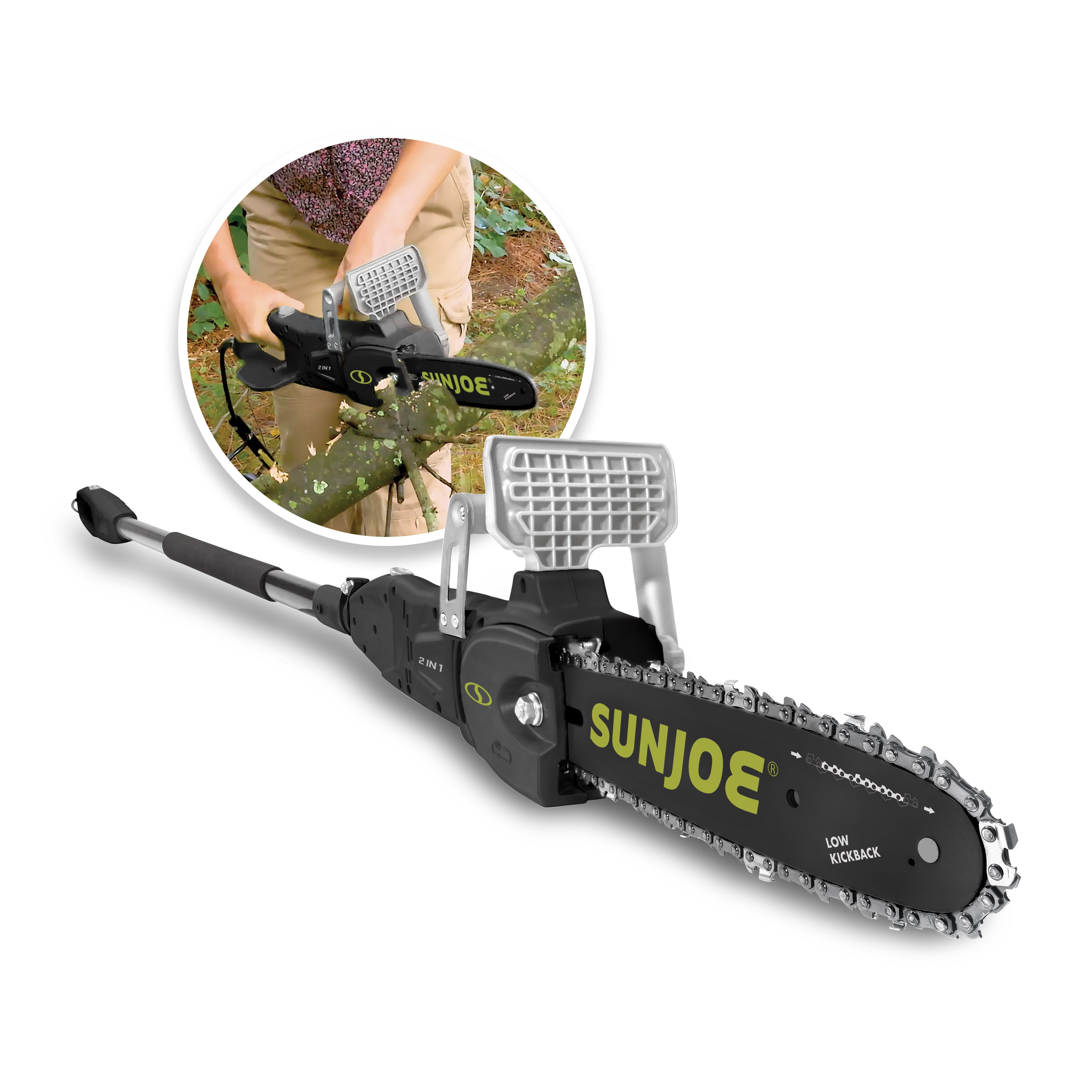
This section shows how to use an electric pole chainsaw in a simple, safe flow. I use the same steps when I train new users.
Numbered steps:
- Stand and grip. Plant your feet shoulder width. Keep your hands spaced on the pole. Hold at chest height. Keep the head above the branch.
- Set the angle. Aim the head so the chain pulls away from you. Avoid the bar tip near the wood to reduce kickback.
- Make a short undercut. Cut one inch from the bottom of the branch, a few inches out from the trunk. This stops bark tear.
- Make the top cut. Move the head a bit closer to the trunk. Cut from the top until the branch drops in your planned zone.
- Section big limbs. Cut long limbs in small parts. It is safer and easier to control.
- Wait for the chain to stop. Only then move your feet or change your stance.
- Repeat with care. Check chain oil and tension every 10 to 15 minutes.
Keep pressure light. Let the chain do the work. If the kerf pinches, ease off and make a relief cut. That is the heart of how to use an electric pole chainsaw without strain.
Personal tip: On my first storm cleanup, I skipped the undercut. The bark peeled and slapped the trunk. Since then, I always do the small undercut first. It takes seconds and saves the tree.

Cutting techniques and when to use them
Three-cut method for clean pruning. Make a small undercut. Make a top cut a bit farther out to remove the weight. Finish with a clean top cut near the branch collar. Do not cut flush to the trunk.
For small, dead twigs, use a quick top cut only. Keep cuts short and steady. Pause if the limb starts to twist.
For limbs near their max size, be strict. Most electric poles handle 4 to 8 inch limbs. If it is bigger than the bar can handle well, call a pro. This is a key part of how to use an electric pole chainsaw with good judgment.
Watch the tip. The upper quadrant of the bar tip is the kickback zone. Keep that area clear of wood. Use slow swings and small bites.
Use ropes for control when space is tight. A simple throw line can guide a limb off a fence. Do not tie limbs if you are not trained. Rope can load the limb in odd ways.
Maintenance and storage for long tool life
Good care is part of how to use an electric pole chainsaw the smart way. It makes cuts smoother and keeps you safer.
After work, brush the bar groove clean. Wipe sap from the chain and bar. Check the drive sprocket for wear. Top up bar oil for next time.
Sharpen often. A sharp chain makes chips and needs light pressure. Swap or file at the first sign of dust, smoke, or burning. Adjust chain tension only when the chain is cool.
Store the tool clean and dry. Batteries like a cool, dry shelf at mid charge. Corded tools should be coiled without kinks. Expect some oil seep in storage. Park on cardboard or a tray.
Troubleshooting common issues
Here is how to use an electric pole chainsaw and solve the usual snags fast.
Chain will not move. Check the trigger lock and power source. Make sure the chain is not over-tightened.
Cuts are slow and smoky. The chain is dull or dry. Sharpen the chain and confirm oil flow.
Chain keeps loosening. New chains stretch. Re-tension after the first few cuts and again mid job.
Oil leaks on the shelf. A little seep is normal. Check the cap seal and store upright on a pad.
Motor feels hot or weak. Give it a rest cycle. Use the right gauge cord. Swap to a fresh battery if needed.
Head angle slips. Tighten the head pivot knob. If it still slips, stop and have it serviced.
Frequently Asked Questions of how to use an electric pole chainsaw
What size branches can I cut with a pole chainsaw?
Most home units handle 4 to 8 inch branches. Check your manual and do not push past the rated size.
Do I need to oil the chain on an electric pole saw?
Yes. Fill with bar and chain oil before each use. Check that oil is flinging off the tip during a test run.
Can I use a ladder with a pole chainsaw?
No. Ladders and pole saws are a risky mix. Keep your feet on the ground and extend the pole instead.
How often should I sharpen the chain?
Sharpen at the first sign of dust, smoke, or extra force. Many users touch up the chain after every hour of cutting.
What extension cord should I use for a corded model?
Use an outdoor rated, grounded cord. Choose 12–14 gauge for long runs to prevent voltage drop.
How do I prevent kickback?
Avoid the bar tip, use small bites, and keep a firm two-hand grip. Let the chain cut at a steady pace.
Is it safe to cut near power lines?
No. Stay far away from lines and service drops. Call the utility or a certified arborist.
Conclusion
You now know how to use an electric pole chainsaw with clear steps, safe habits, and pro tips. Gear up, plan the cut, make the undercut, and finish clean. Keep your chain sharp and oiled, and work in small sections.
Start with a few easy cuts in a safe area to build skill. Use what you learned today to prune with care and protect your trees. Want more guides like this? Subscribe, share your questions, or leave a comment with your next project.