

Chainsaw Electric Vs Gas: Which Is Best For You In 2026
Electric chainsaws suit most homeowners; gas excels in heavy, remote cutting.
Storm-downed limbs, backyard firewood, or a new project fence—when you need clean cuts fast, the right saw matters. I’ve tested both styles for years, and I know how confusing the chainsaw electric vs gas debate can be. You weigh power, noise, weight, runtime, and cost. You consider neighbors, storage, and even winter starts. Below, I break down real-world picks that deliver. I’ll show where electric shines, when gas is still king, and which models hit that sweet spot for your yard, ranch, or cabin. Let’s get you cutting with confidence.
CRAFTSMAN 16-Inch 12A Corded Chainsaw

This 16-inch CRAFTSMAN is a no-fuss corded workhorse for yard owners. The 12-amp motor handles pruning, storm cleanup, and small firewood rounds with steady torque. It starts instantly, stays quiet, and avoids fuel mix headaches. If you want a clean cut without fumes, it delivers.
The light build helps reduce fatigue, especially on ladder work. An automatic oiler keeps the bar and chain fed, while a clear oil window makes top-offs simple. You will need an outdoor-rated extension cord, but for most suburban tasks, that is a fair trade for low cost and near-zero maintenance.
Pros:
- Lightweight and easy to control for beginners
- Instant start with no gas, fumes, or pull cords
- Automatic chain oiling and clear oil window
- Reliable torque for limbs and small logs
- Great value for routine yard work
Cons:
- Requires an extension cord and outlet
- Not ideal for remote or large-diameter hardwood
- Less bar length than pro gas models
My Recommendation
If you are comparing chainsaw electric vs gas for regular yard care, this corded CRAFTSMAN is a smart buy. It suits homeowners who want simple, quiet cuts and low upkeep. Keep a sharp chain and a good cord, and it will outpace gas saws for light tasks around the house.
| Best for | Why |
|---|---|
| Suburban yard cleanup | Quiet, instant start, low maintenance |
| Ladder work and pruning | Lightweight with steady control |
| Budget buyers | Solid performance at a low price |
EGO POWER+ 16-Inch Cordless Chainsaw CS1611
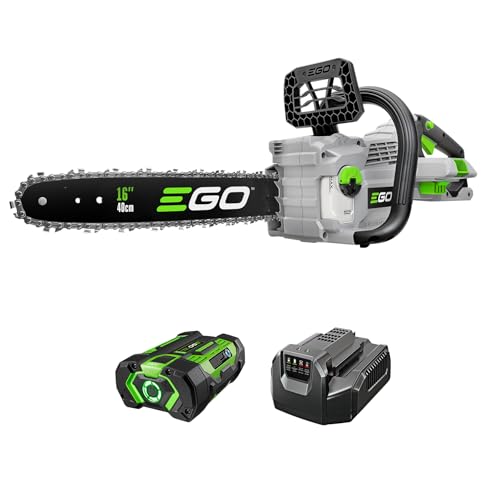
The EGO POWER+ CS1611 comes ready with a 56V 2.5Ah battery and charger. It is a strong cordless choice with quick chain speed, a calm sound profile, and fast throttle. For homeowners, it offers gas-like cutting with far less hassle. The 16-inch bar is a sweet spot for yard duty.
The brushless motor is efficient, which helps runtime and power under load. Auto-oiling keeps the chain fed. Battery swaps are fast, and the pack charges in a short window compared to many rivals. If you want freedom from cords without gas noise, this is a top pick.
Pros:
- Includes battery and charger, ready to cut
- Brushless motor for efficient power and long life
- Strong torque for hardwood limbs and rounds
- Quieter than gas, zero pull-starts
- Good chain speed for smooth, fast cuts
Cons:
- Runtime depends on battery size and load
- Heavier than small corded saws
- Replacement batteries can be pricey
My Recommendation
When I weigh chainsaw electric vs gas for busy yards, the EGO shines. It moves fast between cuts, handles tough branches, and skips fuel drama. Add a second battery if you want long sessions. For most homeowners who want power and quiet in one tool, this hits the mark.
| Best for | Why |
|---|---|
| Active homeowners | Strong torque with cordless freedom |
| Noise-sensitive areas | Quiet operation vs. gas models |
| Mixed yard tasks | 16-inch bar suits limbs and small logs |
62cc Gas Chainsaw, 20-Inch Bar (Orange)

This 62cc gas saw brings big-engine energy to large logs and downed trees. The 20-inch bar suits firewood, land clearing, and storm cleanup in the back forty. It starts with a pull, roars to life, and eats thick rounds that stop lighter tools. If you want raw output, it makes the case for gas power.
Weight and vibration are higher than most electric tools, but that is normal for this class. Keep fresh 2-stroke mix, sharpen the chain, and it will hold up for seasonal or ranch use. For remote sites with no power, this is a dependable route when you compare chainsaw electric vs gas.
Pros:
- High displacement for tough, thick hardwood
- 20-inch bar reaches into big logs
- Good value for heavy-duty cutting
- Works anywhere—no outlet or battery needed
- Fast crosscuts when tuned and sharp
Cons:
- Heavier and louder than electric saws
- Needs fuel mixing and more maintenance
- More vibration during long sessions
My Recommendation
If you often cut large rounds or work far from power, pick this gas model. In the chainsaw electric vs gas debate, high-displacement engines still rule long, hard cuts. Keep PPE on, maintain it well, and it will serve you well for rough jobs and storm seasons.
| Best for | Why |
|---|---|
| Big firewood jobs | 62cc engine and 20-inch bar |
| Remote land | No need for outlets or batteries |
| Heavy hardwood | Strong torque through thick grain |
Husqvarna 120 Mark III 16-Inch Gas Chainsaw

The Husqvarna 120 Mark III is a trusted entry gas saw for home users. The 38cc X-Torq engine balances power with fuel use and emissions control. It starts reliably and is ideal for pruning, limbing, and small rounds. Husqvarna’s chain brake and auto-oiler add safety and convenience.
This is a great first gas chainsaw if you want brand support and proven parts. It is lighter than big ranch saws, yet still strong enough for yard trees. If you face the chainsaw electric vs gas choice and want a mild gas step, this model is an easy yes.
Pros:
- Reputable brand with wide parts support
- X-Torq engine helps reduce fuel use and emissions
- Chain brake and auto-oiler improve safety and ease
- Good weight for homeowners learning gas tools
- Handles pruning, limbing, and light firewood
Cons:
- Not made for very large hardwood logs
- Requires fuel mix and regular tune-ups
- Louder than electric options
My Recommendation
Pick the 120 Mark III if you want a simple, dependable gas saw for home tasks. It gives you fuel freedom without the heft of pro gear. For buyers stuck on chainsaw electric vs gas, this is the gas answer for smaller trees and regular pruning.
| Best for | Why |
|---|---|
| First-time gas users | Easy start and manageable size |
| Pruning and limbing | 16-inch bar with light handling |
| Brand-conscious buyers | Husqvarna support and reliability |
Oregon CS1500 Self-Sharpening Chainsaw
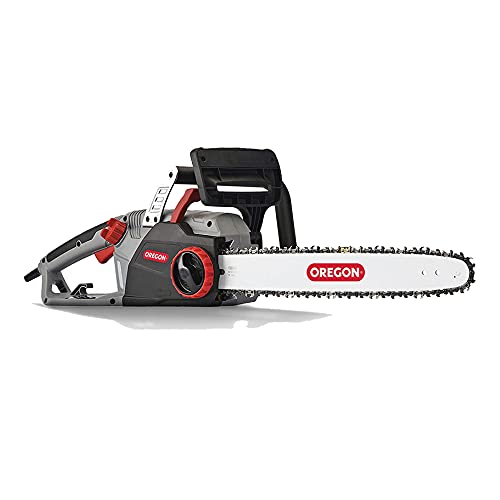
The Oregon CS1500 is famous for its built-in PowerSharp system. Pull the lever for a few seconds, and the chain sharpens on the bar. For homeowners, that means less downtime, fewer tools, and safer cuts. As a corded saw, it also offers instant start and steady power.
It is a great pick for users who do not want to fuss with files or shop visits. Keep bar oil filled, plug into a heavy-duty outdoor cord, and go. When comparing chainsaw electric vs gas for low-hassle cutting, this one turns the tide toward electric in a big way.
Pros:
- Self-sharpening lever saves time and money
- Constant power with corded design
- Simple upkeep—no carb, plugs, or fuel
- Good for pruning, bucking small logs, and storm debris
- Quieter and cleaner than gas
Cons:
- Needs an extension cord
- Not built for big-diameter hardwood
- Heavier than some compact corded models
My Recommendation
If sharpening is your pain point, get the CS1500. It keeps you cutting with a quick lever pull, which boosts safety and speed. For homeowners checking chainsaw electric vs gas, this gives a pro-level perk with a very friendly learning curve.
| Best for | Why |
|---|---|
| Low-maintenance users | On-board chain sharpening |
| Storm cleanup | Instant start and smooth cuts |
| Budget-conscious | Lower long-term upkeep costs |
Snoonwee 58cc Gas Chainsaw, 18/20-Inch Bars

This Snoonwee 58cc kit includes both 18-inch and 20-inch bars, which adds a lot of value. Use the 18 for better control on limbing, then swap to 20 for big cuts. The 3.6 HP engine, easy start, and anti-vibration mounts help it run smoother in long sessions.
It is built for ranch and farm chores that push small electrics to their limit. If you live rural and cut cords of wood each season, it keeps pace. In the chainsaw electric vs gas matchup, this is a budget-friendly gas option with flexibility out of the box.
Pros:
- Includes 18-inch and 20-inch bars for flexibility
- Decent power for heavy yard and farm work
- Anti-vibration design reduces fatigue
- Easy-start system helps cold starts
- Good value for large cutting needs
Cons:
- Heavier than homeowner electrics
- More noise and fumes than cordless
- Requires regular tune-ups and fuel storage
My Recommendation
Choose Snoonwee if you need one saw kit for many jobs. Swap bar sizes to fit the task and keep moving. For buyers who compare chainsaw electric vs gas and want low cost per cut in remote areas, this package makes strong sense.
| Best for | Why |
|---|---|
| Ranch and farm | Power and bar options for varied tasks |
| Seasonal firewood | Good engine power for long cuts |
| Value seekers | Two bars included in one kit |
VEVOR 62cc 20-Inch Gas Chainsaw
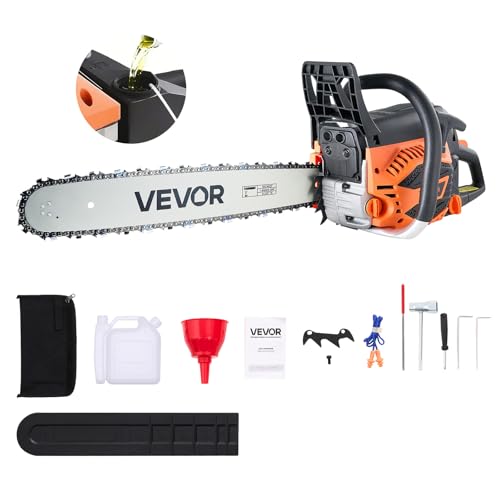
The VEVOR 62cc brings a stout 3.8 HP 2-stroke engine and a 20-inch bar. It targets heavy cuts, from thick oak to land clearing. A non-slip handle and firm chassis help with control under load. Dual fuel tanks on this design support longer sessions between stops.
If you need to tackle large trees or thick logs, this kind of capacity saves time. It is not quiet or light, but it is effective. For people who weigh chainsaw electric vs gas and favor maximum reach and power, VEVOR delivers a lot for the price.
Pros:
- High power output for big jobs
- 20-inch bar reaches through large rounds
- Non-slip handle improves grip and safety
- Longer runtime with dual tank design
- Strong value for heavy-duty work
Cons:
- Hefty weight and higher vibration
- Loud operation requires hearing protection
- More upkeep than electric models
My Recommendation
Pick the VEVOR if your jobs demand size and stamina. It is a land-clearing ally, not a patio pruner. In the chainsaw electric vs gas choice, this sits squarely on the gas side for folks who cut big wood and need long reach in remote spots.
| Best for | Why |
|---|---|
| Land clearing | Powerful 62cc engine, long bar |
| Large firewood rounds | Cuts thick hardwood without bogging |
| Rural properties | Fuel-based freedom far from outlets |
62cc Gas Chainsaw, 20-Inch Bar (Blue)

This blue 62cc gas model mirrors the orange variant with a focus on rugged cutting. The 20-inch guide bar, ample displacement, and simple controls hit the needs of firewood and storm crews. It is built for people who do not want to wait on batteries or cords.
Like all gas saws in this class, it demands regular maintenance. Use fresh fuel, keep the air filter clean, and inspect the chain brake. For those choosing chainsaw electric vs gas and leaning toward raw muscle, this is a cost-effective path to more bite per pass.
Pros:
- Strong engine for demanding cuts
- 20-inch bar for large-diameter wood
- Works anywhere you can bring fuel
- Solid option for seasonal heavy use
- Simple controls with familiar layout
Cons:
- More noise and fumes than electric
- Heavier and more fatiguing over time
- Needs tuning and upkeep to perform well
My Recommendation
Choose this if you want a big cut on a fair budget. It is not subtle, but it gets through hardwood rounds fast. In the chainsaw electric vs gas face-off, this represents a classic gas setup for big trees and heavy cleanup away from power.
| Best for | Why |
|---|---|
| Storm cleanup | Long bar and stout torque |
| Firewood processing | Efficient crosscuts in thicker logs |
| Remote work | No cord or charging needed |
SEESII 40V 16-Inch Cordless Chainsaw

The SEESII 40V kit is generous: two 4.0Ah batteries plus a charger. That means you can cut with one pack while the other charges. The 16-inch bar, brushless motor, and auto-oiling keep the saw cutting clean and smooth. Tool-free chain tensioning makes quick adjustments easy.
For homeowners who want cordless freedom without premium pricing, this is a strong choice. Two batteries stretch runtime, so you can finish weekend tasks without stress. If chainsaw electric vs gas is your question, SEESII gives you the benefits of electric with smart runtime planning.
Pros:
- Includes 2×4.0Ah batteries for longer sessions
- Brushless motor balances power and efficiency
- Tool-free chain tension is quick and simple
- Auto-oiler reduces wear and heat
- Good value for a full cordless kit
Cons:
- Heavy with battery compared to corded units
- Slower in very thick hardwood logs
- Plastic bucking spikes have limited bite
My Recommendation
Get SEESII if you want a complete cordless setup in one box. Two batteries solve most runtime worries for typical yards. In the chainsaw electric vs gas puzzle, this lands as a practical, quiet pick for frequent, moderate cutting.
| Best for | Why |
|---|---|
| Homeowners on a budget | Two batteries included for value |
| Regular yard upkeep | 16-inch bar with easy tensioning |
| Cordless convenience | No extension cords to manage |
Husqvarna Power Axe 350i 18-Inch Cordless

The Power Axe 350i is Husqvarna’s premium cordless play, with an 18-inch bar and a high-capacity 40V 7.5Ah battery included. The brushless motor and tuned electronics give smooth, strong cutting with low noise. It feels refined in hand, with less vibration and quick throttle response.
It brings a serious electric option for people who want near gas-level work without fumes. Auto-oiling, strong chain speed, and quality fit-and-finish show in each cut. If chainsaw electric vs gas has you on the fence, this Husqvarna makes a very good case for top-tier electric.
Pros:
- Includes a 7.5Ah battery for long runtime
- 18-inch bar reaches bigger limbs and logs
- Premium build with low vibration
- Fast throttle response and smooth cuts
- Quiet operation with brand support
Cons:
- Higher upfront cost than budget models
- Heavier than small electrics
- Extra batteries add to total spend
My Recommendation
Choose the Power Axe 350i if you want elite cordless performance. It stands out for build and runtime, and it bridges the chainsaw electric vs gas gap for many homeowners. If you want quiet strength and a longer bar, this is worth the investment.
| Best for | Why |
|---|---|
| Premium cordless users | Long runtime and 18-inch reach |
| Noise-sensitive areas | Much quieter than gas |
| Brand reliability | Husqvarna quality and support |
FAQs Of chainsaw electric vs gas
Which is better for homeowners: electric or gas?
For most homeowners, electric wins. It is quieter, easier to start, and needs less care. Gas is better only if you cut large logs often or work far from power.
Can an electric chainsaw cut hardwood logs?
Yes, within reason. A strong cordless or corded saw can handle hardwood up to mid diameters. For very thick oak or maple, a larger gas model is faster.
How long does a cordless chainsaw battery last?
Most packs run 20–45 minutes of active cutting. Runtime varies with wood size, chain sharpness, and battery amp-hours. Extra packs extend work time.
What maintenance differs between electric and gas?
Electric saws need bar oil, chain tension, and sharpening. Gas adds fuel mixing, air filters, spark plugs, carb tuning, and winter storage steps.
Which is safer and quieter?
Electric is quieter and has no hot exhaust. Both require PPE and safe habits. A sharp chain and firm stance matter more than motor type.
Final Verdict: Which Should You Buy?
For most homeowners, electric wins the chainsaw electric vs gas debate. It starts fast, runs quiet, and cuts clean for yard tasks.
If you face big logs, remote work, or heavy firewood, gas is still king. Choose based on your wood size, location, and tolerance for upkeep.


