What Causes Kickback On A Chainsaw: Fixes And Prevention
Kickback happens when the bar tip grabs, stalls, and slings the saw up and back.
If you want a safe, clean cut every time, you need to understand what causes kickback on a chainsaw. I have trained new crews and seasoned cutters, and the same rules apply to all. In this guide, I explain the mechanics, the common mistakes, and the fixes. Keep reading, and you will know how to spot risk fast and cut with control.

What Is Chainsaw Kickback?
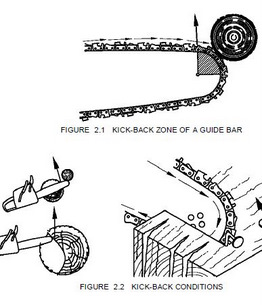
Kickback is a sudden, violent upward and backward motion of the saw. It happens in a flash when the bar tip bites more wood than it can cut. The chain stalls at the nose, and the bar whips toward the operator.
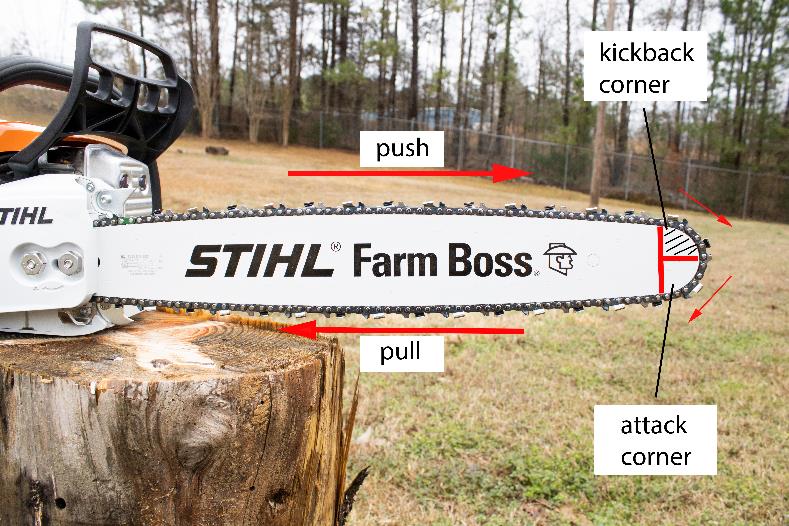
This force comes from the top quadrant of the bar tip. People call it the kickback zone. If you want a simple answer to what causes kickback on a chainsaw, this zone is where almost all events start.
Kickback is not the same as pushback or pull-in. Pushback shoves the saw toward you during a rip cut. Pull-in drags the saw into the cut at the start. Kickback is faster and more dangerous because it arcs toward your head and neck.

How Chainsaw Mechanics Create Kickback
A chainsaw chain moves around the bar at high speed. Each cutter has a top plate and a depth gauge, also called a raker. If the raker is too low, the cutter takes a bigger bite. At the bar tip, even a small extra bite can stall the chain and trigger kickback.
Three reactive forces matter:
- Pull-in happens when the bottom of the bar grabs as you start a cut.
- Pushback happens on the top of the bar when the kerf closes and pinches.
- Kickback happens at the upper bar tip when the chain’s path and the wood force collide.
Anti-kickback features help but do not remove risk. Low-kickback chains use bumper links. Small-radius guide bar noses reduce leverage. Chain brakes aim to stop the chain in a split second. Still, the physics win if you feed the tip into the wrong spot. That is the heart of what causes kickback on a chainsaw.

Top Causes of Chainsaw Kickback
Here is the deep dive into what causes kickback on a chainsaw. Think of four groups: contact, mechanical, operator, and environment.
Contact mistakes
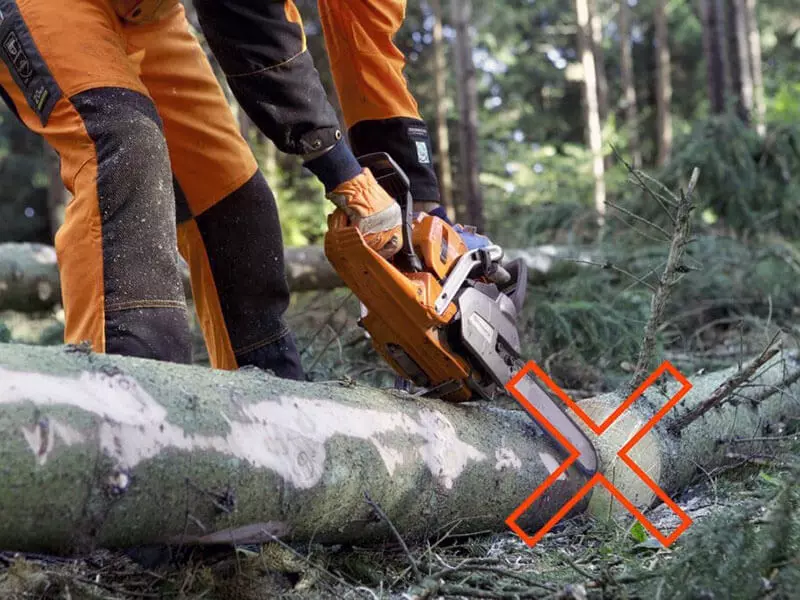
- Bar tip touches wood by accident while limbing or moving between cuts.
- The upper quadrant of the nose hits knots, crotches, or another branch.
- Plunge cuts or boring with poor control of the tip path.
- Hidden metal, stone, or wire buried in the trunk.
Mechanical and setup issues
- Dull chain needs force, so the bar tip wanders into the kickback zone.
- Depth gauges filed too low, so each tooth bites too much.
- Wrong chain type for the bar and saw power.
- Loose chain tension or worn guide bar rails, so the chain rides up.
- Weak or faulty chain brake, clutch, or sprocket.
Operator errors
- One-handed use, bad stance, or poor grip alignment.
- Cutting above shoulder height.
- Starting a cut with the bar tip instead of the lower bar quadrant.
- Standing in the kickback arc rather than off to the side.
Environment and wood behavior
- Pinched kerfs from heavy lean or wind load.
- Knots, crotches, and cross-grain that grab cutters.
- Frozen, very dry, or very stringy wood fibers that tear instead of chip.
From years on storm cleanup, I learned that small twigs can hide the tip as you swing the saw. That tiny touch on the tip can launch the bar. If you must move fast, move smart. Park the tip clear, then cut.

Material and Scenario Triggers You Should Expect
Different wood and settings change what causes kickback on a chainsaw.
- Knotted softwoods: Knots are hard and grabby. They push the chain up at the tip.
- Frozen wood: Ice bonds fibers. Cutters ride and skip, then stall at the nose.
- Dirty bark or sand: Grit dulls the chain fast. A dull chain drifts into the tip zone.
- Tensioned limbs: Fibers spring as you cut. The work pinches, then snaps into the tip.
Real case: During a winter prune, my crew hit a frozen crotch cut with a half-dull chain. The tip nicked the fork. The brake caught the kick. The lesson was simple. Swap or sharpen sooner in cold work.
Operator Technique: Common Mistakes And Better Habits
Technique is a big slice of what causes kickback on a chainsaw. The good news: small changes help a lot.
Do this:
- Square your shoulders, feet wide, and grip with thumbs wrapped.
- Keep the saw close. Stand slightly to the left of the bar, not in line with it.
- Use the lower half of the bar for most cuts.
- Engage the chain brake when you move between cuts.
- Plan cuts so the tip never trails blind behind a limb.
Avoid this:
- Reaching high or cutting one-handed.
- Starting cuts with the nose.
- Twisting the bar in a tight fork.
- Forcing a dull chain. If you push hard, stop and sharpen.
I mentor new fallers to count “thumbs and tip.” If both thumbs are locked and you see your tip, you are safer. If either fails, reset.
Equipment Factors And Maintenance That Drive Kickback Risk
Gear choices shape what causes kickback on a chainsaw. Set up your saw for control, not speed.
- Chain type: Low-kickback chain with bumper drive links reduces nose grab.
- Bar nose radius: Smaller noses cut kickback energy.
- Depth gauges: Keep them to spec. Use a gauge, not a guess.
- Chain sharpness: Sharp, even teeth need less feed force.
- Chain tension: Set warm, with the drive links still seated in the bar groove.
- Chain brake: Test the brake before each job with a snap test.
- Sprockets and rails: Replace worn parts. A worn sprocket makes the chain climb.
I log hours on both pro and homeowner saws. On small saws, a bumper chain and small nose bar make a night-and-day change. If you ask me what causes kickback on a chainsaw most on the yard crew, it is dull cutters and rakers filed too low.
How To Prevent And Reduce Kickback
Here is a clear plan that answers what causes kickback on a chainsaw and how to stop it.
- Map your cut. Spot the kickback zone and clear it from branches.
- Hold with two hands. Lock thumbs. Keep elbows slightly bent.
- Stay out of the arc. Stand off to the left of the bar line.
- Start cuts with the lower bar. Avoid the top nose area.
- Use low-kickback chain and a small-nose bar when fit for the job.
- Keep the chain sharp. Touch up every tank or sooner in dirty wood.
- Set depth gauges with a guide after every two to three sharpenings.
- Check tension often. Heat loosens chains.
- Use the chain brake when you move your feet or change stance.
- Avoid cutting above shoulder height. Use proper supports or polesaws.
- Learn safe bore cuts with training before field use.
- Wear PPE: helmet, eye and face shield, hearing protection, gloves, chaps, and boots.
A final tip I teach: index your left wrist against the front handle brace. If the saw kicks, your wrist helps trip the brake.

Training And What To Do If Kickback Happens
Even if you know what causes kickback on a chainsaw, surprises happen. A calm plan saves you.
If kickback starts:
- Release the throttle and keep your grip. Do not swat the saw away.
- Let the chain brake stop the chain. Hold stance and reset.
- Step back, re-plan the cut, and fix the cause before you try again.
Get trained on reactive forces, safe bore-cut drills, and emergency stops. Skill builds muscle memory. That is what keeps you safe when things go wrong.
After A Kickback: Inspect Before You Cut Again
A kickback is rough on the machine. Do a quick check before the next cut. This step also teaches what causes kickback on a chainsaw in your case.
- Chain: Look for rolled edges, broken teeth, or bent drivers.
- Bar: Check for rail flares, burrs, or a bent nose.
- Sprocket and clutch: Listen for grind and check for wobble.
- Chain brake: Test engagement and band wear.
- Handles and mounts: Look for cracks or loose fasteners.
If anything seems off, service the saw. Do not “push through.” Small damage can spark a bigger failure.
Frequently Asked Questions
What causes kickback on a chainsaw the most?
The most common cause is the bar tip contacting wood with the upper quadrant. Dull chains and low depth gauges make this worse.
Does a low-kickback chain stop kickback?
It reduces the chance and the force, but it does not remove risk. Good technique and a working chain brake are still key.
Why does a dull chain increase kickback?
A dull chain needs more push to feed. That extra force makes the tip drift into the kickback zone and stall.
Can plunge cuts be safe?
Yes, with training and a sharp chain. You must control the tip path and keep your body out of the kickback arc.
How do I know my depth gauges are too low?
The saw chatters, grabs, and pulls hard, especially at the nose. Use a depth gauge tool and reset to the maker’s spec.
Does bar nose size matter?
Yes. A smaller nose reduces leverage and the size of the kickback zone. It lowers risk, especially for yard work and pruning.
Will a chain brake always stop injury?
It reduces injury risk but does not guarantee safety. Distance from the bar and proper stance matter as much.
Is kickback worse in frozen wood?
Often yes. Frozen fibers chip poorly and increase stall at the tip. Sharpen often and take lighter feed.
Can one-handed cutting cause kickback?
Yes, and it removes your control and brake reflex. Always cut with two hands and a stable stance.
How often should I sharpen to prevent kickback?
Touch up every tank, or sooner in dirty or frozen wood. A sharp, even chain lowers feed force and tip drift.
Conclusion
Kickback is fast, violent, and preventable. The root of what causes kickback on a chainsaw is the bar tip grabbing more wood than the chain can cut. The fix is simple in idea and strong in practice: sharp chain, correct rakers, steady stance, two hands, and zero surprise tip contact.
Make these habits part of every cut. Train your crew, check your gear, and keep learning. If this guide helped, subscribe for more pro tips, ask a question, or share your own lesson to help others stay safe.