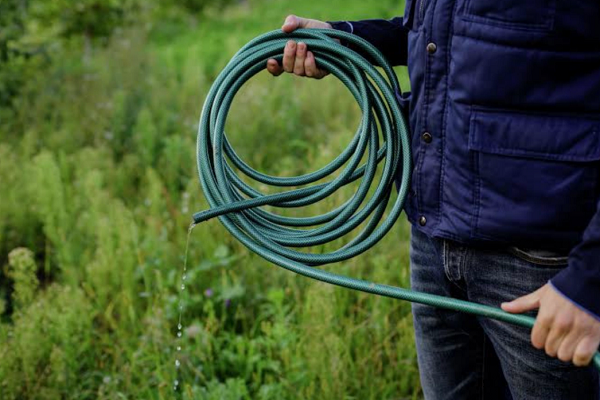
Measure your farthest watering point, then add 10–15 feet for easy maneuvering.
Choosing the right garden hose length seems simple, but small mistakes cost time, water, and money. In this guide, I explain how to choose the right garden hose length with a clear plan, real numbers, and pro tips from years of yard work. You will learn how length affects flow, which size works for your layout, and how to balance reach with weight and storage. By the end, you will know exactly how to choose the right garden hose length for your space and tasks.
How to choose the right garden hose length: a simple framework
Most homes use standard hose lengths. You will see 25, 50, 75, and 100 feet on the shelf. The trick is to measure your real path, not the straight line on a map. Follow this simple framework on how to choose the right garden hose length.
- Map your route
- Find your main spigot and any secondary taps.
- Walk the exact path you will use. Go around beds, fences, or cars.
- Add distance for going around corners and avoiding sharp edges.
- Measure the farthest reach
- Use a tape, a long string, or count steps. One big step is about 2.5 feet for most adults.
- Note the longest point you will water often, not the rarest point.
- Add slack
- Add 10–15 feet so you do not tug on fittings.
- Add 5 extra feet for every two tight corners.
- If you use a reel or wall mount, add 5–10 feet for the wrap.
- Choose the nearest standard length
- If your need is 58 feet, pick 75 feet, not 50.
- If your need is 42 feet, pick 50 feet, not 75.
- Two shorter hoses joined with quick-connects can beat one long heavy hose.
- Control pressure and flow
- Longer hoses reduce flow. Most homes have 40–60 PSI at the spigot and 5–10 GPM flow.
- Expect a small drop per 50–100 feet, more with narrow hoses and high flow.
- If you need strong sprinkler performance at long runs, use 3/4 inch hose or split runs.
My field rule on how to choose the right garden hose length: buy only the reach you need for weekly tasks, then solve rare long jobs with a leader hose, a second spigot, or a portable reel. You will carry less weight and your hose will last longer.

Measuring your space: yard layouts and common lengths
Your yard shape drives how to choose the right garden hose length. A small courtyard needs a different plan than a deep lot. Use these layout notes.
Small patios or balconies
- 25 feet covers pots, a small bed, and car rinse.
- Choose 50 feet if you need to reach a curb or shared drive.
Townhomes and narrow lots
- 50 feet is the sweet spot for front to sidewalk.
- 75 feet if you wrap around to side beds or a tiny backyard.
Typical suburban yard
- 50–75 feet from a side spigot reaches front yard and half of back yard.
- Use two spigots if you have them. Keep hoses short on each side.
Large or deep lots
- 100 feet can reach far beds, but it is heavy and slow to drain.
- Consider a 75 foot 3/4 inch hose and a 25 foot leader hose for flexibility.
Irregular shapes and obstacles
* Add 10 feet for every long detour.
- Add length if you cross lawn furniture, decks, or shrubs.
Real-world tip: I measure with a 25 foot rope and move it end-to-end. It is faster and more honest than guessing. This one habit has saved many clients from buying 100 foot hoses they hate to carry.
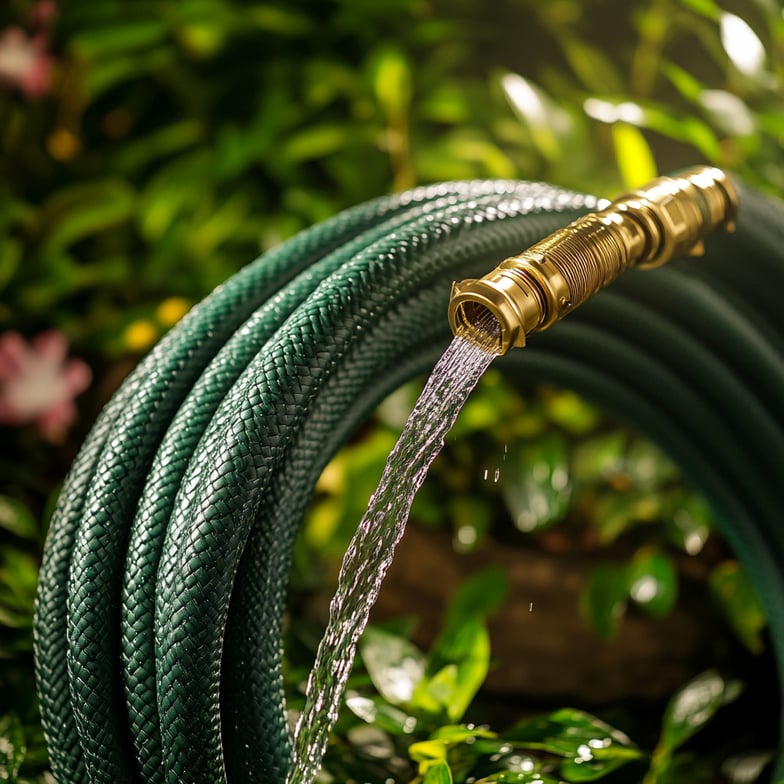
Hose diameter, flow, and pressure: why length is only half the story
How to choose the right garden hose length is tied to hose diameter. Length and diameter work together. They change how much water reaches your plant or sprinkler.
Common diameters
- 1/2 inch is light but restricts flow. Best for short runs and hand watering.
- 5/8 inch is the best all-around choice for most homes.
- 3/4 inch delivers the most flow. Best for long runs, sprinklers, and filling.
Flow and pressure basics
- Most home spigots run 40–60 PSI and 5–10 GPM.
- Longer and narrower hoses lose more pressure. Sprinklers may not pop up or rotate well.
- A 3/4 inch hose at 100 feet can hold pressure better than a 5/8 inch hose at the same length.
Practical example
- You run an impact sprinkler that needs about 3–5 GPM.
- At 100 feet of 5/8 inch hose, spray is weak. Switch to a 3/4 inch hose or drop to 75 feet. Flow improves.
- This is why how to choose the right garden hose length also means choosing diameter well.
If you plan to run soaker hoses, pressure loss is also key. Keep feeder hose short and use a larger diameter to your manifold. Your beds will water more evenly.
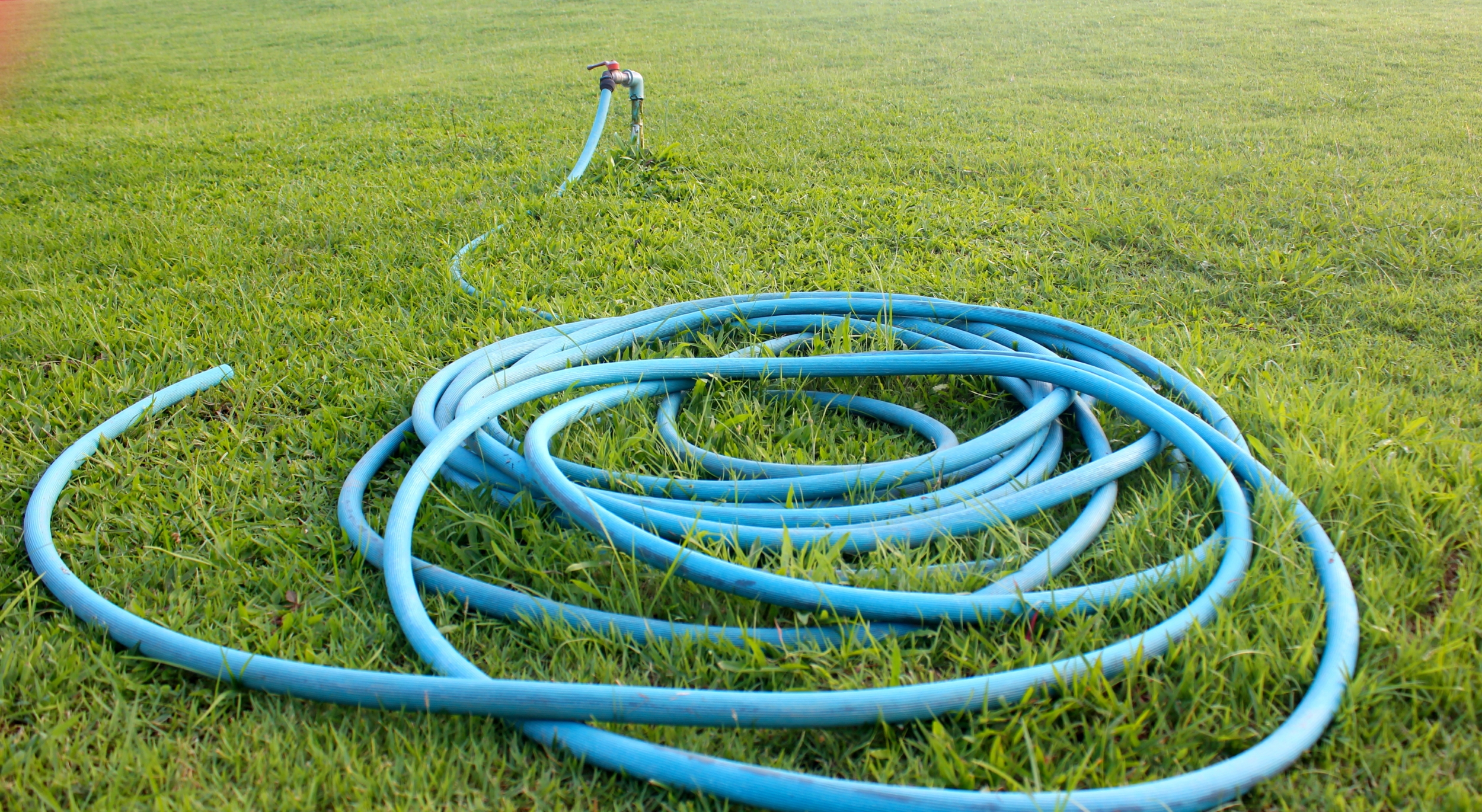
Weight, storage, and safety: the real-life tradeoffs
A long hose is handy until you move it. Weight and storage affect how to choose the right garden hose length.
Weight and handling
- A 100 foot rubber hose can weigh 20–25 pounds when dry. Add more when wet.
- Longer hoses kink more when dragged around corners.
- Shorter sections with quick-connects can reduce strain on your back.
Storage
- Wall reels keep hose off the ground and reduce kinks.
- Portable carts let you move a long hose near the work and store it dry.
- Hose pots look nice but can tangle if you overstuff them.
Safety and durability
- Do not route across driveways or walkways if you can avoid it.
- UV and heat shorten hose life. Store in shade when possible.
- Brass fittings last longer than plastic. Rubber outlasts vinyl under sun and heat.
When I visit clients who ask how to choose the right garden hose length, I also check storage. Good storage doubles the life of a good hose. It also makes you more likely to water on time.
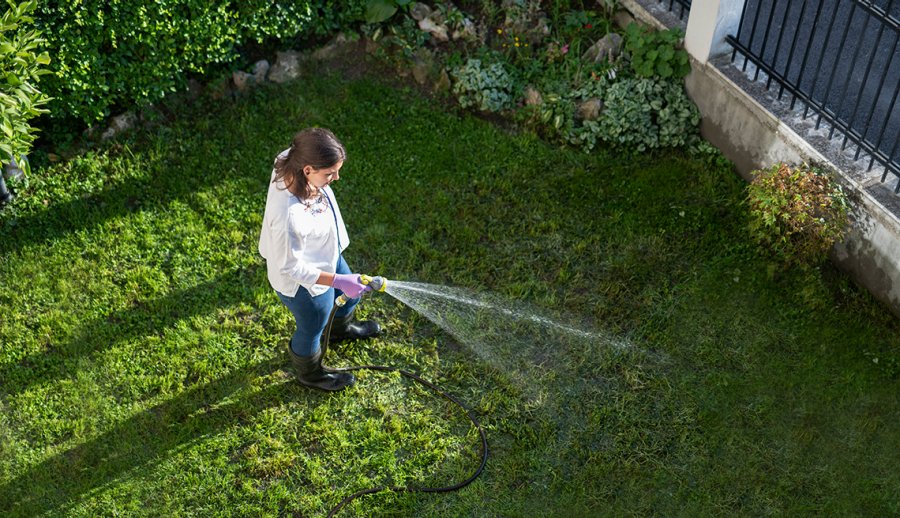
Smart setups for flexible reach
You can design your setup so you do not need a single long hose. This is a smart way to solve how to choose the right garden hose length without pain.
Leader hose
- Use a 3–10 foot leader to connect a reel to the spigot.
- Keeps the working hose free for the yard.
Y-splitter or manifold
- Split the spigot into two or four lines.
- Keep separate hoses for front beds and lawn tools.
Portable reel and quick-connects
- Wheel a 75 foot hose to the area you need, then snap on tools.
- Quick-connects prevent cross-threading and save your wrists.
Daisy-chaining with a plan
- Connect two hoses only when needed for rare long reaches.
- Store the second hose indoors to maximize life.
Expandable hoses
- Light and easy for short runs. Many do not like high pressure or hot water.
- Keep them under 50 feet and use gentle flow to extend life.
I carry two hoses on my truck. A 50 foot 5/8 inch for most jobs. A 75 foot 3/4 inch for long runs and sprinklers. This mix solves how to choose the right garden hose length for almost any home visit.

Mistakes to avoid and pro tips from the field
Buying a hose is not a big project, but small errors add up. Here is how to choose the right garden hose length without regrets.
Common mistakes
- Buying 100 feet “just in case.” You end up dragging it for every small task.
- Ignoring hose diameter. The wrong size hurts sprinkler performance.
- Measuring a straight line and forgetting the route around beds.
- Not adding slack for reels and corners.
Pro tips
- Start with the shortest hose that covers 90 percent of your watering.
- Add a second hose or leader when the rare need comes up.
- Use brass quick-connects to join hoses fast. No leaks, no fuss.
- Mark spigots on a simple yard sketch. Update it when you add beds or a shed.
Personal lesson
I once set a client up with a single 100 foot hose for a deep lot. She hated it within a week. We switched to a 50 foot on each side with a Y-splitter and two reels. Same reach, half the effort. That fix is my go-to answer when people ask how to choose the right garden hose length for daily use.

Quick reference: length recommendations by task
Use this cheat sheet to speed up how to choose the right garden hose length. Adjust for your yard and spigot location.
Hand watering beds near the house
- 25–50 feet, 5/8 inch. Add a spray nozzle for control.
Front yard plus driveway wash
- 50 feet, 5/8 inch. Add 10 feet of slack if you wrap around cars.
Backyard lawn and beds on one side
- 75 feet, 5/8 inch. Use a reel to avoid kinks.
Long runs to sprinklers or filling stock tanks
- 75–100 feet, 3/4 inch. Keep connectors tight and straight.
Soaker hose systems
- Keep feeder hose short. Use 3/4 inch to a manifold, then soakers in zones.
Pressure washers
- Keep garden supply hose 25–50 feet to maintain inlet pressure. Use the machine’s high-pressure hose for reach.
RVs, boats, and remote spigots
- A 50–75 foot drinking-water-safe hose. Store it clean and coiled.
If you still wonder how to choose the right garden hose length for mixed tasks, break the job into zones. Size each zone with the shortest hose that works, then plan for a rare long reach with a second hose.
Cost and durability: buying once, crying once
Price rises with length and quality. It is tempting to go cheap and long. For how to choose the right garden hose length, think total cost over years, not months.
What to look for
- Solid brass fittings with strain relief at the ends.
- Kink-resistant rubber or heavy-duty hybrid materials.
- A good warranty and easy customer service.
Why quality pays
- Less leaking and fewer kinks means less waste and frustration.
- A durable 50 foot hose can outlast two cheap 100 foot hoses.
- Better fittings protect your spigot threads and prevent drips.
Budget tip
Buy one high-quality hose in the core length you use daily. Add a basic second hose for rare extension. This combo solves how to choose the right garden hose length and saves money over time.

Frequently Asked Questions of how to choose the right garden hose length
How do I measure my yard to pick a hose length?
Walk the path you will take and measure it with a tape, rope, or steps. Add 10–15 feet for slack, corners, and reel wrap.
Is it better to buy one long hose or two shorter hoses?
Two shorter hoses are easier to carry and store. Join them only when needed for long reaches to cut weight and kinks.
How does hose diameter affect the length I should choose?
A larger diameter holds pressure better over long runs. If you need 100 feet, a 3/4 inch hose will deliver stronger flow than 5/8 inch.
Will a longer hose reduce my water pressure?
Yes, longer hoses reduce flow and effective pressure, especially with narrow hoses. Keep runs short or use a larger diameter for sprinklers and filling tasks.
What if my yard needs 60 feet but hoses come in 50 or 75 feet?
Pick 75 feet to avoid strain and tight bends. Or use a 50 foot hose plus a 10–15 foot leader hose when needed.
Can I use an expandable hose for long distances?
Expandable hoses are light and great for short runs. Many lose performance and durability at long distances or higher pressure.
How much slack should I add to my measurement?
Add 10–15 feet for daily comfort. Add more if you have many corners or use a reel.
Conclusion
You now know how to choose the right garden hose length with confidence. Measure the real route, add smart slack, match the diameter to the job, and keep storage simple. Shorter daily hoses plus a planned extension beat one heavy coil every time.
Put this plan to work today. Walk your yard, mark your path, and pick the closest standard length that fits. If this helped you master how to choose the right garden hose length, share it with a neighbor, subscribe for more yard tips, or drop a question in the comments.