
How To Best Care For Your Asparagus Garden: Pro Tips 2026
Asparagus is one of the most generous perennials you can grow — a single well-prepared bed can produce tender spears every spring for 15 to 20 years. But it does not reward shortcuts. Unlike lettuce or tomatoes, asparagus runs on a three-year rhythm, and every season has a specific job. Mess up the soil before planting, or harvest too heavily too soon, and you will pay for it for years.
This guide walks through the full 2026 care calendar: choosing crowns, building the right soil, planting, watering, feeding, protecting the ferns, and harvesting without weakening the crown. Follow it, and your asparagus bed will keep producing long after other garden crops have come and gone. You can also read our guide on garden tools digging fork.
Why Asparagus Care Is Different
Most vegetables are annual: you plant, grow, harvest, and repeat. Asparagus is a permanent investment. The crown stays in the same spot for decades, so every decision you make in year one echoes through the life of the bed.
The Three-Year Investment Cycle
Asparagus needs time before it can be harvested properly:
- Year one: The crown focuses on root establishment. Do not harvest anything.
- Year two: The plant grows its first real fern canopy. You can take a light harvest for one to two weeks at most.
- Year three onward: The crown is mature enough to handle a full harvest window of about six to eight weeks.

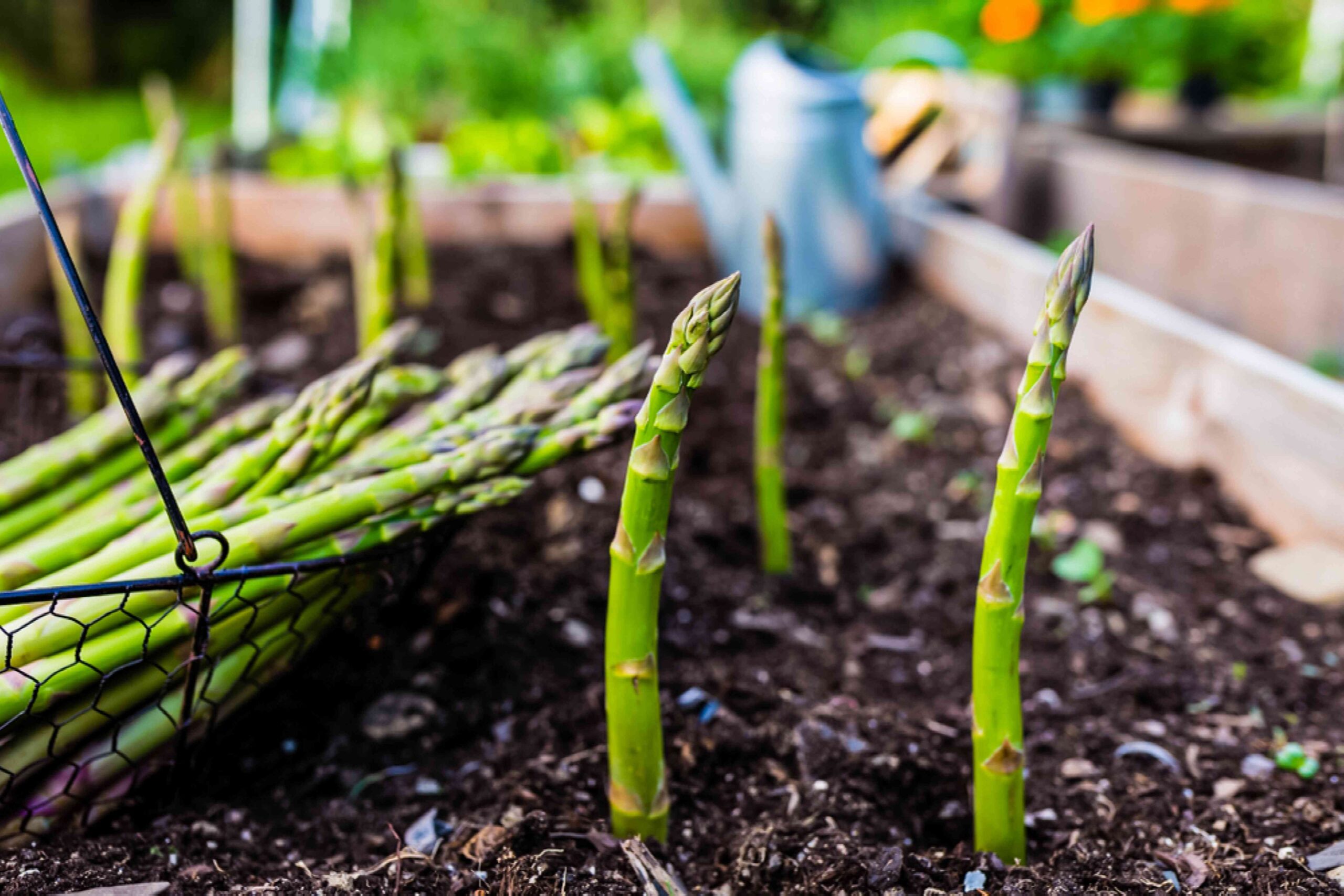
Spear emergence in spring is the signal that the harvest window has opened.
Image source: gurneys.com
The Fern Rule
Every spear you pick is a spear that never becomes a fern. Those feathery fronds are the plant's solar panels: they photosynthesize all summer and send energy down into the crown for next spring's flush. Cut them down too early, and you are stealing from next year's crop. You can also read our guide on how to mix oil and gas for a leaf blower.
The most common mistake I see is treating asparagus like a tidy ornamental. Gardeners cut the ferns in late summer because they look messy. In practice, that reduces the next year's harvest more than almost any pest or disease ever will.
Build the Right Site and Soil Before You Plant
Asparagus is a long-term relationship, so site selection matters more than for almost anything else in the garden. If the location is wrong, you will not get a second chance without digging up the crowns and starting over. You can also read our guide on best fill for raised garden beds.
Before choosing a variety, confirm that your region gives asparagus the seasonal cold and sun it needs by checking the USDA hardiness zone map for your area. Most asparagus varieties do best in zones 3 through 8.
Sunlight
Asparagus needs full sun — at least six to eight hours of direct light per day. According to the University of Minnesota Extension, well-drained soil and full sunlight are the two most important site requirements for healthy asparagus. You can also read our guide on manual weeding tools vs chemical weed control.
If the spot gets less light, the spears will be thinner, and the ferns will be slower to build energy for the following year.
Drainage and Raised Beds
Asparagus crowns sitting in waterlogged soil will rot within one wet season. This is non-negotiable. If your soil is heavy clay or tends to pool water after rain, build a raised bed or use a mounded row. You can also read our guide on how to increase water pressure in garden hose.
Raising the planting area by even 8 to 12 inches can make the difference between thriving crowns and a soggy failure. If you are starting a raised bed from scratch, a raised bed setup guide will help you get the depth and soil structure right before planting.
Soil pH and Fertility
Aim for a soil pH between 6.5 and 7.5. Asparagus prefers slightly alkaline soil. If your soil tests acidic, work in lime before planting rather than trying to correct the pH later. You can also read our guide on how to improve garden soil naturally.
Before planting, add several inches of compost or well-rotted manure. This is your one chance to build deep fertility into the root zone. The crowns will stay in this area for years, so the organic matter you add now pays off indefinitely.
Break up any compacted ground before you dig, because deep, loose soil lets asparagus roots establish quickly. Tools built for compacted ground reduce the effort and protect the soil structure at the same time. You can also read our guide on cape cod weeder tool.

Compost added before planting gives new crowns a slow, steady food supply.
Image source: theseasonalhomestead.com
Clear Perennial Weeds Now
A mistake I see constantly is planting asparagus into weedy ground and then trying to play catch-up for years. Perennial weeds like bindweed, quack grass, and thistle are nearly impossible to remove once asparagus ferns fill in.
Clear the bed thoroughly before planting. Dig out the roots, solarize the area if necessary, and start with a clean slate. Your future self will thank you at every harvest. You can also read our guide on best sharpener for garden tools.
Plant Crowns Correctly from the Start
The way you plant asparagus crowns determines how productive the bed will be for the next two decades. It is worth slowing down and doing it right.
Choose Crowns That Match Your Climate
Buy one-year-old crowns from a reputable supplier instead of growing from seed — you will save a full year of growth. For most home gardens, male hybrid varieties are the best choice. They put energy into spears instead of seeds, which means higher yields and a neater bed.
Good varieties to look for include:
- Jersey Knight: widely adapted, productive, and disease-resistant.
- Jersey Giant: vigorous and popular in cooler climates.
- UC 157: reliable in warmer regions.
- Purple varieties: tender and sweeter, but slightly lower yielding than green types.
Quality crowns feel firm and heavy, with thick, fleshy roots and multiple buds. Avoid crowns that feel dried out, soft, or moldy. If possible, inspect the crowns before buying rather than ordering sight unseen.
Trench Planting Step by Step
Proper planting uses a trench system. A sturdy trenching tool makes the job faster than wrestling with a regular spade.
- Dig trenches 6 to 8 inches deep and about 12 inches wide.
- Create a mound of loose soil in the bottom of each trench.
- Place the crown on the mound with the roots spread outward like a star.
- Make sure the buds point upward — it sounds obvious, but it is easy to get wrong when crowns all look similar.
- Cover with 2 to 3 inches of soil initially, then gradually fill the trench as the ferns grow through the season.

Set the crown on a mound so the roots face down and the buds face up.
Image source: oregonstate.edu
Spacing and Depth
| Measurement | Recommendation |
|---|---|
| Trench depth | 6–8 inches |
| Trench width | 12 inches |
| Crown spacing within the row | 12–18 inches |
| Row spacing | 4–5 feet |
| Final soil cover over crowns | 6–8 inches |
Crowded beds can produce more in the short term, but they quickly become tangled, poorly aerated, and more prone to disease. Wide spacing gives you room to weed, water, and harvest without stepping on the crowns.
Depth also matters. Too shallow, and crowns are vulnerable to frost and drought. Too deep, and they are slow to emerge and may rot in wet conditions. Six to eight inches is the sweet spot for most climates.
Water Deeply to Create Resilient Roots
Asparagus roots can reach several feet deep when given the right watering pattern. The way you water in the first couple of years permanently shapes that root structure.
How Much Water Asparagus Needs
In dry spells, asparagus needs about 1 to 2 inches of water per week. But how you deliver that water matters more than the total amount.
Deep, thorough watering encourages roots to grow downward in search of moisture. Frequent, shallow watering creates shallow roots that panic during any dry period. A good rule of thumb is to water deeply once or twice a week rather than lightly every day.
If you are not sure whether the bed needs water, dig down a few inches. If the soil feels dry at that depth, it is time to water. If you are running a long hose line to the back of the garden, choosing the right hose diameter keeps the water pressure steady over long distances.
Choose Irrigation That Keeps Foliage Dry
Asparagus ferns are susceptible to foliar diseases, and wet leaves are an invitation for trouble. Use drip irrigation or a soaker hose instead of overhead sprinklers.
In practice, a soaker hose snaked along the base of the plants and covered with mulch is the most effective and least labor-intensive setup I have used. While the bed is still young and the ferns have not filled in, a hose-end spray wand makes it easy to water right at the base without soaking the foliage.
Set a timer and let the system run for an hour or two in the morning. You will barely think about watering asparagus again all summer.
Fertilize on the Asparagus Calendar
Asparagus is a surprisingly heavy feeder, but timing matters more than quantity. Feed at the wrong time, and you either waste the nutrients or encourage weak, disease-prone growth.
Two Feeding Windows That Matter
| Timing | What to do | Why |
|---|---|---|
| Early spring, before spears emerge | Apply a balanced fertilizer or compost | Gives the bed energy for the first flush of spears |
| Immediately after harvest ends | Apply balanced fertilizer plus a top-dressing of compost | Rebuilds the fern canopy and restores crown reserves |
The post-harvest feeding is arguably the most important feeding of the year. The plant has just been stripped of its spears and needs nutrients to regrow its ferns and store energy for next spring.
Why High-Nitrogen Feeds Are Risky
Avoid heavy applications of high-nitrogen fertilizer. Too much nitrogen produces lush, soft growth that attracts pests and fungal diseases. It also makes the spears more prone to rot.
A balanced approach — moderate nitrogen, adequate phosphorus and potassium — keeps plants sturdy and yields consistent. Organic, slow-release fertilizers are safer because they release nutrients gradually and improve soil structure at the same time.
Watch for Salt Buildup
If you use synthetic fertilizers, be aware that asparagus can be sensitive to salt accumulation in the soil, especially in arid regions or containers. If you see browning at the tips of the ferns or reduced vigor, flush the soil thoroughly and switch to compost-based fertility.
Mulch and Weed Control for Clean, Productive Beds
Weeds compete with asparagus crowns for water, nutrients, and sunlight, and they also harbor pests. Because asparagus ferns become dense and difficult to weed around, prevention through mulching is the smartest strategy.
Mulch Options That Work
- Straw: lightweight, easy to spread, and breaks down slowly.
- Shredded leaves: free, excellent for soil health, and easy to produce in autumn.
- Wood chips or bark: long-lasting, but keep them away from the crowns themselves to avoid rot.
- Grass clippings: use sparingly and only if they are herbicide-free.
Apply a 3 to 4 inch layer around the base of the plants, but leave a small gap around each crown so shoots can emerge freely. If you have access to fall leaves, making your own leaf mulch is one of the best free soil amendments for a permanent bed.
Weed Control Strategy
Hand-pull weeds when they are small — it is far easier than dealing with established plants. A sharp hoe works well between rows, but be careful near the crowns, where shallow roots are easily damaged.
The goal is to keep the bed completely weed-free during the first two years, when young crowns are most vulnerable. After that, a thick mulch layer will suppress most annual weeds on its own.
Protect the Fern Canopy
The fern canopy is the engine of your asparagus bed. Everything you do to protect the ferns directly increases next year's harvest.
Let Ferns Grow Uninterrupted
After the harvest window closes, stop picking and let every remaining spear grow into tall, feathery fronds. These ferns photosynthesize all summer and channel energy back into the crown.
Cutting them early to tidy up the garden is one of the most destructive mistakes a home grower can make. The bed may look shaggy, but that shagginess is what fuels future harvests.
Support in Windy Spots
In exposed gardens, tall asparagus ferns can flop over and break. If your site is windy, install stakes or a simple string grid along the row before the ferns reach full height. It is not elegant, but it protects the canopy and keeps air moving through the bed.
Cut Back at the Right Time
Wait until the ferns have fully browned — usually after the first hard frost in fall. Cutting while they are still green removes energy that the plant has not yet stored. Once the ferns are brown and dry, cut them at the base and remove them from the bed entirely.
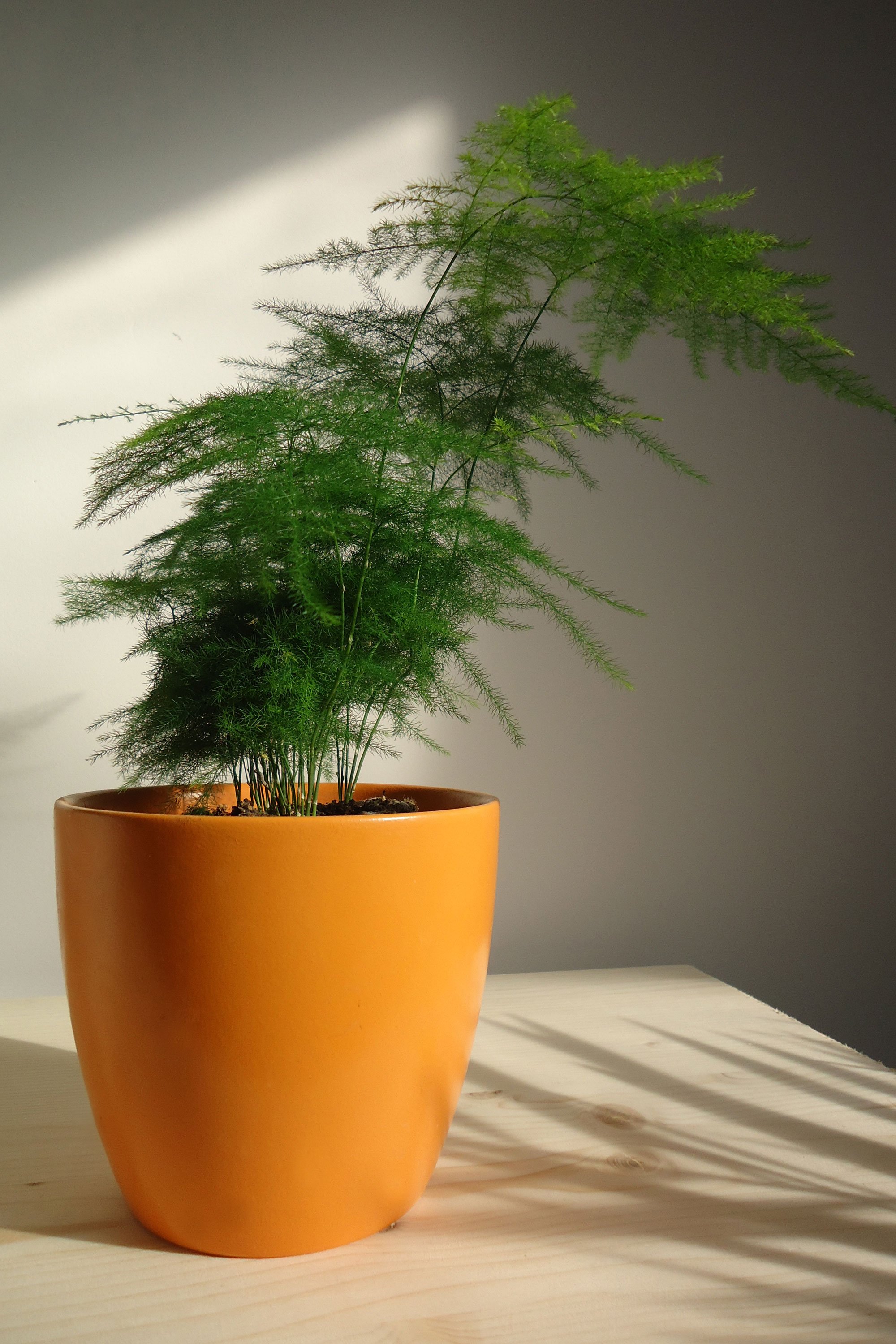
Dead ferns should be removed in fall to break the asparagus beetle cycle.
Image source: thegreenmadhouse.com
This cleanup matters more than most gardeners realize. Dead ferns harbor asparagus beetle eggs and other pests over winter. Removing them breaks the pest cycle and gives the bed a clean start in spring.
Pest and Disease Management
Asparagus is relatively trouble-free, but a few pests and diseases can reduce yields. The good news is that most are manageable with vigilance rather than heavy chemical intervention.
| Problem | Signs | Control |
|---|---|---|
| Asparagus beetles | Black-and-orange beetles, larvae feeding on spears and ferns | Hand-pick in the morning; crush eggs; remove fern debris in fall; use row covers on young spears |
| Slugs and snails | Ragged holes in young spears | Hand-pick in the evening; set out boards as traps; use diatomaceous earth around crowns |
| Asparagus rust | Rust-colored spots or browning on ferns | Space plants for airflow; water at the base; remove affected ferns promptly |
| Fusarium wilt | Yellowing, browning, and declining ferns | Improve drainage; avoid overhead watering; start new beds in fresh ground |
Use clean cutting tools for harvest and maintenance so you do not spread disease from one plant to another.
Harvest Rules That Protect Future Yields
Harvesting asparagus is where patience pays off — but only if you harvest with restraint. Overharvesting is the fastest way to weaken a bed.
Year-by-Year Harvest Limits
- Year one: no harvest. Zero. Every spear becomes fern.
- Year two: a light harvest for one to two weeks only.
- Year three onward: harvest for about six to eight weeks, then stop.
This graduated approach ensures the crown has enough leaf area to store energy for the following year.
How to Pick Spears
Pick spears when they reach 6 to 8 inches tall. The tip should still be tightly closed. Once it starts to loosen and fern out, the spear is past its prime.
To harvest, either snap the spear by bending it near the soil line, or cut it just below the surface with a clean knife. I prefer snapping because it is gentler on nearby emerging buds. Cutting below the soil line gives slightly longer spears but risks damaging the crowns around it.
Know When to Stop
The most reliable signal to stop harvesting is spear thickness. When new spears start coming up thinner than a pencil, the crown needs a break. Stop immediately and let everything grow to fern.
This rule has saved my yields more times than I can count. Ignore it, and you will feel the effects for the next two or three seasons.
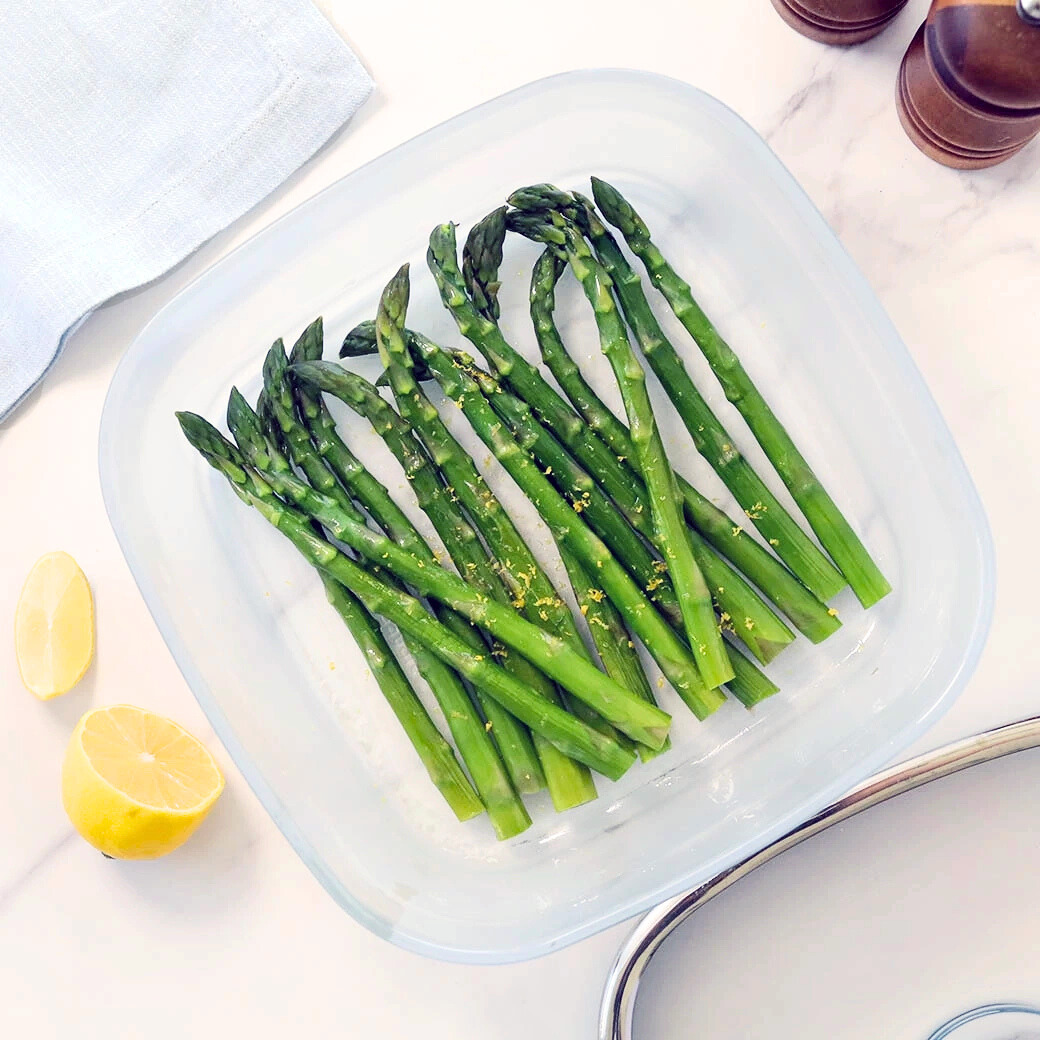
Chill asparagus within an hour of harvest to keep the spears crisp and sweet.
Image source: cookanyday.com
Seasonal Asparagus Care Checklist
Asparagus follows a reliable annual rhythm. Here is a simple checklist you can adapt to your local climate.
Spring
- Clear away old mulch and debris as the soil warms.
- Side-dress with compost and a balanced fertilizer.
- Start watering if rainfall is light.
- Begin harvesting once spears emerge — but only if the bed is mature.
- Keep the bed edges clean so grass does not creep in; a well-suited edging tool makes this quick.
Summer
- Harvest on schedule, then let the ferns grow.
- Scout weekly for asparagus beetles and disease.
- Maintain a 3 to 4 inch mulch layer to suppress weeds and hold moisture.
Fall and Winter
- After the first hard frost, cut and remove dead ferns.
- Top-dress with compost to feed the soil over winter.
- In cold regions, add an extra layer of mulch for insulation.
Adjust the timing based on your frost dates, but the sequence stays the same in every climate.
Troubleshooting Common Asparagus Problems
Even well-cared-for beds occasionally develop issues. Here is how to diagnose and fix the most common ones.
| Problem | Likely Cause | Fix |
|---|---|---|
| Thin, wispy spears | Overharvesting, underfeeding, or a young crown | Shorten next year's harvest; always feed after harvest |
| Purple or off-flavor spears | Heat stress or spears left too long before harvest | Harvest earlier in the day; chill promptly. Some purple varieties are naturally purple |
| Rotting crowns | Poor drainage or waterlogged soil | Usually fatal to the crown; replant in a raised bed with better drainage |
| Weed takeover | Thin mulch or infrequent weeding | Reapply thick mulch; hand-weed before weeds set seed |
| Yellowing or browning ferns | Fusarium wilt, overwatering, or nutrient deficiency | Improve drainage; avoid overhead watering; ensure balanced fertility; remove severely affected plants |
Organic, Low-Input Care for the Long Haul
Asparagus fits beautifully into a sustainable garden system. Because it is a permanent perennial bed, it builds soil structure and supports beneficial insects over many years.
Feed the Soil, Not Just the Plant
Top-dressing with compost and leaf mold each year builds soil organic matter, which improves both drainage and moisture retention. Healthy, microbially diverse soil suppresses disease and helps crowns access nutrients naturally.
Encourage Beneficial Insects
Plant flowers like calendula, dill, and yarrow near the asparagus bed. These attract predatory wasps and other beneficial insects that hunt asparagus beetles. It is a low-effort, high-reward form of pest control.
Reduce Chemical Inputs
If you build healthy soil and keep the bed clean, you should rarely need synthetic pesticides or fertilizers. The most sustainable asparagus bed is the one that mostly takes care of itself — through good soil, smart spacing, and attentive observation.
Frequently Asked Questions
When should I stop harvesting asparagus?
Stop after six to eight weeks of continuous harvest, or as soon as new spears become thinner than a pencil. That thinness signals the crown is running low on stored energy and needs to rebuild.
How often should I water asparagus?
Water deeply to keep the soil evenly moist but not soggy — roughly 1 to 2 inches per week. Use a soaker hose or drip line to keep the foliage dry.
Do I need to fertilize asparagus every year?
Yes. Feed in early spring before spears emerge, and again after harvest to support fern growth. Compost plus a balanced fertilizer is the most reliable combination.
Can I grow asparagus in containers?
You can, but it is not ideal. Yields are significantly lower, and watering becomes a daily chore in summer. If you try it, use a container at least 18 inches deep with excellent drainage and rich, well-aerated soil.
How do I control asparagus beetles organically?
Hand-pick adults and larvae in the morning when they are slow. Crush egg masses on spear tips. Encourage beneficial insects, and remove dead fern debris in fall to eliminate overwintering sites.
Is asparagus worth the wait?
Absolutely. A single bed costs little to establish, requires modest ongoing work, and can produce fresh asparagus for two decades. Homegrown asparagus is more flavorful, more tender, and deeply satisfying to harvest than anything from a supermarket.
Conclusion
Caring for asparagus does not require elaborate techniques. It requires understanding the plant's rhythm and respecting its timeline.
Build rich, well-drained soil before you plant. Water deeply and mulch consistently. Resist the urge to overharvest in the early years. Feed after harvest, not just before. And let those ferns grow until frost kills them.
Do those things, and your asparagus bed will become one of the most reliable, generous crops you will ever grow — returning a harvest every spring for years or even decades.
The best time to start is now. Pick one concrete action this week: order disease-resistant crowns, run a soil test, or clear the bed of perennial weeds. Your 2026 asparagus garden will thank you for years to come.


