Shred dry leaves with a mower or shredder, then spread 2–3 inches.
If you want simple, rich mulch for free, you are in the right place. I have spent years testing how to shred leaves for mulch across small yards and big beds. This guide shows you how to shred leaves for mulch the easy way, what tools to use, and how to apply them for healthy soil and happy plants. Stick with me and you will master how to shred leaves for mulch in one weekend.
Why shredding leaves makes better mulch
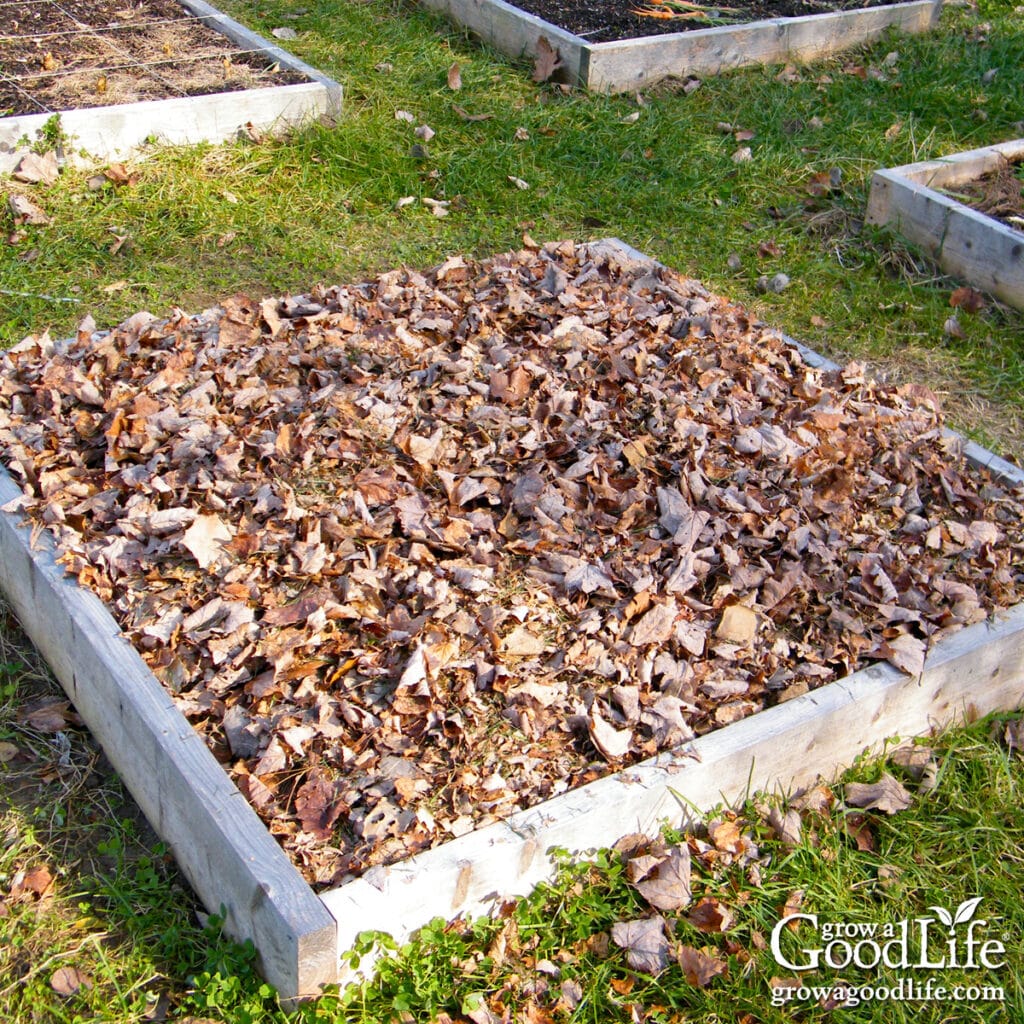
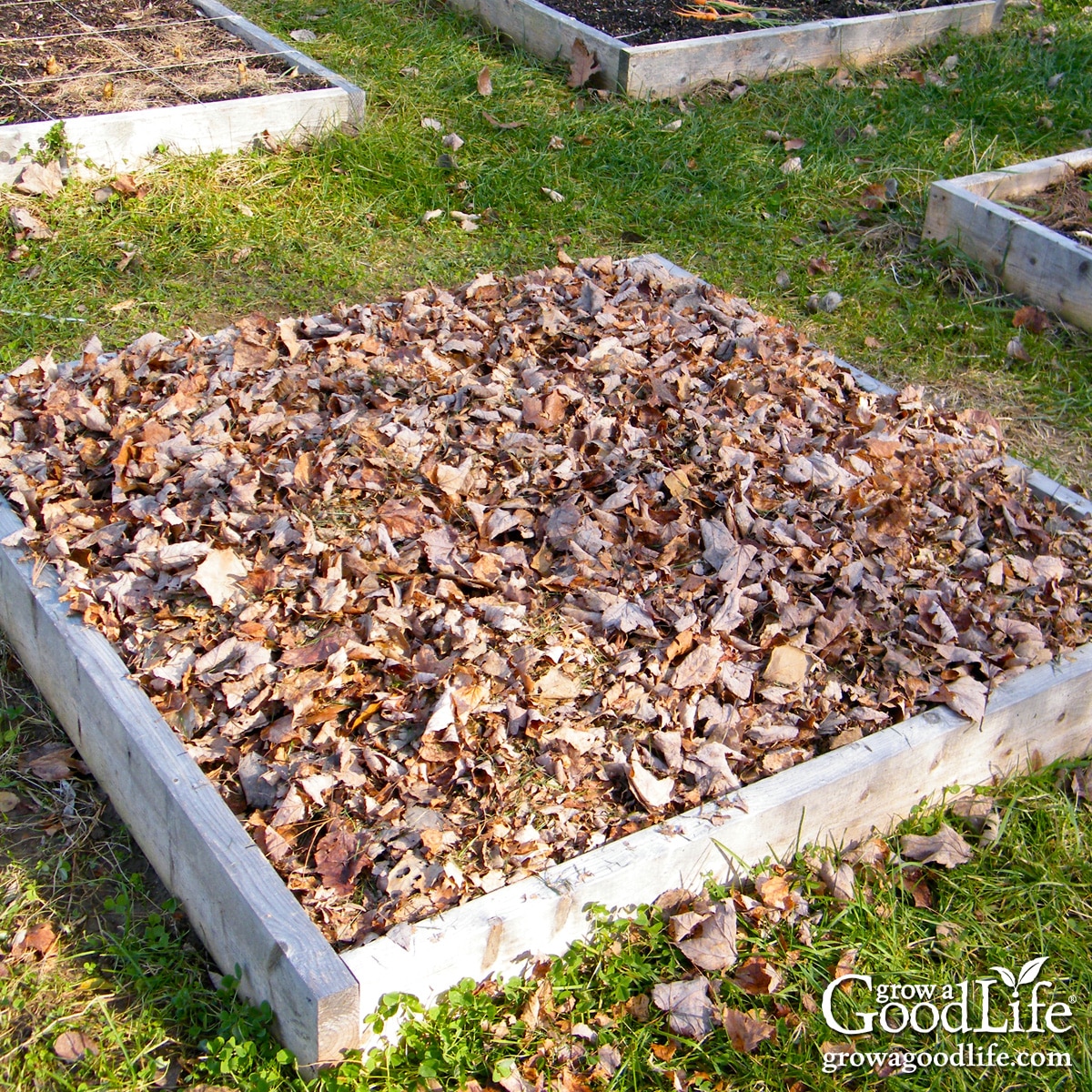
Whole leaves can mat like a soggy blanket. Shredded leaves act like fluffy cornflakes. They let air and water move. They feed soil life. They break down faster and safer. Shredding also cuts the volume by half or more, so you move less and cover more.
Here is what you gain when you know how to shred leaves for mulch:
- Better weed control because the layer is even and dense.
- Fewer fungal issues because shredded leaves do not trap as much water.
- Faster organic matter build up, which boosts soil structure and moisture holding.
- Less landfill waste and fewer plastic bags on your curb.
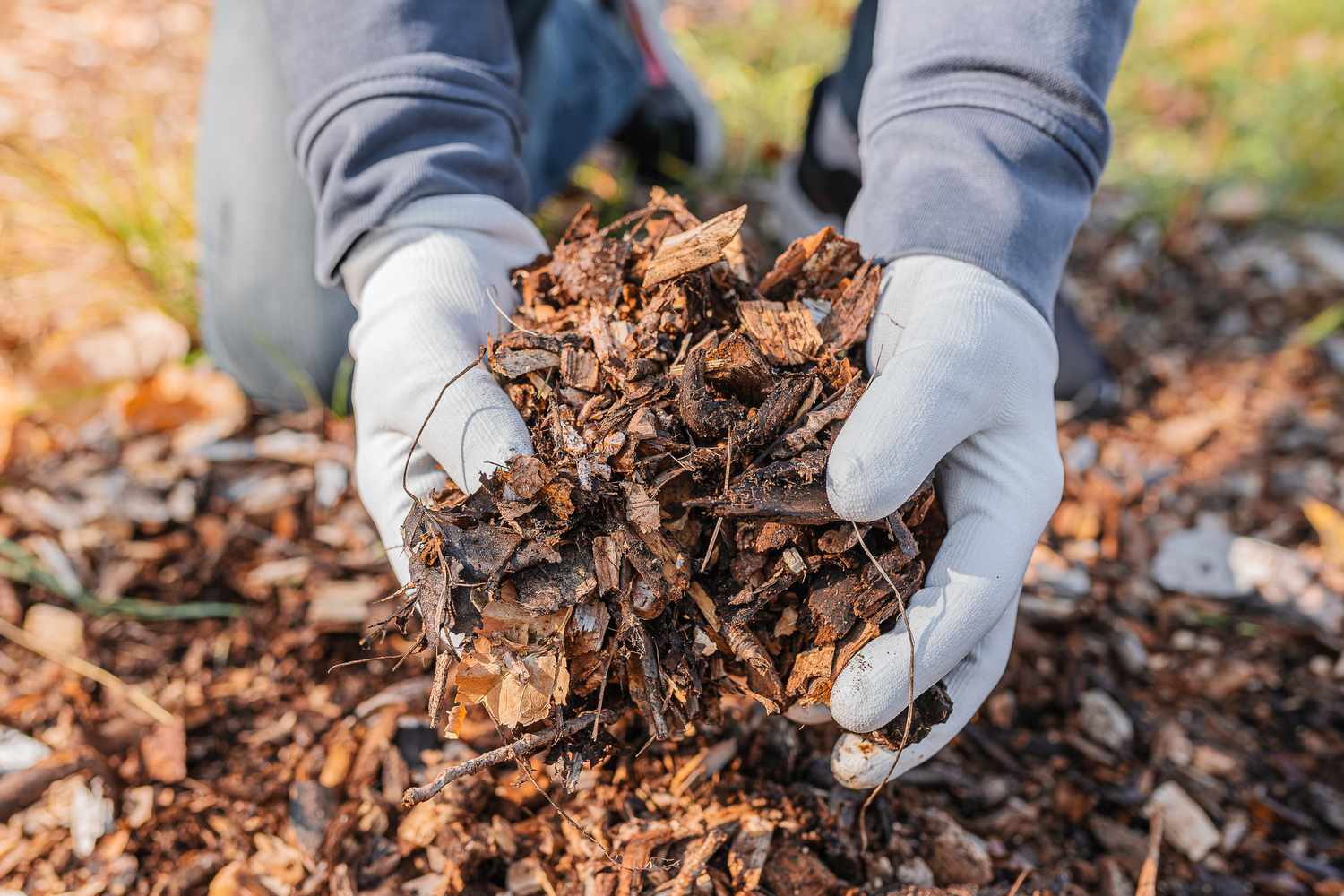
Aim for pieces the size of a dime to a postage stamp. That size balance gives good coverage and quick decay without smothering the soil. Most extension guides recommend this range for best results. If you care about soil health, learning how to shred leaves for mulch is one of the highest value steps you can take.

Tools and setups that work
You do not need fancy gear to learn how to shred leaves for mulch. Start with what you own. Upgrade only if it saves time or strain.
Common options:
- Mulching lawn mower works for most yards. Use a bag if you want to collect and move the shreds.
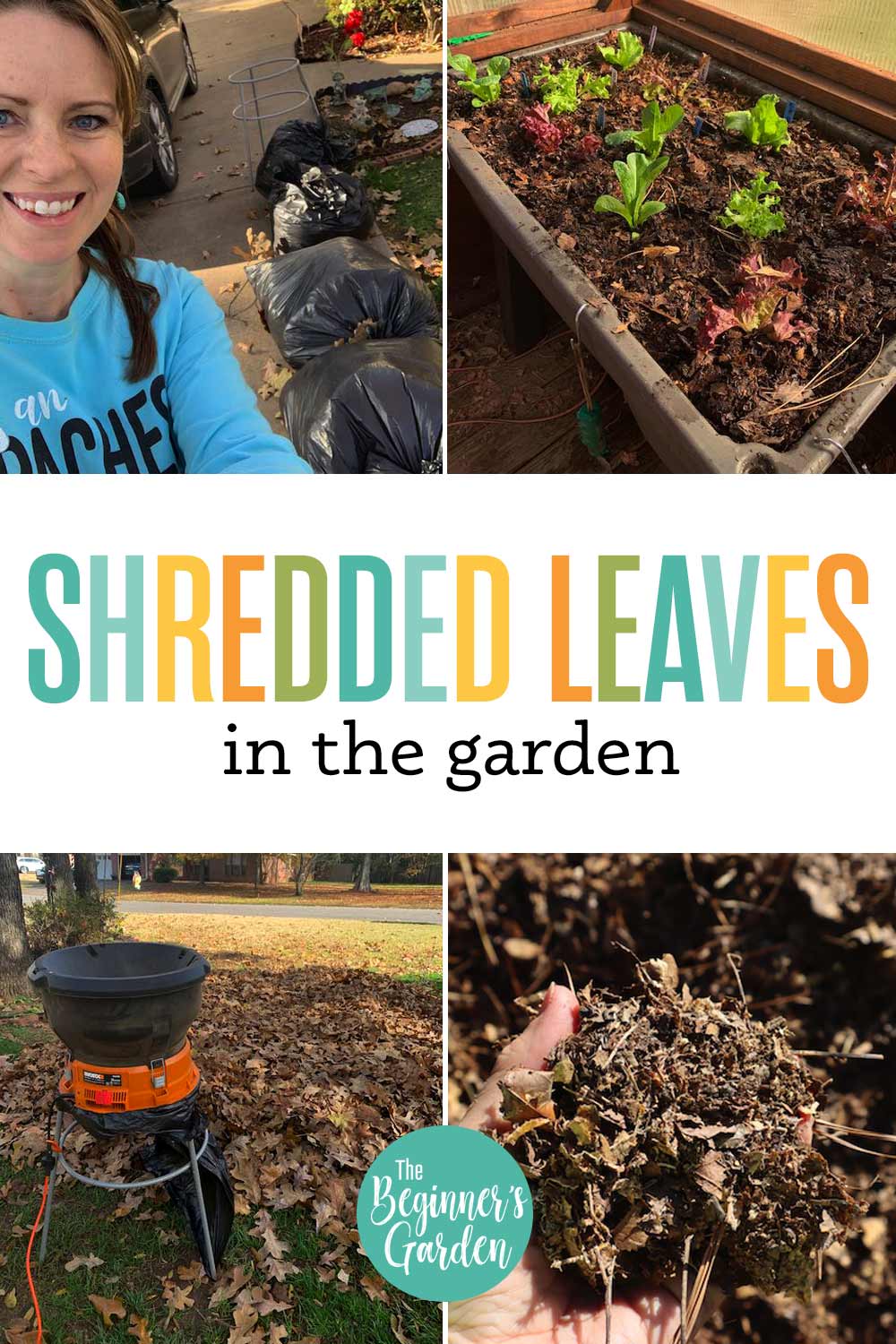
- Stand‑alone leaf shredder uses a string or blade head. It is fast and compact for small spaces.
- Chipper shredder with a shredder screen is great if you also process twigs. Use the shredder side, not the chipper chute, for leaves.
- String trimmer in a trash can sounds odd but works well for small piles.
- Leaf vacuum mulcher shreds and bags in one step. Good around patios and tight beds.
Pros and cons in brief:
- Mower: lowest cost, fast on lawns, needs dry leaves.
- Shredder: steady feed, good control, ear and eye protection a must.
- Trimmer in a bin: budget friendly, best for small batches, creates dust.
- Vacuum mulcher: tidy, slower on big piles.
No matter the tool, the method is the same. Keep leaves dry. Feed steadily. Aim for even pieces. That is the core of how to shred leaves for mulch.

Step-by-step: how to shred leaves for mulch
Preparation matters more than muscle. A few simple checks help you avoid mats and mess.
Get your leaves ready:
- Pick a dry day. Leaves should feel crisp and crack when folded.
- Remove sticks, stones, and pine cones. These can jam blades and dull edges.
- Mix species. A blend of soft and tough leaves shreds better.
Method 1: Lawn mower
- Set the deck high. About 3 to 3.5 inches.
- Mow over the leaves once to break them up.
- Mow a second time at right angles for finer pieces.
- Use the bag to collect, or leave them on the lawn if the layer is thin. If the grass still shows, you are good.
Method 2: String trimmer in a bin
- Fill a heavy trash can half full with dry leaves.
- Hold the trimmer vertically and pulse the throttle.
- Move the head up and down for even cuts.
- Stop when pieces look like small chips. Pour out into a wheelbarrow.
Method 3: Stand‑alone shredder
- Place the unit on level ground.
- Wear hearing and eye protection and a dust mask.
- Feed leaves in a steady stream. Do not pack the throat.
- Check the output. Adjust to finer or coarser as you like.
Method 4: Leaf vacuum mulcher
- Rake leaves into small piles.
- Vacuum them up and empty the bag in your bed or bin.
- Go over thick piles twice for better texture.
How fine is fine enough
- Squeeze a handful. It should spring apart, not clump.
- If it mats, run another pass. Think cornflake flakes, not powder.
This simple flow is the heart of how to shred leaves for mulch. Keep it dry, keep it even, and stop when pieces are small and fluffy.

Safety, gear, and setup
Good mulch should not cost a trip to urgent care. Take a minute to gear up and set the stage.
Do this every time:
- Wear safety glasses, hearing protection, and gloves.
- Use a dust mask if leaves are very dry.
- Check the area for rocks, toys, and pet waste.
- Keep kids and pets inside your sight line and away from machines.
- Mind cords on electric tools. Keep them behind you.
I learned the hard way that a hidden stone can chip a blade and your mood. A quick rake scan saves time and blades, and it is part of smart practice in how to shred leaves for mulch.
What leaves to use, and what to avoid
Most tree leaves make wonderful mulch once shredded. Some need extra care.
Best choices:
- Maple, birch, poplar, and ash break down fast.
- Fruit trees like apple and pear shred clean and feed fungi and worms.
- Elm and linden are also easy.
Use with care:
- Oak leaves are tough and rich in tannins. Shred very fine or mix with softer leaves.
- Pine needles are slow and springy. Mix in at 10 to 20 percent for paths, or use alone around acid lovers.
- Walnut leaves contain juglone. Avoid near tomatoes, peppers, and roses. Hot compost first if you plan to use them.
- Eucalyptus and camphor can be aromatic and slow to break down. Shred fine and mix.
Skip or handle separately:
- Leaves with heavy disease, like apple scab or rose black spot. Hot compost or use municipal green waste systems.
Knowing what goes into your pile is part of how to shred leaves for mulch with confidence and care.
:max_bytes(150000):strip_icc()/100177999_2-da60e44dbc014f44a1d1315476289848.jpg)
How to use shredded leaves as mulch
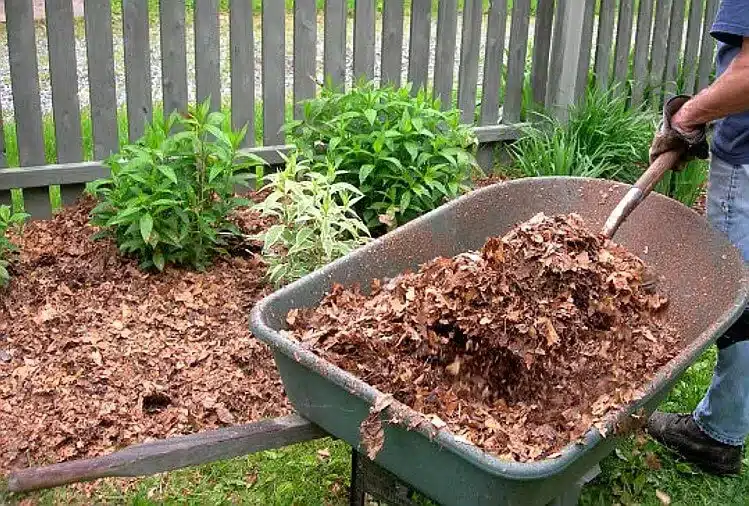
Once you master how to shred leaves for mulch, spreading is easy. Aim for even coverage and the right depth.
Where and how deep:
- Perennial beds: 2 to 3 inches. Keep mulch 3 inches away from crowns.
- Trees and shrubs: 3 to 4 inches in a wide ring. Keep 6 inches clear of the trunk.
- Vegetable beds: 1 inch between rows during the season. After harvest, go to 2 inches to protect soil.
- Lawn: If you shred in place, keep the layer light so you can still see grass tips.
Smart add‑ins:
- Mix a little fresh grass clippings to add nitrogen for faster breakdown.
- Add a thin layer of compost under the leaves for extra nutrients.
- Wet the mulch lightly after spreading to settle it.
Pro tip from my yard: around blueberries, a mix of shredded oak and pine needles worked great. The layer stayed springy and clean. Simple wins like this make how to shred leaves for mulch a joy, not a chore.
Storage, curing, and leaf mold
You will often have more shreds than you need today. Store them well and they get even better.
Easy storage:
- Keep shredded leaves in breathable bags or bins. Punch a few holes if you use plastic bags.
- Pile them in a wire bin and cover the top to shed heavy rain.
Make leaf mold:
- Moisten the pile so it is like a wrung‑out sponge.
- Let it sit for 6 to 12 months. Turn a few times if you can.
- You will get dark, crumbly goodness. Use it as mulch or a soil conditioner.
Leaf mold holds water like a sponge and feeds fungi. It is a secret weapon that starts with the same steps you use for how to shred leaves for mulch.
Troubleshooting and pro tips
Even a smooth system needs a tune now and then. Here is how to fix common issues when you practice how to shred leaves for mulch.
If shreds clump
- Leaves were damp. Dry them on a tarp for an hour and re‑shred.
- Pieces are too big. Make one more pass.
If mulch mats on beds
- Fluff it with a rake. Mix in a little coarse material like twig chips.
- Add a thin layer, then build in two passes, not one deep dump.
If plants look pale
- Surface mulches can use nitrogen as they age. Water in a light nitrogen feed, about 0.5 to 1 pound per 1000 square feet.
- Or tuck a handful of compost near the plant base and cover again.
If pests move in
- Keep mulch a few inches off stems and trunks.
- In slug zones, use a thinner layer, or add a rough border like crushed eggshells or diatomaceous earth.
Timing that works
- In fall, mow weekly as leaves drop. You will never face a giant pile.
- In spring, top up beds after soil warms.
My biggest mistake was shredding after a rain. The result was a slick mat that took days to fix. Since then, I only shred on dry days. That single habit improved how to shred leaves for mulch more than any new tool.
Cost, time, and eco impact
Learning how to shred leaves for mulch pays you back fast.
Simple math:
- One hour with a mower replaces many bags of store mulch.
- Shredded leaves cost almost zero and cover more area per pound than bark.
Time and energy:
- A small yard takes about 30 to 60 minutes per heavy fall drop.
- Using what you have cuts fuel and trips to the store.
Eco boost:
- You cut waste to landfills.
- You feed soil life and reduce runoff.
- You build long‑term fertility without imports.
That is the quiet power of how to shred leaves for mulch. It saves money and restores your soil at the same time.
Frequently Asked Questions of how to shred leaves for mulch
What is the easiest way to start?
Use a mulching mower on a dry day. Make two passes and collect in the bag to spread in beds.
Can I shred wet leaves?
It is not ideal. Wet leaves tear and clump, so let them dry on a tarp before shredding.
How fine should I shred the leaves?
Aim for dime‑size pieces. They resist matting and break down at a steady pace.
Will shredded leaves rob nitrogen from my plants?
On the soil surface, the effect is small. If plants look pale, add a light nitrogen feed or a thin layer of compost.
Are oak leaves okay to use?
Yes, once shredded fine. Mix with softer leaves for a balanced mulch layer.
Can I mulch leaves into the lawn?
Yes. If you can still see grass tips after mowing, the layer is safe and helpful.
Is it safe to use walnut leaves?
Avoid near juglone‑sensitive plants like tomatoes. Hot compost walnut leaves first if you want to use them.
How deep should mulch be around trees?
Use 3 to 4 inches in a wide donut. Keep the mulch several inches away from the trunk.
Conclusion
Shredded leaves are free mulch, easy to make, and kind to your soil. Keep leaves dry, shred to coin‑size pieces, and spread in thin, even layers. Protect crowns and trunks, and mix leaf types for best results. That is the simple core of how to shred leaves for mulch.
Try one method this weekend. Start with one bed. See the difference in moisture, weeds, and soil feel. Share your results, ask a question, or subscribe for more practical yard tips.