Set choke, press primer five times, pull until it fires, switch to run.
If you want a clean, reliable start every time, this guide is for you. I work with STIHL handhelds every week, and I’ll show you how to start STIHL BG 86 leaf blower the same way I train new techs and crews. We will cover steps, safety, fixes for hard starts, and pro tricks that save time and fuel. Read on to master how to start STIHL BG 86 leaf blower with confidence and care.

Tools and Safety Prep
The BG 86 is simple to start, but set up matters. A two-minute prep prevents most problems and keeps you safe.
What you need:
- Eye and ear protection. Use ANSI-rated glasses and hearing protection.
- Gloves with good grip. Keep your hands safe and steady.
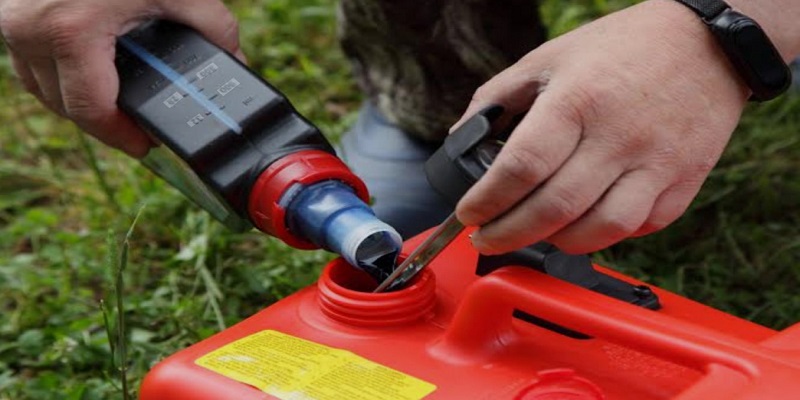
- Fresh 50:1 fuel mix. Use high-octane gas with quality two-stroke oil or a premixed can.
Safety and checks:
- Work in open air on flat ground. Keep people and pets away.
- Inspect the blower. Confirm the tube is clear. Check for loose fasteners.
- Check fuel level and look at the primer bulb. It should not be cracked.
- Confirm the air filter is seated. A dirty filter makes starts hard.
In my shop, most “won’t start” calls come from old fuel and poor priming. Do these basics and you are halfway to success on how to start STIHL BG 86 leaf blower.

Understand the Controls of the STIHL BG 86
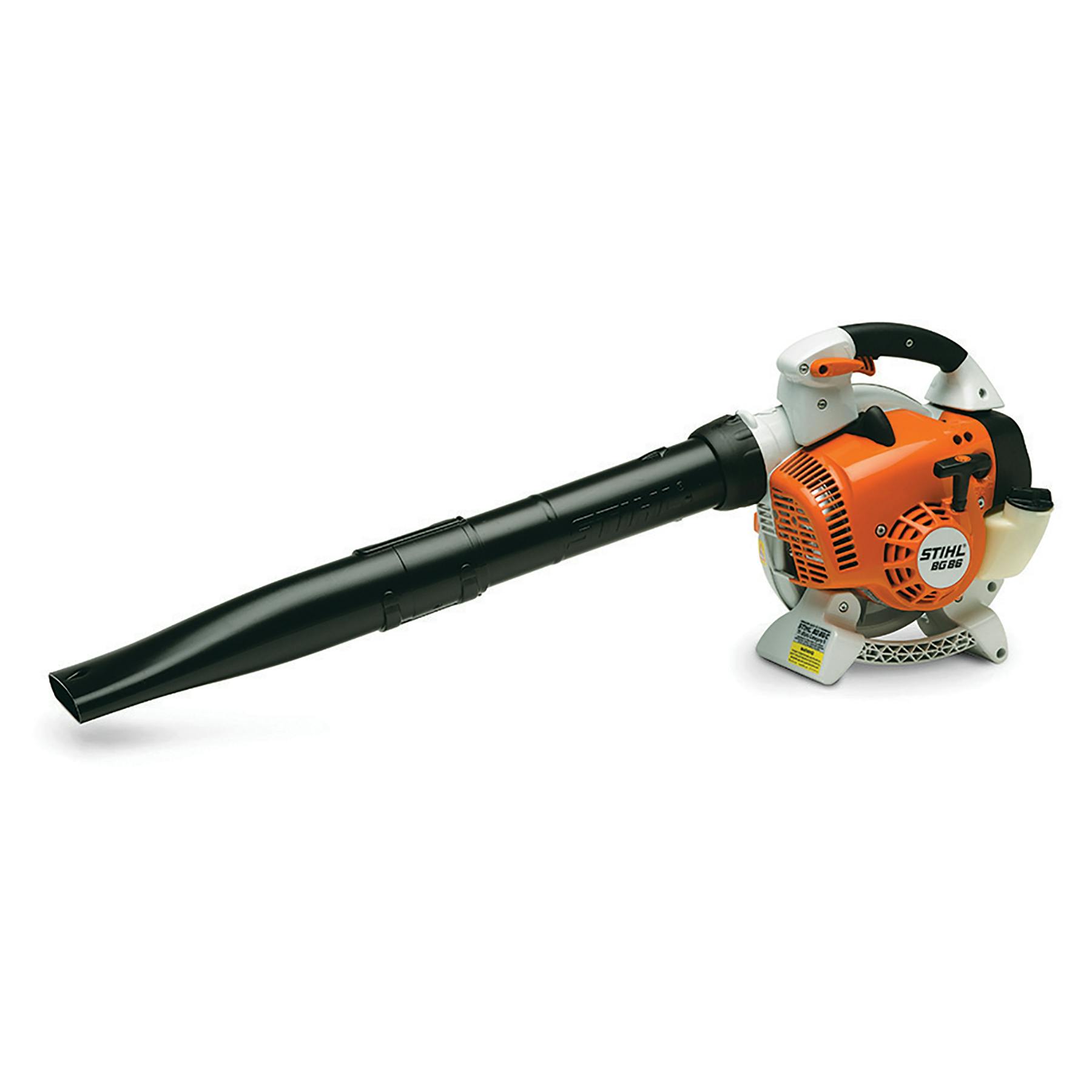
Know the parts before you pull. The labels on the housing guide you.
Key controls:
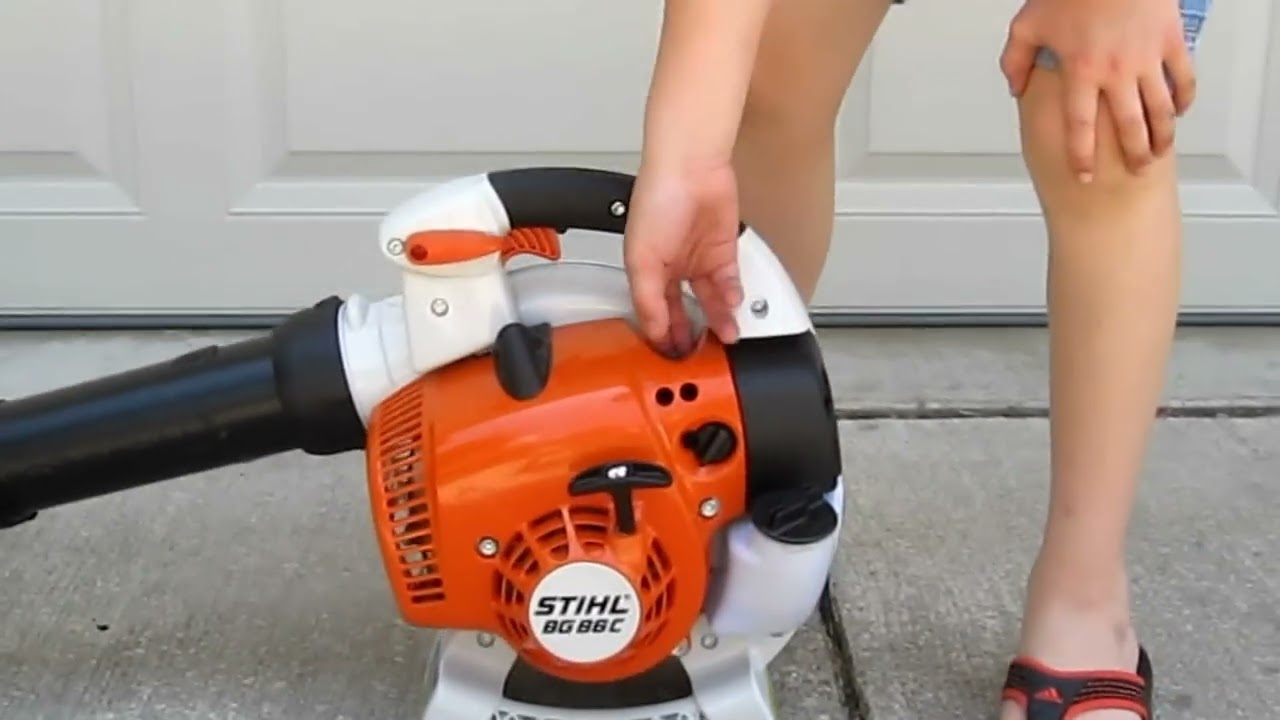
- Master control lever. Positions include stop, run, and choke (cold start). Some units show icons for these.
- Primer bulb. A clear bulb that moves fuel to the carb. Press it before starting.
- Throttle trigger and lockout. Squeeze to rev. The lockout prevents accidental throttle.
- Starter grip and rope. Pull with a smooth, brisk motion. Do not yank to the end.
- Air filter cover and muffler with spark arrestor screen. Both affect airflow and starting.
Model labels vary by region. If in doubt, check your manual. Knowing these controls speeds up how to start STIHL BG 86 leaf blower and reduces flooding.
Step-by-Step: Starting a Cold BG 86
Follow this exact sequence. It mirrors factory guidance and field practice.
- Place the blower on level ground. Point the nozzle away from people and windows.
- Check the fuel. Use a fresh 50:1 mix. Replace fuel older than 30 days.
- Set the master control to choke. Move it to the fully closed position for a cold engine.
- Press the primer bulb 5 to 6 times. Stop when you see fuel in the bulb. Do not over-prime.
- Hold the blower firm. Place one hand on the handle and brace the unit on the ground.
- Pull the starter rope 2 to 5 times. Pull smooth and quick. The engine should cough or fire briefly.
- Move the lever from choke to warm/run. This opens the air and prevents flooding.
- Pull again 1 to 3 times until the engine starts. Do not use full throttle yet.
- Let it idle 30 to 60 seconds to warm. This helps the carburetor stabilize.
- Squeeze the throttle a few times. Confirm a clean, steady rev before you start work.
Cold weather tip: In near-freezing weather, add one extra press on the primer and allow a longer warm-up. This is the most reliable way I know for how to start STIHL BG 86 leaf blower when the air is cold and dense.

Warm Restart Procedure
A warm engine needs less fuel and air restriction. Use a lighter touch.
- Set the master control to run. Do not use choke on a hot or warm engine.
- Press the primer bulb 1 to 2 times if the fuel line looks empty. Often you can skip this.
- Pull the starter rope 1 to 3 times. It should fire fast.
- If it does not start after 5 pulls, move to half-choke for one pull only, then back to run and pull again.
These steps prevent flooding and work well if you pause mid-job. This is the fastest plan for how to start STIHL BG 86 leaf blower after a fuel stop.

Troubleshooting: Won’t Start or Stalls
If your BG 86 resists, use this quick triage. Fix the simple causes first.
Common issues and fixes:
- Flooded engine. You smell fuel and the plug is wet. Set to run, hold the throttle wide open, and pull 8 to 12 times to clear. Wait 10 minutes, then retry with no choke. You can remove and dry the spark plug too.
- Old or wrong fuel. Drain and replace with fresh 50:1. Ethanol blends go stale fast. Use a stabilizer or premix.
- Spark plug issues. Use NGK CMR6H or equivalent. Set gap to 0.5 mm (0.020 in). Replace a fouled plug.
- Dirty air filter. Clean or replace if clogged. A choked filter makes the mix too rich.
- Clogged spark arrestor screen. Remove and clean the screen with a soft brush. A plugged screen kills power and causes stalling.
- Carburetor out of tune. If it surges or dies at idle, the L screw or idle speed may need set. Small tweaks help, but if unsure, let a pro service it.
- Weak pull or rope issues. Pull in short, strong strokes. Do not run the rope to the end.
From field experience, 70% of hard-starts are fuel or flooding. Follow these steps to streamline how to start STIHL BG 86 leaf blower, even after storage.

Maintenance Tips for Reliable Starts
A few habits make starts easy and extend engine life.
- Manage fuel. Mix 50:1 with fresh gas. Make small batches. Use a stabilizer if you store fuel.
- Service the air filter. Check monthly in dusty areas. Clean with soapy water if foam, or replace paper filters as needed.
- Inspect the spark plug each season. Replace if fouled or worn. Confirm gap at 0.020 in.
- Clean the spark arrestor screen. Do this every 25 to 50 hours.
- Store the blower dry. Run it out of fuel before long storage, or use premix for the last tank.
- Do a seasonal check. Tighten fasteners, inspect fuel lines, and test the primer bulb.
Good care makes how to start STIHL BG 86 leaf blower smooth in any season.

Pro Tips and Common Mistakes to Avoid
Practice makes perfect. These tips save time and reduce wear.
Pro tips:
- Count your primes. Five presses cold, one or none warm.
- Use steady pulls. Smooth, brisk strokes start better than wild yanks.
- Keep a spare plug and a small brush in your kit. Fast fixes on site save jobs.
Mistakes to avoid:
- Over-priming on choke. It floods the engine.
- Using choke on a warm engine. It starves air and stalls.
- Old fuel or wrong ratio. Stick to 50:1 with quality oil.
- Pulling the rope to the end stop. It can damage the starter.
These small habits improve how to start STIHL BG 86 leaf blower and cut downtime.

Frequently Asked Questions of how to start stihl bg 86 leaf blower
How many times should I press the primer bulb?
Five to six presses for a cold start is ideal. For a warm engine, one or none is often enough.
What fuel mix does the BG 86 need?
Use a 50:1 gas-to-oil mix with high-quality two-stroke oil. Fresh fuel is key for easy starts.
Why does my BG 86 start then stall?
It may be on choke too long, or the air filter is dirty. Move to run after the first fire and check the filter and spark arrestor screen.
How do I start it in cold weather?
Prime one extra time and allow a longer warm-up at idle. Keep the choke only until it first fires, then switch to run.
What if the pull cord is hard to pull?
Check for flooding or a locked impeller from debris. Remove the tube and inspect, and never yank the rope to full length.
Do I need to use choke for a warm restart?
No. Set to run and pull 1 to 3 times. Use half-choke for one pull only if it refuses, then return to run.
Conclusion
You now have a clear, proven process to start your BG 86 fast and safe. Use the right fuel, follow the choke and prime steps, and warm it briefly before work. These simple habits protect the engine and keep you on schedule.
Put this guide to work today. Try the steps on your next yard session and see the difference. Want more practical tips like how to start STIHL BG 86 leaf blower, maintenance schedules, and troubleshooting guides? Subscribe, share your results, or leave a question—I’m here to help.