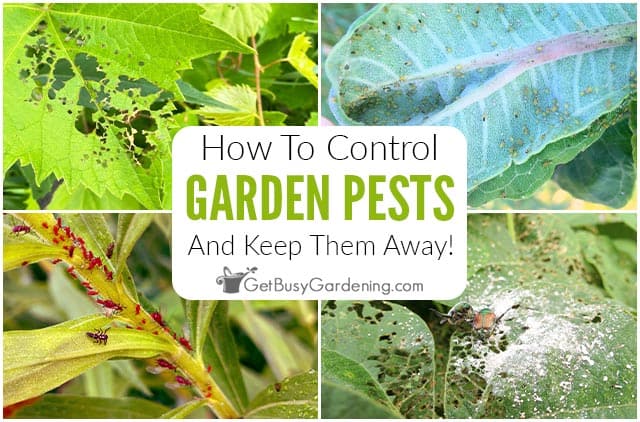
Grow strong plants, diversify, block entry, and use gentle, targeted controls.
If you want to learn how to prevent garden pests organically, you are in the right place. I’ve spent years testing what actually works in real gardens. This guide blends research, field-proven tips, and simple steps you can use today. Stick with me, and you’ll feel confident about how to prevent garden pests organically without harsh chemicals.

Start with a simple organic game plan
Think of pest control as a system, not a quick spray. The gold standard is Integrated Pest Management. It starts with prevention, then monitoring, and only then targeted action. This is the core of how to prevent garden pests organically.
Try this simple flow:
- Prevent first with healthy soil, diversity, and barriers.
- Monitor plants each week and note hot spots.
- Identify the pest before you act.
- Use the least risky tool first.
- Treat at the right time and only where needed.
Extension trials show IPM cuts damage and work. It also protects pollinators and soil life. That is why it is key to how to prevent garden pests organically.

Build resilient soil and strong plants
Healthy plants resist pests better. Weak plants send out stress signals that attract bugs. So start below the surface. Feed your soil and your soil will feed your plants.
Practical steps:
- Add finished compost to beds each season.
- Mulch with leaves, straw, or wood chips to keep moisture.
- Water deep, less often, to build strong roots.
- Test soil pH and adjust with lime or sulfur if needed.
Balanced nutrition matters. Too much nitrogen can invite aphids. Good soil care is a quiet but powerful way for how to prevent garden pests organically.

Design your garden to confuse pests
A buffet of one crop is easy for pests. Mix it up. Diversity makes your garden harder to read for insects. It also supports the good bugs you want.
Use these ideas:
- Plant mixed beds instead of long single rows.
- Tuck herbs and flowers between veggies for scent and nectar.
- Try companion pairs like basil with tomatoes, dill with brassicas, and nasturtiums by squash.
- Grow a small trap crop like radish to draw flea beetles away.
A diverse layout spreads risk. It also boosts your results with how to prevent garden pests organically.

Block and trap before bugs bite
Physical barriers stop damage fast. They are safe, simple, and very effective. Put them in place early, and many pests never reach your plants.
High-impact tools:
- Floating row covers keep out cabbage worms, flea beetles, and squash bugs.
- Insect netting protects brassicas and carrots while letting in light.
- Cardboard collars around stems deter cutworms.
- Copper tape or rings help stop slugs and snails.
- Beer traps and hand-picking reduce slug and beetle numbers.
Trials with row covers often show damage cut by more than half. This is a practical path for how to prevent garden pests organically.
Invite allies: beneficial insects and wildlife
Nature wants to help you. Lady beetles, lacewings, hoverflies, and tiny parasitic wasps hunt soft-bodied pests. Birds, toads, and spiders also help balance the system.
Make your garden a home base:
- Plant nectar-rich flowers like sweet alyssum, calendula, yarrow, and dill.
- Leave a shallow water dish with pebbles for insect landing pads.
- Add small native shrubs or a brush pile for bird cover.
- Avoid broad, non-target sprays that harm helpers.
Research shows diverse flowers boost natural enemies. That is a core tactic in how to prevent garden pests organically.

Watering, spacing, and sanitation habits that matter
Simple habits reduce pest pressure a lot. Wet leaves at night can invite disease. Crowded plants can trap humidity and attract trouble.
Do the small things right:
- Water early in the morning at the base of plants.
- Space plants for airflow and prune crowded growth.
- Pull weak, infested, or diseased leaves fast.
- Keep weeds down and clean tools often.
These quiet routines pay off. They are a steady way to support how to prevent garden pests organically.
:strip_icc()/BHG-How-to-Prevent-and-Get-Rid-of-Squash-Bugs-101269956-158195c32839429fb46cf2cb417ea9ce.jpg)
Organic sprays that work when you need them
Use sprays only when thresholds are met. Always identify the pest first. Aim for products that are targeted, gentle, and allowed for organic gardening.
Good options:
- Insecticidal soap for aphids, whiteflies, and mites.
- Neem oil for soft-bodied pests and some fungi.
- Horticultural oil for scale and mites on fruit trees.
- Bacillus thuringiensis kurstaki for caterpillars on brassicas.
- Spinosad for leafminers and thrips, used with care.
- Diatomaceous earth and kaolin clay as physical barriers.
Spray late in the day to protect bees. Spot test leaves, and follow labels. Used with care, these tools support how to prevent garden pests organically.

Time your moves: rotation and seasonal timing
Timing beats force. Many pests are active in waves. A small shift in planting date can dodge peak pest life stages.
Smart timing ideas:
- Rotate crop families every year to break pest cycles.
- Start brassicas early under covers to avoid cabbage moth peaks.
- Delay sowing cucumbers until soil warms to outpace beetles.
- Use succession planting to spread risk.
These tweaks are simple. Yet they make a big difference in how to prevent garden pests organically.

Scout, set thresholds, and keep notes
A weekly walk is your best tool. Flip leaves. Check stems and soil. A few minutes now saves hours later.
Use a quick checklist:
- Look for holes, sticky residue, frass, or webbing.
- Use yellow sticky cards to track flying pests.
- Note pest counts and plant stage in a notebook.
- Act only when pests pass your comfort level.
Records help you predict problems next season. This is a smart layer in how to prevent garden pests organically.
Lessons from my garden: wins, flops, and tweaks
Cabbage worms used to shred my kale. A simple row cover plus a few Bt sprays at dusk fixed it. Now I harvest clean leaves for months.
Hornworms once hit my tomatoes hard. Hand-picking at dusk and a UV flashlight hunt did the trick. I also let tiny wasps parasitize a few hornworms to seed future control.
Slugs feasted in a wet spring. Beer traps, copper rings, and morning harvests cut damage fast. I also mulched less near lettuce. These small shifts are part of how to prevent garden pests organically.
I made mistakes too. I once sprayed neem at noon and burned tender leaves. I also used too much nitrogen and called in aphids. Learn from me: go slow, read labels, and feed soil, not just leaves.
Frequently Asked Questions of how to prevent garden pests organically
What is the fastest way to start organic pest control?
Start with barriers like row covers and collars. They work right away and keep pests off plants without sprays.
How often should I spray when using organic products?
Only spray when pests pass your threshold. Always target the exact pest and time sprays for dusk to protect pollinators.
Does companion planting really help?
Yes, it helps by adding scent, shelter, and nectar. It supports beneficial insects and makes it harder for pests to lock onto one crop.
Can I rely only on beneficial insects?
They are key but not the only tool. Combine them with barriers, good watering, and clean habits for steady results.
What is the best first step for how to prevent garden pests organically?
Start with healthy soil and a diverse layout. Then add row covers on high-risk crops like brassicas and squash.
Are homemade sprays safe for plants?
Some are, but always test a small area first. Simple soap sprays can burn leaves if mixed too strong or used in sun.
How do I know when pest levels are too high?
Set a simple threshold, like several pests per leaf or fresh damage each day. When that line is crossed, take targeted action.
Conclusion
Preventing pests the organic way is a system, not a single product. Build strong soil, design for diversity, block entry, and act with care when needed. Do a quick weekly walk, keep notes, and adjust with the season.
Pick one tactic to start this week. Add another next week. Soon, you will know exactly how to prevent garden pests organically in your space. Want more practical tips? Subscribe, share your wins in the comments, and let’s grow strong gardens together.