Crossword Clue Digging Tool: Answers And Tips 2026
Stuck on a crossword clue that simply says "digging tool"? You're not alone. This is one of the most common short clues in daily puzzles, yet it can trip up even experienced solvers because so many words fit the description. The answer depends on letter count, crossing letters, puzzle style, and even regional conventions. This guide breaks down every possible answer, explains how to narrow down your options quickly, and gives you a repeatable strategy for cracking this clue in seconds—whether you're solving a quick crossword, a cryptic, or a themed puzzle.
Why "Digging Tool" Is Such a Common Clue
Crossword setters love the "digging tool" clue because it's versatile, short, and fits many grid patterns. It can point to a simple noun like SPADE or HOE, or it can hide a more specific implement like MATTOCK or PICKAXE depending on the grid's demands. The clue itself is straightforward—there's usually no wordplay in quick puzzles—but the challenge lies in choosing the right tool from a long list of possibilities. You can also read our guide on how to choose the right garden hose length.
The clue appears across all major puzzle types: daily newspapers, online minis, cryptic crosswords, and themed sets. In quick puzzles, it's a direct definition. In cryptics, it might be part of an anagram, a charade, or a hidden word. Understanding the context of your specific puzzle is the first step to solving it correctly.
The Complete List of Answers, Ranked by Likelihood
Here are the most common answers you'll encounter for a "digging tool" clue, along with the exact conditions that make each one the right choice. Keep this list in your mental toolkit—it covers roughly 95% of the clues you'll see. You can also read our guide on how to maintain garden tools.
| Answer | Letters | Best When | Clue Hints |
|---|---|---|---|
| SPADE | 5 | Most common; fits standard grids | "garden," "soil," "cards" (thematic pun) |
| HOE | 3 | Short slots needed | "weeds," "garden rows," "cultivate" |
| SHOVEL | 6 | US-style puzzles; scooping action | "snow," "coal," "scoop" |
| TROWEL | 6 | Small-scale digging; potting | "pots," "plants," "masonry" |
| PICK | 4 | Heavy work; mining context | "rock," "mine," "break ground" |
| PICKAXE | 7 | Longer slots; mining or construction themes | "quarry," "hard ground" |
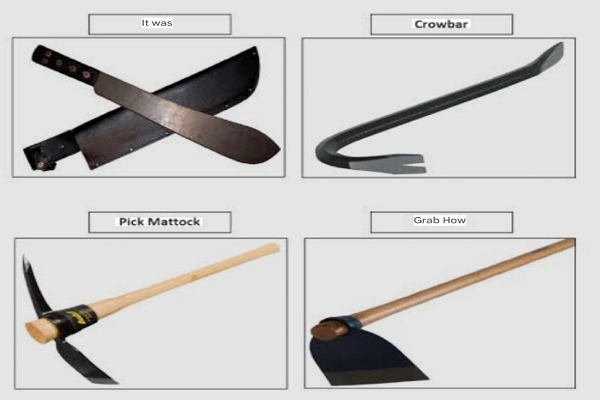
| MATTOCK | 7 | Heavy soil; archaic or British sets | "roots," "tough ground" |
| SPUD | 4 | Potato-related clues; niche usage | "potato," "tubers" |
SPADE (5 letters)—The Default Answer
Spade is the answer you'll see most often. It's short, clean, and universally recognized. In American and British grids alike, it's the first choice when the slot runs five letters. You'll also spot it in themed puzzles where "cards" or "playing" appears in the clue—a spade is both a digging tool and a card suit, making it a natural pun target. If you have a five-letter slot and the clue reads "digging tool," start with SPADE and check your crossing letters.
HOE (3 letters)—The Mini-Puzzle Favorite
When the grid gives you only three letters, HOE is the answer. It's the shortest common digging tool, appearing frequently in mini crosswords and tight grid sections. The clue often carries garden-related words like "weeds," "rows," or "cultivate" to point you toward this smaller implement. If you have a three-letter slot, make HOE your first guess and confirm with crossings. For further reading, see nal.usda.gov.
SHOVEL (6 letters)—The American Style Choice
Shovel leans heavily American. US-constructed puzzles prefer it over spade in many cases, especially when the clue hints at scooping action or materials like snow, coal, or grain. The word also works as a verb—"to shovel"—which gives setters flexibility in cryptic clues. If you're solving a US-published puzzle with a six-letter slot, SHOVEL is often the safer bet than TROWEL.
TROWEL (6 letters)—The Specialist's Tool
Trowel appears when the clue narrows the context to small-scale work. Think potting soil, flower beds, or masonry—a trowel is a hand tool, not a long-handled implement. If the clue includes words like "pots," "plants," or "brick," TROWEL is your answer. It shares the six-letter length with SHOVEL, so the crossing letters will be the deciding factor.
PICK, PICKAXE, and MATTOCK—The Heavy-Duty Options
These answers appear when the clue suggests mining, rocky ground, or demolition. PICK (4 letters) is blunt and common in both quick and cryptic puzzles. PICKAXE (7 letters) shows up in longer slots with mining or quarry themes. MATTOCK (7 letters) is the most niche—it's a heavier tool used for grubbing roots, and it appears more in British or historically-themed puzzles. If your clue mentions "rock," "mine," or "hard ground," you're in pick territory.
SPUD (4 letters)—The Wildcard
SPUD is the trickiest answer. It can mean a digging tool (specifically a small spade) or a potato. Setters use this ambiguity for wordplay, so if your clue leans toward "potato" or "tuber," SPUD might be the intended solve. Crossing letters are essential here—don't guess SPUD without confirmation.
How to Use Letter Patterns and Crossings Effectively
The fastest path to the correct answer is systematic elimination based on the grid you have. Here's a proven four-step method that works for any clue type:
Count the slot length. Write down every digging tool word that matches the number of boxes available. Your shortlist should come from the table above.
Fill in known crossing letters. Mark each box with whatever letters you've already confirmed from intersecting words. Use dots or blanks for unknown positions.
Test each candidate against the pattern. Say you have a five-letter slot showing
_ P A _ E. Only SPADE fits that exact pattern—the crossing letters eliminate every other option. This is the single most powerful technique in crossword solving.Re-read the clue for tone. If two words fit the pattern, let the clue's language decide. A clue mentioning "garden" points to HOE or SPADE; one mentioning "rock" points to PICK or MATTOCK.
A quick example: You have a six-letter slot with the pattern S H O _ _ _. The clue reads "digging tool." SHOVEL fits perfectly, and no other common tool matches that pattern. Lock it in and move on.
Cryptic Crossword Strategies for Digging Tool Clues
Cryptic puzzles add a layer of wordplay on top of the definition. A "digging tool" clue in a cryptic often contains the answer hidden in plain sight, reversed, or scrambled. Here are the common cryptic mechanisms to watch for:
Definition at one end: The clue will contain a straight definition of the tool at the beginning or end. The rest is wordplay. Look for "digging tool" as a phrase—it's often the definition half.
Anagrams: If you see words like "broken," "mixed," or "wild," the clue's letters are meant to be rearranged. For example, "Broken hoe digs" could signal an anagram of HOE plus another element.
Charades: The answer may be built from smaller parts. SPADE could be clued as "SP + ADE" where "SP" is an abbreviation (like "starting point") and "ADE" is a drink. These are advanced constructions.
Reversals: A tool name reversed might be clued with words like "return," "back," or "up." For instance, "Returned tool for digging" could indicate a reversed answer.
Hidden words: The tool name might appear consecutively within the clue itself. "The garden hoe stands ready" hides HOE inside "t-he-hoe-stands."
Your strategy for cryptics: solve the wordplay first, then check the definition. If your answer fits both halves, it's correct. Cross letters remain your final verification.
Regional Differences and Thematic Variations
Where the puzzle is published matters more than you might think. Knowing these conventions can save you from second-guessing a correct fill:
US vs. UK: American puzzles favor SHOVEL; British and Commonwealth puzzles lean SPADE. The crossword clue "digging tool" in a UK publication almost always points to SPADE when the slot is five letters.
Theme-driven choices: If the puzzle has a theme, every answer relates to it. A gardening-themed puzzle might use TROWEL or HOE. A mining theme suggests PICK or PICKAXE. A card-themed puzzle could pun on SPADE. Always identify the theme before locking in your answer.
Era and style: Older or archive puzzles use MATTOCK and SPUD more frequently than modern ones. Vintage puzzle collections are worth studying if you're working through a historical compilation.
The 5-Step Workflow I Use for Every Digging Tool Clue
After solving hundreds of puzzles, I've refined this process to a quick mental routine. It takes about five seconds and prevents most errors:
Scan the clue's tone. Light and garden-related? SPADE or HOE. Heavy and rocky? PICK or MATTOCK.
Check the slot length. Generate your shortlist from the table above.
Apply crossing letters. Eliminate anything that doesn't fit the pattern.
Re-read the clue for thematic hints. Words like "mine," "soil," "pot," or "cards" are dead giveaways.
Lock in the answer and move on. Don't second-guess if the crossing letters confirm your choice.
This loop has dramatically improved my fill speed. The discipline is in the order—never guess before you've applied the crossings.
Common Mistakes and How to Avoid Them
Here are the errors I see solvers make most often with "digging tool" clues, along with corrections:
Forcing SHOVEL into a five-letter slot. Wrong length, wrong answer. Always verify the box count first.
Ignoring the clue's secondary meaning. A clue mentioning "cards" is almost certainly SPADE, not SHOVEL. Thematic puns are intentional.
Skipping crossing letters. This is the #1 cause of wrong fills. Even a single confirmed letter eliminates half your options.
Trusting the first word that comes to mind. If two tools fit, test both against the crossings before committing.
Overthinking cryptic clues. The straight definition is usually present. Solve the wordplay, but confirm the definition fits too.
Resources and Practice Tips for Steady Improvement
Building a strong crossword vocabulary takes deliberate practice. Here's how to make "digging tool" and similar clues automatic:
Create a length map. Memorize the list: 3-HOE, 4-PICK/SPUD, 5-SPADE, 6-SHOVEL/TROWEL, 7-MATTOCK/PICKAXE. Drill it until it's reflexive.
Maintain a clue journal. Write down every new tool word you encounter with a sample clue that uses it. Review this list weekly.
Solve daily minis. Short puzzles drill common clues like this one in a low-stakes format. Five minutes a day builds remarkable speed.
Review your misses. When you get a clue wrong, understand why. Was it a regional convention you didn't know? A theme you missed? That's where the learning happens.
Read about gardening tools. Practical knowledge of what each tool actually does helps you match clue context to the correct implement. Understanding the difference between a hoe and a mattock makes thematic clues easier to solve.
Frequently Asked Questions
What is the most common answer to the "digging tool" crossword clue?
SPADE is the most common answer, appearing in the majority of daily puzzles. Its five-letter length and universal recognition make it the default choice for setters. HOE and SHOVEL are the next most frequent, depending on slot length and puzzle origin.
How do I know if the answer is HOE or SPADE?
Check the slot length first—HOE requires three letters, SPADE requires five. Then look at the clue's context. Garden-specific language like "weeds" or "rows" points to HOE; broader gardening language suggests SPADE. Crossing letters will always confirm.
Are there tricky versions of this clue in cryptic puzzles?
Yes. Cryptics use anagrams, charades, reversals, and hidden words to disguise the tool name. Always identify the straight definition portion of the clue, then solve the wordplay. The answer will satisfy both components.
Does the answer change based on puzzle origin?
Frequently. US puzzles favor SHOVEL, while UK puzzles lean SPADE. Some tools like MATTOCK appear almost exclusively in British publications. Check the publication's origin before choosing between common alternatives.
What if multiple tools fit the pattern?
List all candidates, apply your crossing letters to eliminate options, and re-read the clue for thematic hints. In rare tie-break situations, the puzzle's overall theme is the final decider.
Conclusion
The "digging tool" clue is far more nuanced than it appears. With eight or more valid answers, success comes down to systematic elimination: count the letters, apply the crossings, and read the clue's context. Keep the master list handy, drill the length map, and practice daily. Within a few weeks, this clue will become an automatic fill rather than a puzzle-stopper.
Next time you see "digging tool" in your grid, run the five-step workflow. And if you want to expand your crossword-solving toolkit further, check out our guide on identifying the right garden implement for any clue, or learn how to handle specialized digging tasks with confidence. For the hands-on side, our guide to keeping your tools sharp ensures you're never working with a dull blade—in your shed or your grid.