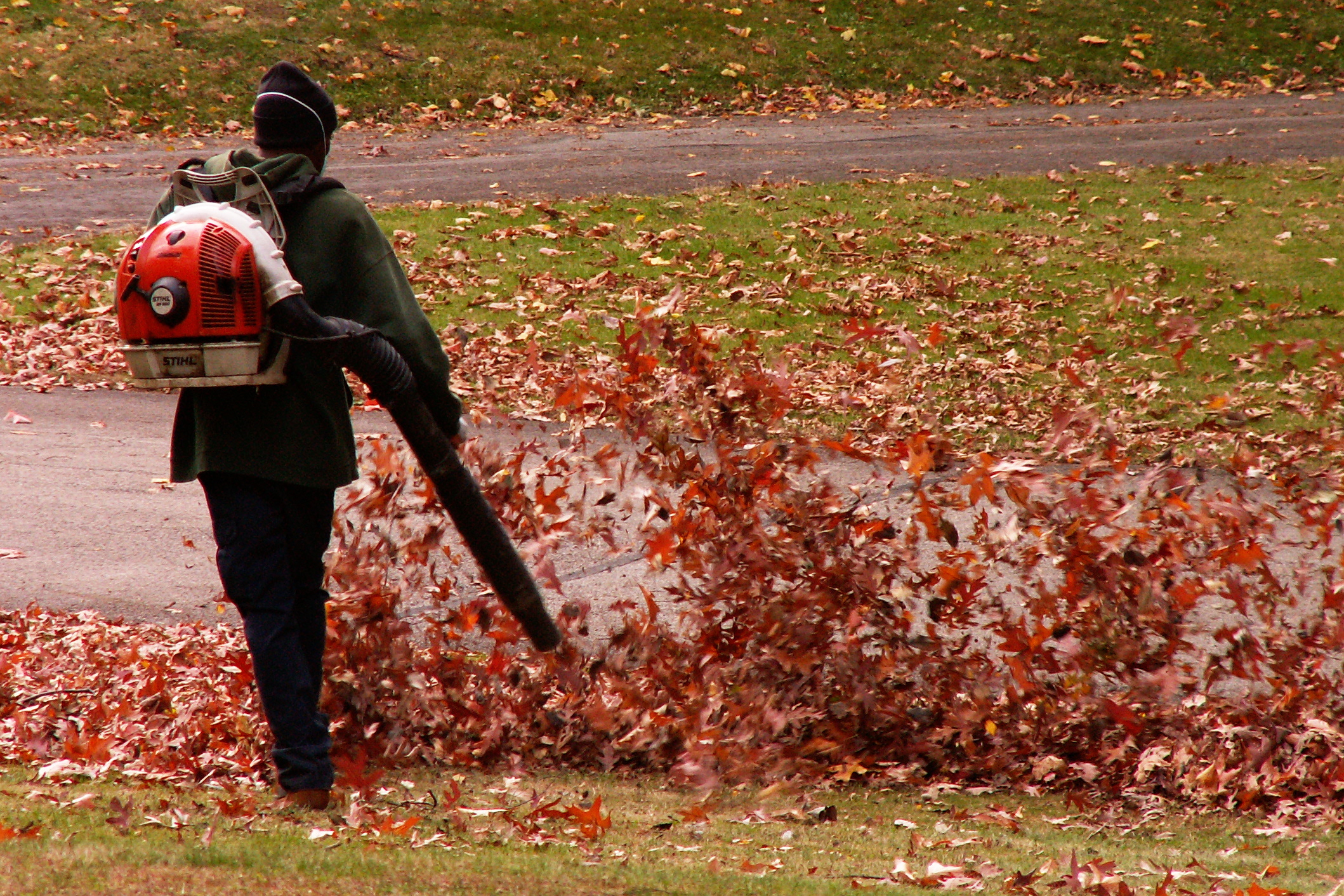
Shred dry leaves, layer two to three inches, and water for instant mulch.
If you want to know how to make mulch with leaves, you are in the right place. I’ve made and used leaf mulch for years across lawns, beds, and trees. I’ll show you simple steps, clear tips, and real results you can trust.

Why leaf mulch works
Leaf mulch locks in water, feeds soil life, and blocks weeds. As it breaks down, it adds organic matter and helps roots breathe. The soil gets loose, dark, and crumbly. If you want a low-cost boost, learning how to make mulch with leaves is hard to beat.
I like leaf mulch because it is free and fast. It also keeps yard waste out of landfills. That means less hauling and fewer bags. Your garden wins and the planet wins too.
:max_bytes(150000):strip_icc()/making-and-using-leaf-mold-2539475-hero-0e3423fc99324eb1a57fe4d99afdff16.jpg)
What you need before you start
You can make great mulch with a few basic tools. Gather what you have and start small.
- A mower with a bagger or a leaf shredder for quick chopping
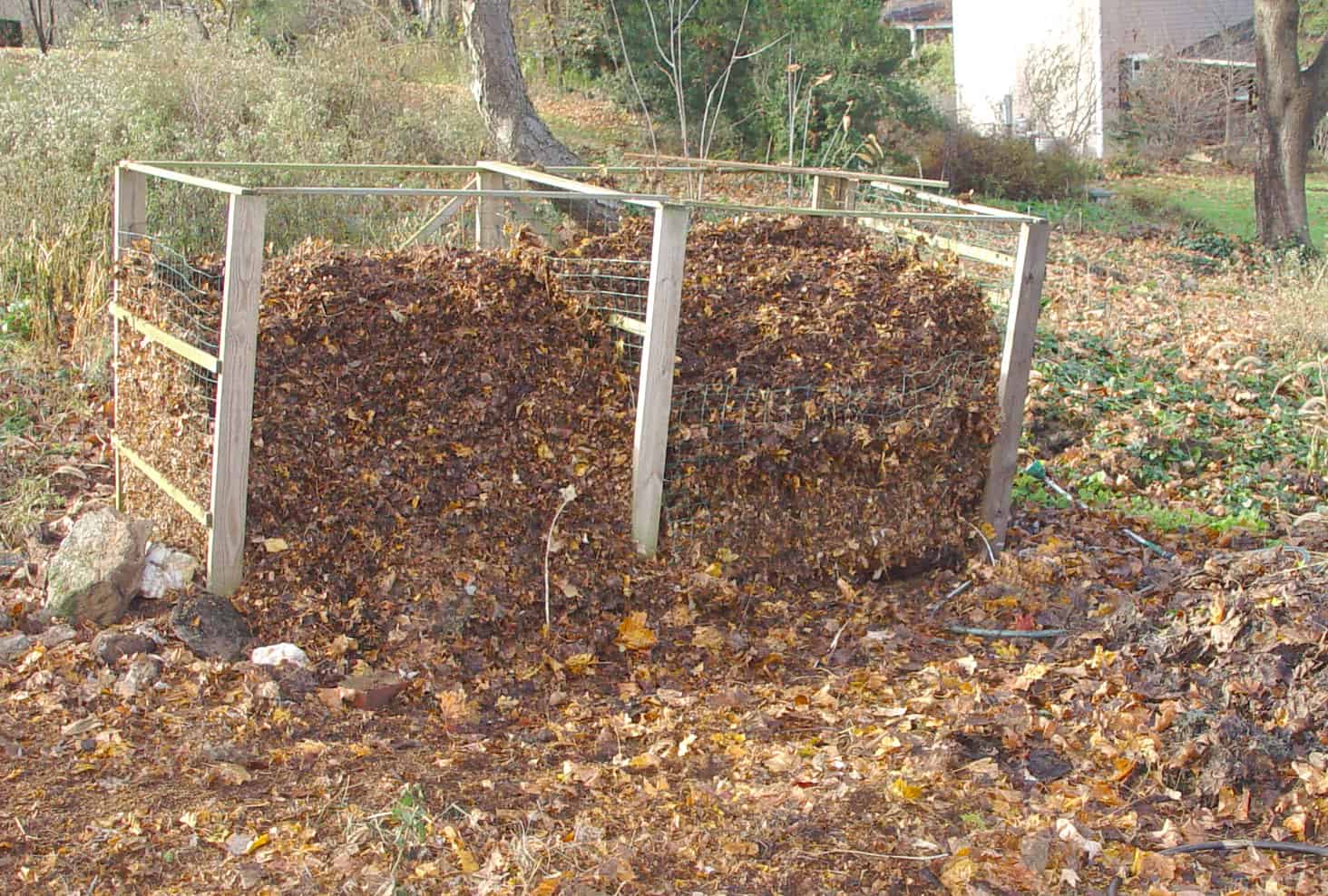
- A rake, leaf tarp, or leaf blower to collect piles
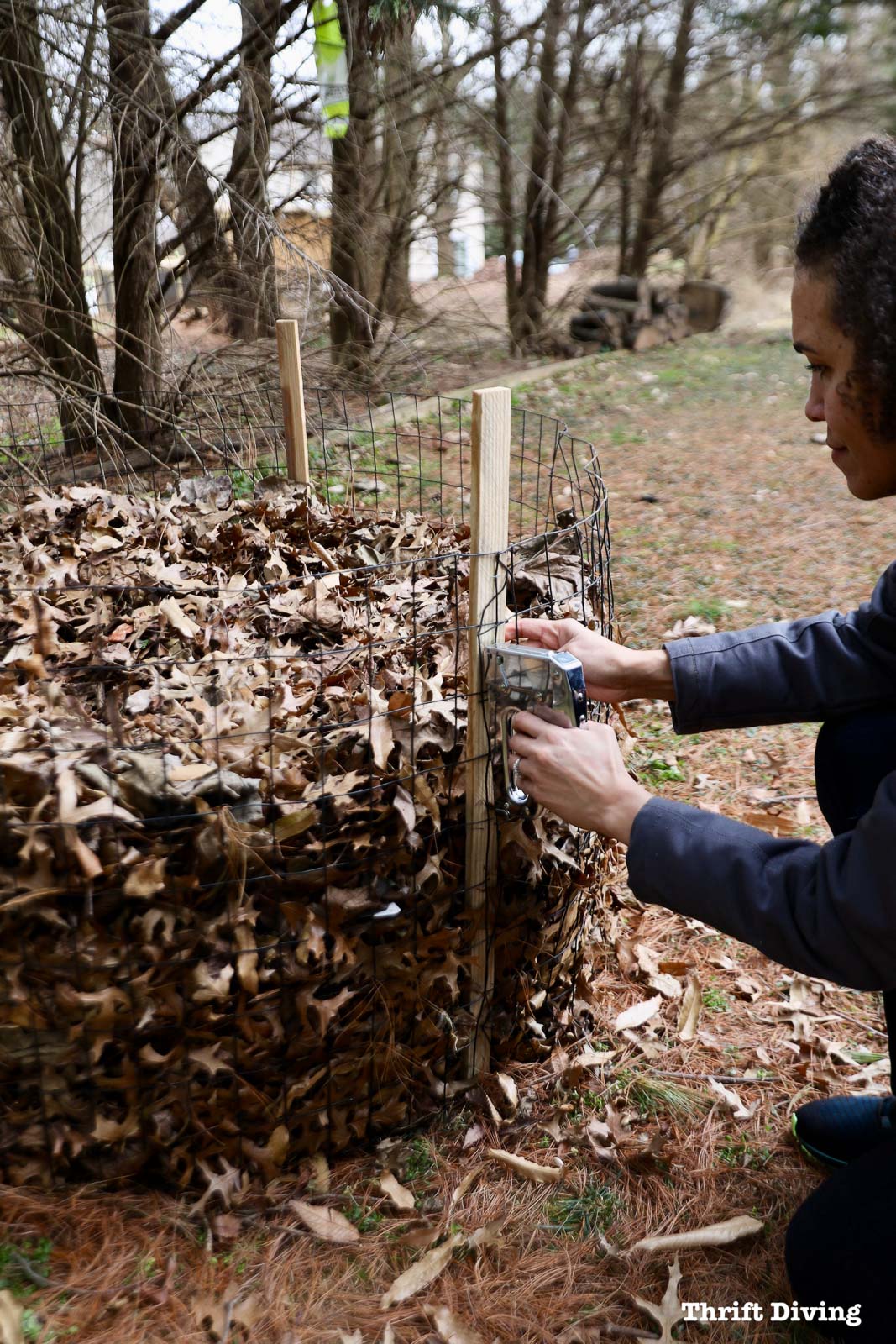
- A bin, wire cage, or bags for storage
- A hose or watering can to moisten the pile
- Gloves and eye protection for safety
If you do not have a shredder, do not worry. A mower set high does the job well. Two passes usually makes a fine, even shred.
Step-by-step: how to make mulch with leaves
This is the core process I use each fall and spring. It is quick and works in most yards. If you came here to learn how to make mulch with leaves, start with these steps.
-
Collect and sort leaves
Rake leaves into piles. Avoid leaves with heavy disease or pest issues. Keep black walnut out of vegetable beds. -
Shred the leaves
Run a mower over the piles or use a shredder. Aim for pieces about the size of a quarter or smaller. Shredded leaves stay airy and do not mat. -
Decide: use now or age first
You can use shredded leaves right away as mulch. Or you can age them a bit to soften edges. Light moisture helps aging. -
Spread an even layer
Lay two to three inches around plants and over bare soil. Keep mulch two to three inches away from stems and trunks. Water the layer to settle it. -
Maintain through the season
Top up thin spots as the mulch settles. Keep the surface loose so water can pass. If a mat forms, fluff it with a rake.
Two simple methods
Fast shredded leaf mulch
Use fresh shredded leaves right away. Spread two to three inches on beds and paths. This is my go-to method for instant results.
Leaf mold for richer mulch
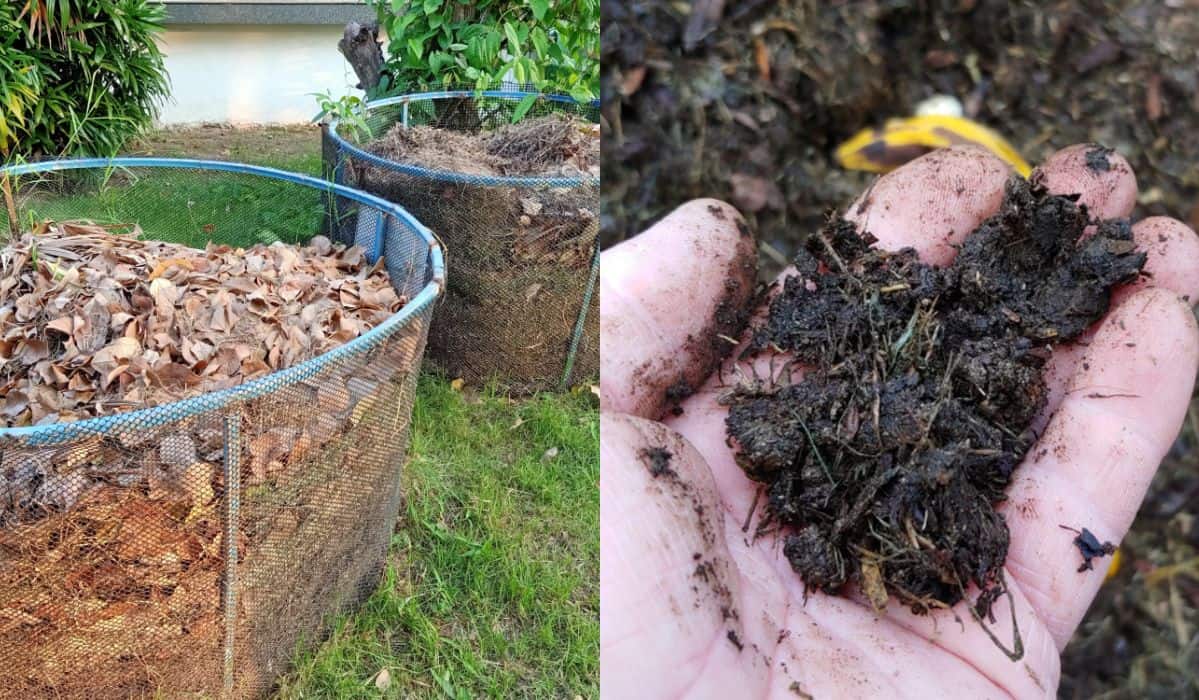
Pile shredded leaves in a bin or bag with holes. Moisten so it feels like a wrung-out sponge. Let it age for six to twelve months. You get dark, earthy leaf mold that plants love.
Choosing and sorting leaves
Not all leaves act the same. I like a mix to balance traits. Maple, ash, elm, birch, basswood, and fruit tree leaves break down fast. Oak is slower but still good once shredded.
Avoid or limit black walnut, hickory, and pecan near tender crops. These can affect plant growth. If you must use them, keep them in paths or under established trees. When in doubt, test a small area first to see plant response.
Dry leaves shred better than wet leaves. If leaves are damp, spread them thin to dry. Then shred for a cleaner cut.

Where and how to use leaf mulch
You can use leaf mulch across the whole yard. It is flexible and safe when applied right. Below are proven ways to use it well.
-
Vegetable beds
Use one to two inches in active beds. Add two to three inches over paths. Pull mulch back before you plant seeds. -
Perennials and flowers
Use two to three inches around clumps and roses. Keep it off crowns. Top up each spring. -
Trees and shrubs
Create a donut, not a volcano. Spread three inches wide to the drip line if you can. Keep a gap around the trunk. -
Lawn improvement
Shred leaves right into the turf with a mower. This feeds soil and saves time. It also keeps thatch down. -
Compost boost
Mix one part shredded leaves with one part grass clippings. This balances carbon and nitrogen. It speeds up compost.
If you are learning how to make mulch with leaves for the first time, start small. Try a single bed or a ring around a tree. See the results, then scale up.

Common mistakes to avoid
It is easy to get excited and overdo it. Here are mistakes I have made and how to avoid them. These tips will help anyone focused on how to make mulch with leaves.
-
Piling too deep
More than three inches can block air and water. Stick to two to three inches and you are safe. -
Using whole, unshredded leaves in thick layers
They mat and shed water. Shred them so air and rain pass through. -
Mulching with diseased leaves
Leaves with heavy rust, scab, or blight can spread issues. Compost hot or send them to yard waste if needed. -
Mulch volcanoes around trees
Mulch against bark can cause rot and pests. Leave a clear ring around trunks. -
Ignoring black walnut near veggies
Its natural compound can harm tomatoes, peppers, and more. Keep those leaves away from food beds.

Seasonal plan and smart storage
Timing makes a big difference. Fall is the best time to gather leaves. They are abundant and dry. Shred and use some right away. Store the rest for spring top-ups.
For storage, use wire bins, compost cages, or breathable bags. Poke holes if you use bags. Moisten the pile so it is as damp as a wrung-out sponge. That helps steady breakdown.
Turn the pile a few times over winter. By spring, you have soft, sweet-smelling mulch. If you want to master how to make mulch with leaves, build a simple storage routine.
Results you can expect
Garden studies and extension field tests support leaf mulch. Two to three inches can cut watering needs by a big margin. Many growers see fewer weeds and steadier soil temps.
Leaf mulch also raises organic matter over time. Healthier soil feeds roots and boosts growth. Results vary by climate and soil, but the trend is clear. Free leaves can do real work in your yard.
If your area is very wet, keep layers thin at first. Watch how your soil drains. Adjust depth as needed for best results with how to make mulch with leaves.

Costs, savings, and sustainability
Leaves are a free resource you already have. You save on bagging fees and mulch deliveries. You also skip plastic bags and fuel-heavy trips.
When you recycle leaves on-site, you cut waste and carbon. Your yard becomes a closed loop. That is smart, simple, and kind to the soil.
If you want the most budget impact, learn how to make mulch with leaves once. The habit will pay you back year after year.
Troubleshooting and pro tips
Here are fixes and tips from my own yard and from gardener peers. They make the process smooth and the mulch better.
-
The mulch mats after a rain
Fluff it with a rake and add a light layer of fresh shreds. Keep depth near two inches in wet spells. -
You only have whole leaves
Mow over them in place. Two passes usually matches a shredder. -
The pile dries out in storage
Sprinkle water until it feels like a wrung-out sponge. Cover the top with burlap to hold moisture. -
You want faster leaf mold
Shred fine, moisten well, and turn monthly. Warm spots and airflow help it finish sooner. -
You need a clean look in front beds
Edge the bed and keep a neat two-inch layer. Sift out sticks for a tidy finish.
With these tweaks, you will master how to make mulch with leaves and get repeatable results.
Frequently Asked Questions of how to make mulch with leaves
Can I use whole leaves without shredding?
Yes, but keep the layer very thin. Whole leaves can mat and block water, so shredding is better.
How thick should leaf mulch be?
Aim for two to three inches on beds and around trees. Keep a small gap from stems and trunks.
Is leaf mulch safe for vegetables?
Yes, shredded leaves are great in veggie beds and paths. Pull mulch back when sowing seeds for better sprouting.
What leaves should I avoid?
Keep black walnut away from sensitive crops like tomatoes. Also avoid heavy disease leaves, or compost them hot first.
How long does leaf mold take to make?
Leaf mold takes six to twelve months, depending on moisture and airflow. Shredding and turning speeds it up.
Will leaf mulch attract pests?
A thin, clean layer does not attract pests more than other mulches. Keep it off stems and avoid adding food scraps.
Can I mix leaf mulch with grass clippings?
Yes, this makes a balanced mix that breaks down faster. Use about one to one by volume.
Conclusion
Leaf mulch is simple, free, and effective. Shred, spread two to three inches, and keep it tidy. Over time, your soil will hold water better, grow richer, and need less work.
Try one bed this week and watch the change. Once you see the results, scale it across your yard. Want more tips like this? Subscribe for updates, ask a question, or share your own leaf mulch wins.